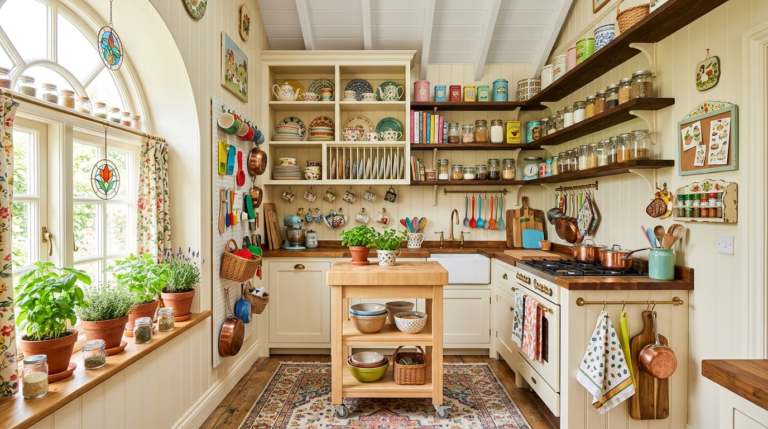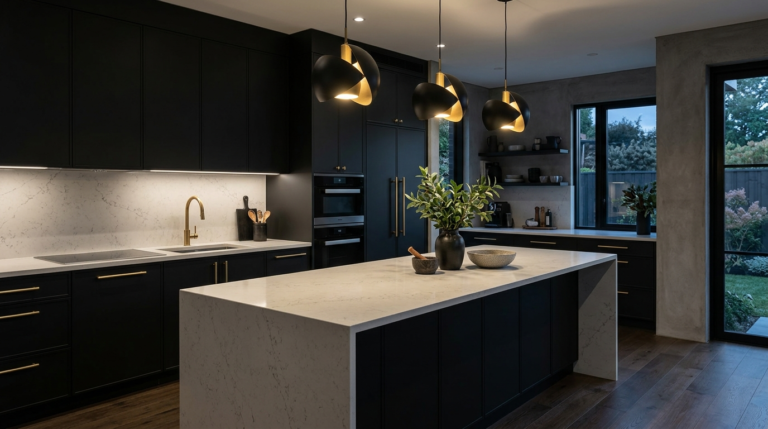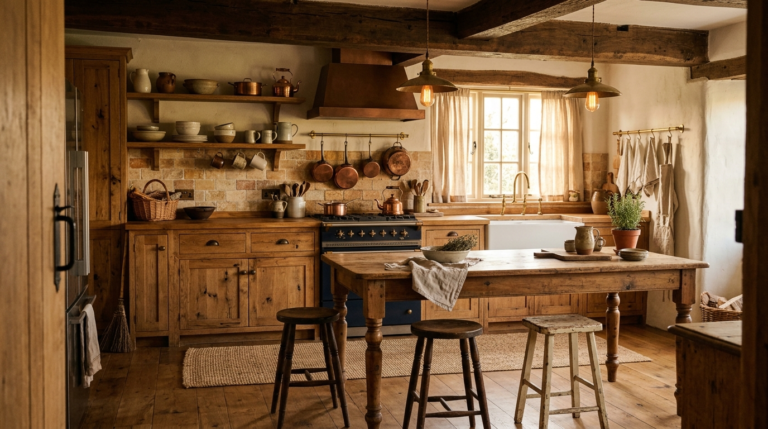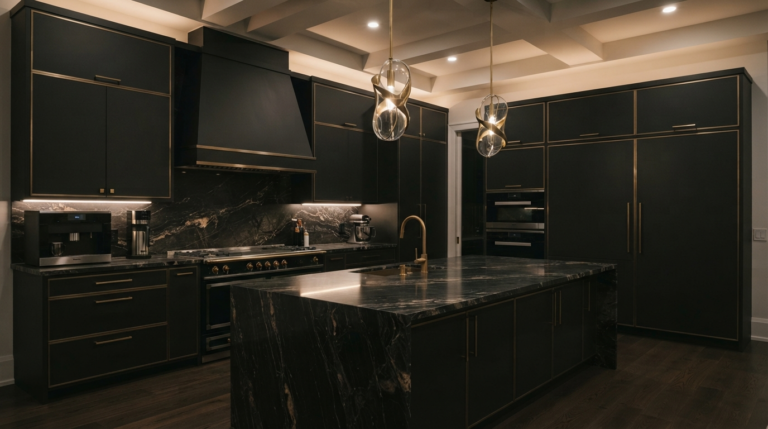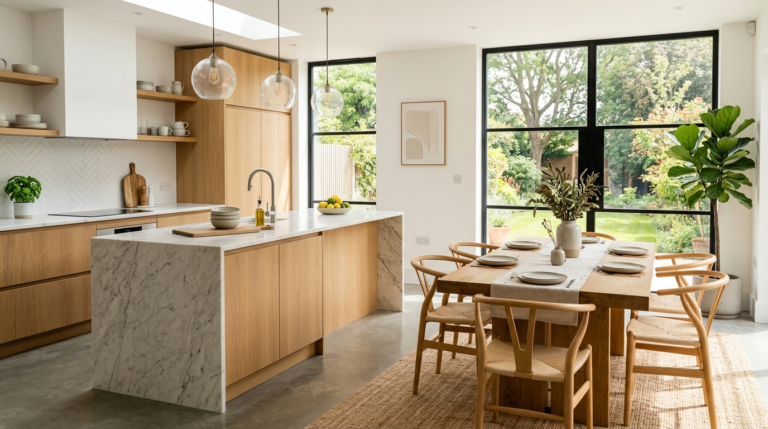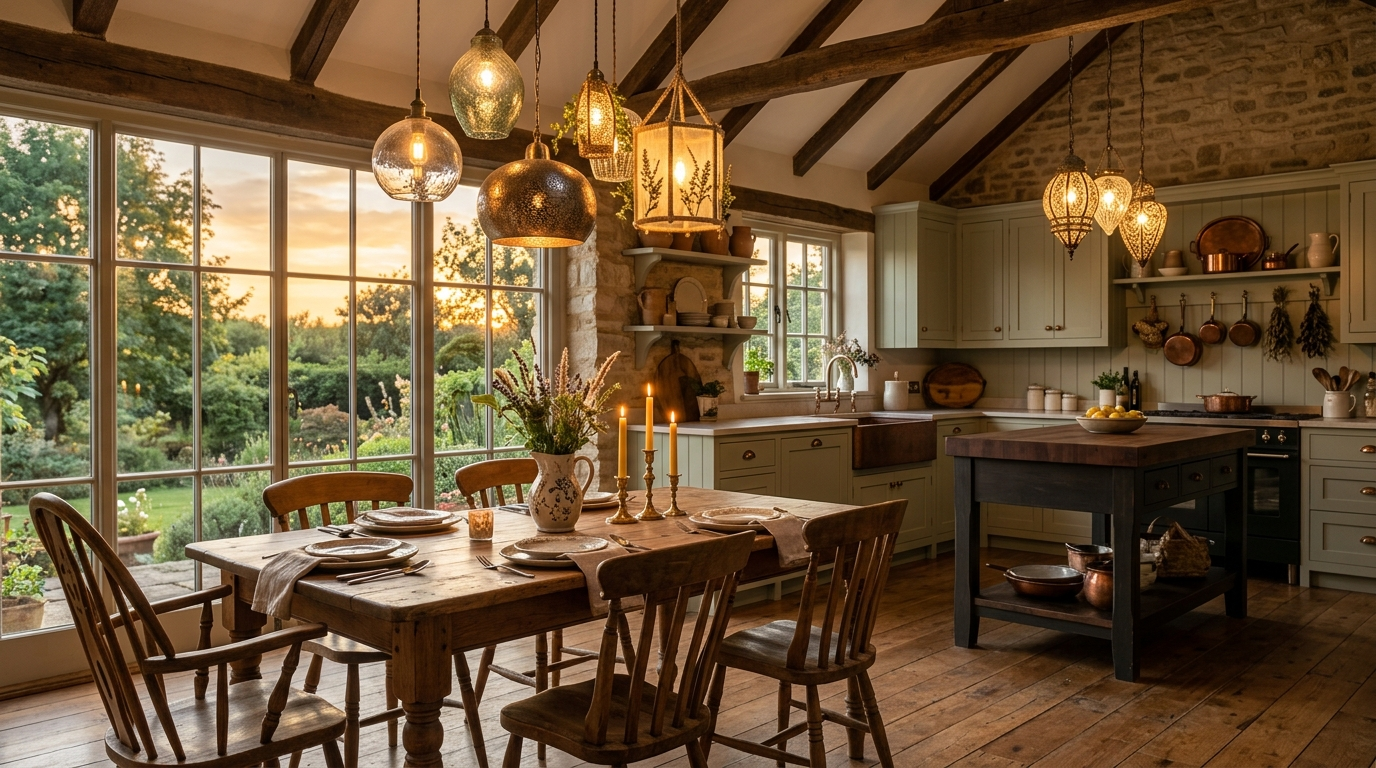
A well-designed kitchen and dining space supports everyday life. It is where meals are prepared, conversations happen, and memories are made. This step-by-step guide will help you create a space that feels cohesive, welcoming, and highly functional.
Step 1: Define Your Needs
Consider how you use your kitchen daily. Do you host often? Need additional storage? Prefer quick family meals?

Step 2: Plan Functional Zones
Create dedicated areas for preparation, cooking, serving, and dining. Functional zones improve efficiency and reduce frustration.
Step 3: Choose a Cohesive Palette
Select two or three complementary tones. Soft neutrals paired with warm wood elements create timeless appeal.
Step 4: Prioritize Lighting
Layer lighting with pendants, task lighting, and ambient illumination to create flexibility throughout the day.
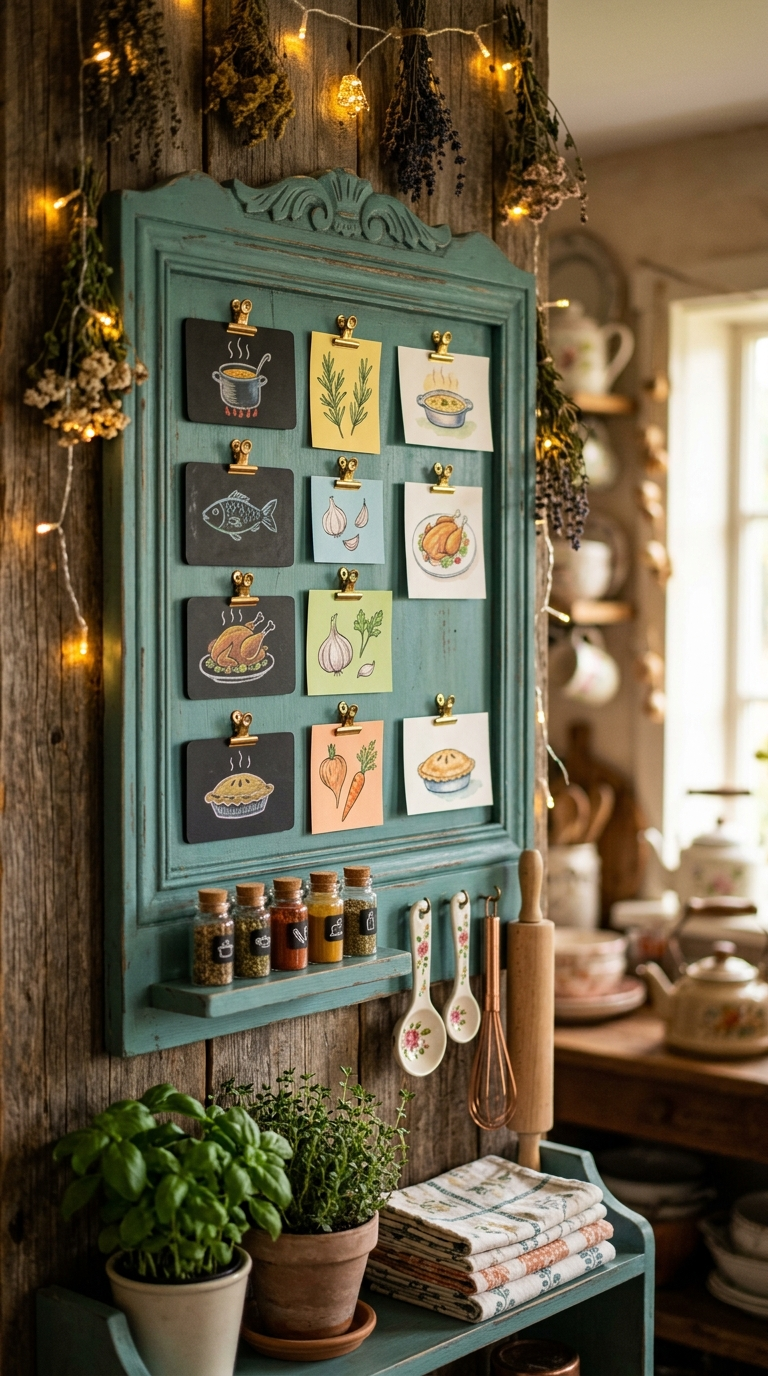
Step 5: Maximize Storage
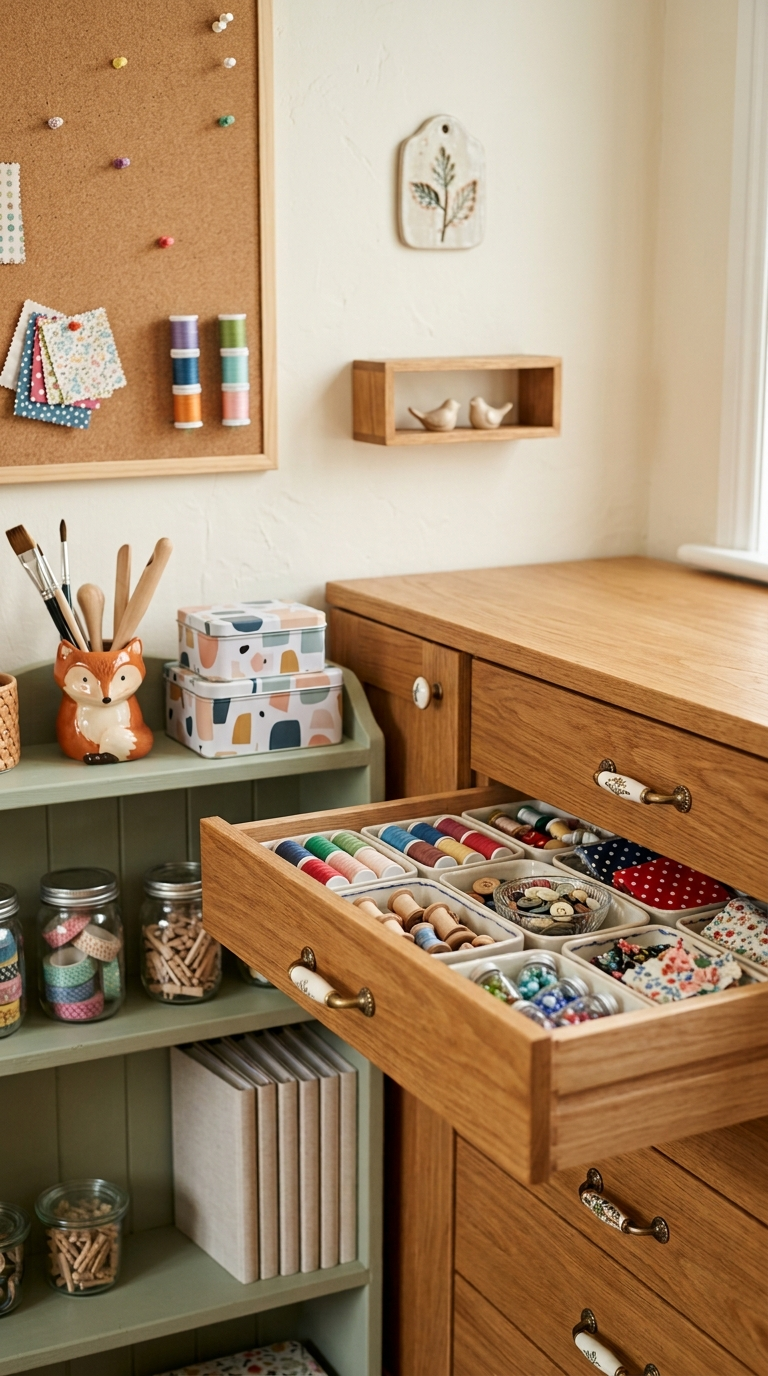
Use drawer dividers, pull-out organizers, and vertical storage solutions. Smart storage makes kitchens feel larger.
Step 6: Select Durable Materials
Countertops, flooring, and dining surfaces should balance beauty with practicality.
Step 7: Add Personality
Incorporate ceramics, plants, and meaningful decorative accents.

Step 8: Create an Inviting Dining Area
Comfortable seating encourages people to linger. Add cushions, layered textures, and soft lighting.
Step 9: Keep Counters Intentional
Display only frequently used items and a few decorative touches to maintain visual calm.
Step 10: Embrace Seasonal Updates
Refresh table linens, centerpieces, and accessories throughout the year.

Step 11: Think About Flow
Ensure there is ample room to move between workspaces and seating areas.
Step 12: Build Daily Rituals
Whether it’s morning coffee or evening dinners, rituals help your space feel more meaningful.
Final Thoughts
The best kitchen and dining spaces are designed around the people who use them. Prioritize function, add warmth, and embrace thoughtful details. Over time, these choices create a room that feels timeless and welcoming.
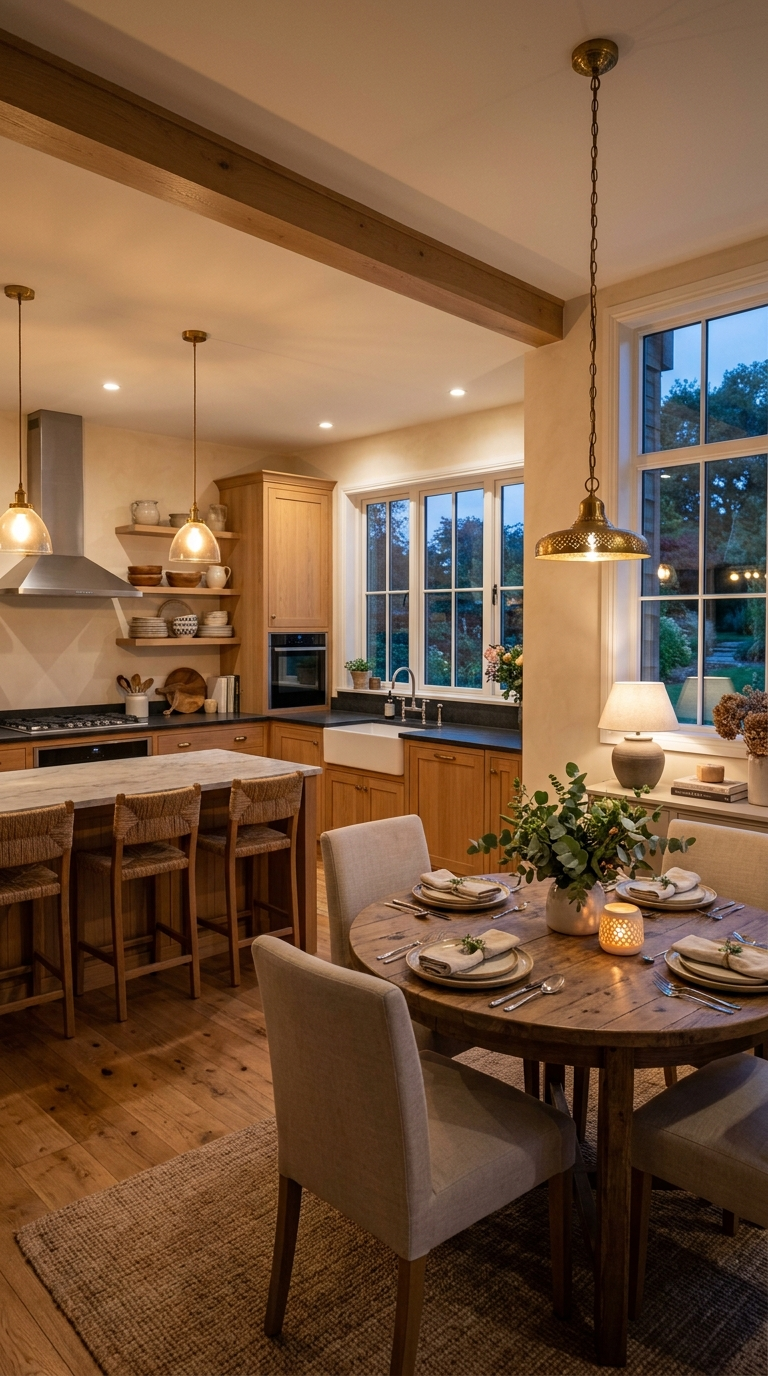
Beautiful spaces are not built overnight. They evolve through intentional decisions and daily experiences shared with loved ones.