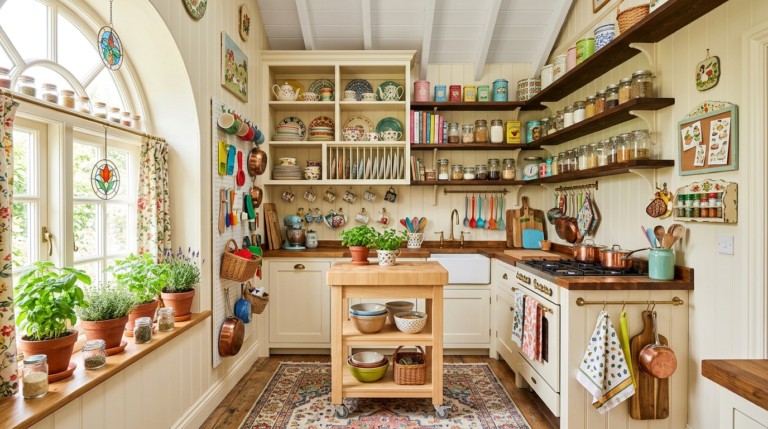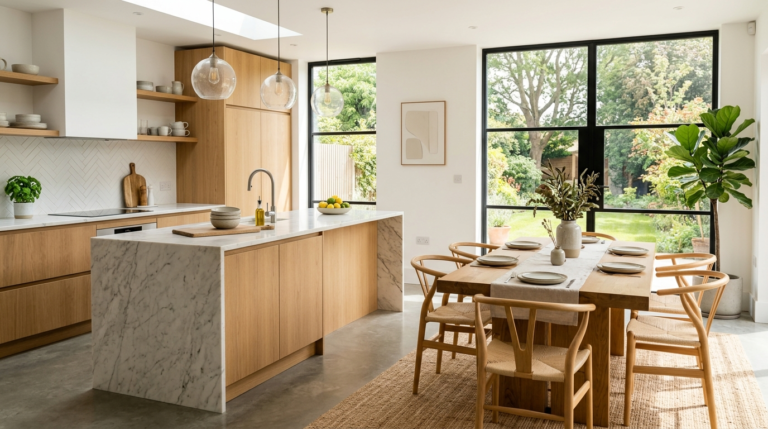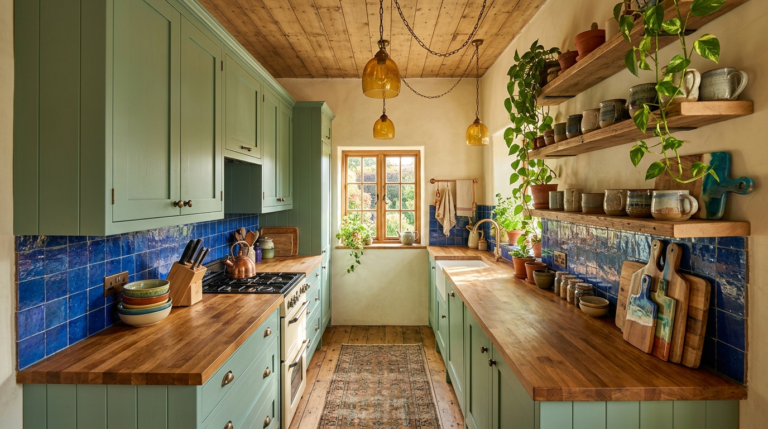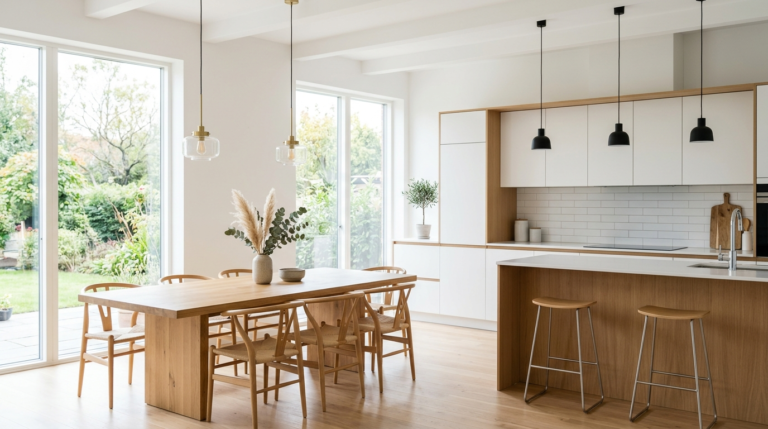
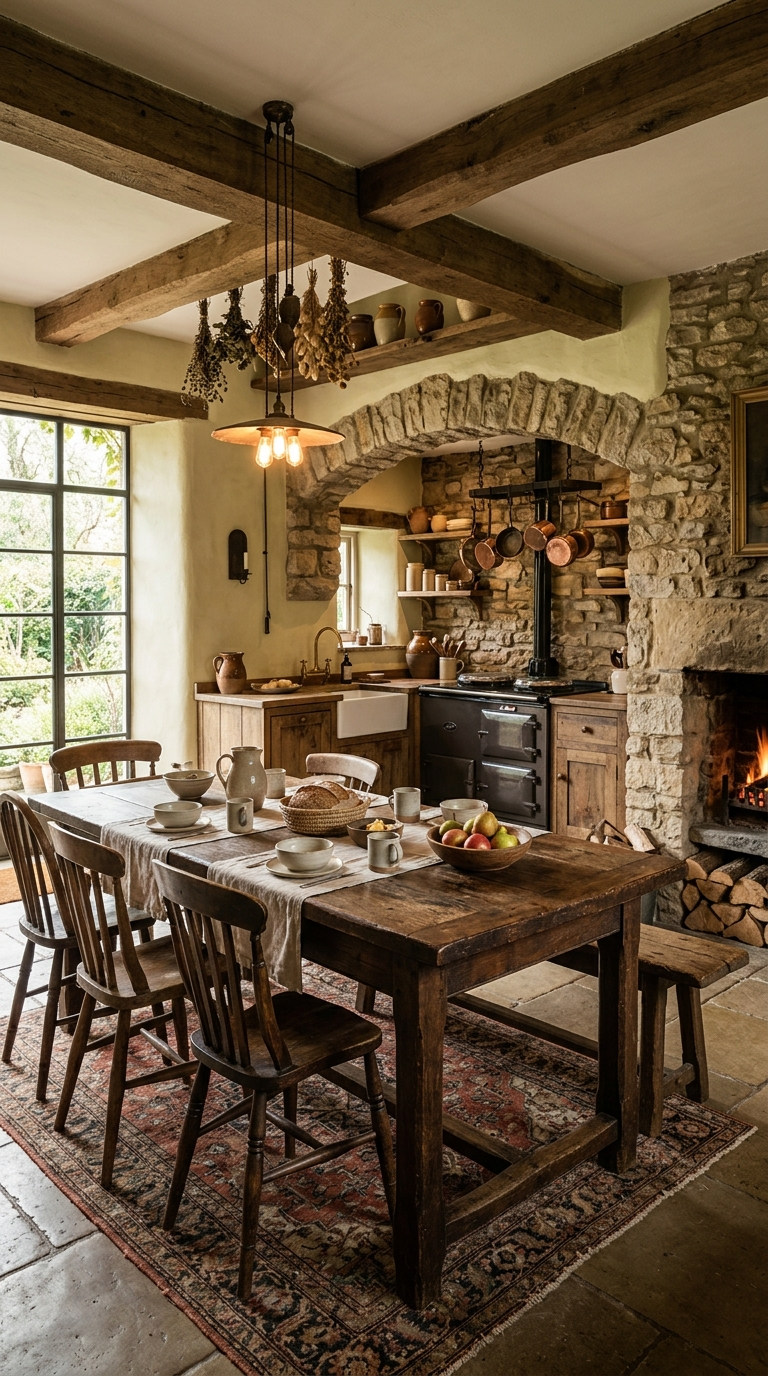
There is a special kind of magic that fills a rustic traditional kitchen. It is not just a place for preparing meals; it is where stories are shared, laughter echoes, and memories are made over steaming pots and fresh baked goods. The style combines the rugged beauty of natural materials with the refined lines of traditional design, creating spaces that feel both lived-in and lovingly curated. Whether you are renovating an old farmhouse or bringing character to a new build, understanding the essence of this style can help you craft a kitchen that resonates with warmth and authenticity for years to come. These kitchens invite you to slow down, connect with the materials under your hands, and create meals that nourish both body and soul.
The Soul of Wood and Stone: Selecting Timeless Materials
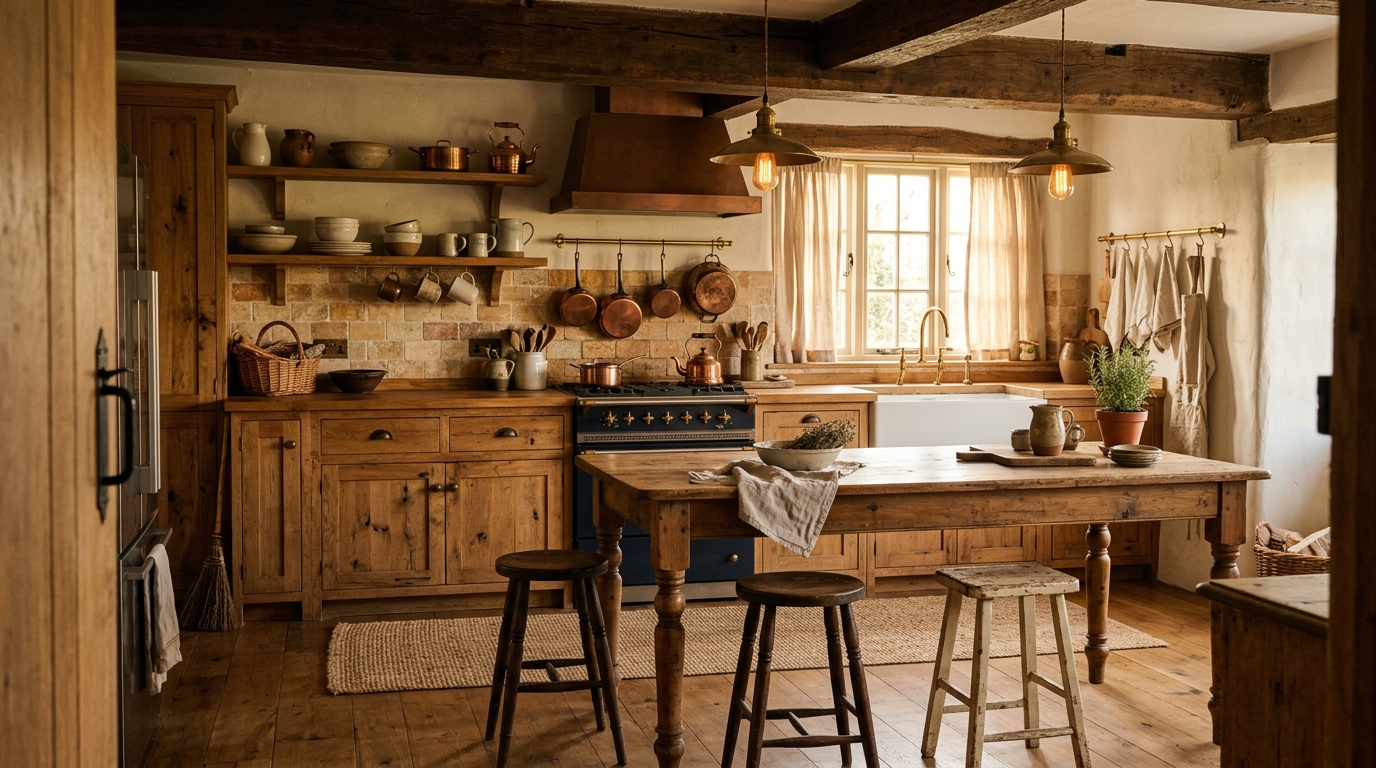
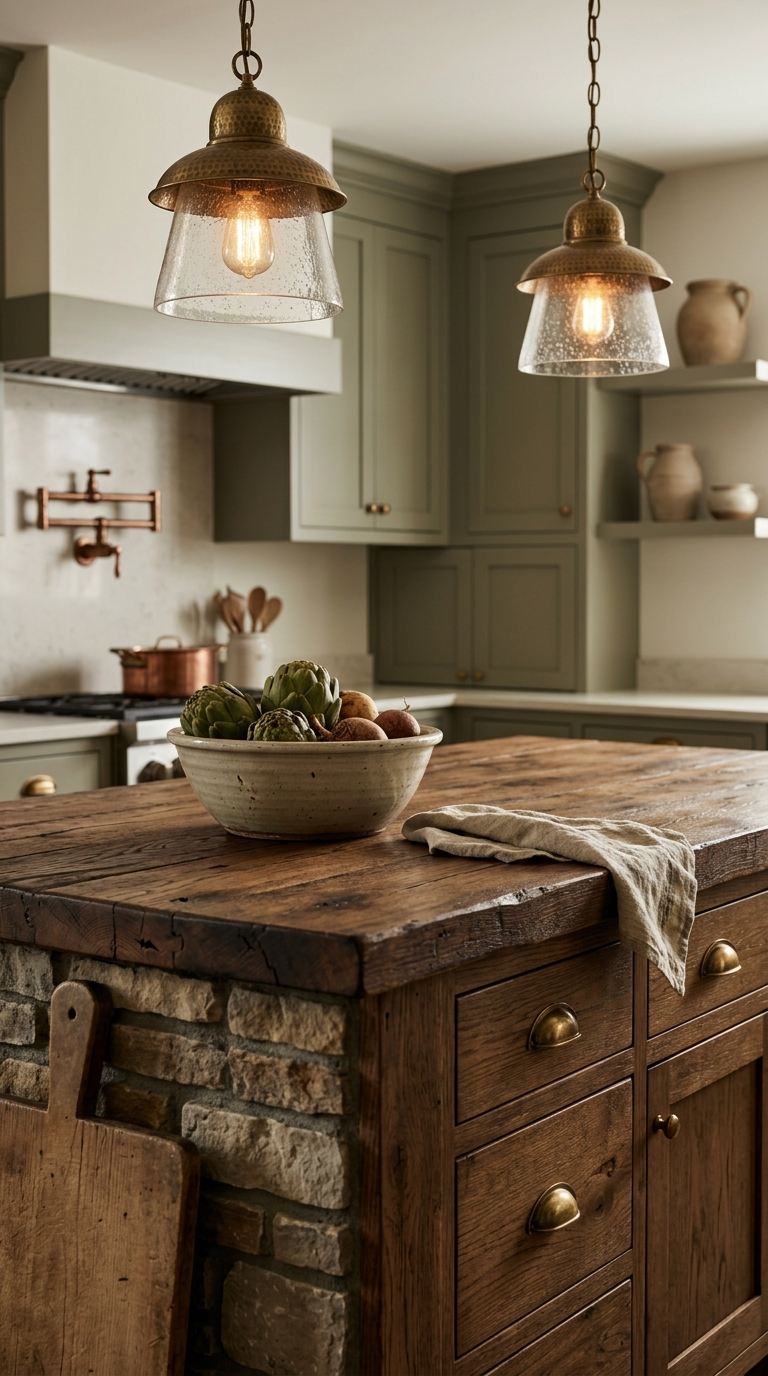
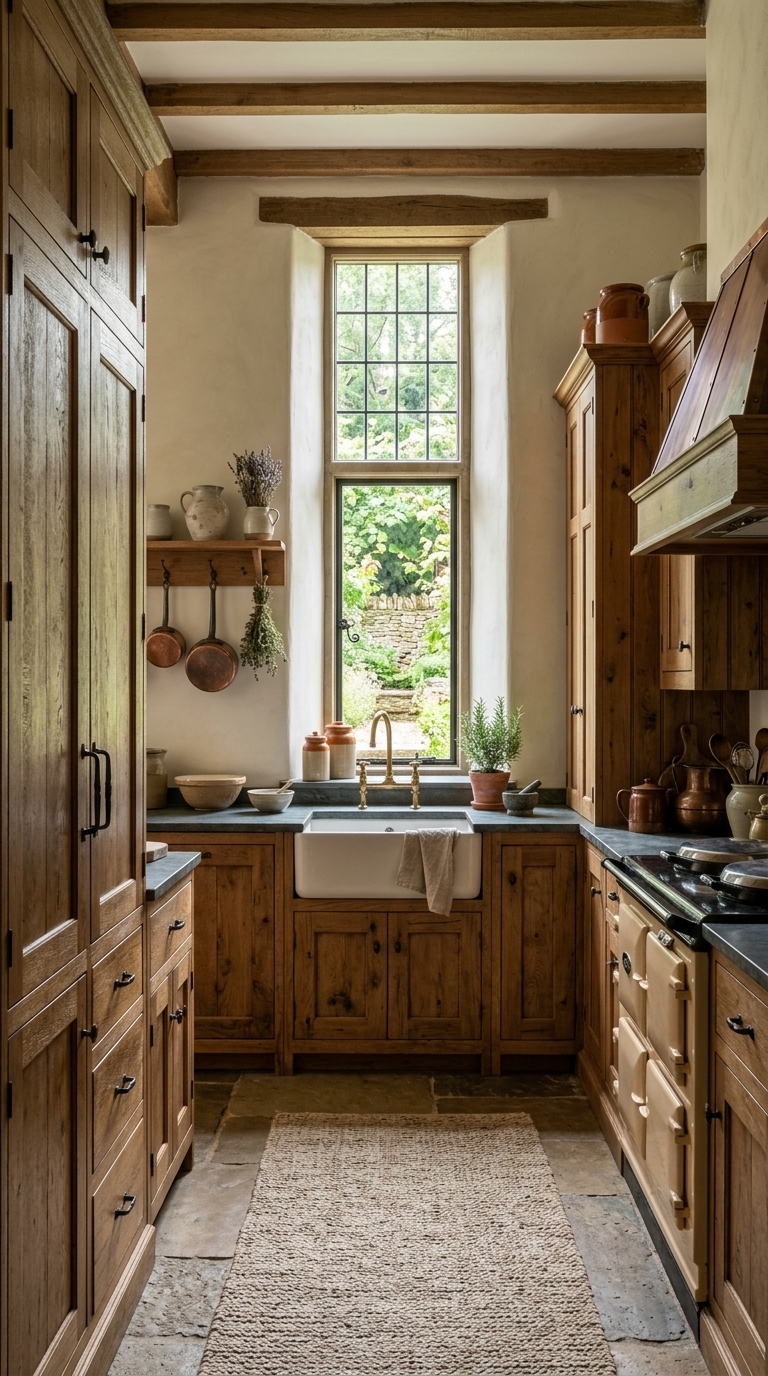
Nothing grounds a rustic traditional kitchen quite like the honest beauty of wood and stone. Reclaimed barn wood or sustainably sourced oak for cabinetry brings depth and history to the room. Each plank tells its own story through unique grain patterns, knots, and subtle color variations that only time can create. These woods pair beautifully with countertops in materials like honed marble, soapstone, or thick butcher block that develop a rich patina with use. The contrast between the rough texture of wood and the smooth coolness of stone creates visual interest and a tactile experience that makes the space feel alive. When choosing, consider how the materials will age – the best rustic kitchens look even better after years of family life and daily use.
Think about incorporating exposed ceiling beams or a statement range hood crafted from the same wood species as your cabinets for cohesion. Stone or brick backsplashes add another layer of texture and can be extended to a feature wall behind the stove or sink. For those with a more traditional bent, shaker style cabinet doors in a painted finish can be mixed with natural wood islands to create layers of interest. The key is balance: too much of one material can feel heavy, while thoughtful mixing keeps the eye moving and the space feeling dynamic yet harmonious. European oak offers excellent stability for humid kitchen environments, while American walnut provides a darker, more dramatic contrast that pairs well with lighter stones.
When sourcing wood, consider not only aesthetics but also durability and sustainability certifications. For those seeking something truly unique, consider spalted maple or other figured woods that showcase natural art in the grain. Always work with experienced craftspeople who understand how to properly mill and finish these materials for kitchen use, as improper treatment can lead to warping or cracking over time. Many homeowners find that sourcing local or reclaimed materials not only supports sustainability but also connects the kitchen to the surrounding landscape and history of the area, giving the space an irreplaceable sense of place.
Lighting the Way: Creating Warmth and Ambiance
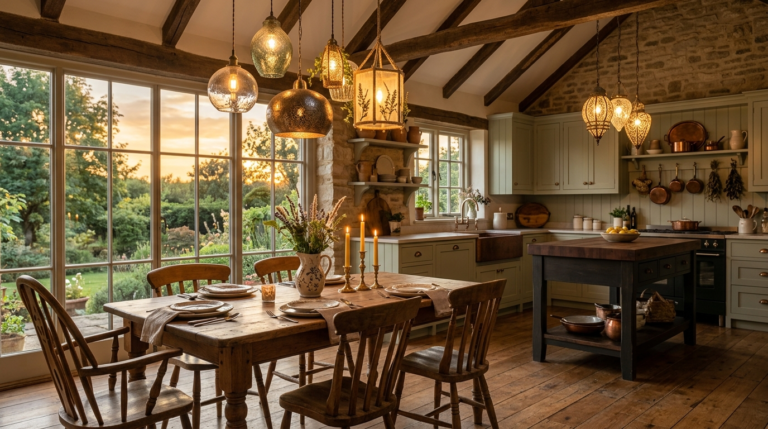
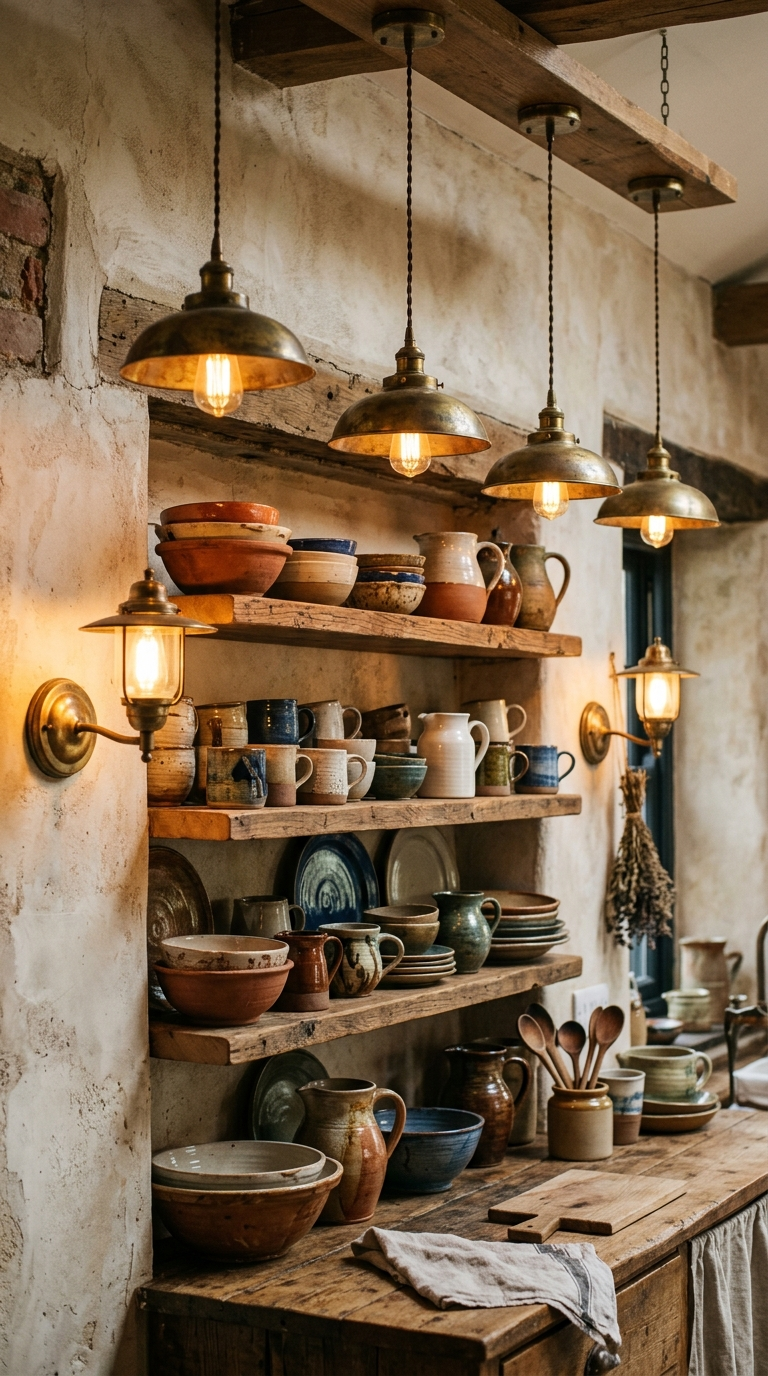
Lighting in a rustic traditional kitchen goes far beyond mere illumination; it is about crafting an atmosphere that invites people to linger. Natural light is the star, so if possible, maximize windows or add a skylight to flood the space with daylight that highlights the textures of wood and stone. For evening, layer your lighting sources to mimic the gentle glow of a fireside. Pendant lights hanging over an island or dining table in aged brass or wrought iron finishes provide focused task light while adding sculptural interest overhead. The way light plays across surfaces throughout the day becomes part of the daily rhythm of the home.
Under cabinet lighting is essential for practical cooking tasks and can be achieved with discreet LED strips that cast a soft wash on countertops without harsh glare. Wall sconces flanking a window or above open shelving add a traditional touch and help eliminate shadows in corners. Consider dimmable options throughout so you can transition from bright morning prep to soft romantic dinners with ease. The goal is to have pools of light that create intimacy and highlight special features like a beautiful ceramic collection on open shelves or the grain of a treasured wooden table. Warm white bulbs in the 2700K-3000K range enhance the cozy factor and make food look appetizing, avoiding cool tones that can feel clinical.
Choosing the right bulbs and fixtures matters deeply. Many designers recommend mixing fixture styles slightly for a collected-over-time look rather than a matched set, which feels more authentic to the rustic traditional ethos. Think antique-inspired lanterns, simple glass globes, or even converted vintage finds rewired for safety. This layered approach ensures the kitchen remains welcoming from dawn until long after sunset, supporting both the practical needs of cooking and the emotional desire for a nurturing environment where people naturally gather.
Storage with Soul: Practical Solutions That Tell a Story
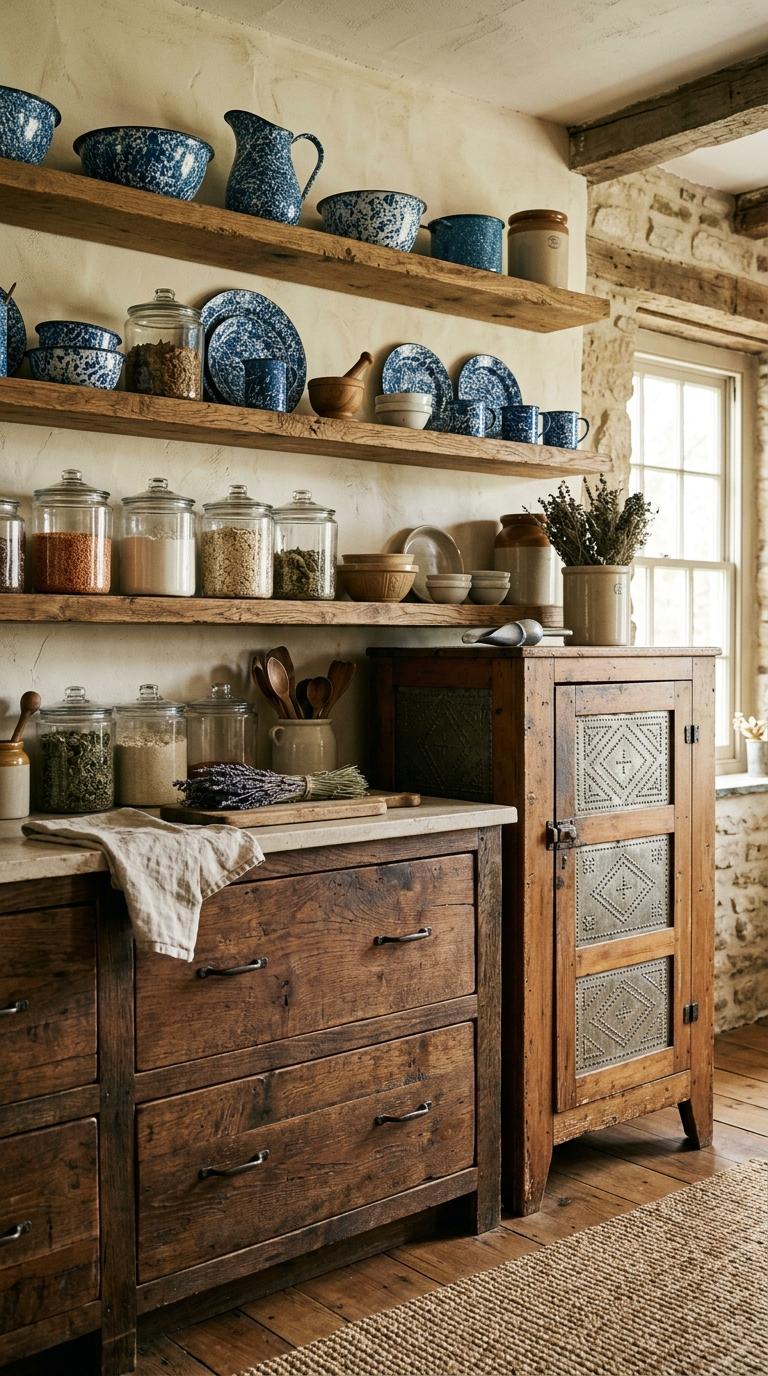
Storage in these kitchens is both a practical necessity and an opportunity to display personality. Open shelving allows you to showcase beloved dishes, vintage glassware, and everyday items in an artful way. Arrange by color or theme for visual appeal, and rotate pieces seasonally to keep the look fresh. Glass front cabinets offer a middle ground, protecting contents while still allowing a glimpse inside. For closed storage, consider deep drawers for pots and pans instead of traditional cabinets to make access easier and reduce bending. The best storage feels like furniture rather than built-in cabinetry, contributing to the collected, timeless atmosphere.
A well-designed pantry or butler’s pantry can be a game changer, providing ample space for dry goods, small appliances, and overflow serving pieces. If space allows, a walk-in version with floor to ceiling shelving and a counter for prep work becomes an extension of the main kitchen. Even in smaller spaces, clever solutions like pull-out organizers, corner lazy Susans, and vertical dividers maximize every inch without sacrificing style. The rustic traditional approach favors pieces with history – a beautiful hutch or armoire repurposed for kitchen use adds soul that sterile built-ins simply cannot match.
Incorporating a mix of new and old storage pieces adds layers and prevents the space from feeling too coordinated or showroom-like. A vintage pie safe can house linens and small items, while modern deep drawers handle the heavy lifting of daily use. This blend ensures the kitchen remains functional for contemporary life while honoring traditional aesthetics. Remember to leave some breathing room on shelves and counters; the best rustic spaces feel curated rather than cluttered, with room for the eye to rest and appreciate each carefully chosen object.
Textiles, Accents, and the Human Touch
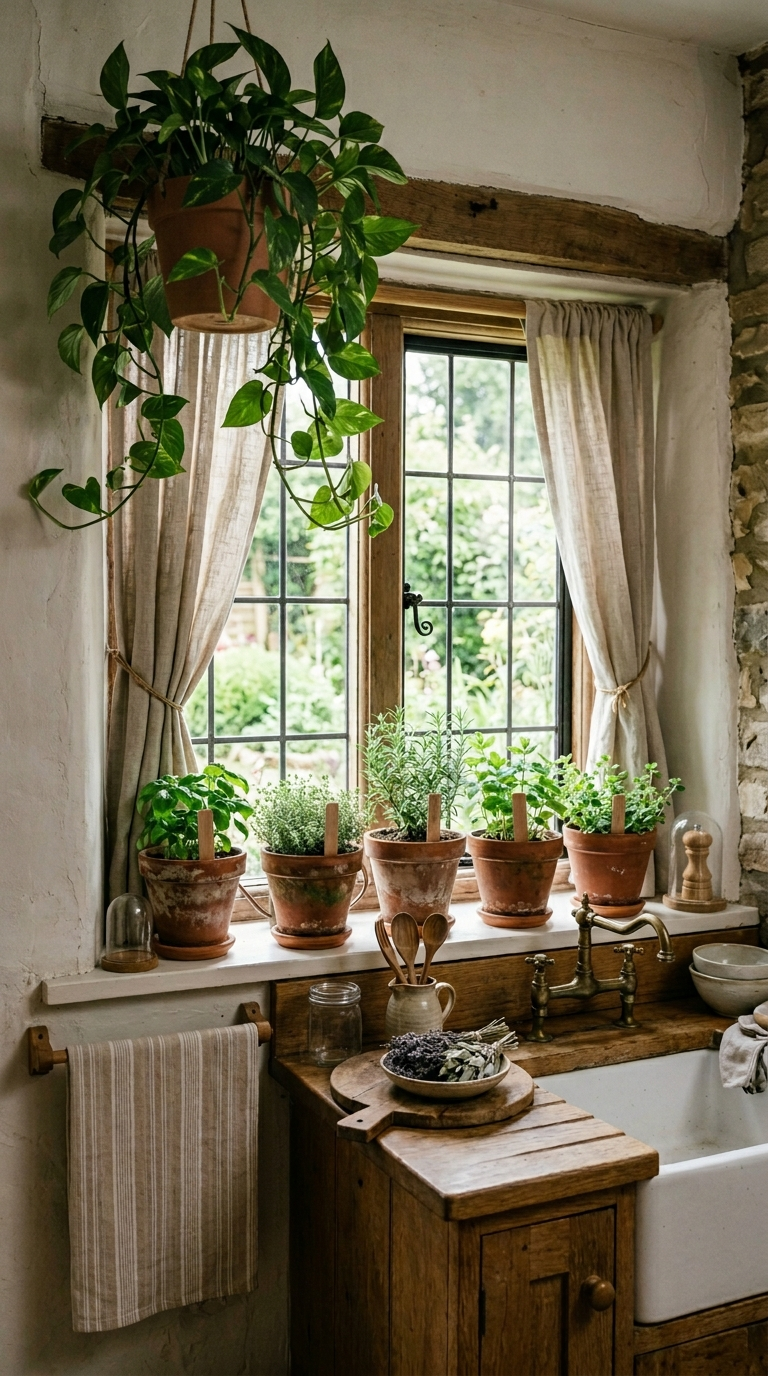
No rustic traditional kitchen is complete without the softening influence of textiles and carefully chosen accents. Linen or cotton curtains in natural hues filter light beautifully and add movement to the space. A well-worn rug under the sink or in front of the range defines the workspace and provides cushion underfoot during long cooking sessions. Choose patterns like subtle checks, stripes, or simple florals that nod to traditional country styles without overwhelming the room. These soft elements create a multi-sensory experience that makes the kitchen feel truly lived in and loved.
Personal touches make all the difference and turn a well-designed kitchen into a deeply personal sanctuary. Display a collection of wooden cutting boards, hand-thrown pottery, or vintage enamelware pieces that spark joy and conversation. Fresh herbs in terracotta pots on a windowsill bring life, fragrance, and a direct connection to the garden. Vintage finds like an old scale, wooden dough bowl, or antique tools add authenticity and a sense of history. The idea is to surround yourself with objects that have meaning or beauty, creating a space that reflects your life and values rather than following fleeting trends.
Plants play a starring role in bringing the outdoors in and improving air quality. Trailing ivy, sturdy ferns, or a small olive tree in a corner add life and movement. Even in winter, evergreen branches or dried flowers in a simple vase maintain the connection to nature that is central to rustic design. These living elements work together with the textiles and collected objects to create a space that engages all the senses – sight, smell, touch, and even the subtle sounds of cooking – making the kitchen irresistible as the true heart of the home.
Blending Tradition with Modern Convenience
While honoring the past, today’s rustic traditional kitchens must work beautifully for modern families. This means thoughtfully integrating contemporary appliances so they do not disrupt the visual flow. Panel-ready refrigerators and dishwashers that match cabinetry or hide behind doors are ideal choices. Range cookers with classic styling but high-performance features like convection and efficient induction options offer the best of both worlds. Even smart home elements can be discreetly incorporated through hidden charging stations or voice-controlled lighting that requires no visible hubs, preserving the clean, timeless aesthetic.
Layout remains key to both functionality and feeling. The classic work triangle between sink, stove, and refrigerator stays relevant, but consider adding a secondary prep zone or dedicated baking station if your lifestyle demands it. An island with seating transforms the kitchen into a social hub where guests can perch while you cook or where children can do homework nearby. For traditional feel, choose a substantial wood or stone topped island with turned legs or a simple apron front rather than sleek modern designs. This piece often becomes the anchor of the room, both visually and functionally, encouraging connection and conversation.
Technology like underfloor heating or a high-quality ventilation system ensures comfort and health without visible compromise to the aesthetic. When planning, prioritize flow and ergonomics so that the beauty of the design supports rather than hinders daily life. The most successful rustic traditional kitchens are those where form and function dance together seamlessly, allowing the space to evolve with your needs over time while maintaining its soulful character through every season of family life.
Creating Your Own Rustic Traditional Sanctuary
Designing a rustic traditional kitchen is ultimately a personal journey of discovery and intention. It is about more than copying a picture from a magazine; it is about crafting a space that feels like an extension of your values, memories, and lifestyle. Start by identifying what draws you most to this style – the warmth of natural materials, the connection to heritage and craftsmanship, the invitation to slow down and savor simple pleasures, or the sense of history that makes a house feel like home. Use that as your guiding principle when making every selection, from the largest cabinet to the smallest drawer pull.
Do not be afraid to mix periods and sources for delightful tension that keeps the space feeling collected rather than decorated. A mid-century chair at a traditional table or a sleek faucet paired with a vintage-style sink can create visual interest and prevent the room from feeling stuck in any single era. Visit salvage yards, antique shops, and artisan markets to find unique pieces that no one else will have. Take your time; the best rooms are layered over years through thoughtful additions and daily living, not installed in a single weekend rush. This patient approach results in spaces with genuine soul and stories to tell.
Most importantly, design for how you actually live and gather. If you entertain often, prioritize generous seating and easy flow between cooking and dining areas. If you love to bake, ensure ample counter space, a dedicated zone with good lighting, and storage for specialty tools. If sustainability matters deeply to you, choose reclaimed and locally sourced materials that reduce environmental impact while adding irreplaceable character. When your kitchen reflects your real life, supports your daily rhythms, and brings you genuine joy every time you enter it, you will have succeeded in capturing the true enduring spirit of rustic traditional design. This is the heart of the home – make it one that welcomes you and your loved ones home every single day with open arms and timeless grace.
Whether you are just beginning to dream about your perfect kitchen or ready to break ground on a full renovation, these principles will guide you toward a space that is as beautiful as it is deeply livable. The enduring charm of rustic and traditional kitchens lies in their remarkable ability to adapt to changing needs while staying rooted in what matters most: human connection, everyday comfort, natural beauty, and authentic character. Your own rustic traditional kitchen awaits, ready to become the backdrop for countless shared meals, heartfelt conversations, and quiet moments that turn four walls into a true home filled with warmth and belonging.