Top Living Room Trends This Year: What’s Hot in 2026
The living room has always been the heart of the home—a space where we gather, relax, entertain, and express our personal style. As we navigate through 2026, interior design continues to evolve in fascinating ways, reflecting our changing lifestyles, values, and aesthetic preferences. This year’s trends reveal a beautiful tension between comfort and sophistication, sustainability and luxury, minimalism and personal expression.
Whether you’re planning a complete renovation or simply looking to refresh your space with a few strategic updates, understanding these emerging trends will help you create a living room that feels both current and timeless. From the rise of biophilic design to the return of bold patterns, from sustainable materials to smart technology integration, 2026 is shaping up to be an exciting year for living room design. Let’s explore what’s capturing the imagination of designers and homeowners alike.
Biophilic Design Takes Center Stage
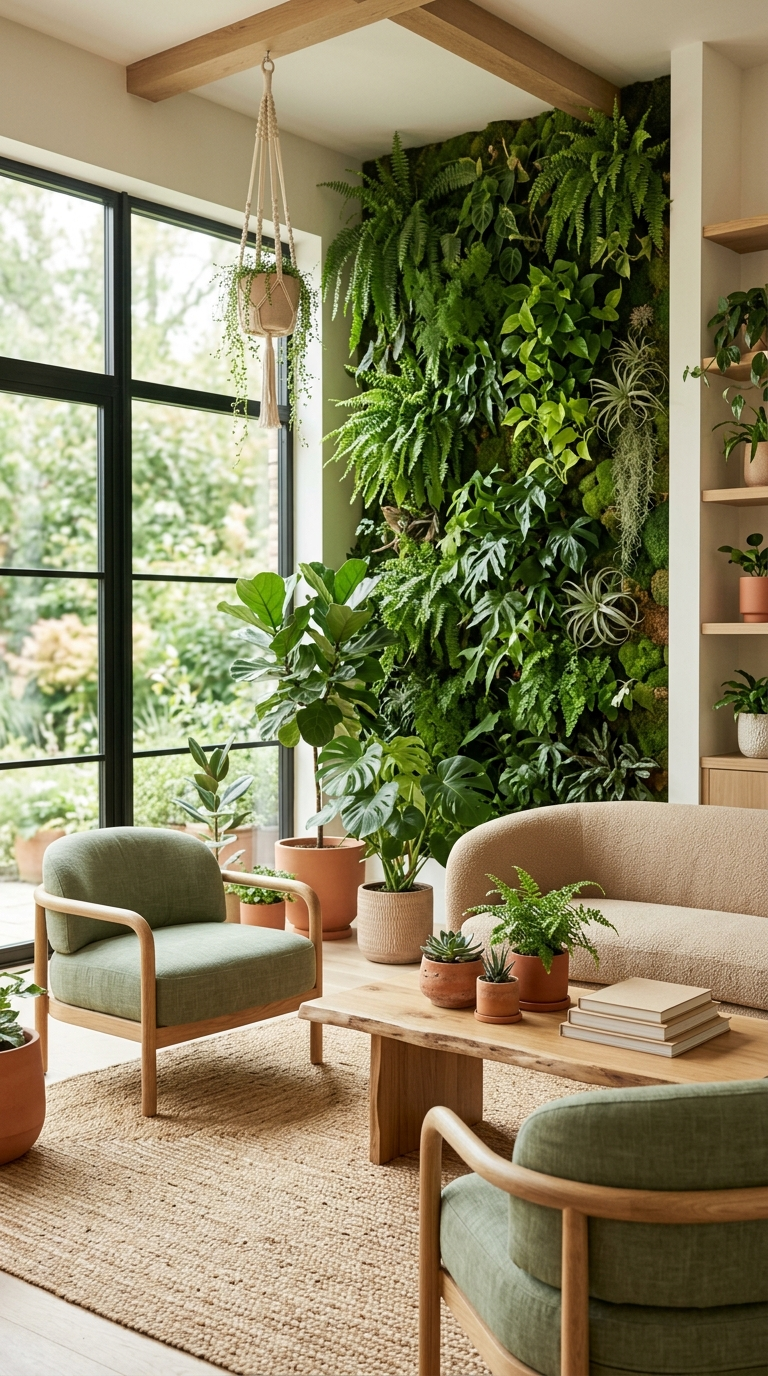
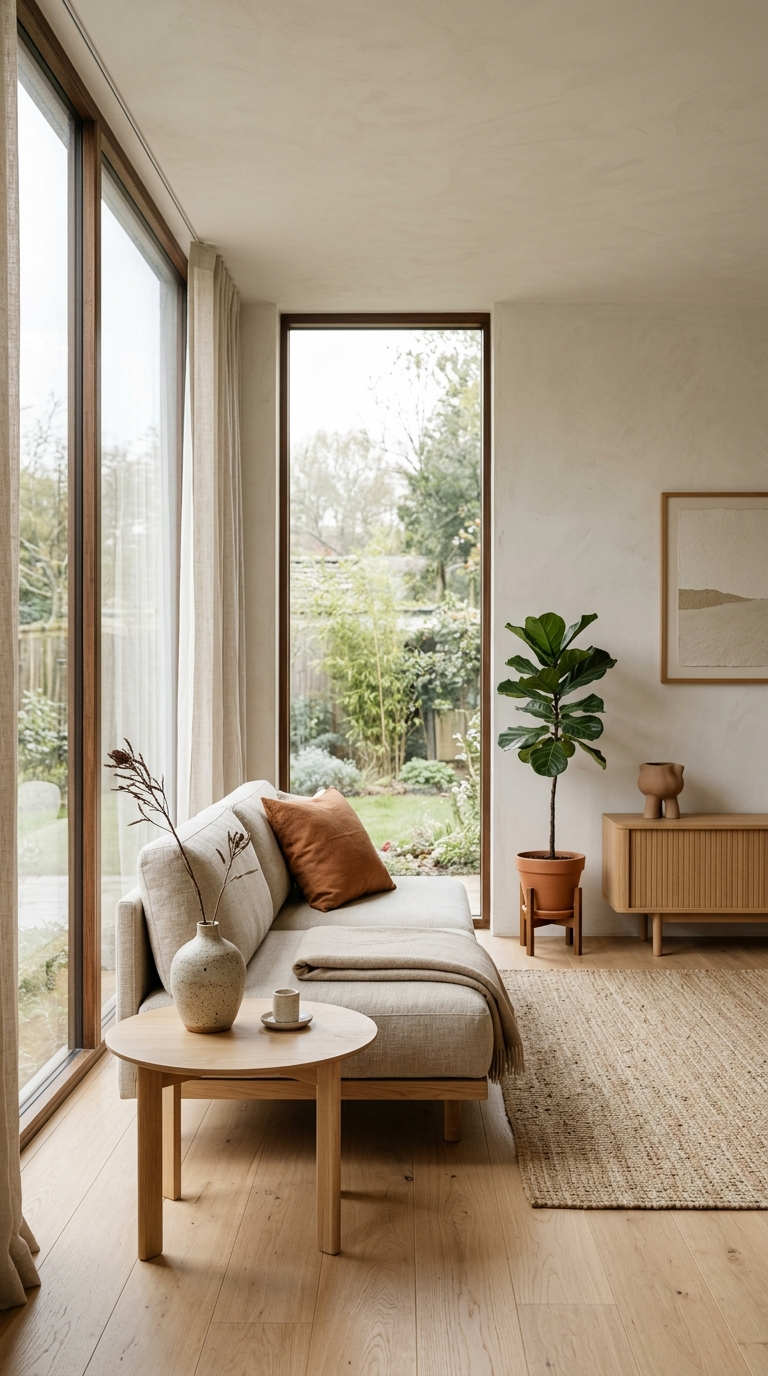
Nature-inspired design has moved from trend to essential element in 2026. Biophilic design goes far beyond simply adding a few houseplants—though those remain important. This year, we’re seeing living rooms that truly blur the boundaries between indoors and outdoors through thoughtful architectural choices and design strategies.
Large windows with minimal frames maximize natural light and views. Living walls and vertical gardens create stunning focal points while improving air quality. Natural materials like wood, stone, rattan, and cork dominate furniture and finishes. Organic shapes and curves replace sharp angles, creating spaces that feel more harmonious and calming. The result is living rooms that don’t just look beautiful but actually promote wellbeing and reduce stress.
Designers are also incorporating natural textures in unexpected ways—think jute-wrapped coffee tables, stone veneer accent walls, and linen upholstery in earthy tones. The color palette draws from nature: sage greens, warm terracottas, sandy beiges, and ocean blues. These elements work together to create spaces that feel grounded, peaceful, and deeply connected to the natural world.
Maximalism Makes a Bold Return
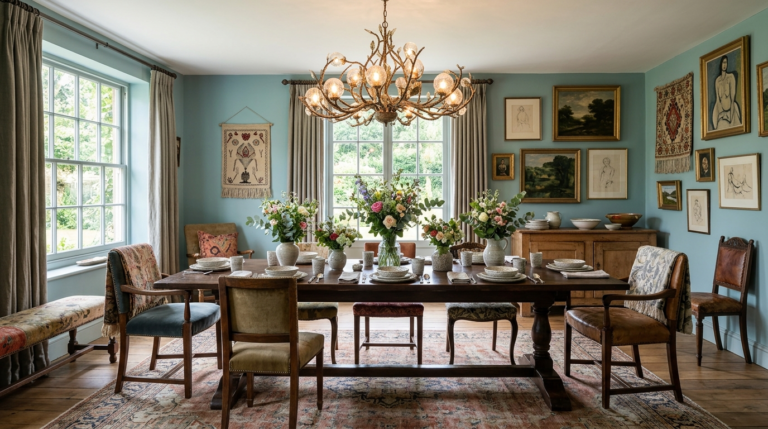
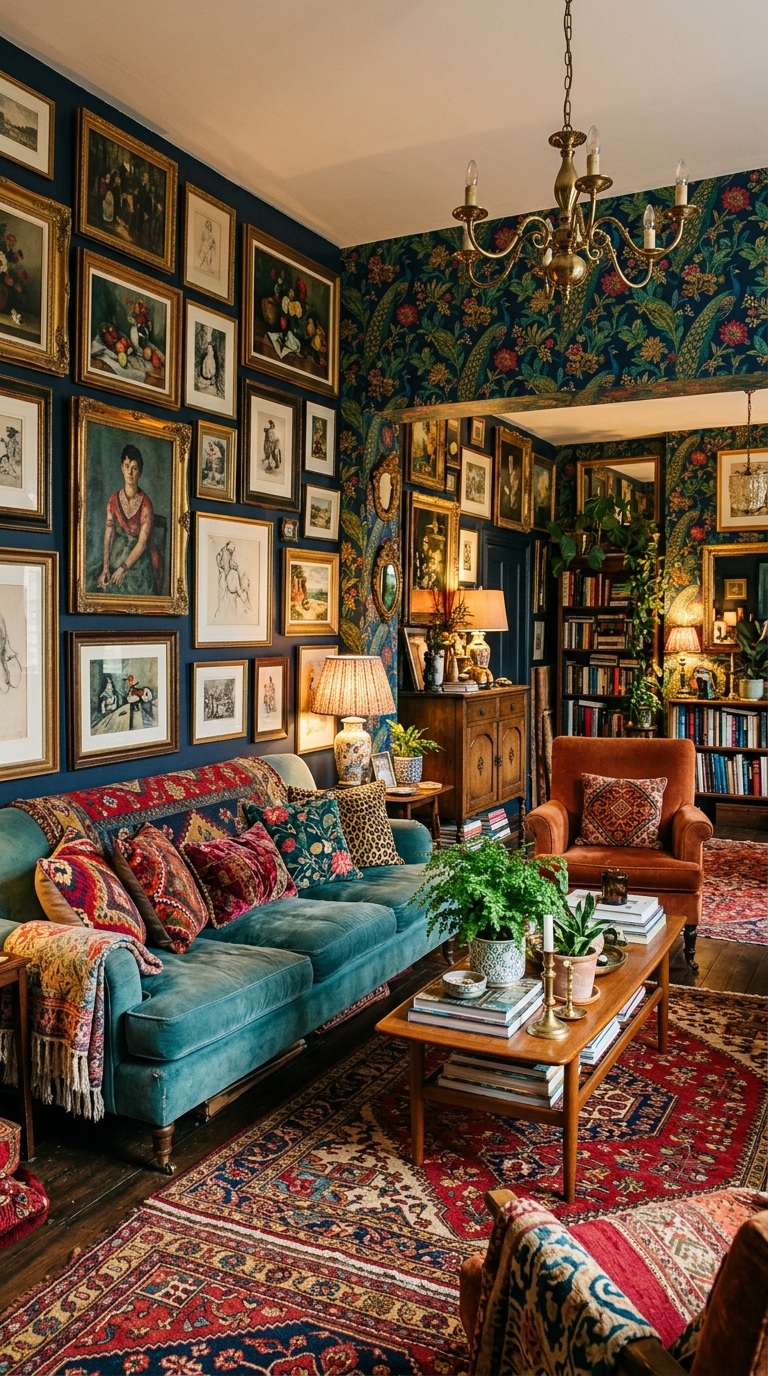
After years of minimalist dominance, maximalism is having a major moment in 2026. This isn’t about clutter or chaos—it’s about confident self-expression, rich layering, and creating spaces that tell your unique story. Maximalist living rooms embrace bold colors, mixed patterns, collected objects, and personal treasures displayed with intention.
Statement walls featuring dramatic wallpaper with oversized florals, geometric patterns, or artistic murals create instant impact. Layered rugs in complementary patterns add warmth and visual interest. Gallery walls evolve into full feature walls with eclectic mixes of art, mirrors, and objects. Collections are displayed proudly rather than hidden away—whether it’s vintage ceramics, travel souvenirs, or family heirlooms.
The key to successful maximalism is thoughtful curation and cohesive color stories. Choose a palette of 3-4 main colors and repeat them throughout the space in different patterns and textures. Mix vintage and contemporary pieces for depth. Don’t be afraid of color—rich jewel tones like emerald, sapphire, and amethyst are particularly popular this year, often paired with metallic accents in brass or gold.
Sustainable and Circular Design
Sustainability has evolved from a nice-to-have to a non-negotiable in 2026 living room design. Homeowners and designers alike are prioritizing eco-friendly materials, vintage and antique pieces, and furniture designed for longevity rather than disposability. This shift reflects growing environmental awareness and a desire for spaces that align with personal values.
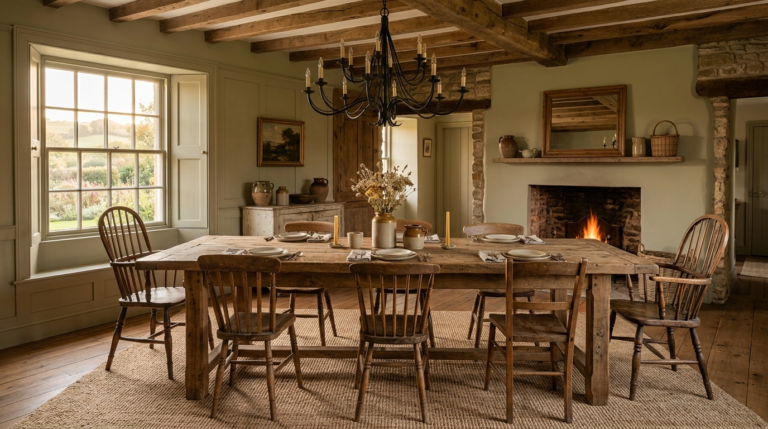
Reclaimed wood furniture, recycled metal accents, and organic textiles like hemp, linen, and organic cotton are increasingly popular. Vintage and antique pieces add character while reducing the demand for new manufacturing. When buying new, consumers seek out brands with transparent supply chains, ethical labor practices, and commitments to environmental responsibility.
The circular economy concept is gaining traction—designing spaces with pieces that can be repurposed, reupholstered, or passed down. Quality over quantity is the mantra. Investment pieces in timeless styles replace fast furniture. This approach not only benefits the planet but also creates more meaningful, personalized spaces with stories to tell.
Curved Furniture and Organic Shapes
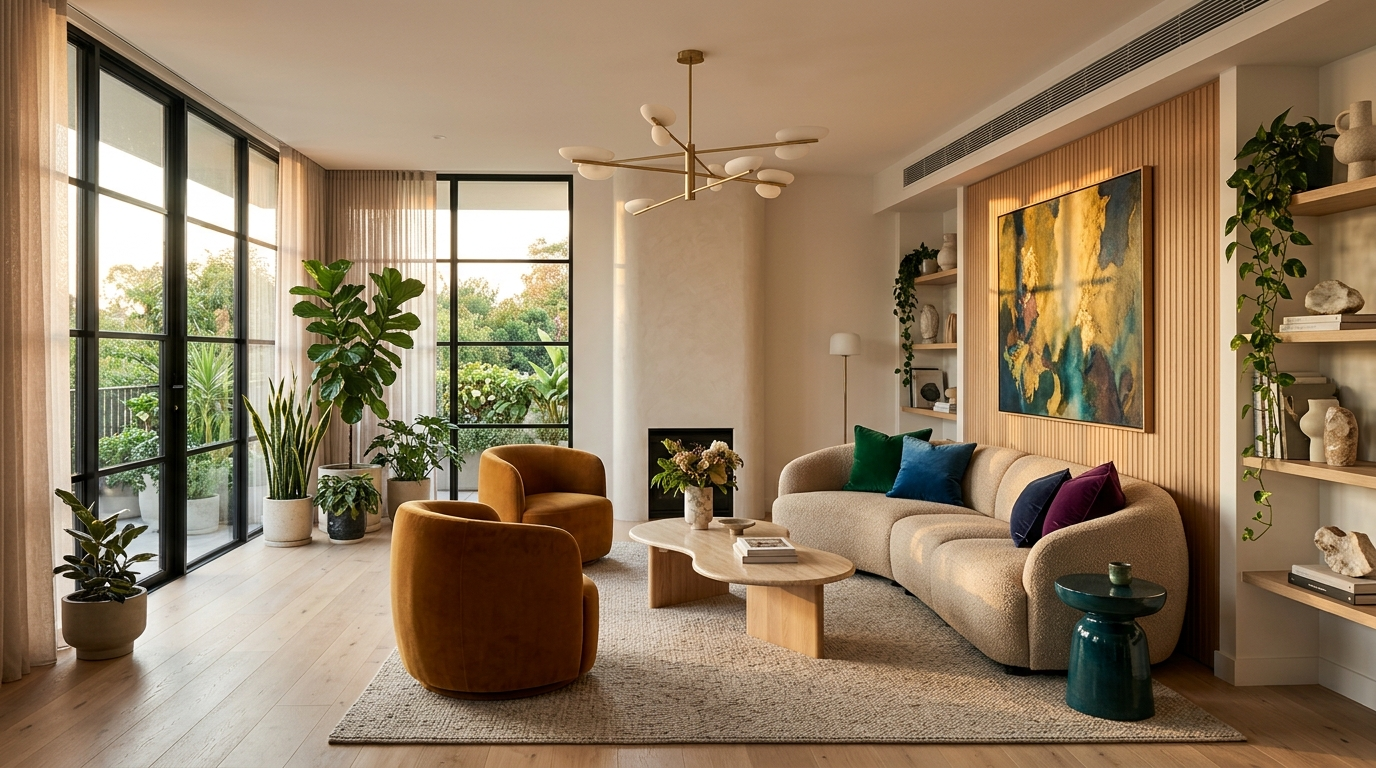
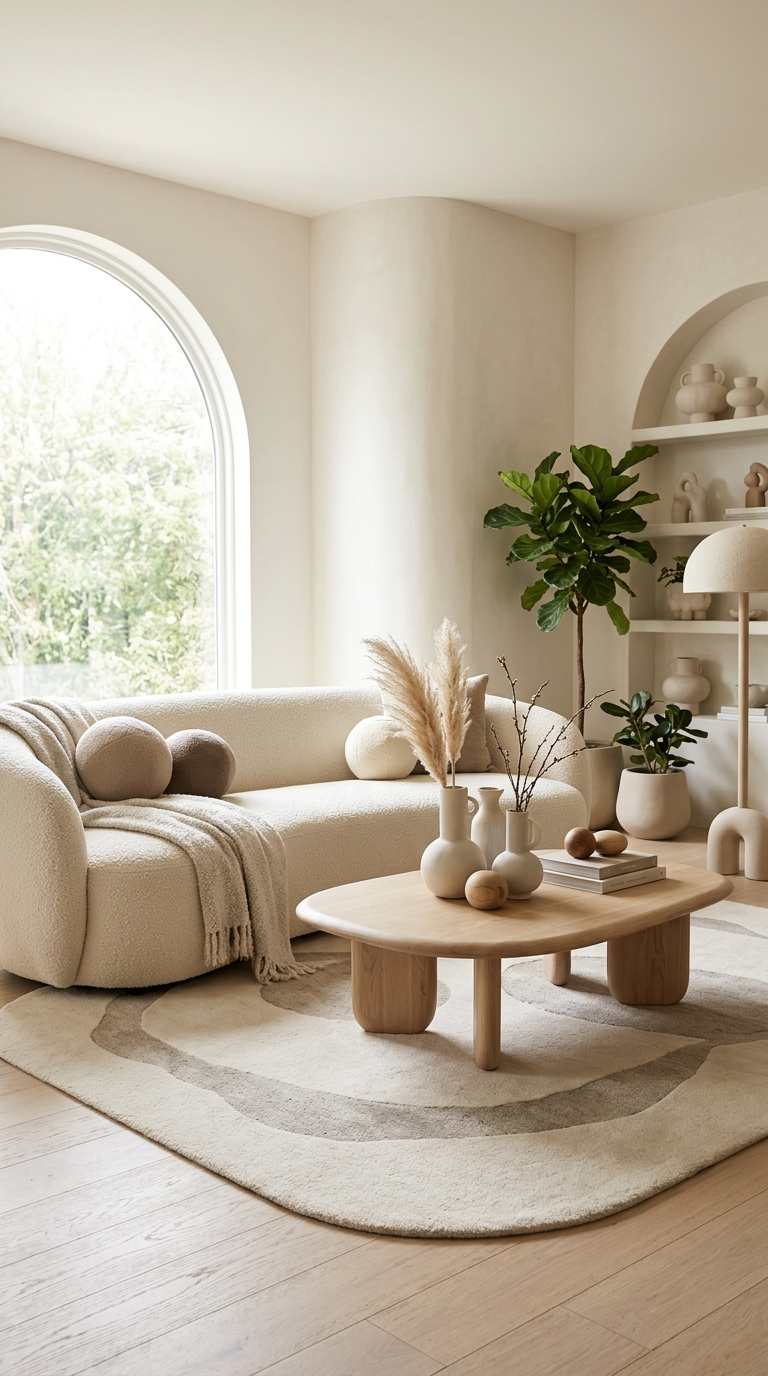
Sharp angles and rigid lines are giving way to soft curves and organic shapes in 2026. This trend reflects our collective desire for comfort, safety, and visual softness in our homes. Curved sofas, rounded coffee tables, arched doorways, and circular rugs create living rooms that feel more inviting and less formal.
Curved seating arrangements encourage conversation and create more intimate gathering spaces. Kidney-shaped coffee tables and oval side tables improve traffic flow and reduce the risk of bumps and bruises. Arched niches and built-ins add architectural interest while softening hard edges. Even lighting fixtures embrace curves with spherical pendants and organic-shaped floor lamps.
This trend works beautifully with the biophilic design movement, as curves mimic forms found in nature. The psychological impact is significant—curved spaces feel safer and more nurturing, promoting relaxation and wellbeing. In a world that often feels harsh and angular, these soft, flowing forms provide visual and emotional comfort.
Smart Technology Integration
Technology continues to reshape how we live, and 2026’s living rooms seamlessly integrate smart features without sacrificing aesthetics. The focus is on invisible technology—devices and systems that enhance functionality while remaining unobtrusive. Wireless charging surfaces, hidden speakers, and voice-controlled lighting and climate systems are becoming standard.
Smart TVs continue to improve, with thinner profiles and better integration into design schemes. Some homeowners opt for projector systems that disappear when not in use, maintaining clean walls. Motorized window treatments controlled by apps or voice commands optimize natural light and privacy. Smart thermostats and air quality monitors ensure optimal comfort and health.
The key is thoughtful integration—technology should serve the space, not dominate it. Concealed cable management, furniture designed with tech in mind, and devices that complement rather than clash with décor are essential. The most successful smart living rooms feel effortlessly modern without looking like showrooms.
Warm Minimalism and Japandi Style
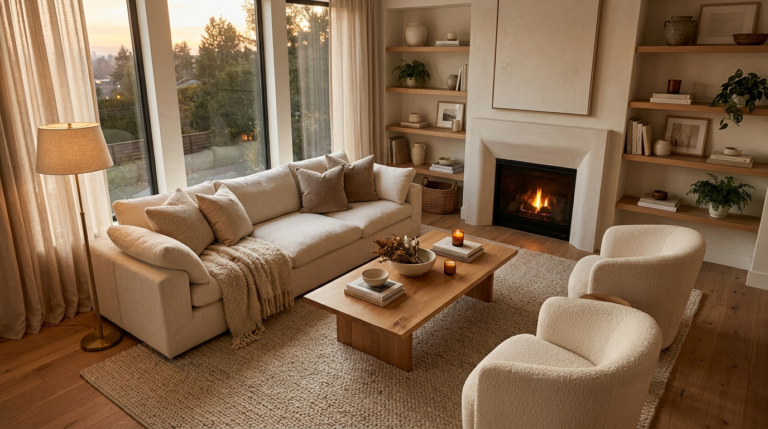
While maximalism gains popularity, a refined version of minimalism also thrives in 2026. Warm minimalism and Japandi style (a fusion of Japanese and Scandinavian design) offer an alternative for those who prefer calm, uncluttered spaces. This approach emphasizes quality over quantity, natural materials, and mindful curation.
Neutral color palettes in warm tones—cream, beige, soft browns, and warm grays—create serene backdrops. Natural wood in light to medium tones adds warmth. Textural variety prevents spaces from feeling sterile—think bouclé fabrics, woven baskets, ceramic vases, and linen textiles. Every piece is chosen with intention and has a purpose.
This style embraces the Japanese concept of ‘ma’—the beauty of negative space. Rooms breathe, with carefully considered empty areas that allow the eye to rest. Storage is cleverly concealed to maintain clean lines. The result is living rooms that feel peaceful, balanced, and deeply restorative—perfect sanctuaries from busy modern life.
Statement Lighting as Art
Sculptural Fixtures
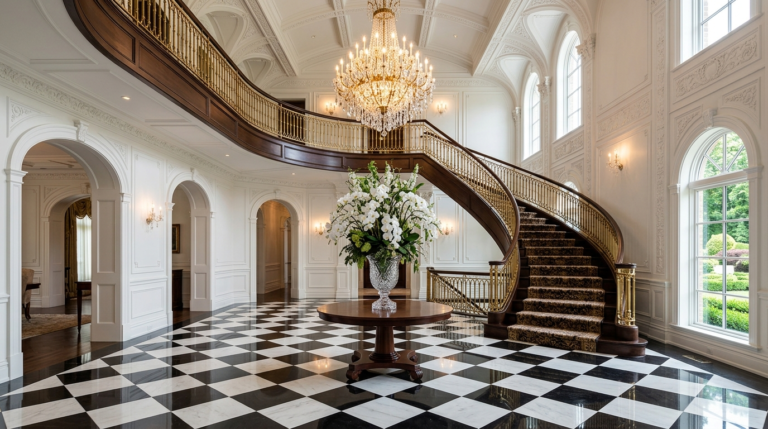
Lighting has evolved from purely functional to sculptural art in 2026. Statement light fixtures serve as focal points, conversation starters, and expressions of personal style. Oversized pendants, artistic chandeliers, and unique floor lamps transform living rooms into gallery-like spaces.
Popular styles include organic forms inspired by nature—branch-like chandeliers, cloud-shaped pendants, and fixtures resembling floating bubbles. Mixed materials create visual interest: brass and glass, wood and metal, ceramic and linen. Handcrafted and artisanal pieces are particularly valued for their uniqueness and human touch.
Layered lighting remains essential—combine statement fixtures with recessed lighting, table lamps, and floor lamps to create depth and flexibility. Dimmer switches allow mood adjustment throughout the day. The right lighting can completely transform a living room’s atmosphere, making it one of the most impactful design investments.
Textural Layering and Tactile Comfort
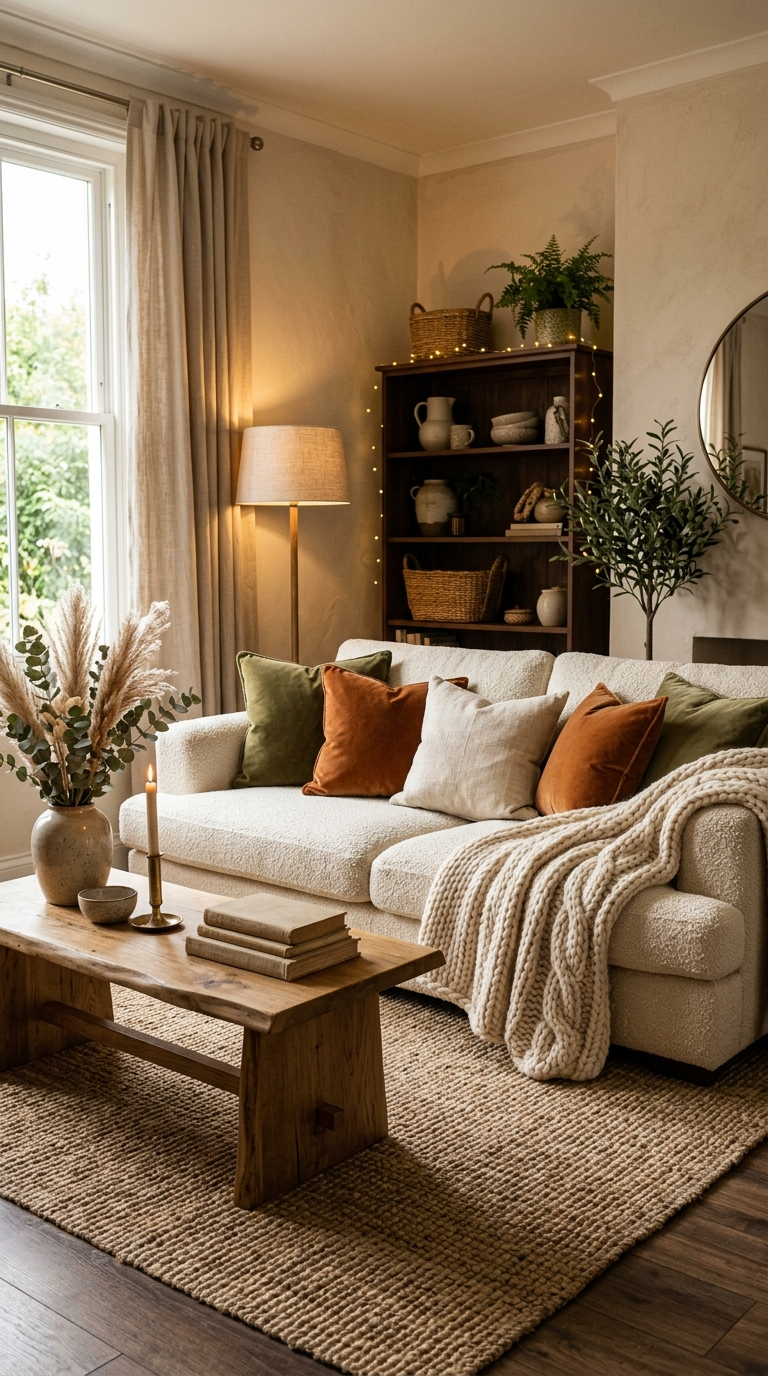
In our increasingly digital world, the desire for tactile, sensory experiences in our homes has intensified. 2026’s living rooms emphasize textural layering—combining multiple fabrics, finishes, and materials to create rich, inviting spaces that beg to be touched.
Bouclé upholstery continues its reign, paired with chunky knit throws, velvet pillows, and linen slipcovers. Natural fiber rugs in jute, sisal, or wool add warmth underfoot. Wooden furniture showcases natural grain and texture. Stone, ceramic, and metal accents provide contrasting smooth surfaces.
This trend creates living rooms that feel cozy and inviting while maintaining sophistication. The variety of textures adds visual interest even in neutral color schemes. It also appeals to our need for comfort and sensory satisfaction, making spaces feel more nurturing and homey.
Flexible and Multifunctional Spaces
The way we use our homes continues to evolve, and 2026’s living rooms reflect the need for flexibility. With remote work, homeschooling, and changing family dynamics, living rooms must serve multiple purposes while maintaining their primary function as gathering spaces.
Modular furniture that can be rearranged for different activities is increasingly popular. Sectionals with movable pieces, nesting tables, and ottomans with storage offer versatility. Dedicated zones within the living room—reading nooks, work corners, play areas—allow simultaneous activities without chaos.
Smart storage solutions keep the space organized despite multiple uses. Furniture that serves dual purposes—storage ottomans, coffee tables with lift-tops, console tables that expand into desks—maximizes functionality. The goal is creating adaptable spaces that respond to changing needs without sacrificing style or comfort.
Earthy Color Palettes with Pops of Jewel Tones
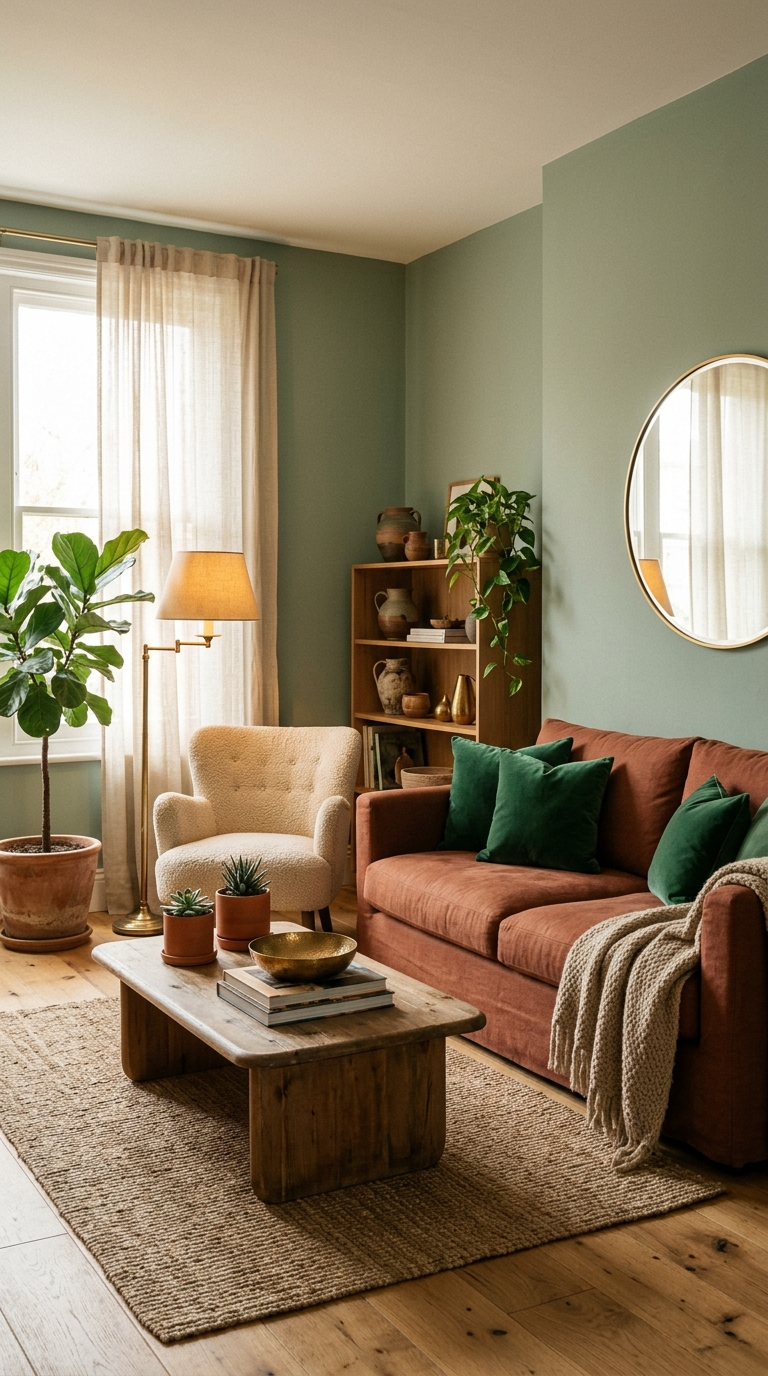
Color trends in 2026 reflect our desire for both grounding and excitement. Earthy, natural tones dominate as base colors—warm beiges, soft terracottas, sage greens, and rich browns create calming, grounded foundations. These are then punctuated with bold jewel tones that add drama and personality.
Deep emerald green, sapphire blue, amethyst purple, and ruby red appear in accent pieces—throw pillows, artwork, statement furniture, or feature walls. These rich colors create focal points and add sophistication. Metallic accents in brass, gold, or copper enhance the luxurious feel.
This color strategy allows for both serenity and excitement. The earthy tones create a peaceful backdrop for daily life, while jewel tones provide visual interest and opportunities for self-expression. It’s a balanced approach that satisfies our need for both calm and stimulation.
Personalized and Collected Aesthetics
Cookie-cutter, catalog-perfect rooms are out; deeply personal, collected-over-time spaces are in. 2026’s living rooms reflect individual personalities, histories, and passions. This trend celebrates imperfection, uniqueness, and the beauty of spaces that evolve organically.
Mixing design periods and styles creates visual interest and tells your story. A mid-century modern sofa pairs with an antique rug and contemporary art. Family heirlooms sit alongside modern acquisitions. Travel souvenirs, handmade crafts, and found objects are displayed with pride. The result is spaces that feel authentic and lived-in rather than staged.
This approach requires confidence and curation—it’s not about random accumulation but thoughtful selection. Each piece should have meaning or bring joy. The overall effect should feel cohesive despite the variety. This trend makes living rooms more interesting, more personal, and ultimately more satisfying to live in.
Creating Your Trend-Forward Living Room
As you consider these 2026 living room trends, remember that the best spaces reflect your personal style and meet your specific needs. You don’t need to incorporate every trend—choose the elements that resonate with you and adapt them to your taste and budget.
Start with the foundation: comfortable, quality seating in a style you love. Layer in textures, colors, and patterns gradually. Invest in good lighting. Add personal touches that make the space uniquely yours. Whether you lean toward biophilic design, maximalist expression, warm minimalism, or a mix of styles, the goal is creating a living room where you love to spend time.
These trends offer inspiration and direction, but your living room should ultimately feel like home—a space that supports your lifestyle, expresses your personality, and brings you joy every time you walk through the door. That’s the most important trend of all.