How to Build Decluttering Habits That Actually Stick
Clutter doesn’t accumulate overnight, and unfortunately, it won’t disappear overnight either. The secret to maintaining a clutter-free home isn’t a massive weekend purge followed by perfection—it’s building sustainable decluttering habits that become automatic parts of your daily life. If you’ve tried decluttering before only to find your home slowly creeping back into chaos, you’re not alone. The problem isn’t your willpower or organizational skills; it’s likely that you haven’t established the right systems and habits.
In this comprehensive guide, we’ll explore proven strategies for building decluttering habits that actually stick. You’ll learn how to create systems that work with your lifestyle, not against it. We’ll cover everything from the psychology of habit formation to practical daily routines that prevent clutter from accumulating. By the end, you’ll have a clear roadmap for transforming your relationship with your belongings and creating a home that stays organized with minimal effort.
Understanding the Habit Loop
Before diving into specific decluttering strategies, it’s essential to understand how habits work. According to habit research, every habit consists of three components: a cue, a routine, and a reward. The cue triggers the behavior, the routine is the behavior itself, and the reward is the benefit you gain from completing the behavior. To build lasting decluttering habits, you need to work with this loop, not against it.
For decluttering, effective cues might be finishing a meal (trigger for clearing the table), leaving a room (trigger for taking items that belong elsewhere), or completing a task (trigger for putting tools away). The routine is the actual decluttering action. The reward could be the satisfaction of a clean space, reduced stress, or simply the knowledge that future-you will be grateful.
The key is making the cue obvious, the routine easy, and the reward satisfying. When all three elements align, habits form naturally and stick long-term. Let’s explore how to apply this framework to decluttering specifically.
The One-Minute Rule
One of the simplest yet most powerful decluttering habits is the one-minute rule: if a task takes less than one minute, do it immediately. Hang up your coat when you come home. Wash your coffee cup right after use. Put mail in the recycling or filing system immediately. File documents as soon as you’re done with them.
This habit prevents small tasks from accumulating into overwhelming piles. It’s based on the understanding that the mental energy required to remember and track these small tasks often exceeds the effort of simply doing them now. Plus, completing these quick tasks provides immediate satisfaction, reinforcing the habit loop.
Start by identifying the one-minute tasks in your daily routine. Make a list if helpful. Then commit to doing them immediately, every time. It will feel challenging at first, but within a few weeks, it will become automatic. You’ll be amazed at how much clutter this simple habit prevents.
Create Designated Homes for Everything
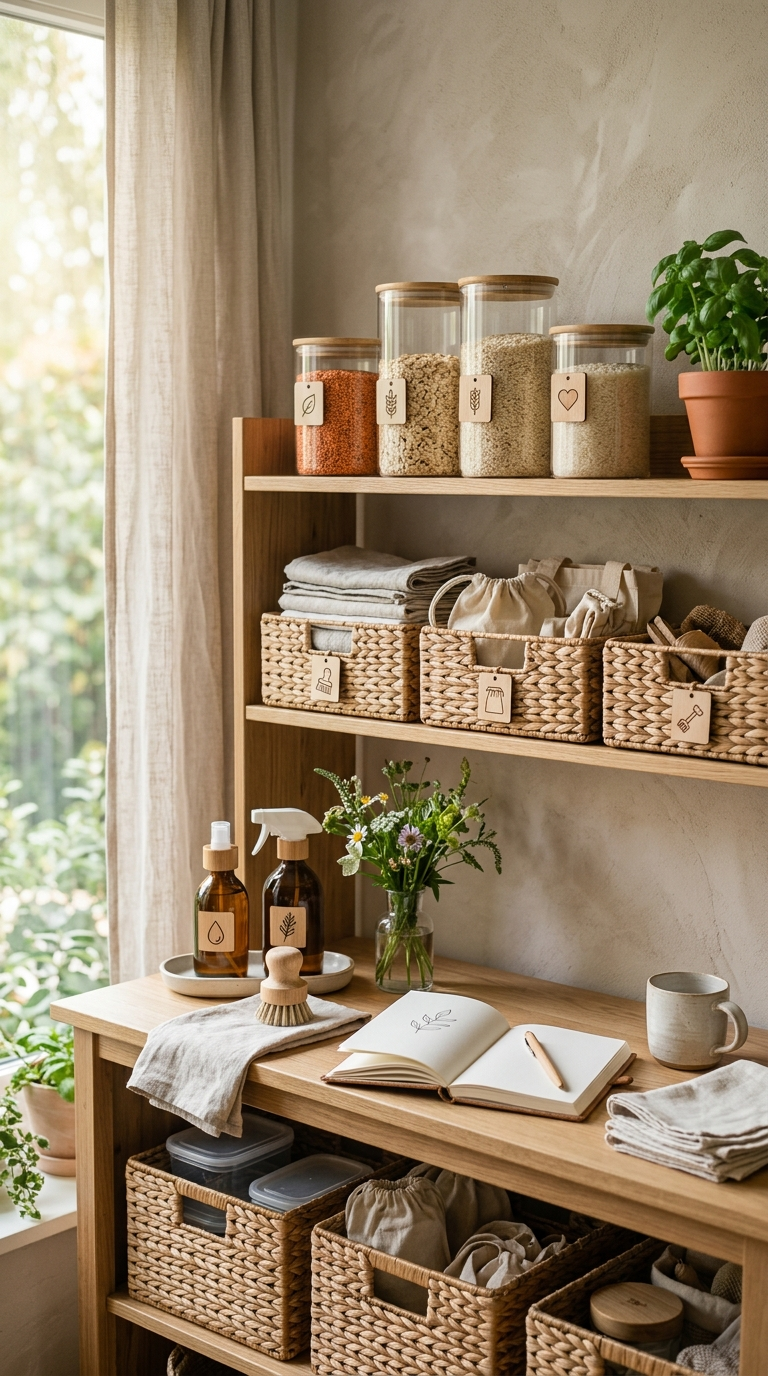
Clutter accumulates when items don’t have designated homes. If something doesn’t have a specific place where it belongs, it will inevitably end up on counters, tables, or floors. The solution is simple but requires initial effort: give everything a home.
Go through your belongings category by category. For each item, decide where it should live when not in use. Be specific—’kitchen’ is too vague; ‘second drawer to the left of the sink’ is perfect. Consider frequency of use when assigning locations. Daily items should be easily accessible; seasonal or occasional items can be stored in less convenient locations.
Once everything has a home, the habit becomes simple: always return items to their designated spot after use. This might seem obvious, but without designated homes, this habit is impossible. The initial work of assigning homes pays dividends every single day as maintaining order becomes effortless.
The Daily 15-Minute Reset
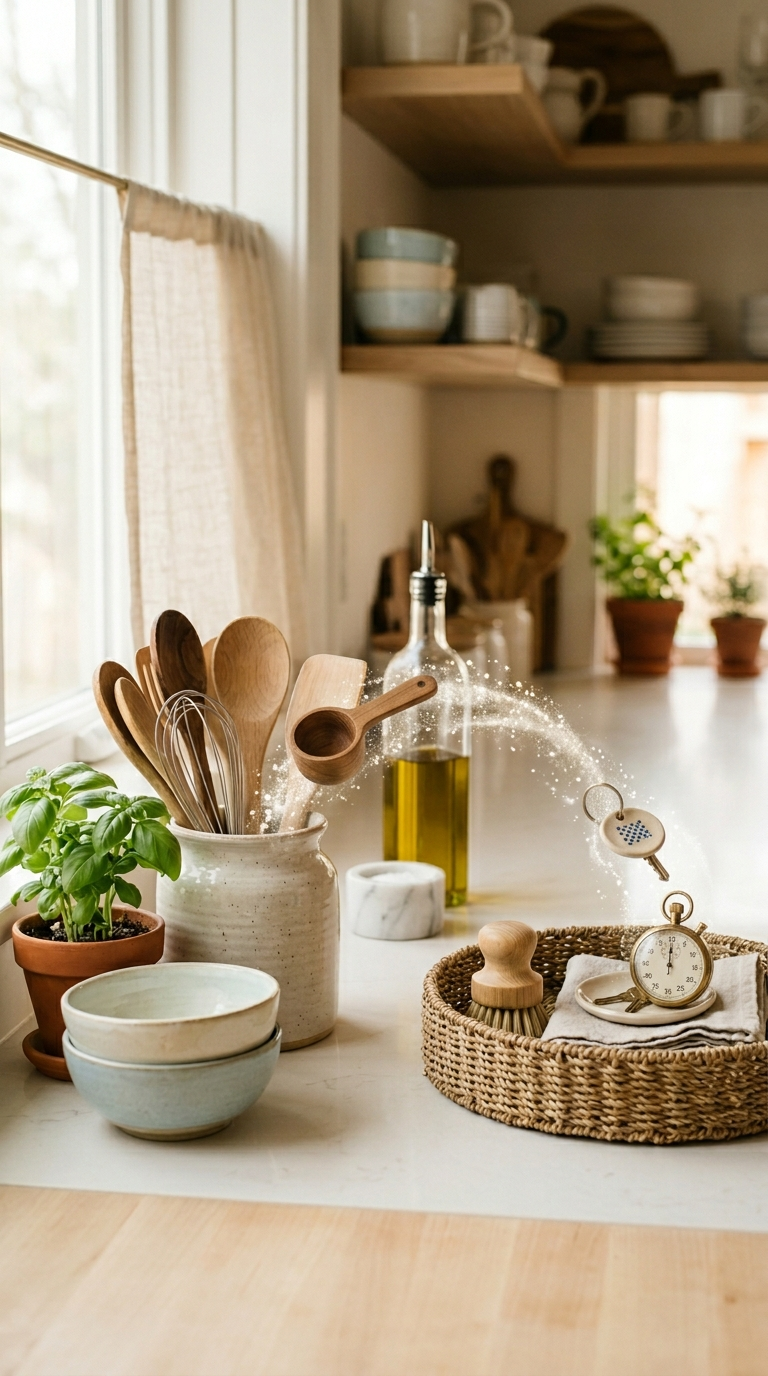
Even with the best habits, some clutter will accumulate throughout the day. The daily 15-minute reset is a habit that prevents this from becoming overwhelming. Set a timer for 15 minutes each evening and use that time to return your home to baseline order.
During your reset, focus on high-impact areas: clear kitchen counters, tidy the living room, ensure the entryway is organized, and prepare for tomorrow. Put away items that wandered throughout the day. Wipe down surfaces. Load the dishwasher. This habit ensures you wake up to an organized home every morning, setting a positive tone for the day.
Make this habit enjoyable by pairing it with something you like—listen to music, a podcast, or an audiobook while you reset. The 15-minute limit is crucial; it’s short enough to feel manageable but long enough to make a real difference. Consistency matters more than perfection—do your reset every day, even if some days you only manage 10 minutes.

The One-In, One-Out Rule
Preventing new clutter is just as important as eliminating existing clutter. The one-in, one-out rule is a simple habit that maintains equilibrium: for every new item you bring into your home, remove one similar item. Buy a new shirt? Donate an old one. Purchase a new book? Pass along one you’ve read.
This habit serves multiple purposes. It prevents accumulation, forces mindful consumption, and ensures regular decluttering. It also makes decision-making easier—you’re not deciding whether to keep everything, just which items serve you best.
Be flexible with the rule when necessary. You might do one-in, two-out for categories where you tend to accumulate. Or you might batch the process, bringing in several items then removing several at once. The principle remains: maintain balance between what comes in and what goes out.
Weekly Decluttering Sessions
While daily habits prevent clutter accumulation, weekly sessions address items that slip through the cracks. Schedule a 30-minute weekly decluttering session where you focus on one specific area or category. This might be your email inbox, the junk drawer, your closet, or digital photos.
Rotate through different areas each week. Create a schedule if helpful—week one: kitchen drawers; week two: bathroom cabinets; week three: closet; week four: paperwork. This systematic approach ensures everything gets attention regularly without becoming overwhelming.
Make these sessions productive by preparing in advance. Have donation bags, recycling bins, and trash bags ready. Set a timer to maintain focus. Play energizing music. The goal is consistent progress, not perfection. Even 30 minutes weekly adds up to 26 hours of decluttering annually—that’s significant!
Master the Art of the Quick Decision
One reason clutter persists is decision paralysis—we hold onto items because we can’t decide what to do with them. Building the habit of quick, confident decision-making is essential for maintaining a clutter-free home. When you encounter an item, ask yourself three questions: Do I use this? Do I love this? Does this serve a purpose in my life?
If the answer to all three is no, let it go. If yes to any, keep it. Avoid the ‘maybe’ category—maybe items become clutter. If you’re truly uncertain, create a maybe box with a date three months in the future. If you haven’t needed anything from the box by that date, donate it unopened.
Practice making these decisions quickly. Spend no more than 30 seconds per item. Your first instinct is usually correct. The more you practice, the easier and faster it becomes. This habit transforms decluttering from an overwhelming task into a series of simple, quick decisions.
Implement the Four-Box Method
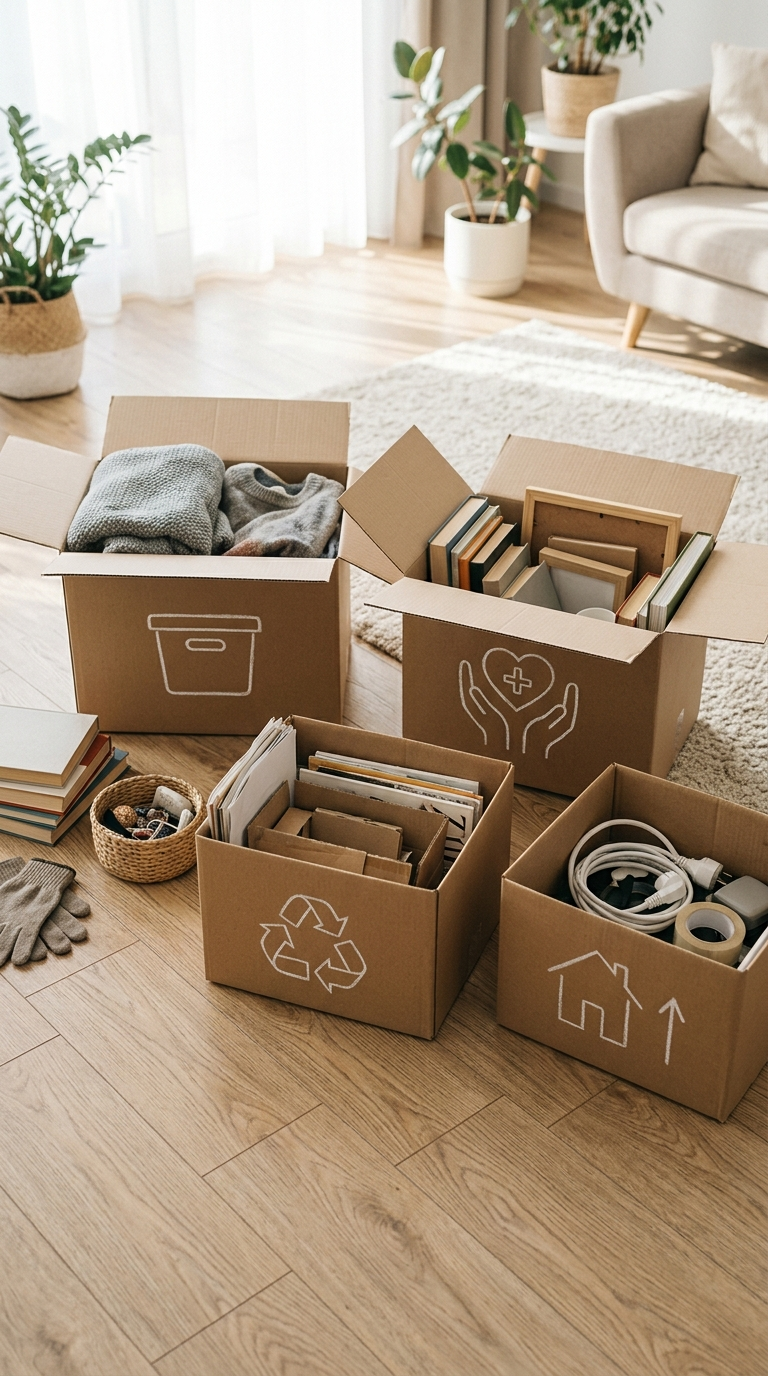
When decluttering any area, always use the four-box method. Label four containers: Keep, Donate/Sell, Trash, and Relocate. As you sort through items, place each one in the appropriate box immediately. This prevents the common mistake of creating piles that just get shuffled around.
The Relocate box is crucial—it holds items that belong in other rooms. This allows you to stay focused on the area you’re decluttering without wandering around the house. Once you finish, take the Relocate box and put everything away in its proper home.
Make this a habit for every decluttering session. Have your boxes ready before you start. Deal with each box immediately after sorting—put Keep items away, schedule donation drop-off, take out trash, and relocate items. Don’t let the boxes become permanent fixtures; they’re tools for action, not storage.

Create Visual Reminders and Cues
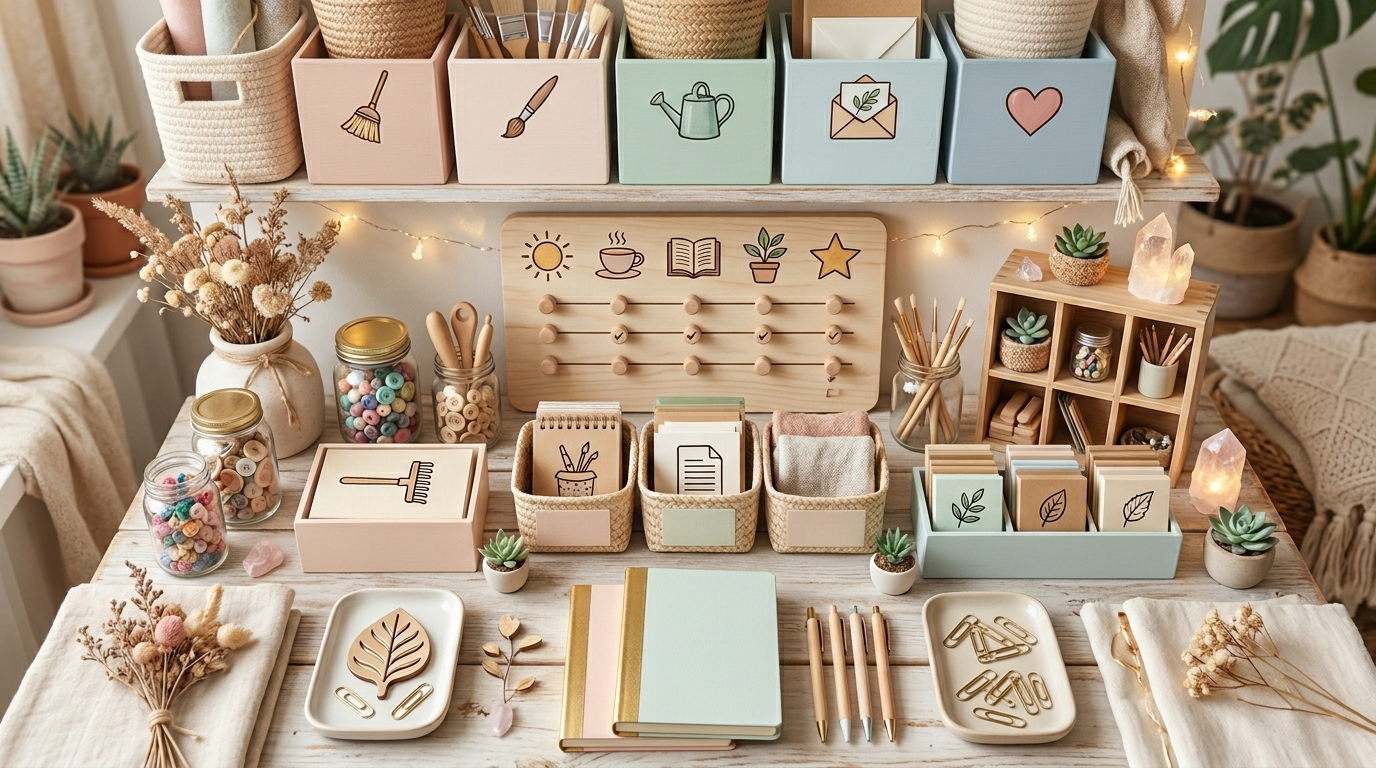
New habits need support, especially in the beginning. Create visual reminders that cue your decluttering behaviors. Place a small basket by the door for items that need to leave the house. Keep a donation bag in your closet. Set phone reminders for your weekly decluttering session.
Use sticky notes with encouraging messages. Create a decluttering checklist and post it somewhere visible. Take before and after photos of organized spaces to remind yourself of your progress. These visual cues keep decluttering top-of-mind and make it easier to maintain your new habits.
As habits become automatic, you’ll need these reminders less. But in the beginning, they’re essential scaffolding. Don’t skip this step—make it easy for yourself to remember and execute your decluttering habits.
Track Your Progress
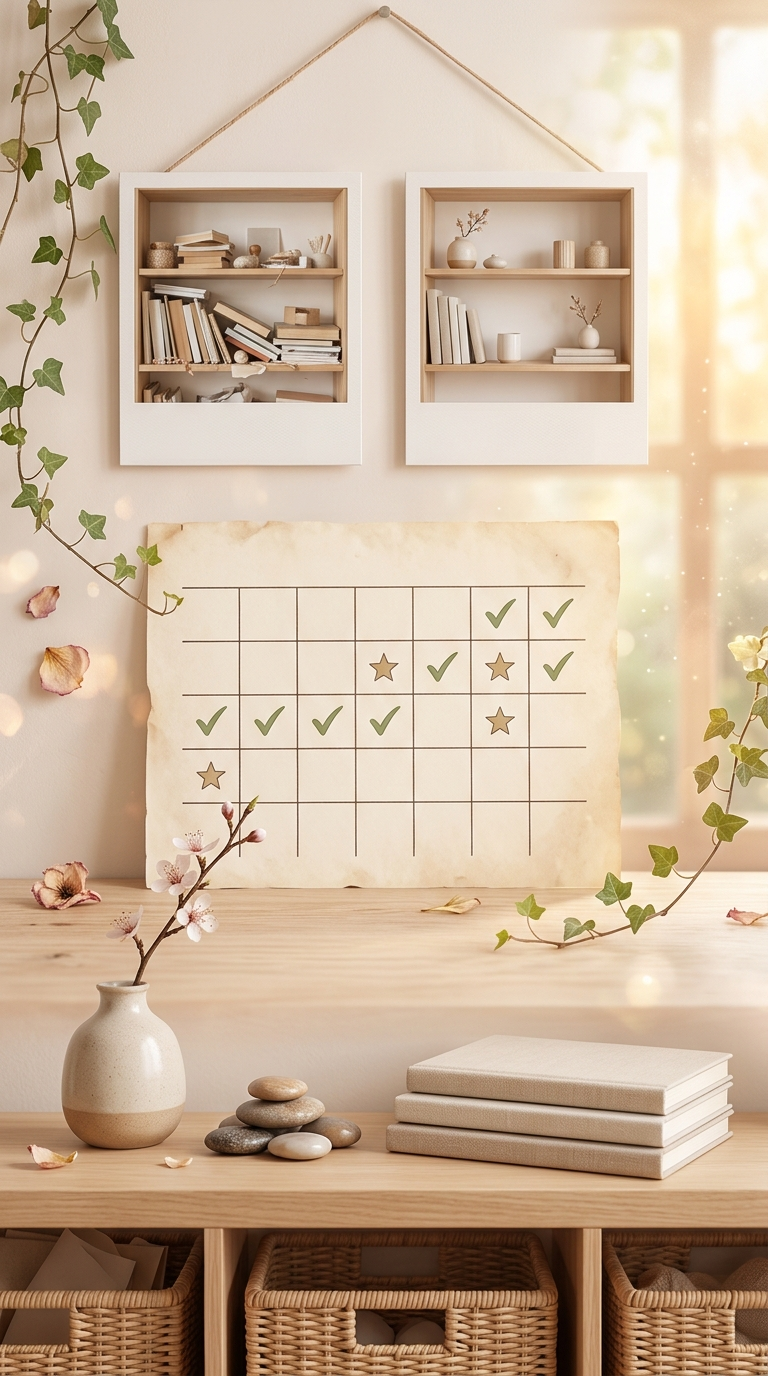
What gets measured gets managed. Track your decluttering progress to maintain motivation and see how far you’ve come. This could be as simple as a calendar where you mark each day you complete your 15-minute reset. Or create a more detailed tracker noting areas decluttered, bags donated, or hours invested.
Take photos of your progress. Visual evidence of transformation is incredibly motivating. Create a digital folder or physical album showing before and after images. Review these regularly, especially when motivation wanes.
Celebrate milestones. When you complete decluttering a major area, acknowledge it. Share your success with friends or on social media if that motivates you. Reward yourself in ways that don’t involve acquiring more stuff—perhaps a massage, a nice meal out, or time dedicated to a hobby.
Build Accountability
Accountability dramatically increases the likelihood of habit success. Find a decluttering buddy—someone with similar goals who will check in regularly. Share your progress, challenges, and victories. Schedule virtual or in-person decluttering sessions together.
Join online communities focused on decluttering and minimalism. These groups provide support, inspiration, and accountability. Share your journey, ask questions, and learn from others. The sense of community makes the process more enjoyable and sustainable.
Consider hiring a professional organizer for initial guidance or periodic check-ins. Even a few sessions can provide structure and accountability that accelerates your progress. The investment often pays for itself in time saved and results achieved.
Practice Self-Compassion
Building new habits is challenging, and setbacks are inevitable. You’ll miss your daily reset. You’ll buy something unnecessary. You’ll let clutter accumulate. This doesn’t mean you’ve failed—it means you’re human. Practice self-compassion rather than self-criticism.
When you slip up, acknowledge it without judgment, then simply begin again. Don’t let one missed day become a missed week. Don’t let one cluttered room become a cluttered house. Each moment is a new opportunity to choose your habits.
Remember why you started. Connect with your deeper motivations—more time, less stress, a peaceful home, setting a good example for your children. These ‘why’ reasons will sustain you through challenges. Be patient with yourself. Habit formation takes time—research suggests an average of 66 days for a behavior to become automatic. Trust the process and keep going.
Your Decluttering Habit Action Plan
Now that you understand the strategies, it’s time to create your personalized action plan. Start small—choose one or two habits to focus on initially. Perhaps the one-minute rule and daily 15-minute reset. Master these before adding more.
Write down your specific plan: which habits, when you’ll practice them, what cues you’ll use, how you’ll track progress. Post this plan somewhere visible. Share it with someone who will support your goals.
Remember, building decluttering habits is a journey, not a destination. Be consistent, be patient, and be kind to yourself. These habits will transform not just your home, but your life. You’ll have more time, less stress, and a space that truly supports your wellbeing. Start today—your future self will thank you.

