Beautiful Outdoor Spaces and Garden Ideas to Inspire You
There’s something profoundly magical about stepping into a beautifully designed outdoor space. Whether it’s a sprawling garden bursting with color, a cozy patio perfect for morning coffee, or a whimsical backyard retreat that feels worlds away from daily stresses, well-designed outdoor spaces have the power to transform how we live, relax, and connect with nature. Your outdoor area is more than just an extension of your home—it’s an opportunity to create a personal sanctuary that reflects your style and enhances your quality of life.
In this comprehensive guide, we’ll explore enchanting outdoor and garden ideas that will inspire you to transform your own space. From intimate courtyard gardens to expansive landscape designs, from practical organization solutions to purely aesthetic enhancements, you’ll discover countless ways to create an outdoor environment that brings you joy. Whether you’re working with a tiny balcony or acres of land, these ideas will help you maximize your space’s potential and create something truly special.
Creating Your Outdoor Oasis: The Foundation
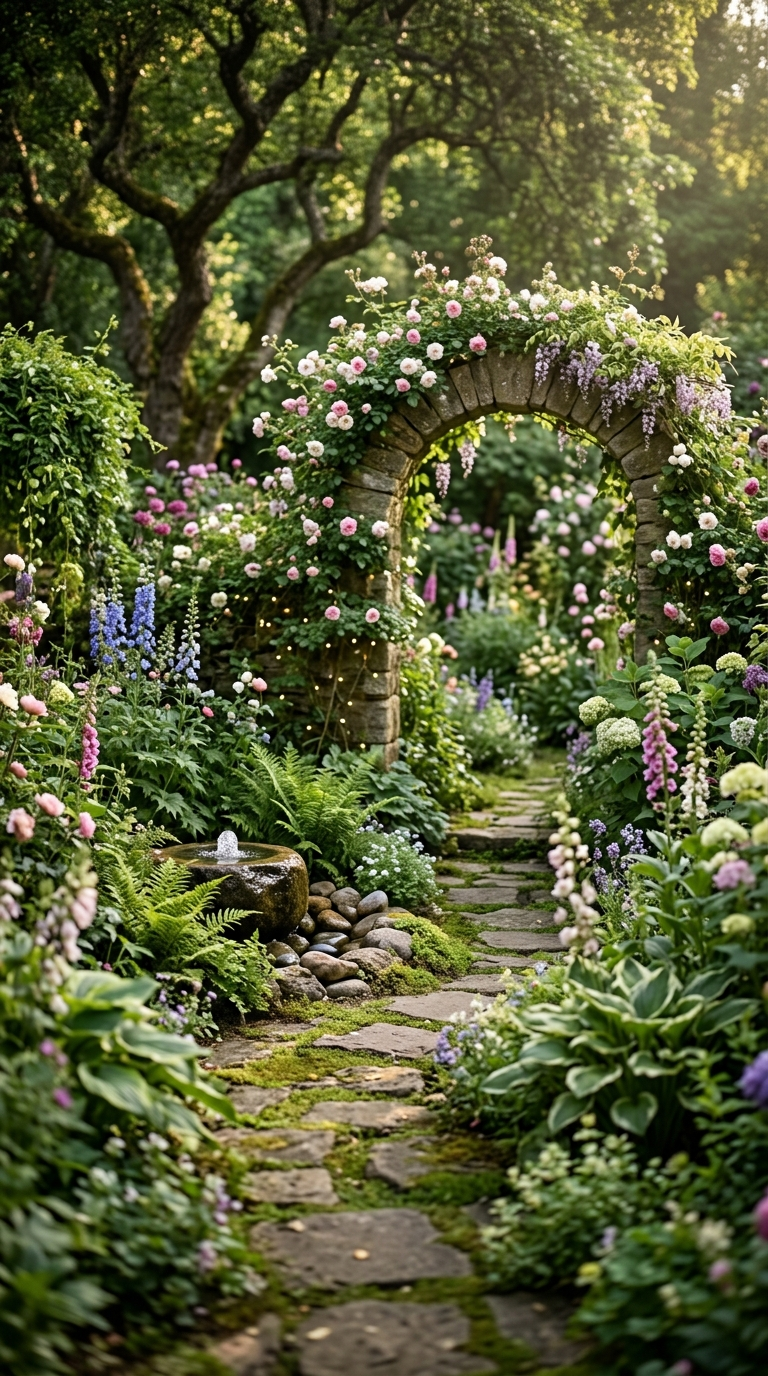
Before diving into specific design elements, it’s essential to understand your space and vision. Start by assessing what you have: note the size, shape, sun exposure, soil quality, and existing features. Consider how you want to use the space—entertaining guests, growing vegetables, creating a play area for children, or simply finding a peaceful retreat for reading and relaxation.
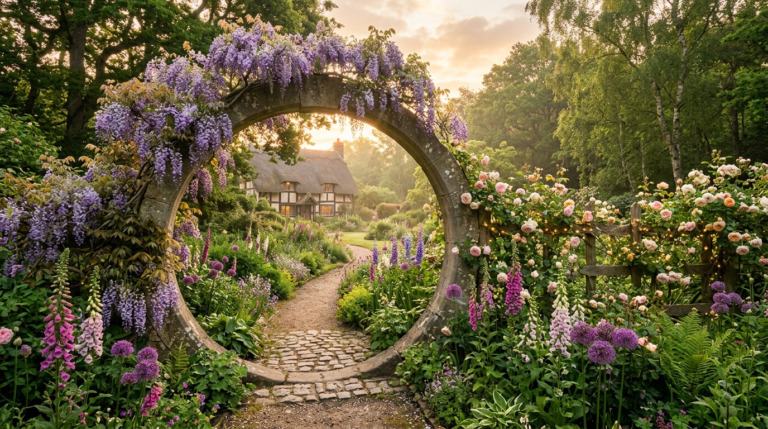
Think about the style that resonates with you. Do you dream of an English cottage garden overflowing with romantic blooms? A modern minimalist space with clean lines and strategic plantings? A tropical paradise with lush foliage and water features? A rustic retreat with natural materials and wild meadows? Your outdoor space should feel like a natural extension of your indoor style while embracing the unique possibilities that outdoor living offers.
Consider the practical aspects as well. What’s your budget? How much time can you dedicate to maintenance? What’s your climate and growing season? Being realistic about these factors from the start will help you create a space that’s not only beautiful but also sustainable and enjoyable long-term.
The Power of Layered Planting
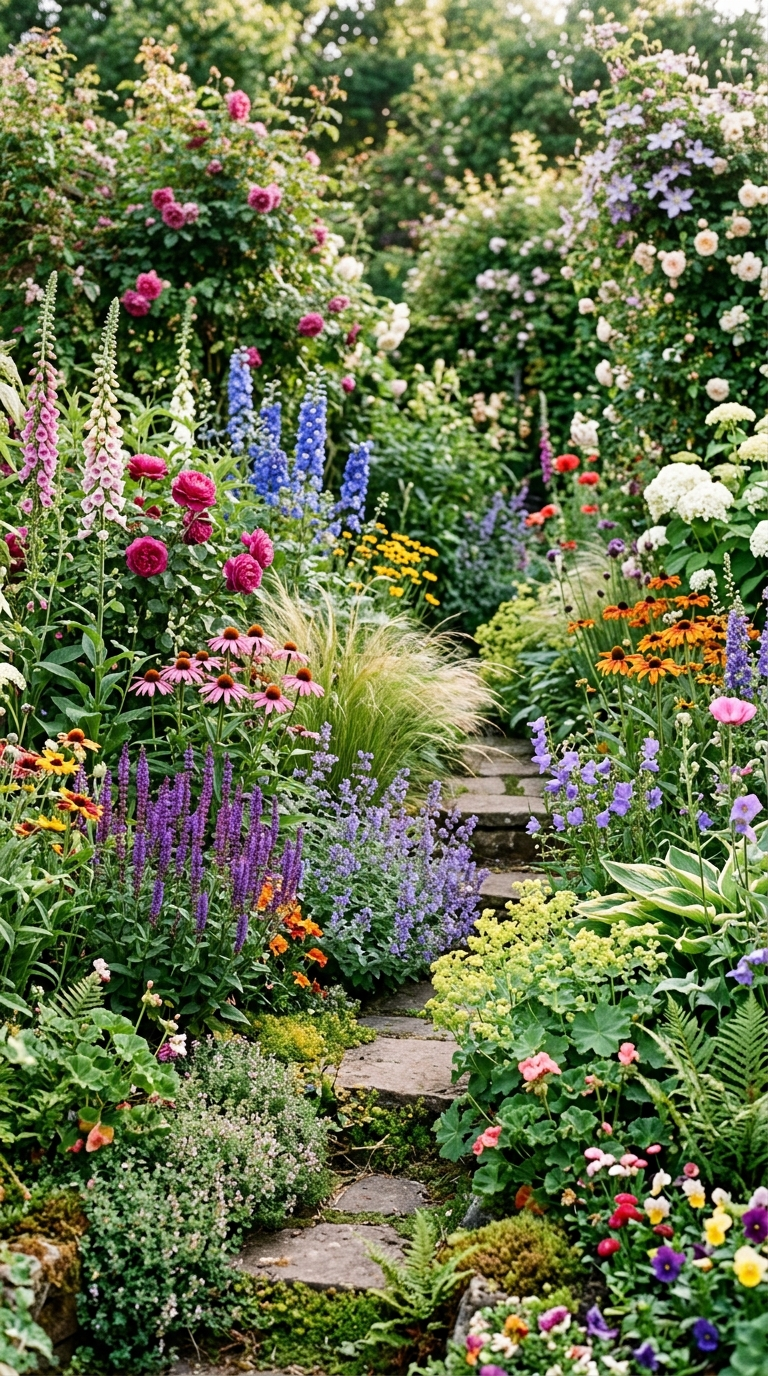
One of the most transformative techniques in garden design is layered planting. This approach creates depth, visual interest, and a sense of abundance. Start with structural elements—trees, large shrubs, or architectural features that provide the framework for your design. These are your anchor points that give the space definition and year-round interest.
Add mid-layer plantings—medium-sized shrubs, perennials, and ornamental grasses that fill in the space and provide seasonal color and texture. Finally, incorporate ground covers, low-growing perennials, and annuals that spill over edges and fill gaps. This layering creates a lush, full appearance that feels intentional and designed rather than random.
Don’t forget vertical layers! Climbing plants on trellises, hanging baskets, and tall specimens create interest at eye level and above. This is especially important in small spaces where maximizing every dimension makes the area feel larger and more dynamic. Vines on walls, tall grasses swaying in the breeze, and trees providing canopy all contribute to the layered effect.
Creating Intimate Outdoor Rooms
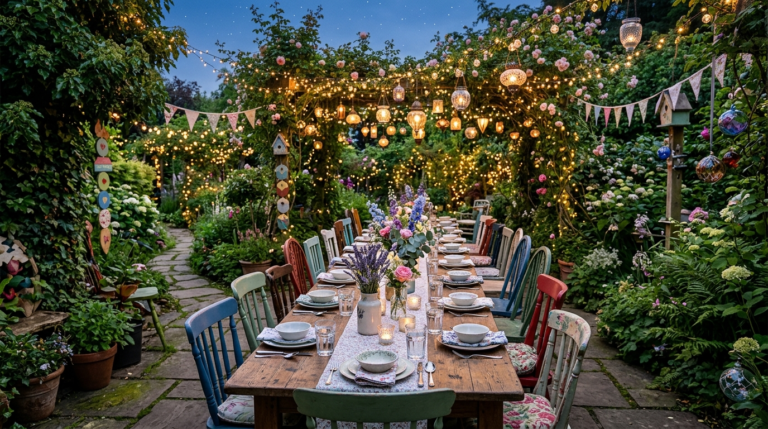
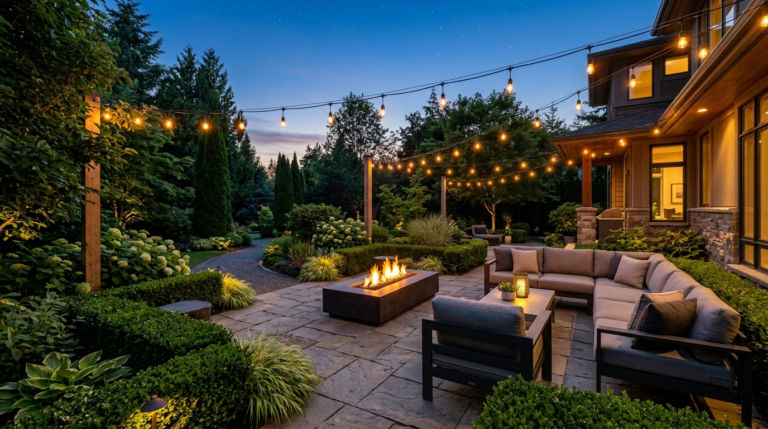
Think of your outdoor space as a series of rooms, each with its own purpose and personality. This approach works beautifully for larger areas but can also be adapted to smaller spaces. Create distinct zones for different activities: a dining area, a lounging space, a garden work area, a fire pit gathering spot, or a meditation corner.
Define these outdoor rooms using various techniques. Paving materials can delineate spaces—stone patio for dining, gravel path for walking, lawn for play. Plantings create natural walls and partitions. Pergolas, arbors, and gazebos provide overhead definition and a sense of enclosure. Even changes in elevation, like raised beds or sunken seating areas, help create distinct zones.
Furniture arrangement also defines spaces. A dining table and chairs clearly indicate an eating area. A cluster of comfortable seating around a fire feature creates a conversation zone. Yoga mats or a meditation bench in a quiet corner establish a wellness space. Each ‘room’ should feel intentional and inviting, encouraging you to use different parts of your outdoor area for different purposes.
The Magic of Water Features
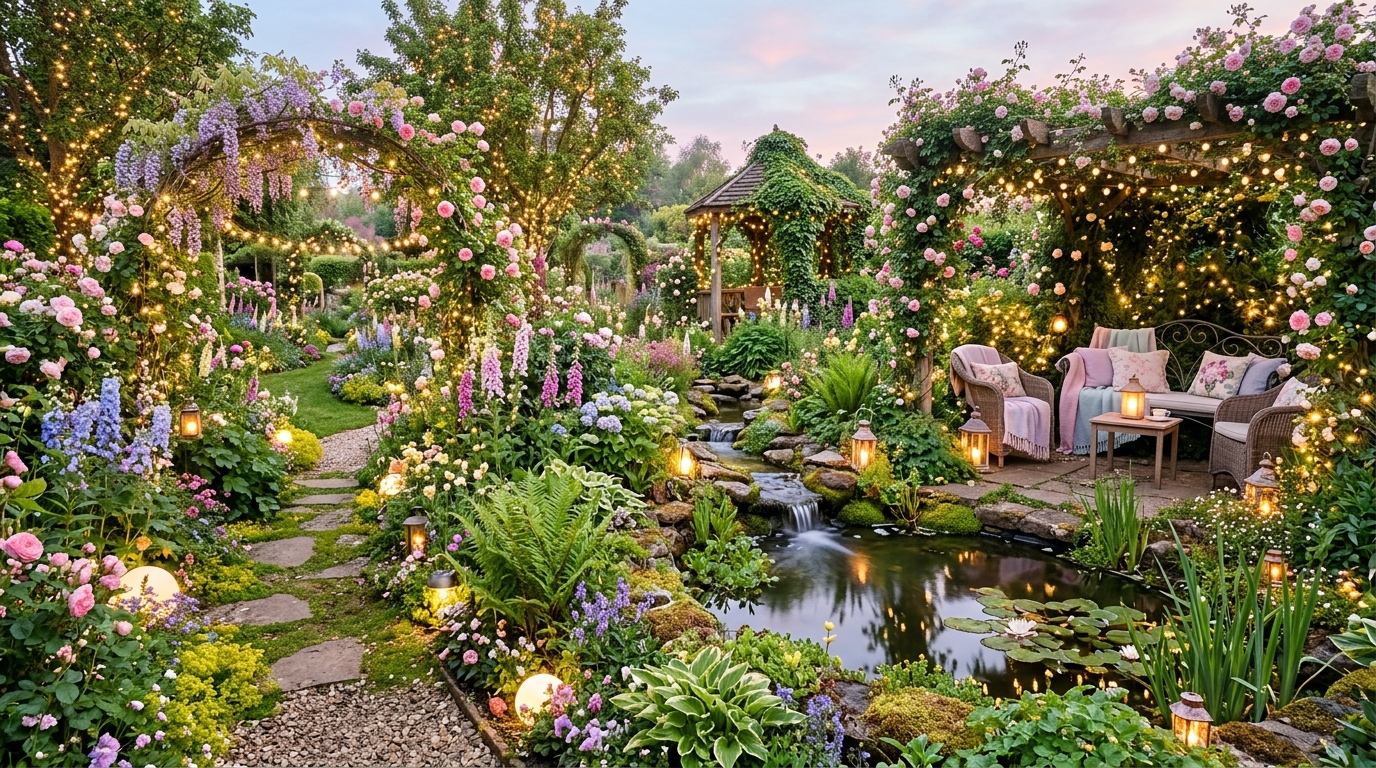
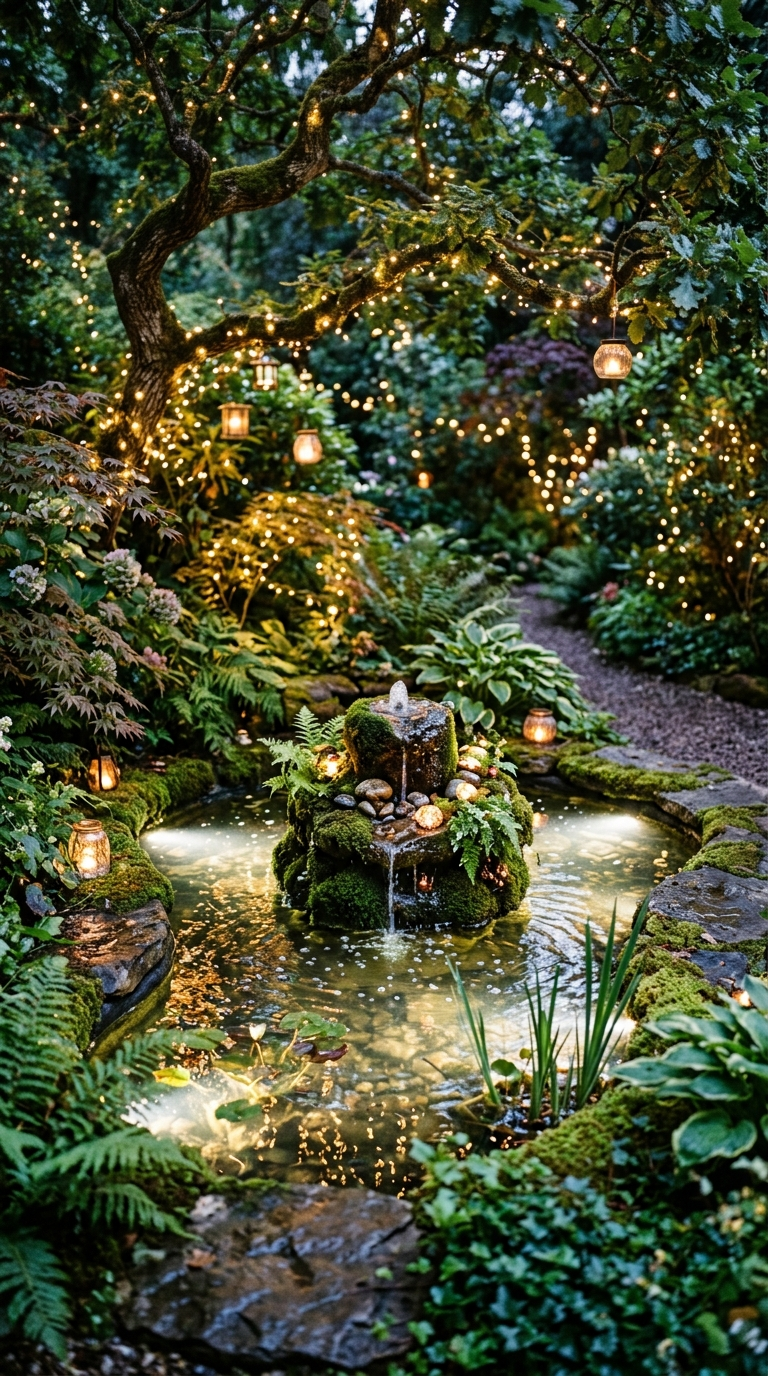
Water features add an element of tranquility and sensory pleasure to any outdoor space. The sound of moving water masks unwanted noise, creates a calming atmosphere, and attracts birds and beneficial wildlife. From grand fountains to simple bubbling pots, water features come in endless varieties to suit any style and budget.
Consider a birdbath as an accessible entry point—it’s functional, beautiful, and brings life to your garden. A small recirculating fountain adds movement and sound without requiring extensive plumbing. A pond, even a modest container pond, creates an entire ecosystem and becomes a focal point that draws the eye.
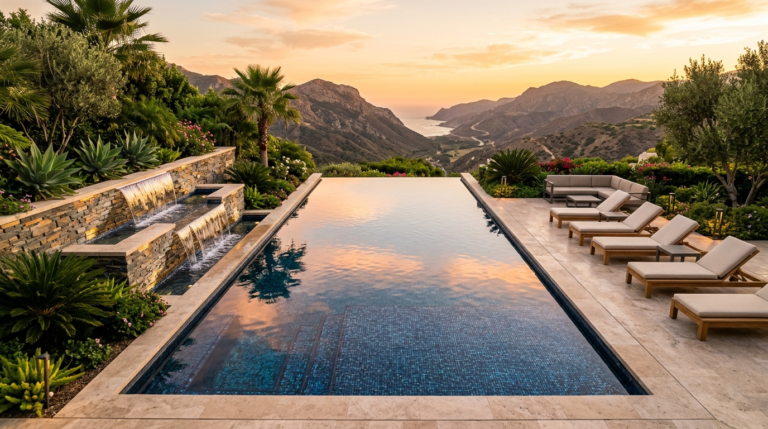
For those with more space and budget, larger water features make stunning statements. A waterfall cascading over rocks, a formal reflecting pool, or a naturalistic stream winding through the landscape all create memorable outdoor experiences. Remember that water features require maintenance, so choose something appropriate for the time you can commit. Even a simple water feature dramatically enhances the ambiance of an outdoor space.
Lighting for Evening Enchantment
Proper lighting transforms your outdoor space from a daytime retreat into an evening paradise. Thoughtful lighting extends the hours you can enjoy your garden, creates ambiance, highlights features, and ensures safety. Layer your lighting just as you layer plantings—combine different types for the best effect.
Ambient lighting provides overall illumination. This might be string lights draped overhead, lanterns on tables, or soft uplighting in trees. Task lighting serves specific functions—path lights for safe walking, grill lights for cooking, reading lights for seating areas. Accent lighting highlights special features—a specimen tree, a water feature, architectural elements, or favorite plantings.
Solar-powered lights have become increasingly sophisticated and offer easy installation without wiring. LED technology provides energy efficiency and longevity. Consider dimmers and timers for flexibility and convenience. The key is creating a warm, inviting glow that enhances rather than overwhelms. Soft, warm-toned lighting creates the most welcoming atmosphere for evening gatherings or quiet nights under the stars.
Hardscaping with Character
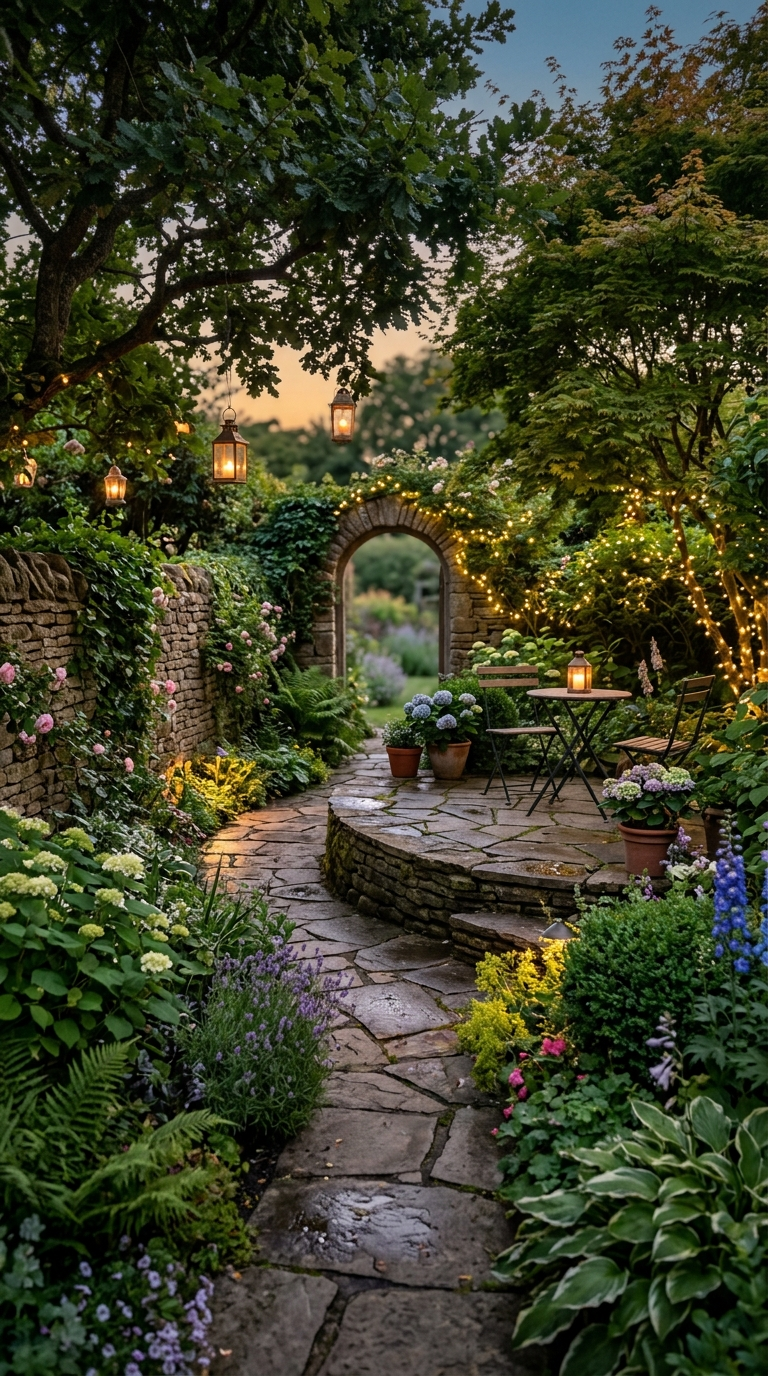
Hardscaping—the non-living elements of your outdoor space—provides structure, functionality, and visual interest. Paths, patios, walls, and other hardscape elements should complement your plantings while serving practical purposes. Choose materials that suit your style and climate while considering maintenance requirements.
Natural stone offers timeless beauty and durability. Flagstone, slate, limestone, and granite each have distinct characteristics and work well for different applications. Brick provides classic charm and works beautifully for traditional or cottage-style gardens. Concrete, when done thoughtfully, can be modern and elegant or rustic and textured.
Don’t overlook smaller hardscape elements. A beautifully crafted trellis supports climbing plants while adding vertical interest. Decorative edging defines beds and paths. Garden ornaments, sculptures, and art pieces add personality. Even functional items like compost bins and tool sheds can be attractive when chosen or designed with care. The best hardscaping feels integrated with the landscape, not imposed upon it.
Container Gardening Creativity
Container gardening opens up possibilities for every outdoor space, from sprawling estates to tiny balconies. Pots allow you to grow plants that wouldn’t thrive in your native soil, experiment with arrangements, add color and interest to hardscapes, and create flexibility in your design. The key is choosing appropriate containers and combining plants thoughtfully.
Select containers that complement your style—terracotta for Mediterranean or rustic looks, glazed ceramic for vibrant color, metal for modern spaces, wood for natural aesthetics. Ensure adequate drainage regardless of material. Consider scale—large containers make bold statements and require less frequent watering, while small pots offer flexibility and can be grouped for impact.
Use the thriller-filler-spiller formula for dynamic container arrangements: one tall, dramatic plant (thriller), several mid-height plants for fullness (filler), and trailing plants that cascade over the edge (spiller). Mix textures, colors, and growth habits for visual interest. Don’t forget that vegetables and herbs make beautiful container plants too, combining beauty with functionality.
Seasonal Interest Year-Round
A truly successful outdoor space provides interest in every season, not just during peak blooming periods. Plan for year-round beauty by selecting plants with varied bloom times, interesting foliage, attractive bark, winter berries, and structural form. This ensures your garden remains engaging even in dormant months.
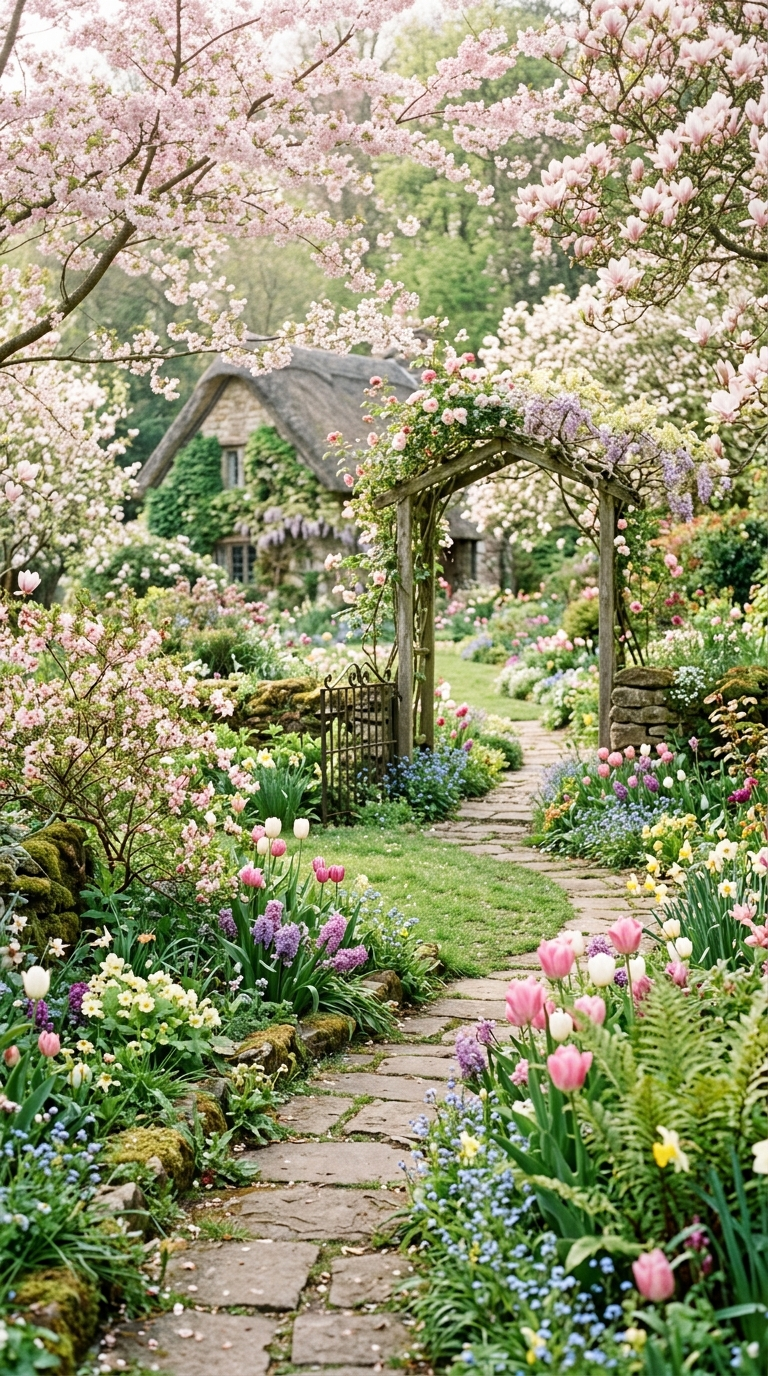
Spring brings the excitement of awakening—bulbs pushing through soil, trees leafing out, early perennials blooming. Summer offers abundance and color with peak blooms and lush foliage. Fall provides spectacular color displays, interesting seed heads, and the warm tones of changing leaves. Winter reveals structure and form, with evergreens, interesting bark, and architectural elements taking center stage.
Incorporate evergreens for winter structure and year-round greenery. Choose plants with multi-season interest—those that bloom, then provide attractive foliage, then offer fall color or winter berries. Don’t neglect hardscape elements, which provide constant structure. With thoughtful planning, your outdoor space can be beautiful and engaging twelve months of the year.
Attracting Wildlife and Pollinators
Creating a garden that welcomes wildlife adds another dimension of joy and purpose to your outdoor space. Birds, butterflies, bees, and other beneficial creatures bring movement, sound, and life to your garden while supporting local ecosystems. Designing with wildlife in mind is both environmentally responsible and deeply rewarding.
Plant native species whenever possible—they’re adapted to your climate, require less maintenance, and provide the best habitat and food sources for local wildlife. Include a variety of flowering plants that bloom at different times to provide continuous nectar sources. Don’t deadhead all spent blooms—seed heads feed birds through winter.
Provide water sources through birdbaths, small ponds, or even shallow dishes. Create shelter with dense plantings, brush piles, or birdhouses. Avoid pesticides that harm beneficial insects. Leave some areas slightly wild rather than perfectly manicured. A garden that supports wildlife is a garden that feels truly alive, offering endless opportunities for observation and wonder.
Outdoor Comfort and Livability
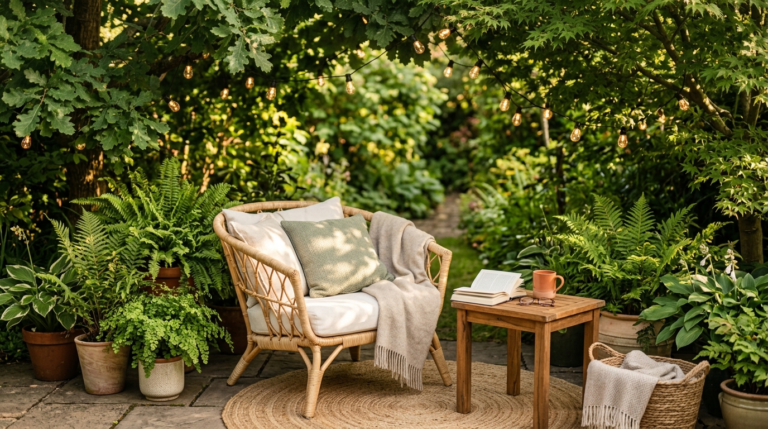
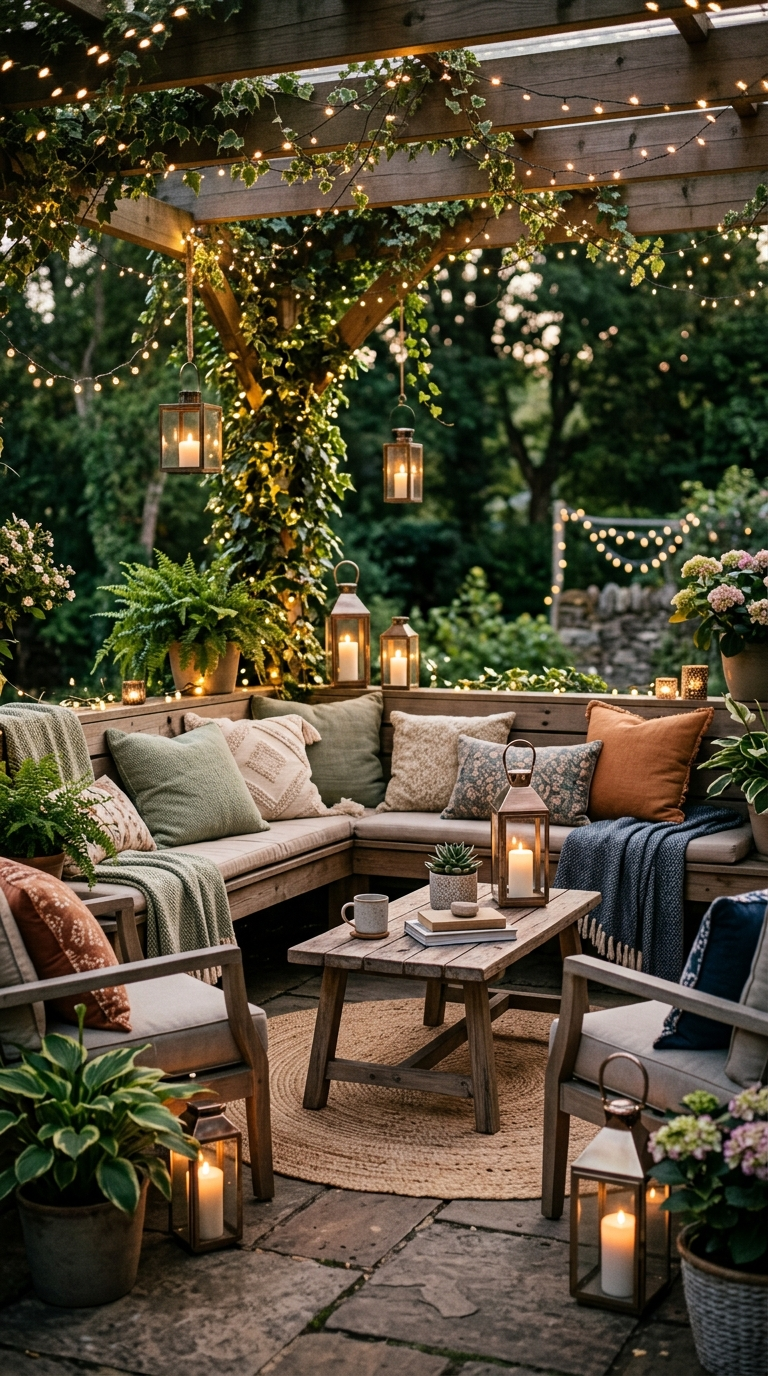
The most beautiful outdoor space is one that’s actually used and enjoyed. Prioritize comfort and livability alongside aesthetics. Invest in quality outdoor furniture that’s comfortable enough for long conversations and meals. Provide shade options for hot days—umbrellas, pergolas with climbing plants, or strategically placed trees.
Consider climate control elements. Outdoor heaters or fire features extend the season. Misting systems cool hot spaces. Windbreaks protect breezy areas. Outdoor rugs, cushions, and textiles add comfort and style while making the space feel more like an extension of your home.
Think about convenience. Is there easy access to your kitchen for outdoor dining? Adequate storage for cushions and tools? Good lighting for safety and ambiance? A water source for plants and cleaning? These practical considerations make the difference between a space you admire and a space you truly live in.
Small Space Solutions
Limited space doesn’t mean limited possibilities. Small outdoor areas can be incredibly charming and functional with smart design choices. Vertical gardening maximizes growing space—use walls, fences, and railings for planters and trellises. Choose multi-functional furniture—benches with storage, tables that fold away, or seating that doubles as planters.
Create the illusion of space with strategic design. Light colors make areas feel larger. Mirrors reflect light and create depth. Curved paths and hidden corners suggest more space beyond what’s visible. Choose plants appropriately scaled to your space—dwarf varieties and compact growers prevent overcrowding.
Focus on quality over quantity. A few well-chosen plants and thoughtful design elements create more impact than cramming in everything. Every element should earn its place in a small space. With creativity and intention, even the tiniest balcony or patio can become a cherished outdoor retreat.
Sustainable Garden Practices
Creating a beautiful outdoor space and caring for the environment go hand in hand. Sustainable practices reduce maintenance, save money, and create healthier ecosystems. Start with soil health—add compost, avoid chemicals, and protect beneficial microorganisms. Healthy soil grows healthy plants that resist pests and diseases naturally.
Conserve water through smart choices. Group plants with similar water needs together. Mulch to retain moisture and suppress weeds. Install rain barrels to collect water for irrigation. Choose drought-tolerant plants appropriate for your climate. Water deeply but infrequently to encourage deep root growth.
Reduce waste by composting garden debris and kitchen scraps. Choose locally-sourced materials to reduce transportation impact. Repurpose and upcycle whenever possible. Select plants that don’t require excessive pruning or maintenance. A sustainable garden is not only better for the planet but also easier to maintain and more resilient over time.
Bringing Your Vision to Life
Transforming your outdoor space is a journey, not a destination. Start with a plan but remain flexible as your garden evolves. Begin with the elements that will give you the most enjoyment or address your biggest challenges. Perhaps that’s creating a comfortable seating area, establishing a vegetable garden, or improving drainage.
Don’t try to do everything at once. Gardens develop over time, and that’s part of their charm. Allow yourself to experiment, make mistakes, and learn. Observe how light moves through your space at different times of day and year. Notice which plants thrive and which struggle. Let your garden teach you what it needs.
Most importantly, remember that your outdoor space should bring you joy. It should reflect your personality, support your lifestyle, and provide a place of beauty and peace. Whether you create an elaborate landscape or a simple container garden, the best outdoor space is one that makes you happy to step outside and breathe in the fresh air. Start where you are, use what you have, and create something beautiful.