We’ve all been there: a sudden burst of motivation strikes, and we decide it is finally time to tackle the overflowing closets, the cluttered kitchen counters, and the chaotic garage. We pull everything out, determined to transform our homes into bastions of organization. Yet, a few hours later, we are sitting surrounded by mountains of stuff, feeling more overwhelmed than when we started. Why is decluttering so inherently difficult? More importantly, why does the clutter always seem to creep back in, undoing all our hard work? The answer usually lies not in a lack of effort, but in a flawed approach.
Decluttering is fundamentally a psychological process masquerading as a physical task. It forces us to confront our attachments, our buying habits, our anxieties about the future, and our sentimental ties to the past. When we approach organizing without a solid strategy, we inevitably fall into common traps that derail our progress and leave our homes feeling chaotic. Creating a tidy, cozy home—a space that feels warm, inviting, and effortlessly manageable—requires us to identify these pitfalls and replace them with sustainable, daily habits.
In this comprehensive guide, we are going to dissect the seven most common decluttering mistakes that sabotage your efforts to maintain a tidy home. We won’t just look at the problems; we will explore actionable, practical solutions wrapped in a cozy, rustic aesthetic that prioritizes warmth and comfort alongside organization. By understanding where the process breaks down, you can rewire your habits, let go of the excess, and finally achieve the beautifully organized, deeply comforting home you deserve.
Mistake 1: Biting Off More Than You Can Chew
The most frequent and arguably the most devastating mistake people make when decluttering is attempting to organize the entire house in a single weekend. Driven by a surge of inspiration, you decide to tackle the master bedroom, the pantry, and the basement all at once. This “all or nothing” approach almost guarantees burnout. You pull out the contents of every drawer and closet, creating a massive, unmanageable mess. By mid-afternoon, decision fatigue sets in, the motivation evaporates, and you are left living in a disaster zone, ultimately just shoving items back into hiding places to escape the chaos.
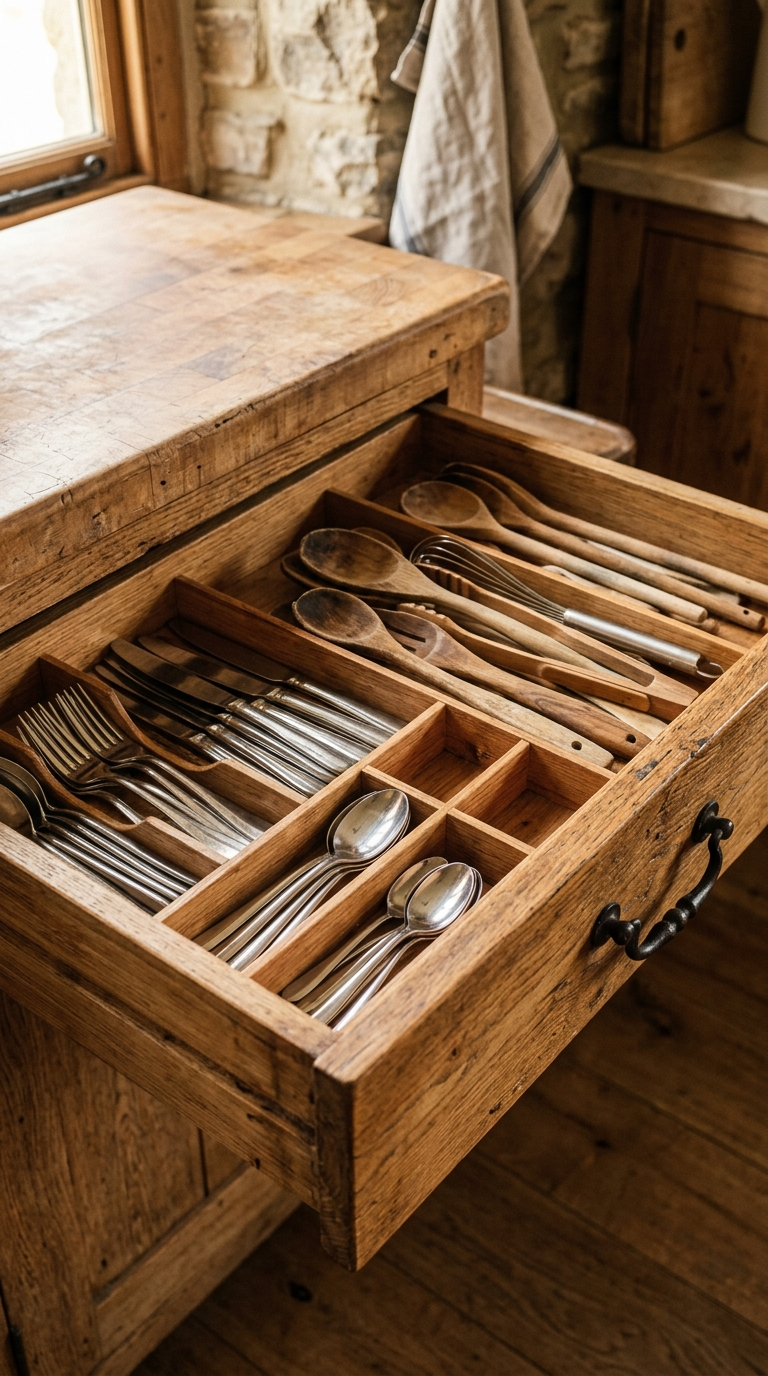
To avoid this paralyzing overwhelm, you must break the process down into micro-tasks. Instead of declaring, “I’m going to clean the kitchen today,” set a goal to “organize the silverware drawer” or “declutter the mug cabinet.” These small, contained projects can be completed in fifteen to thirty minutes. The completion of a micro-task provides a dopamine hit—a profound sense of accomplishment that fuels your motivation to tackle the next small area. This piecemeal approach is sustainable, deeply rewarding, and prevents the creation of those dreaded mid-decluttering disaster zones.
In a cozy, rustic home, this might look like focusing solely on your woven basket collection one evening, ensuring only the baskets you actively use for blankets or firewood remain. The next day, you might tackle the wooden spice rack. By moving slowly and intentionally through your home, area by tiny area, you make steady, irreversible progress without ever feeling overwhelmed by the sheer volume of your possessions.
Mistake 2: Buying Storage Solutions Before Purging
It is incredibly tempting to browse the aisles of a home goods store, seduced by perfectly matching rustic wooden crates, charming wire baskets, and neat little glass jars. The fantasy is that if we just buy the right containers, our home will magically become organized. This is the second major mistake: buying storage solutions before you have actually purged your belongings. When you do this, you inevitably end up organizing clutter. You find a place for things you don’t even need, wasting money on bins to store items that should have been donated or discarded.
The golden rule of home organization is: Purge first, contain second. You must ruthlessly edit your possessions before you can understand what kind of storage you actually require. Only after you have separated the items you love and use from the items that are just taking up space should you assess your storage needs. You might be surprised to find that after a thorough purge, you already have enough baskets, drawers, and shelves to house your remaining items comfortably without spending a dime.
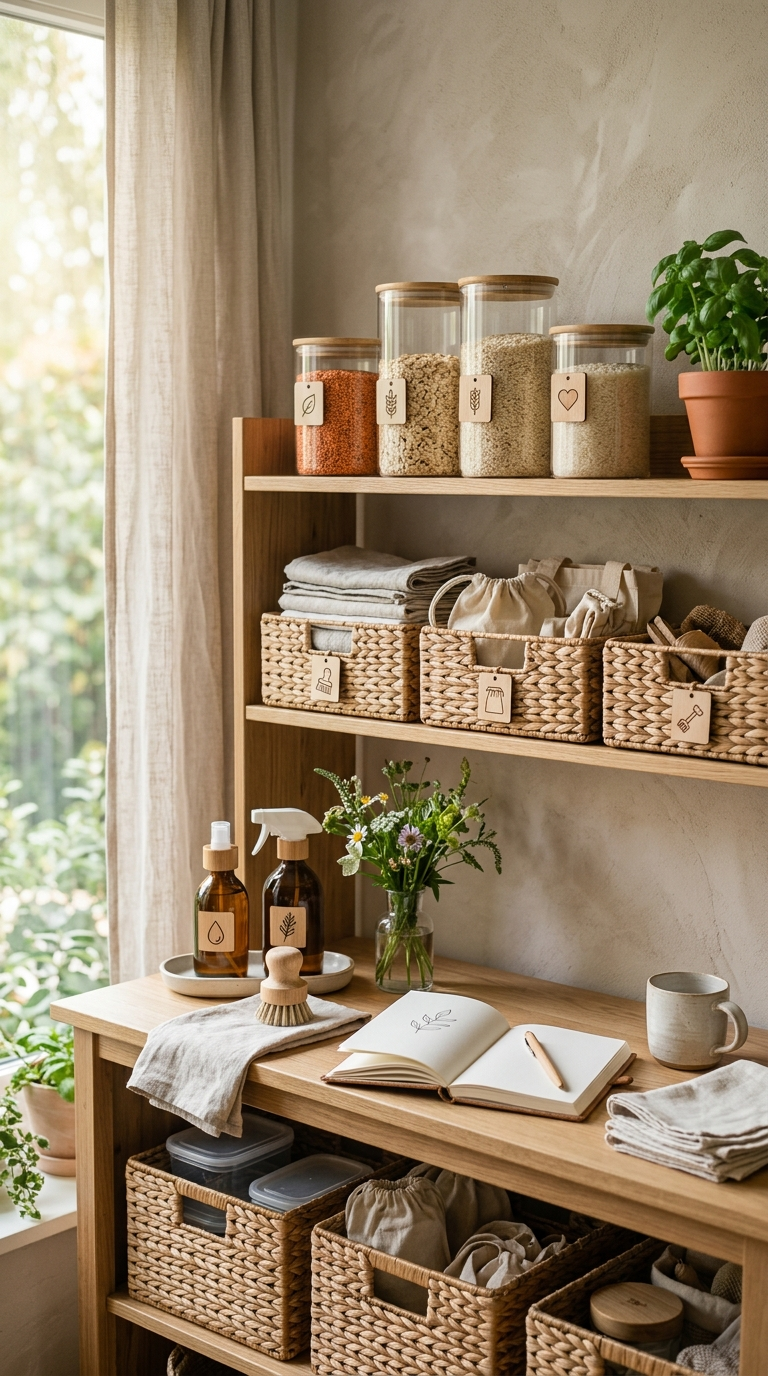
When it is finally time to implement storage in a cozy home, prioritize natural materials. Instead of stark plastic bins, opt for beautifully crafted wicker baskets, vintage wooden crates, or distressed metal tins. These materials add warmth, texture, and character to your space, ensuring that your organization solutions enhance the rustic aesthetic rather than detracting from it. The storage itself becomes an integral part of the home’s decor.
Mistake 3: Falling into the “Just in Case” Trap
The “just in case” mentality is the arch-nemesis of a tidy home. It is the voice whispering that you might need those old cables, that specialized kitchen gadget you used once five years ago, or those clothes that haven’t fit since college. We hold onto these items out of fear—fear of lack, fear of needing something and not having it, or fear of wasting money. However, the cost of storing, cleaning, and mentally managing these “just in case” items far outweighs the extremely unlikely scenario where you might actually need them.
To break free from this trap, you need to adopt a realistic perspective on utility and replacement. Ask yourself: “If I actually needed this item in the future, could I easily replace it for less than twenty dollars in less than twenty minutes?” If the answer is yes, let it go. The peace of mind and physical space you gain are worth far more than the negligible replacement cost. Furthermore, consider the concept of borrowing or renting items you only need sporadically, such as specialized tools or large catering dishes.
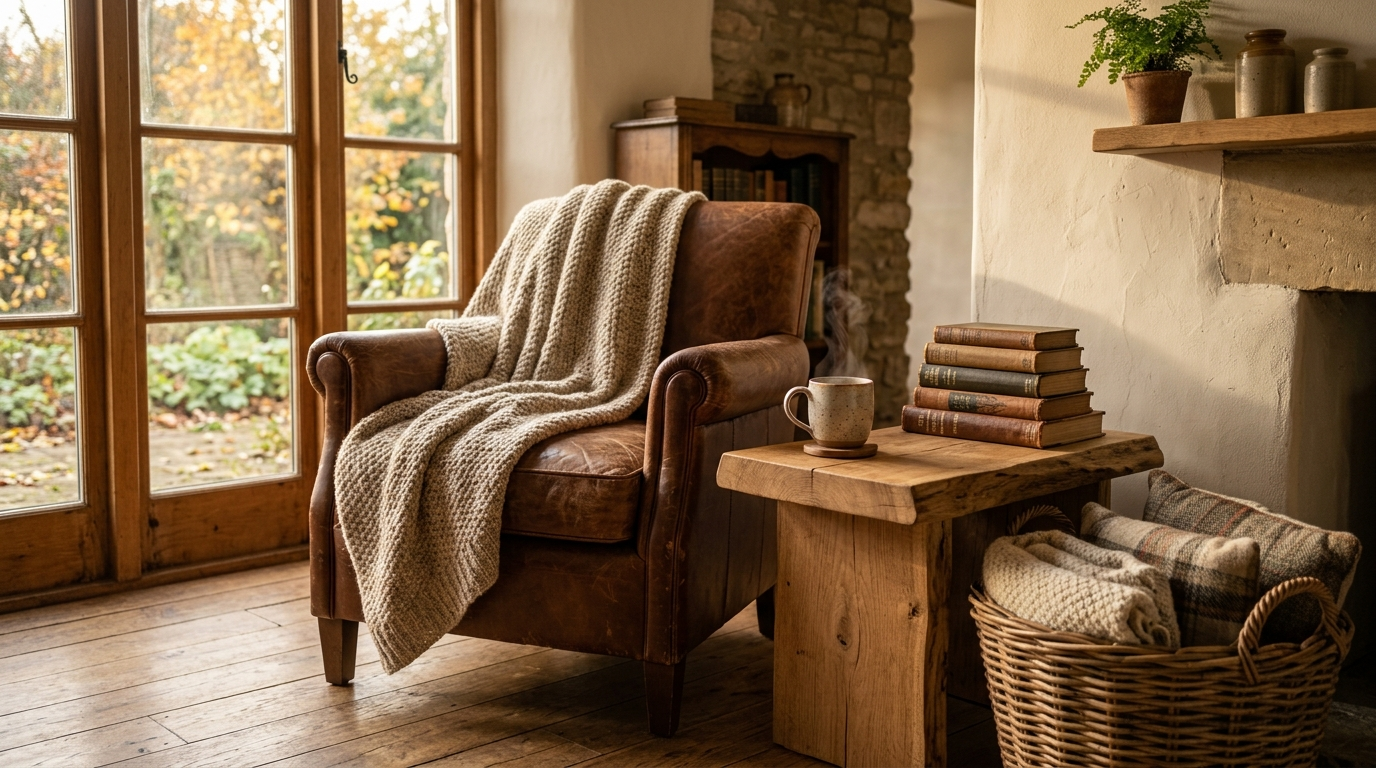
In a rustic, comforting environment, space is a premium. You want your home to be filled with items that actively bring you joy or serve a daily purpose—a favorite chunky knit blanket, a well-loved cast-iron skillet, a comfortable reading chair. Allowing “just in case” clutter to occupy valuable real estate in your home prevents you from fully enjoying the items that truly matter to your daily comfort and happiness.
Mistake 4: Ignoring the Emotional Weight of Sentimental Clutter
Sentimental items are notoriously the most difficult category to declutter. We tie our memories, our identities, and our connections to loved ones directly to physical objects. Discarding a childhood toy, an inherited piece of furniture that doesn’t fit your style, or a box of old greeting cards can feel like discarding the memory itself or betraying the person who gave it to you. This emotional weight paralyzes our decision-making, leading to boxes of unseen, unused sentimental clutter languishing in attics and basements.
It is crucial to separate the memory from the object. The memory resides in your mind and your heart, not in the physical thing. To navigate sentimental clutter, start by acknowledging the emotion, then evaluate the object’s current role in your life. Does keeping this item hidden in a dark box truly honor the memory? Often, keeping one or two highly representative items from a collection or a specific life period is far more meaningful than keeping everything. You can also take high-quality photographs of sentimental items before letting them go, preserving the visual memory without the physical burden.
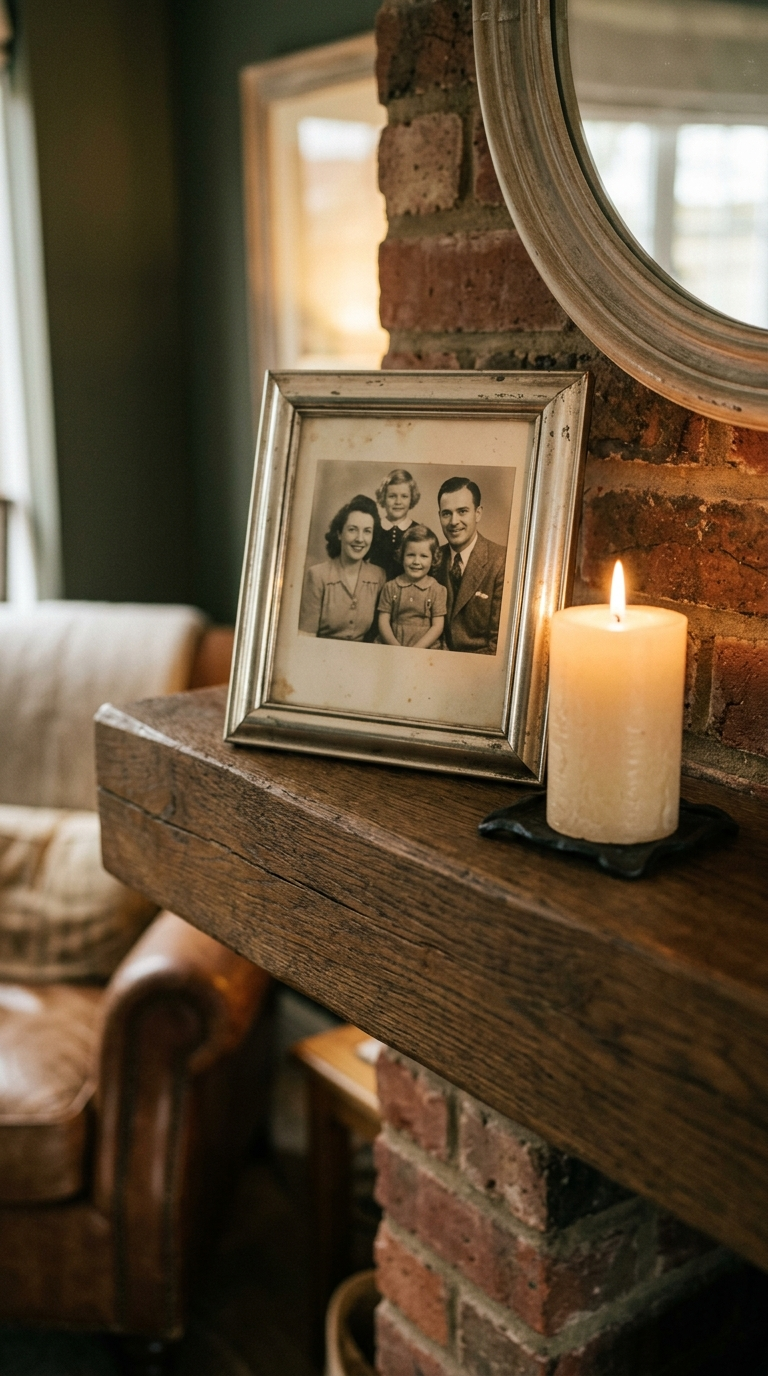
For the sentimental items you choose to keep, bring them into the light. Integrate them into your cozy decor. Frame a handwritten recipe card from your grandmother and hang it in the kitchen. Drape an inherited quilt over the back of the sofa. By actively using and displaying these cherished items, you honor the memories daily, ensuring they contribute to the warmth and unique story of your home, rather than acting as a hidden source of guilt and clutter.
Mistake 5: Failing to Establish Daily Reset Habits
Many people view decluttering as a singular event—a massive project that, once completed, will permanently fix their home. This is a fundamental misunderstanding. A home is a living, breathing system. Items are constantly flowing in: mail, groceries, school papers, new purchases. Without a system to manage this daily influx, the clutter will inevitably return, no matter how rigorously you purged. The mistake lies in relying on occasional, exhausting purges rather than establishing effortless daily habits.
The most powerful habit you can cultivate is the daily “15-minute reset.” Choose a specific time each day—perhaps right after dinner or just before bed—to quickly move through your primary living spaces. Put the throw pillows back on the couch, fold the blankets, clear the kitchen counters, and put away stray items like shoes, keys, and books. This simple routine prevents the daily accumulation of life’s detritus from snowballing into overwhelming clutter.
In a rustic setting, this reset might involve placing chopped wood neatly by the hearth, sweeping the mudroom floor, and returning coffee mugs to their wooden pegs. By dedicating just fifteen minutes a day to maintaining your space, you wake up each morning to a clean slate, a home that feels instantly welcoming and deeply relaxing, rather than a space that demands immediate work and attention.
Mistake 6: Organizing Without a Logical System
Even if you purge ruthlessly and establish daily habits, your home will still feel chaotic if your items are stored without logic or intuition. A common mistake is storing items far away from where they are actually used. For example, keeping daily vitamins in a high pantry cabinet instead of near the breakfast table, or storing winter gloves in a bedroom closet instead of the entryway. When putting things away is inconvenient, we naturally tend to leave them out on the nearest flat surface, creating instant clutter.
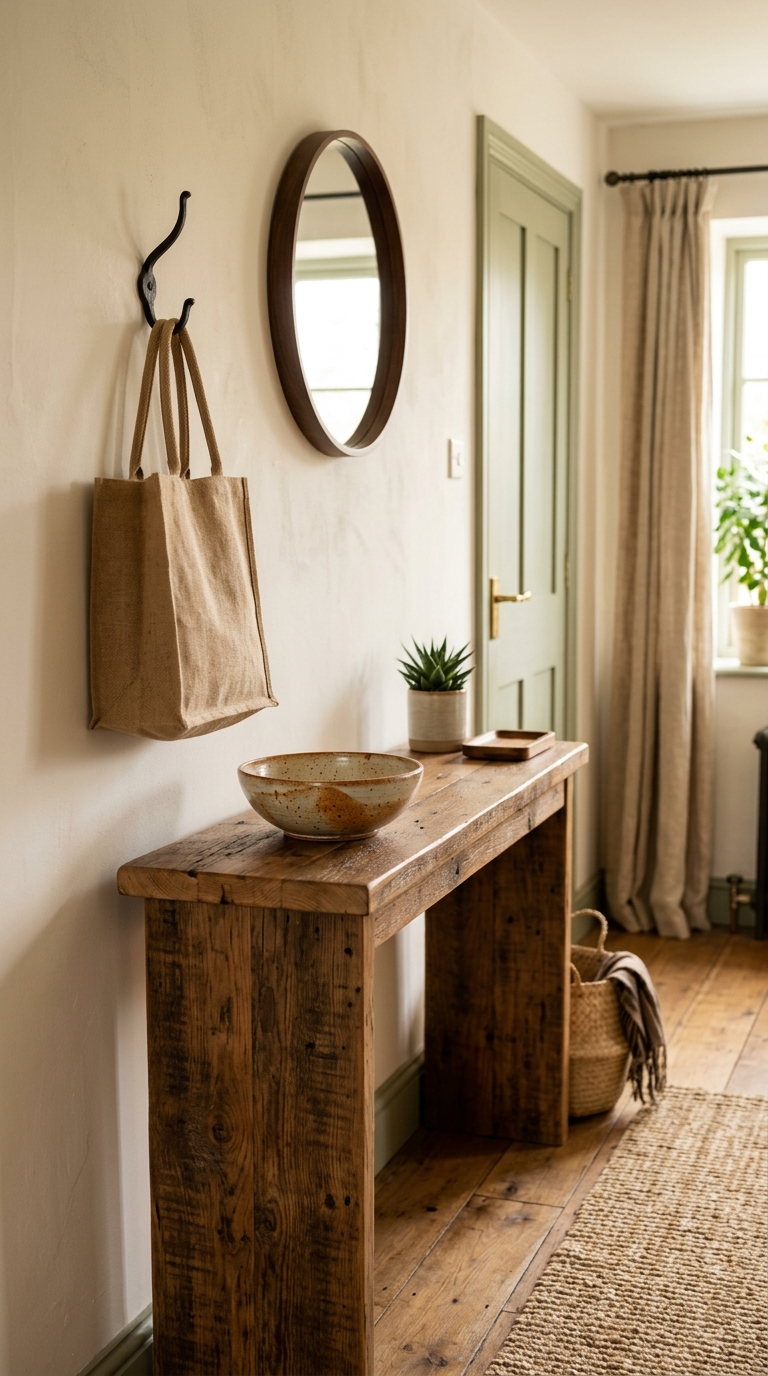
Effective organization requires mapping out the “zones” of your home based on your actual lifestyle and habits. Store items at the point of use. If you always read on the living room sofa, keep your current books, reading glasses, and a cozy throw blanket in a rustic basket right next to that sofa. If you always drop your keys and mail the moment you walk through the door, establish a dedicated drop zone—perhaps a beautiful vintage wooden console table with a ceramic catch-all bowl—exactly in that spot.
By creating intuitive, hyper-convenient homes for your belongings, the act of tidying up becomes frictionless. You no longer have to cross the house to put an item away; its designated home is right where you naturally want to place it. This logical approach, combined with regular purging and daily resets, is the ultimate secret to maintaining a warm, cozy, and perpetually tidy home where you can truly relax and thrive.
Learn proven strategies to build lasting decluttering habits. Transform your space and mind with sustainable organization systems that become second nature.