In our modern, fast-paced world, the concept of home has evolved dramatically. It is no longer just a place to sleep and store our belongings; it is our primary refuge, a sanctuary from the relentless noise and demands of daily life. The rise of wellness spaces within the home reflects a deep-seated human need for environments that actively promote physical, mental, and emotional health. This comprehensive guide explores the art of creating minimalist wellness spaces—areas defined by intention, tranquility, and a profound connection to our inner selves. By stripping away the superfluous and focusing on the essential, minimalist design offers a powerful framework for cultivating peace and restoration.
Minimalism in the context of wellness is not about stark, cold, or empty rooms. Instead, it is about intentionality. It is the deliberate curation of objects, textures, and spatial arrangements that serve a purpose, whether that purpose is functional or deeply emotional. When we remove visual clutter, we simultaneously remove mental clutter, allowing our nervous systems to settle and our minds to find quiet. The journey to creating a serene sanctuary begins with a mindset shift: viewing your space not merely as a container for activities, but as a living, breathing partner in your well-being journey.
Throughout this exploration, we will delve into the fundamental principles of minimalist wellness design. We will uncover how to harness natural elements, optimize lighting for circadian health, and select materials that ground and soothe. Whether you are dedicating an entire room to meditation and yoga, or simply carving out a quiet corner in a bustling household, the principles detailed here will empower you to craft an environment that nurtures your soul and supports your daily restorative practices.
1. The Foundation of Calm: Clearing the Visual Landscape
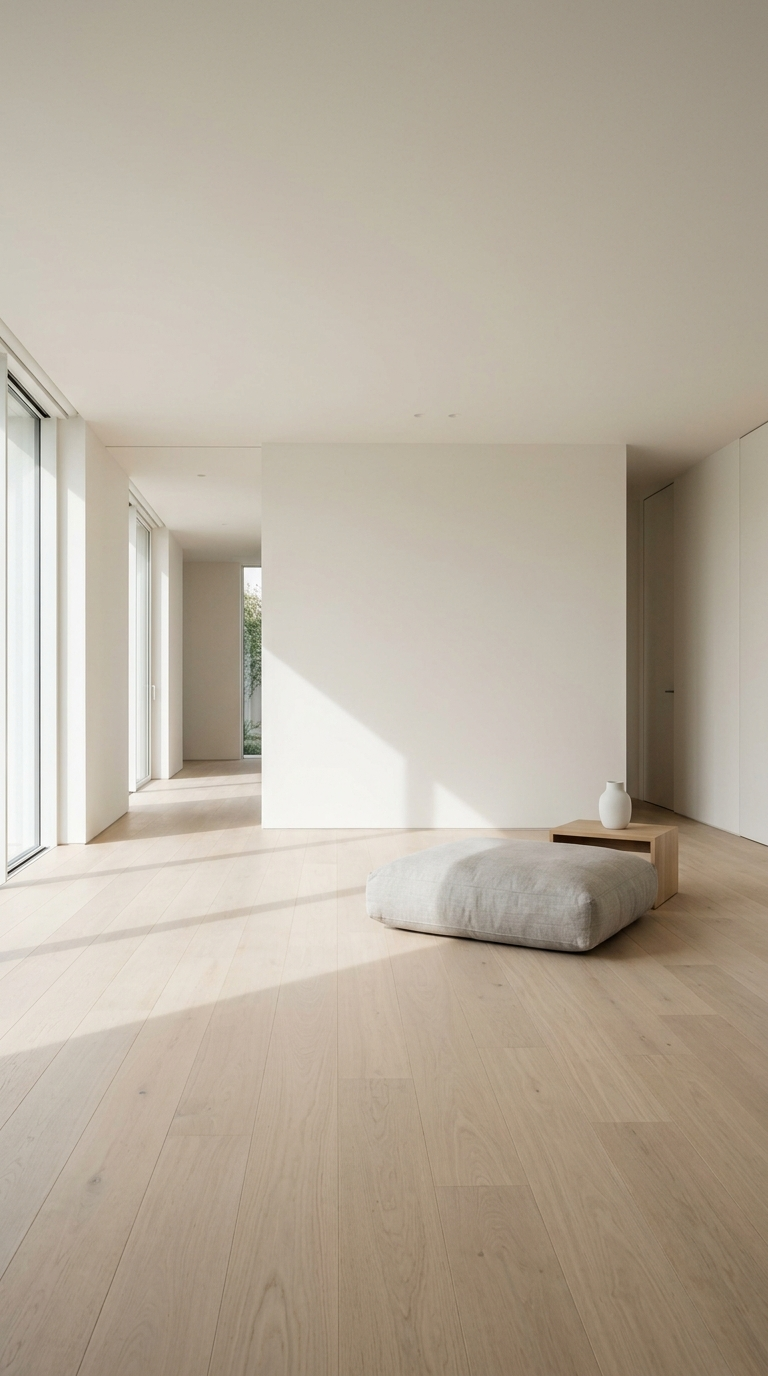
The very first step in establishing a minimalist wellness space is to clear the visual landscape. Visual noise—created by excess furniture, patterned wallpapers, scattered items, and disorganized cables—acts as a low-grade stressor on the brain. Our eyes are constantly scanning our environment, and when they encounter chaos, our brains must process that information, detracting from our ability to relax fully. To cultivate true serenity, we must practice the art of reduction. Begin by removing any item from the designated space that does not directly contribute to a sense of peace or facilitate your specific wellness activities.
Consider the architecture of the room itself. Emphasize clean lines and uninterrupted surfaces. If you have open shelving, perhaps replace it with closed cabinetry to conceal necessary but unsightly items like exercise bands, diffusers, or massage tools. The goal is to create sweeping, unbroken sightlines that allow the eye to glide smoothly across the room without interruption. This visual continuity mimics the expansive feeling of natural landscapes, such as a calm ocean or a clear sky, inherently triggering a relaxation response in the body.
Color palette plays a crucial role in this foundational step. Minimalist wellness spaces thrive on soft, desaturated hues. Think of warm alabaster whites, gentle taupes, muted sage greens, and the softest blush of dawn. These colors reflect light beautifully without overwhelming the senses. Avoid high-contrast color schemes or overly vibrant tones, as these are stimulating rather than soothing. By maintaining a cohesive, low-contrast color palette, the boundaries of the room seem to soften, creating an enveloping, cocoon-like atmosphere that feels infinitely safe and deeply restful.
2. Harnessing the Power of Natural Light and Air
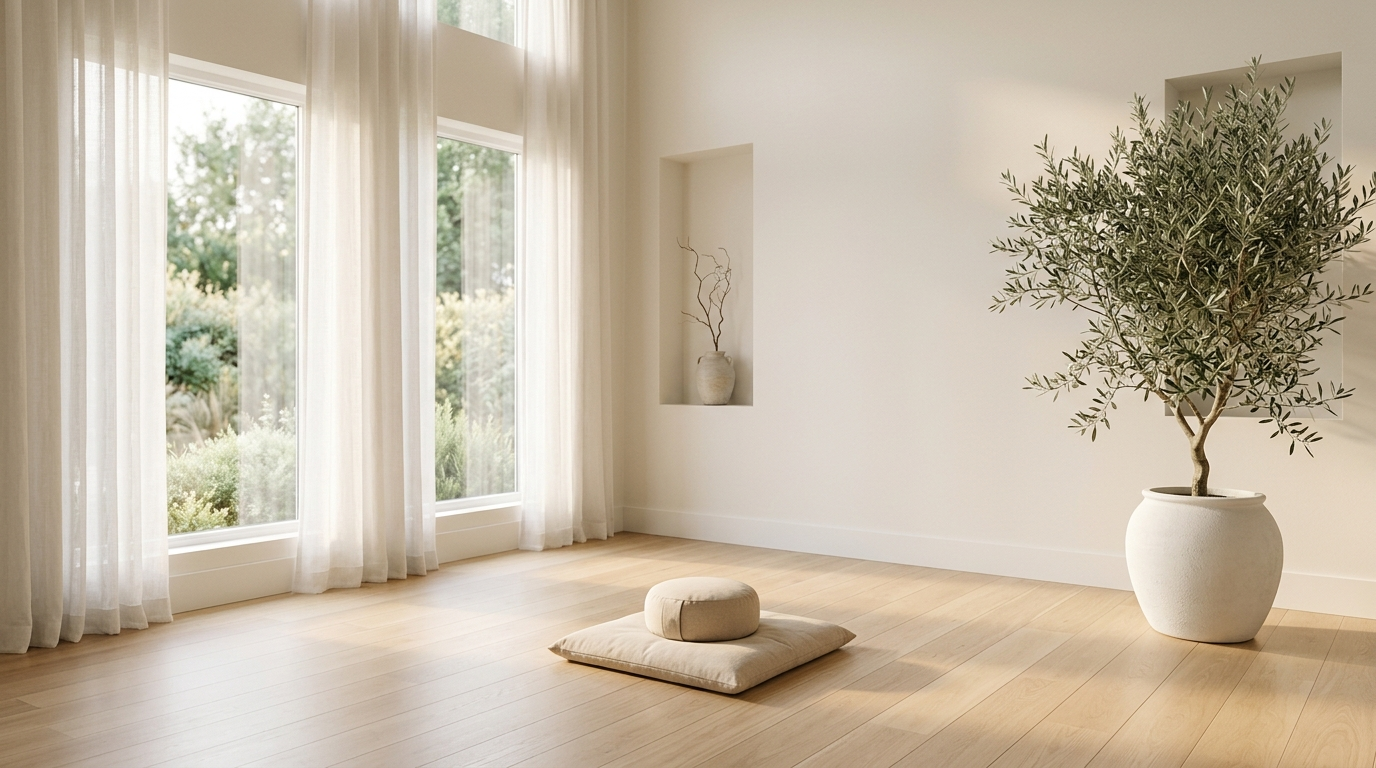
No wellness space is complete without careful consideration of natural light and air quality. As diurnal creatures, our biological rhythms are intimately tied to the cycle of the sun. Exposure to natural daylight, particularly in the morning, regulates our circadian rhythms, boosts serotonin production, and improves overall mood and energy levels. When designing your sanctuary, prioritize spaces with ample windows or skylights. Maximize the influx of sunlight by using sheer, lightweight window treatments like linen or organic cotton that diffuse the light softly while maintaining privacy.
If natural light is limited in your chosen space, you must replicate its effects through intentional artificial lighting. Avoid harsh, cool-toned overhead lighting at all costs. Instead, layer your illumination using a variety of warm-toned light sources. Use floor lamps with fabric shades to create pools of soft light, and consider smart bulbs that allow you to adjust the color temperature throughout the day—bright and slightly cooler in the morning for invigoration, transitioning to warm, dim, amber glows in the evening to prepare the body for rest.
Equally important is the quality of the air you breathe within this space. Stagnant air can harbor pollutants and contribute to feelings of lethargy. Ensure excellent ventilation by regularly opening windows to allow cross-breezes. Incorporate an air purifier with a HEPA filter to remove dust, allergens, and volatile organic compounds (VOCs). Furthermore, consider the subtle but powerful impact of aromatherapy. Using an ultrasonic diffuser with pure essential oils like lavender, chamomile, or cedarwood can profoundly alter the energetic frequency of the room, instantly signaling to your brain that it is time to unwind and let go of the day’s tensions.
3. Grounding Through Organic Textures and Materials
In a minimalist environment where visual stimuli are intentionally reduced, tactile experiences become vastly more important. The materials you choose to incorporate into your wellness space should invite touch and evoke a sense of the natural world. This concept, rooted in biophilic design, acknowledges our innate human desire to connect with nature. When we surround ourselves with organic materials, we subconsciously feel more grounded, secure, and at peace.
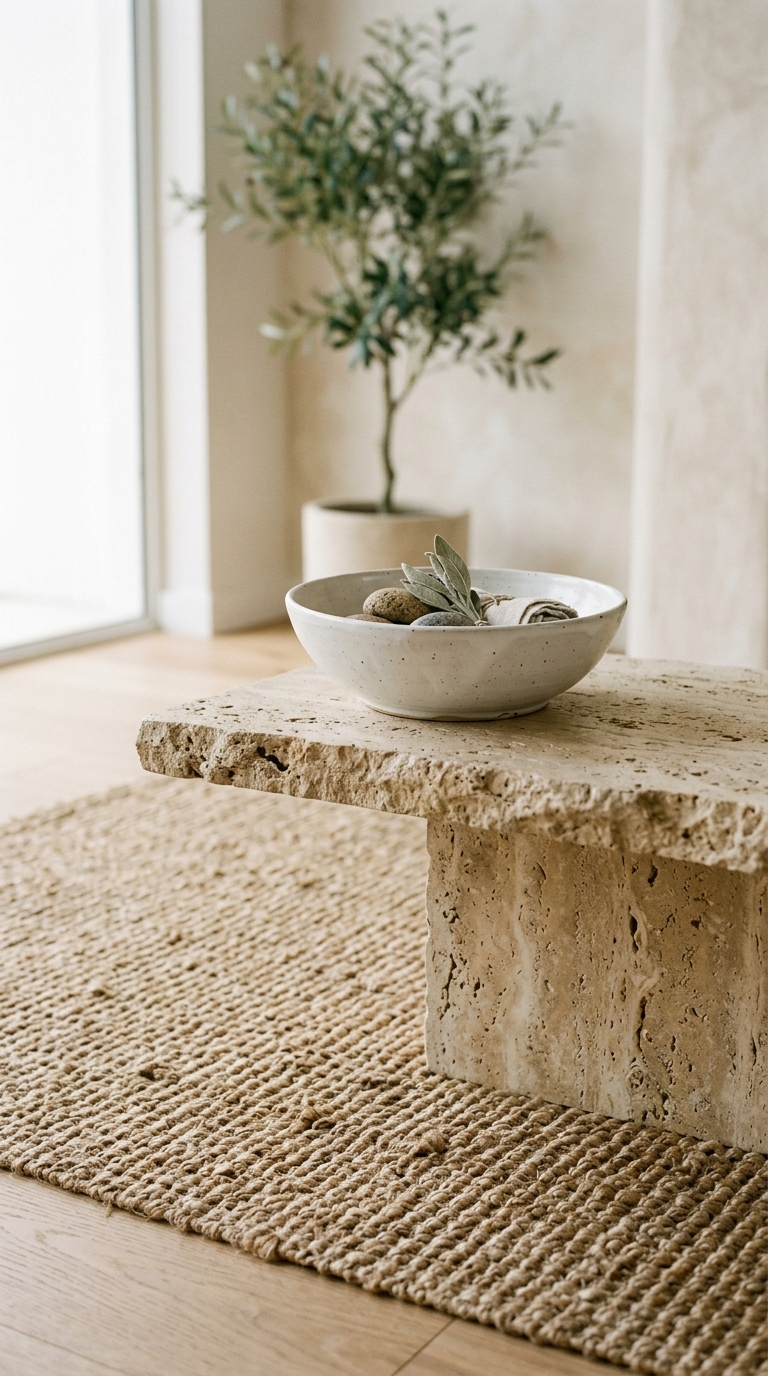
Wood is perhaps the most essential material for a wellness space. The warmth of natural wood grain, whether left raw, lightly oiled, or stained in soft tones, brings an immediate sense of the outdoors inside. Consider incorporating elements like solid oak meditation benches, smooth ash wood flooring, or delicate bamboo room dividers. Pair these hard surfaces with incredibly soft, inviting textiles. Layering is key here—not for visual clutter, but for comfort. Think plush, organic wool rugs underfoot, draped linen throws that are cool to the touch, and firm but yielding cotton meditation cushions.
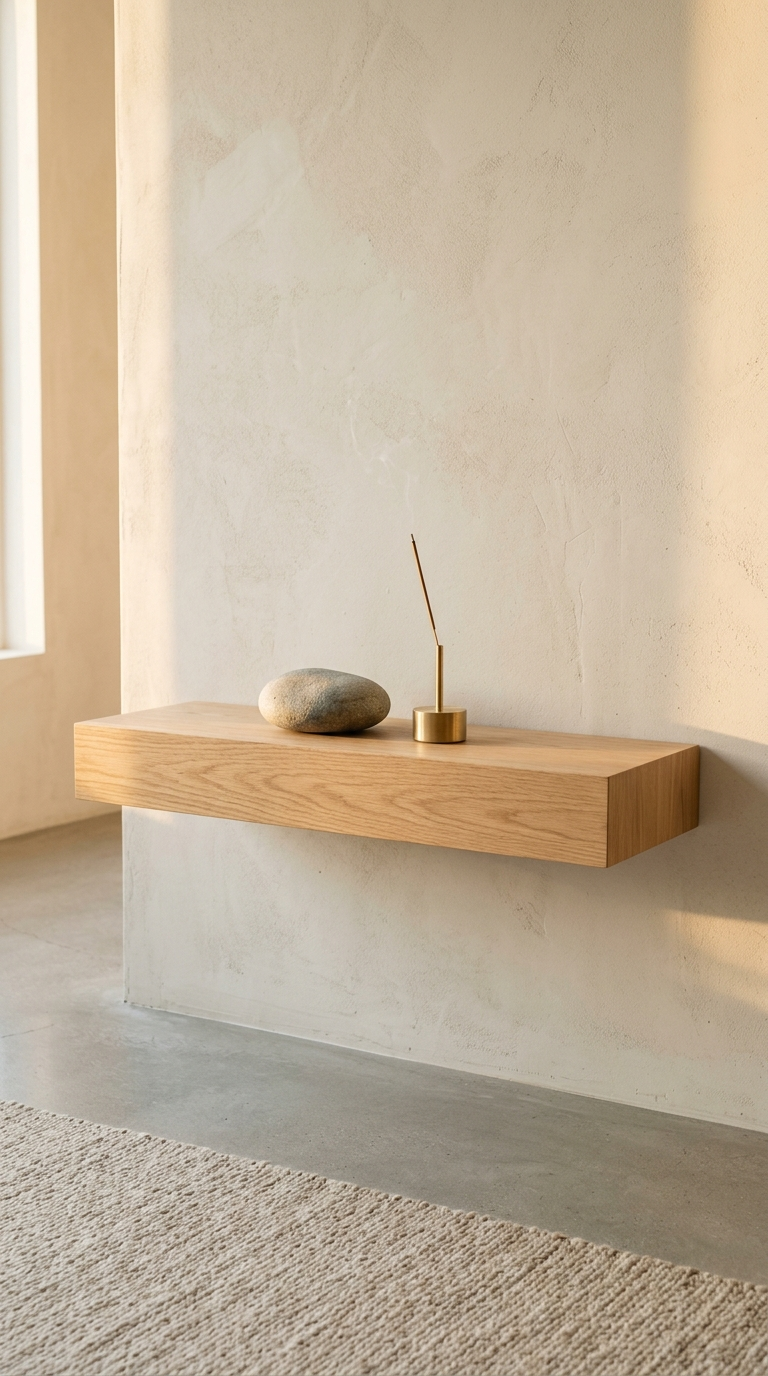
Do not underestimate the power of stone and ceramics. A smooth river rock used as a focal point, a beautifully imperfect handmade ceramic bowl holding a single floating blossom, or a raw unpolished travertine side table can all add a grounding weight to the room. These elements provide a textural contrast to the soft linens and warm woods, creating a balanced, harmonious environment. Every object should feel honest and authentic, bearing the subtle marks of nature or human craftsmanship rather than mass-produced uniformity.
4. Curating Dedicated Zones for specific Practices
A truly effective wellness space, even a minimalist one, should be highly functional. It must cater to your specific restorative practices, whether that is vigorous vinyasa yoga, quiet seated meditation, deep tissue stretching, or simply reading a book in silence. Creating subtle “zones” within the room helps signal to your brain what activity is about to take place, easing the transition into that specific state of mind. You don’t need physical walls to create these zones; a simple shift in flooring, the placement of a rug, or the orientation of a mat is sufficient.
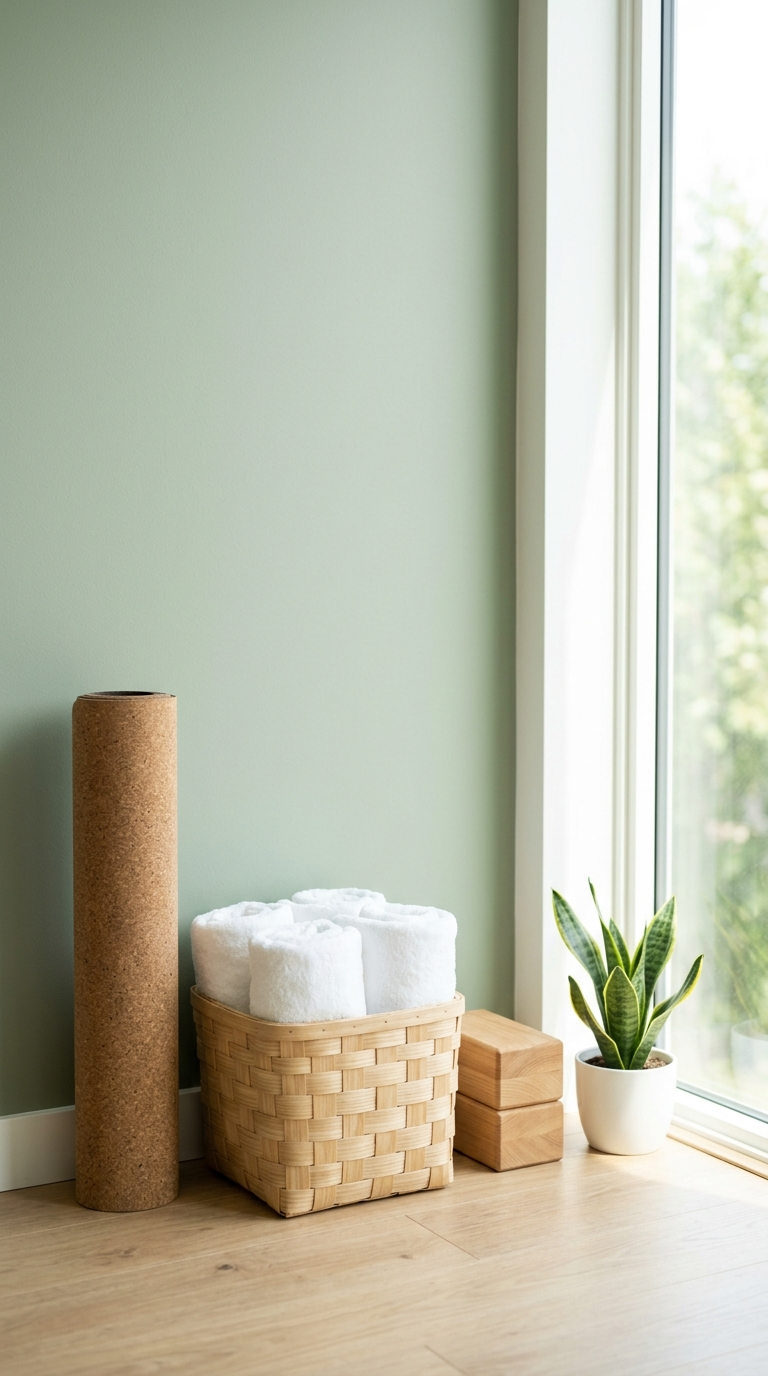
For a meditation zone, focus on symmetry and a clear focal point. Place a comfortable cushion or bench facing a blank wall, a window with a serene view, or a small, low table holding a meaningful object or a lit candle. The surrounding area should be absolutely pristine. If the space is used for physical movement like yoga or Pilates, ensure there is ample, unobstructed floor space. Keep props like blocks, straps, and bolsters meticulously organized in a dedicated, beautiful woven basket or a sleek wooden chest, bringing them out only when needed.
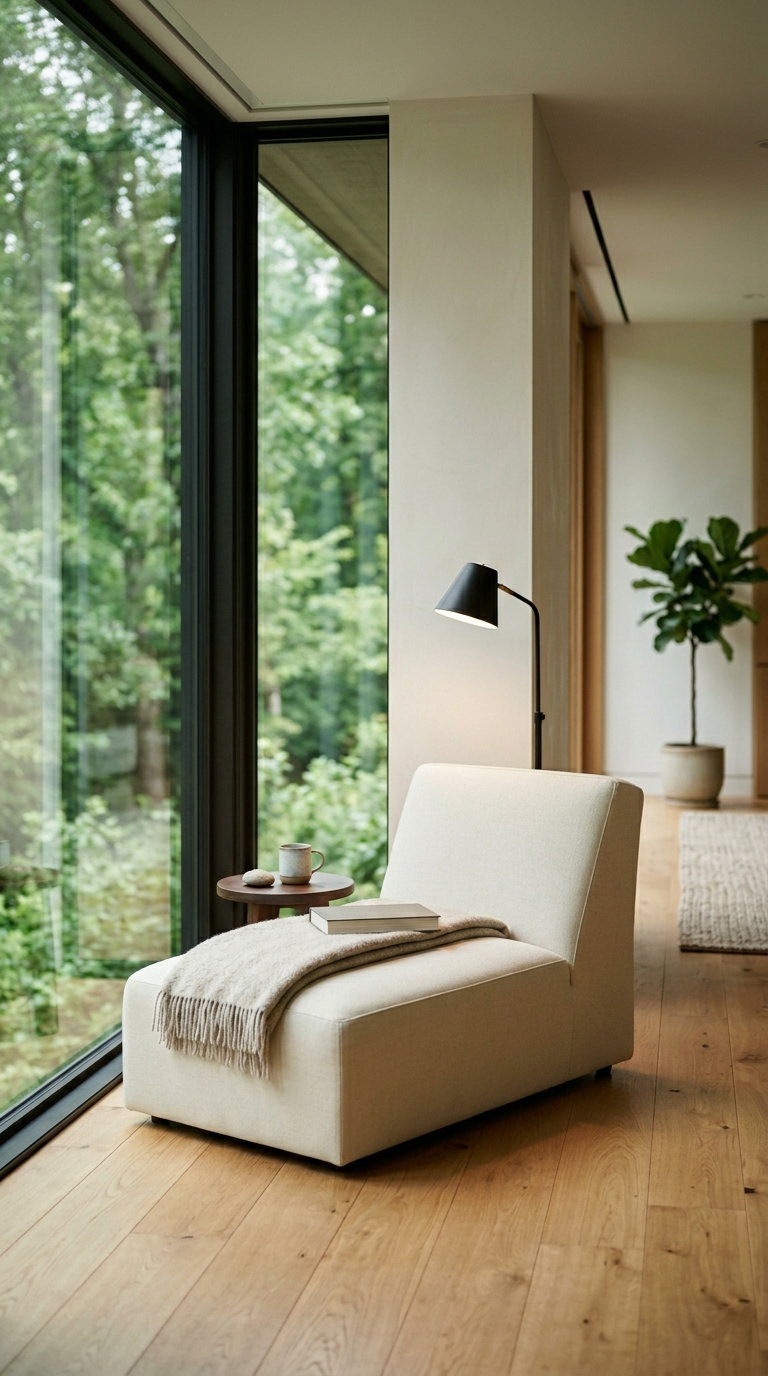
If your wellness routine includes relaxation and mental decompression through reading or listening to music, curate a comfort zone. A low-profile, ergonomically supportive lounge chair paired with a small side table for a cup of herbal tea and a directional reading lamp creates a perfect vignette. By deliberately organizing the space according to function, you eliminate the friction of having to set up or rearrange your environment every time you want to engage in a wellness practice, thereby making it easier to maintain healthy habits.
5. The Soundscape of Silence and Serenity
Often overlooked in interior design is the auditory environment. In a minimalist wellness space, what you hear—or crucially, what you don’t hear—is just as important as what you see. The acoustic quality of the room can either support deep relaxation or hinder it. Hard surfaces like bare wood floors and empty walls can cause sound to bounce and echo, creating a subtle auditory harshness that keeps the nervous system on alert. To combat this, we must consciously design the soundscape.
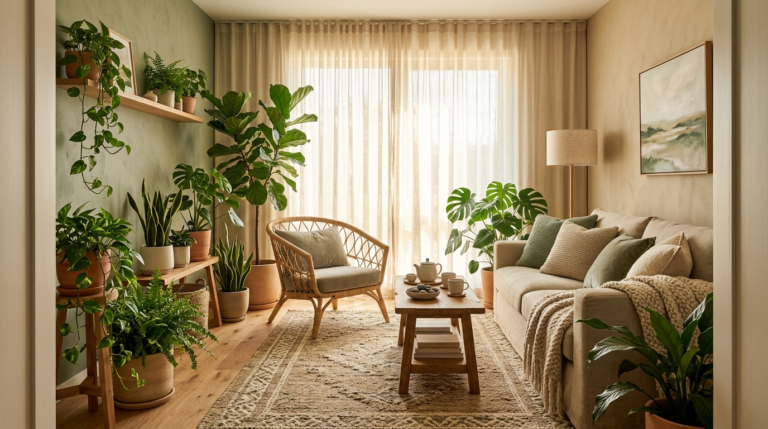
The strategic use of soft materials will help absorb sound waves, creating a hushed, muted atmosphere. Heavy, floor-to-ceiling linen curtains not only soften the light but also dampen external street noise. Thick, high-pile rugs, upholstered wall panels, and even the strategic placement of large, leafy indoor plants can significantly improve the acoustic comfort of the room. The goal is to deaden the sharp echoes, creating a space where the air feels thick and quiet, like a forest after a fresh snowfall.
Once you have minimized unwanted noise, you can intentionally introduce soothing sounds. A small, minimalist indoor water feature can provide the constant, gentle white noise of trickling water, which is biologically hardwired to calm the human mind. Alternatively, invest in a high-quality, discreet sound system to play ambient soundscapes, binaural beats, or classical acoustic music. The audio should never be intrusive; it should sit underneath your consciousness, providing a subtle foundation of serenity that supports your meditation, breathwork, or relaxation exercises.
6. Maintaining the Sanctuary: The Habit of Mindful Presence
Creating a beautiful minimalist wellness space is only the beginning; the true practice lies in maintaining its integrity. A minimalist space requires a commitment to mindful presence and a disciplined approach to the objects that cross its threshold. Because the design is so pared back, any item out of place becomes immediately noticeable and jarring. Therefore, maintaining the space must become an integral part of your wellness routine itself, a meditative practice of caring for the environment that cares for you.
Establish a strict “one in, one out” policy for this room. Before introducing a new cushion, a new plant, or a new piece of art, ask yourself if it genuinely enhances the sense of calm, or if it simply adds to the visual load. Make it a daily habit to “reset” the room after use. Smooth out the meditation cushion, roll up the yoga mat perfectly, and put away any props. This simple act of closing the loop on your practice leaves the space prepared and welcoming for the next time you enter it, reinforcing the cycle of peace.
Ultimately, a minimalist wellness space is a physical manifestation of an internal desire for clarity and calm. By meticulously curating the visual, tactile, and auditory elements of the room, you create a powerful container for self-care. It becomes a sacred geometry within your home where the outside world falls away, leaving only the present moment. Embrace the empty space, relish the quiet, and allow your minimalist sanctuary to become the ultimate catalyst for your profound well-being.
Unlock the secrets to designing wellness spaces that foster peace, relaxation, and mindfulness in your home. This elegant guide explores creating personal sanctuaries with natural elements, soft textures, and thoughtful layouts to enhance your daily well-being and create a harmonious living environment.
Discover the latest home wellness space trends transforming ordinary rooms into serene sanctuaries. Elevate your peace with cutting-edge interior design.