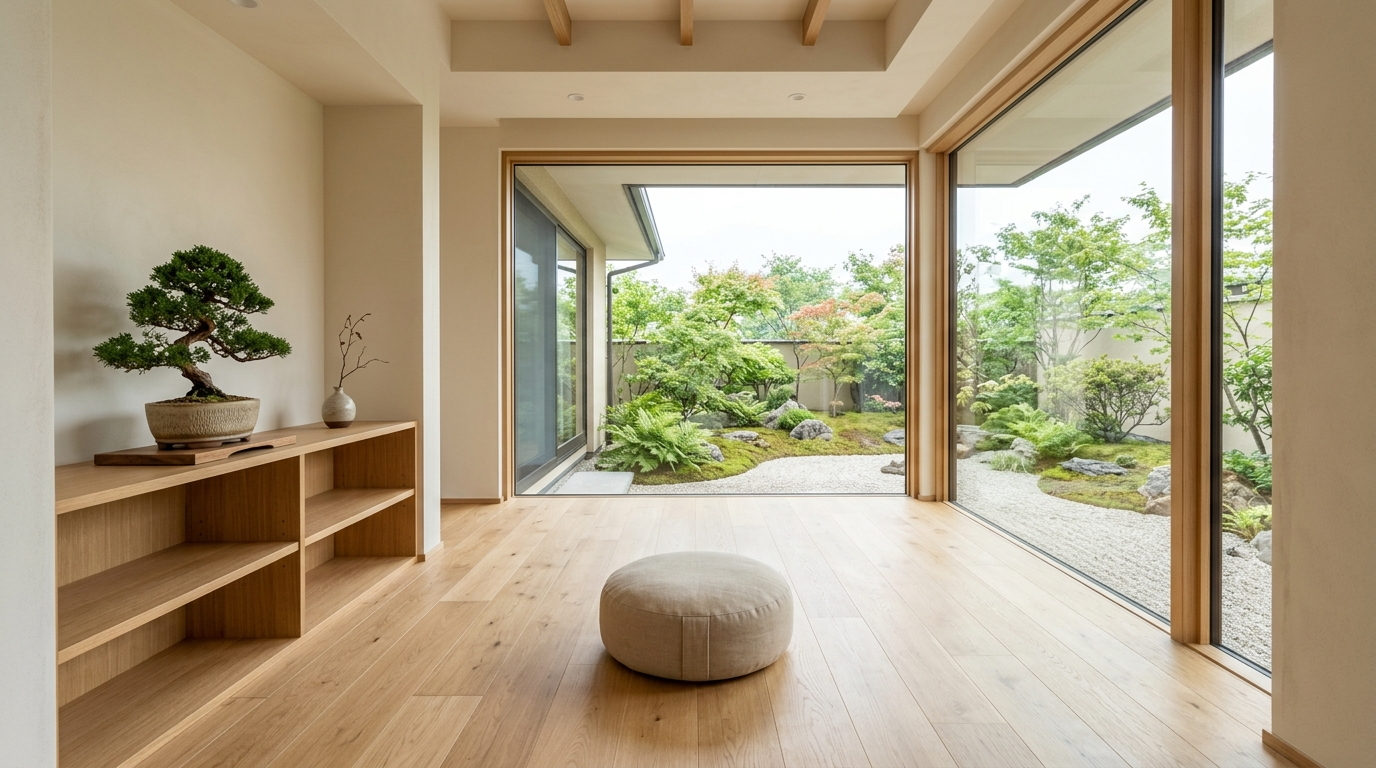
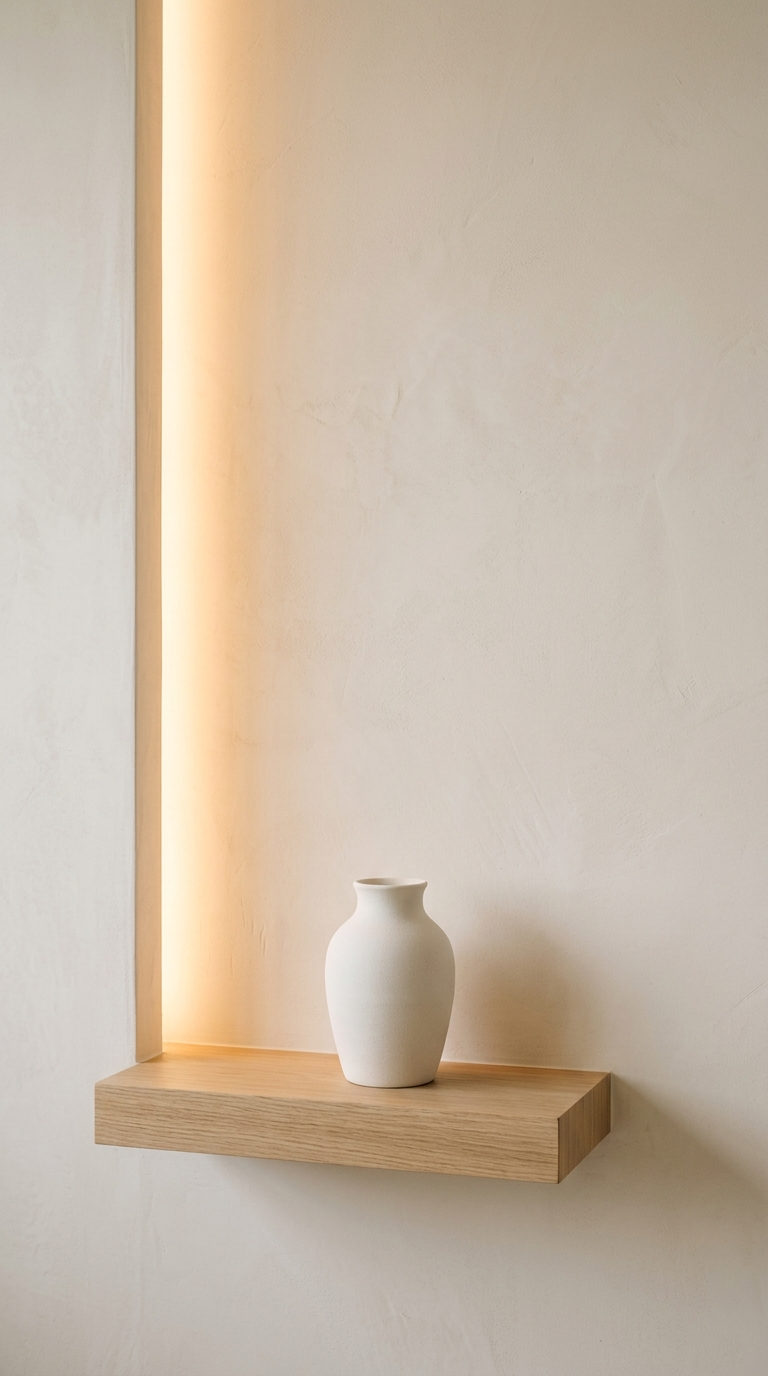
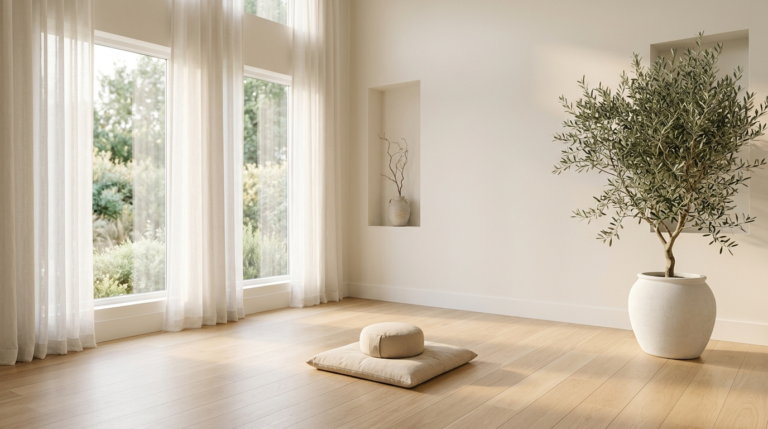
The Evolution of the Home Wellness SpaceIn recent years, the concept of the home has fundamentally shifted. It is no longer just a place to sleep and eat; it has become a sanctuary, a retreat from the overstimulating outside world. As we navigate an increasingly fast-paced digital landscape, the demand for dedicated wellness spaces within the home has skyrocketed. This is not merely a passing fad but a profound evolution in how we approach interior design and personal health. Creating a wellness room is about intentionally designing an environment that fosters physical restoration, mental clarity, and emotional balance. These spaces go far beyond the traditional home gym, incorporating elements of sensory design, biophilia, and advanced technology to create holistic healing environments. In this comprehensive trend forecast, we will explore the most impactful and innovative trends shaping home wellness spaces this year. By understanding and implementing these concepts, you can transform any spare room, basement, or even a generous corner into a bespoke sanctuary tailored to your unique restorative needs. The focus has shifted toward creating deeply personalized environments that cater to individual rituals, whether that involves seated meditation, dynamic movement, or simply unplugging from the digital world.1. The Rise of Chromotherapy and Circadian LightingOne of the most significant trends dominating wellness spaces this year is the integration of advanced lighting systems, specifically chromotherapy and circadian rhythm synchronization. Light has a profound impact on our biological clocks, mood, and energy levels. Standard overhead lighting is being replaced by intelligent, programmable systems that mimic the natural progression of sunlight throughout the day. In the morning, these systems emit cool, blue-toned light to stimulate alertness and cortisol production, gently waking the body. As the day progresses into evening, the lighting seamlessly transitions into warm, amber, and red hues, which promote the release of melatonin and prepare the body for deep, restorative sleep. Chromotherapy, or color therapy, takes this a step further by utilizing specific colors to target various emotional and physical states. For instance, bathing a room in a soft, verdant green can evoke feelings of balance and harmony, while a deep, oceanic blue can aid in intense relaxation and stress reduction. Designers are incorporating these lighting solutions into architectural coves, behind floating mirrors, and within customized ceiling panels to create a completely immersive atmospheric experience.
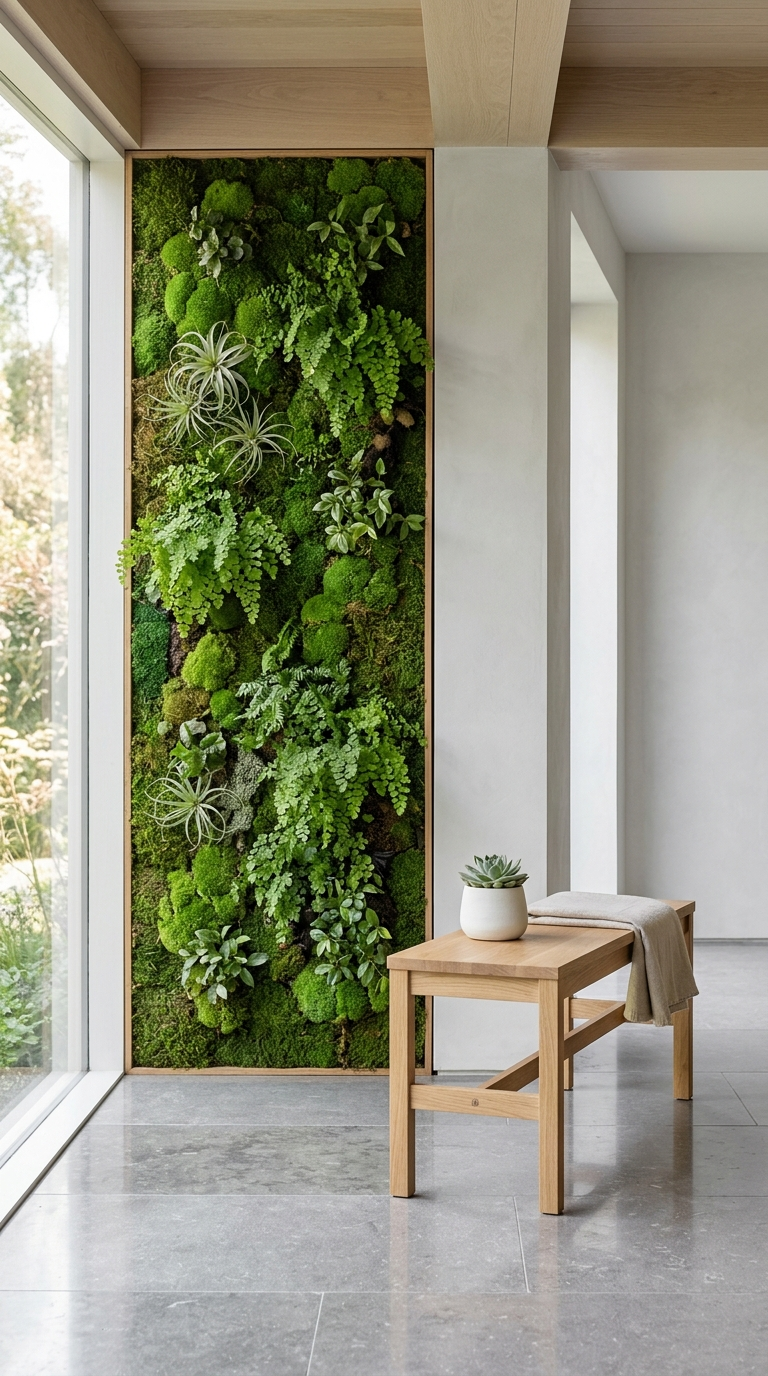
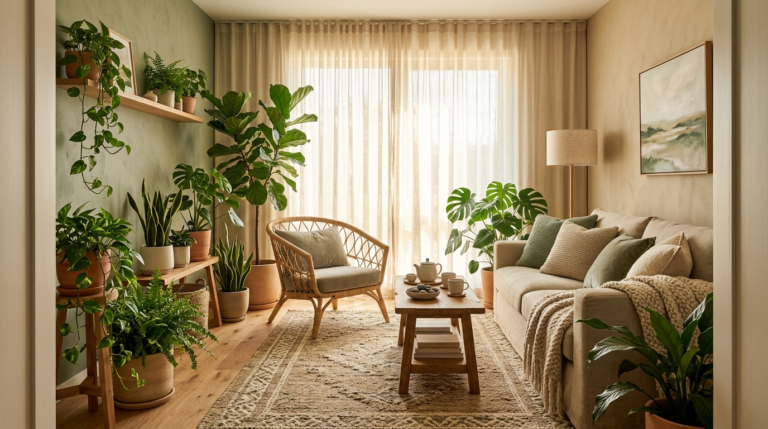
2. Acoustic Optimization and Sound Bath ZonesSilence is a luxury in the modern world, making acoustic design a critical component of any successful wellness space. The trend is moving away from purely aesthetic treatments toward highly functional acoustic optimization. This involves integrating specialized materials that absorb, diffuse, and block unwanted noise from the rest of the house or the bustling street outside. We are seeing a surge in the use of beautiful, textured acoustic wall panels made from natural cork, recycled felt, and slatted wood backed with sound-dampening insulation. Beyond merely blocking noise, these spaces are being engineered for the curation of positive soundscapes. Dedicated sound bath zones are becoming incredibly popular. These areas are specifically designed to optimize the reverberation of singing bowls, tuning forks, and ambient soundscapes played through high-fidelity, hidden speaker systems. The goal is to create an auditory cocoon where healing frequencies can resonate through the body, facilitating deep meditative states and lowering the heart rate. The flooring, wall treatments, and even the furniture are selected based on their acoustic properties, ensuring a pristine auditory environment.3. Biophilic Integration Beyond Basic HouseplantsBiophilic design—the practice of connecting people and nature within our built environments—is not a new concept, but its application in wellness spaces is reaching unprecedented levels of sophistication. We are moving far beyond a simple potted fern in the corner. Today’s wellness sanctuaries are incorporating architectural biophilia. This includes living walls that span entire vertical surfaces, built-in indoor water features that provide both visual tranquility and the soothing sound of flowing water, and the extensive use of raw, unprocessed natural materials. Designers are emphasizing organic shapes and fractal patterns found in nature, utilizing materials like rough-hewn stone, reclaimed timber with visible grain, and unpolished terracotta. The connection to the outdoors is being maximized through the strategic placement of skylights and expansive windows that frame natural vistas while maintaining privacy. Furthermore, air-purifying plant species are being thoughtfully curated and integrated into custom-built planters that serve as natural room dividers, simultaneously improving indoor air quality and providing a profound psychological connection to the natural world.
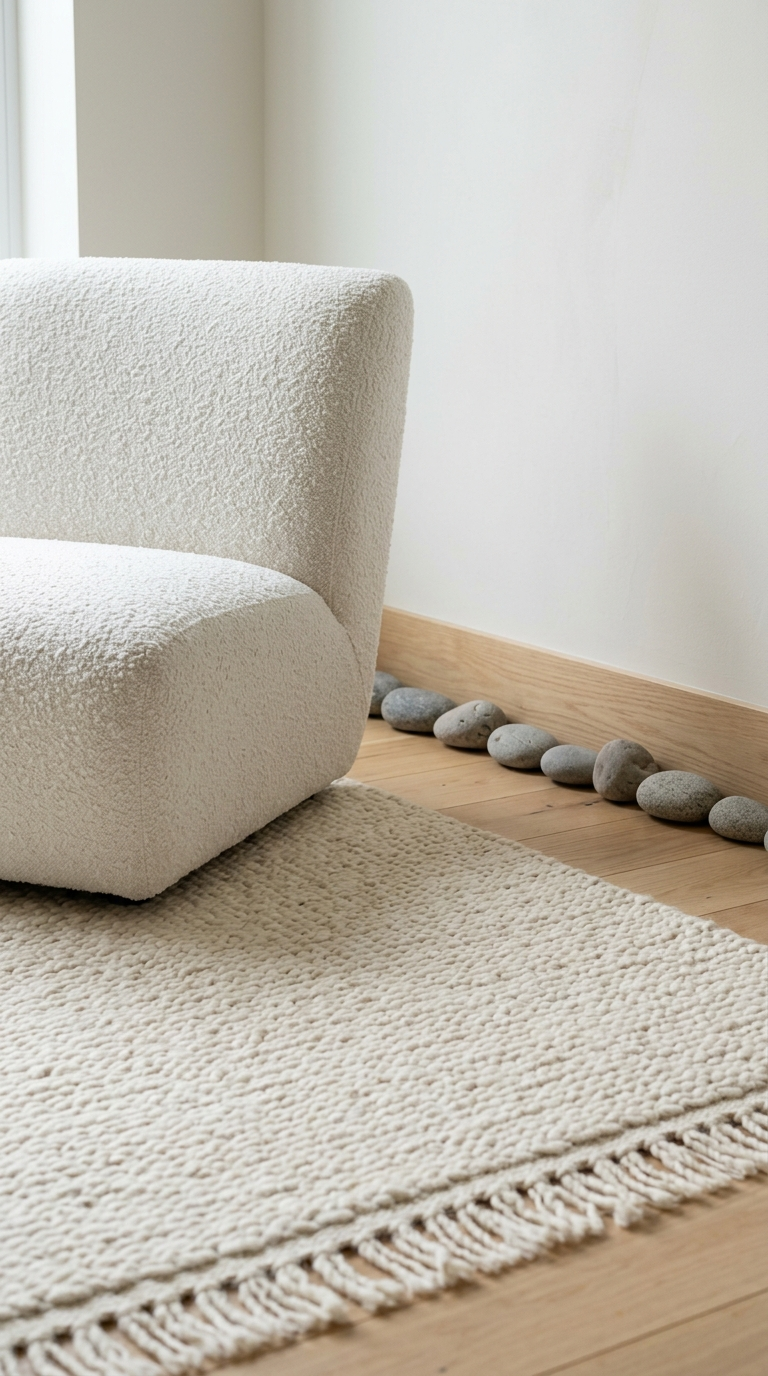
4. Digital Detox Architecture and LayoutsAs our reliance on screens and devices grows, the wellness room is increasingly becoming a strict digital detox zone. This trend is heavily influencing the architectural layout and furniture selection within these spaces. We are seeing a deliberate omission of televisions, computer desks, and even visible power outlets. Instead, the focus is on creating environments that encourage analog activities such as reading, journaling, meditation, and stretching. To enforce this digital boundary, designers are creating designated tech-drop zones at the entrance of the wellness room—beautifully crafted wooden boxes or fabric-lined bowls where smartphones and tablets must be left before entering. The layouts are intentionally designed to be inward-facing or oriented towards a focal point of tranquility, such as a fireplace, a piece of serene artwork, or a garden view, rather than oriented towards a media console. The furniture is arranged to facilitate introspection and physical grounding, promoting a profound disconnect from the relentless stream of digital information and fostering a deep reconnection with the self.5. Grounding Materials and Tactile SurfacesThe tactile experience of a wellness space is just as crucial as its visual appeal. This year, there is a massive emphasis on grounding materials that invite touch and provide sensory feedback. Our modern lives are often filled with sleek, artificial surfaces—glass screens, plastic keyboards, and synthetic fabrics. To counteract this, wellness rooms are embracing heavily textured, natural materials. Flooring is a major focal point, with a shift towards materials that feel wonderful under bare feet, such as wide-plank distressed oak, smooth river rock tiles in designated zones, or deeply plush, hand-woven wool rugs. Wall treatments are moving away from flat paint toward textured lime wash, tadelakt plaster, or natural grasscloth wallpapers that add depth and warmth to the room. The upholstery on meditation cushions, daybeds, and lounge chairs features organic cotton, linen, and bouclé, offering a soft, enveloping embrace. These tactile elements work synergistically to ground the individual, drawing their attention out of their busy minds and back into their physical bodies.
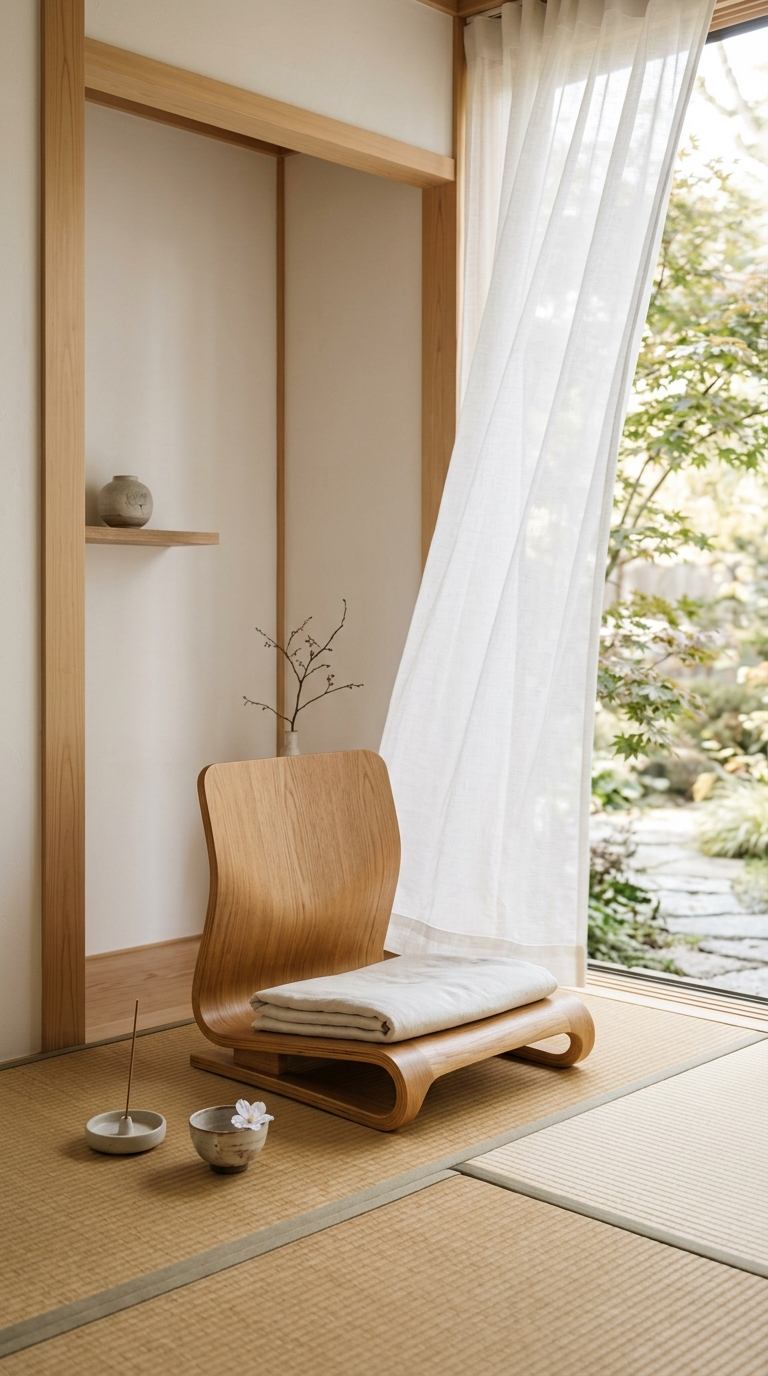
6. Advanced Air and Water Filtration as DecorHealth is fundamentally tied to the quality of the air we breathe and the water we consume. In top-tier wellness spaces, advanced filtration systems are no longer hidden away in utility closets; they are being seamlessly integrated into the design aesthetic. High-efficiency particulate air (HEPA) purifiers are now designed to look like sleek, modern sculptures or minimalist side tables. These systems are essential for removing allergens, dust, and volatile organic compounds (VOCs) that can disrupt the respiratory system and hinder relaxation. Additionally, for spaces that include a hydration station or a small tea-making area, designers are installing sophisticated under-counter water filtration systems with elegant, minimalist faucets that dispense purified, mineralized, and perfectly chilled or heated water. This ensures that the act of hydrating or preparing a restorative herbal infusion is elevated to a luxurious, health-promoting ritual within the sanctuary, all while maintaining the clean, minimalist aesthetic of the room.7. Multi-Sensory Meditation CornersThe dedicated meditation corner is evolving from a simple cushion on the floor into a highly engineered, multi-sensory experience. These micro-environments are designed to rapidly induce a state of calm and focus. The trend involves creating a designated nook, often delineated by a subtle change in flooring or a sheer, diaphanous curtain that creates a sense of enclosure without feeling claustrophobic. Within this space, comfort is paramount. We are seeing the rise of ergonomic meditation chairs that support the spine during prolonged sits, paired with weighted blankets that provide deep touch pressure therapy to calm the nervous system. The sensory experience is further enhanced by integrated, subtle aromatherapy diffusers that emit grounding essential oils like frankincense, cedarwood, or vetiver. Some high-end meditation nooks even incorporate gentle, localized heat therapy in the seating or the flooring to relax tense muscles, ensuring that the physical body is completely supported while the mind explores deep states of stillness.
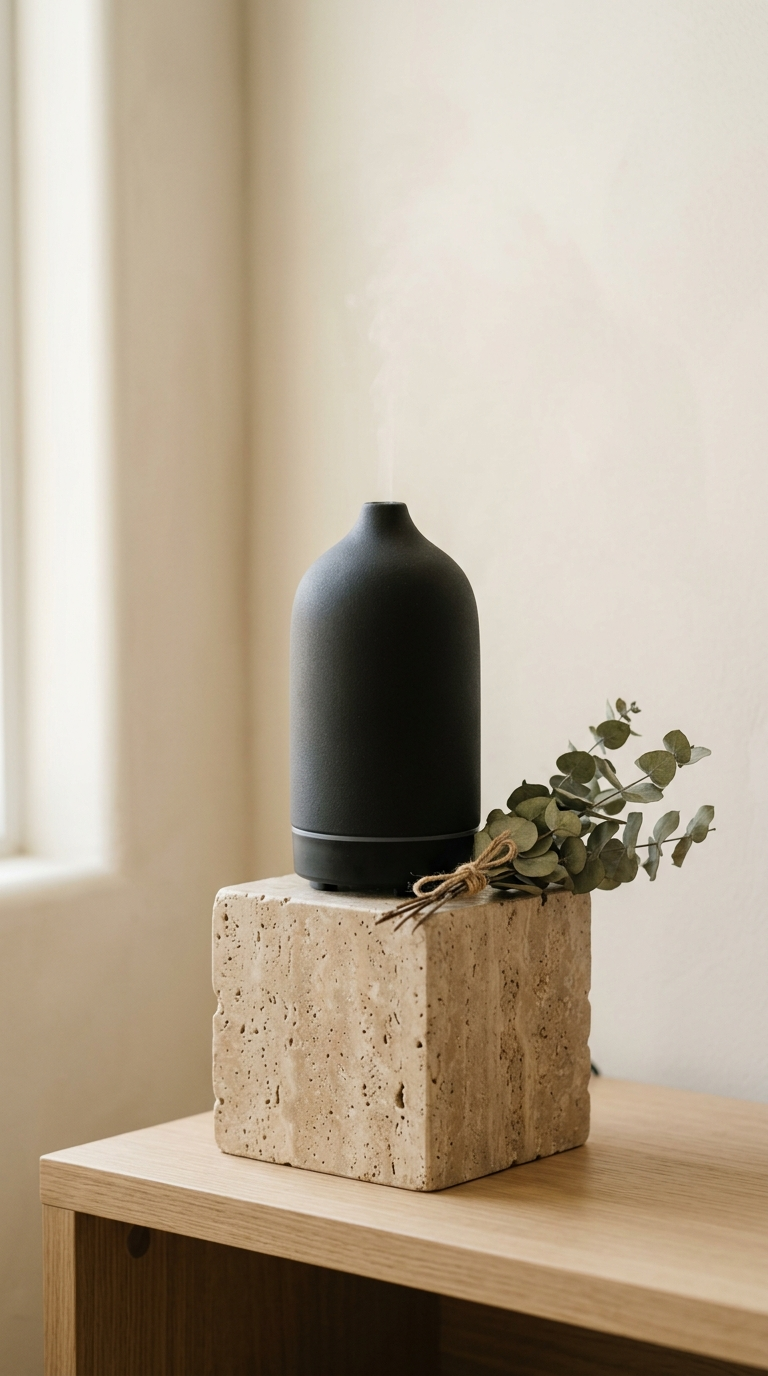
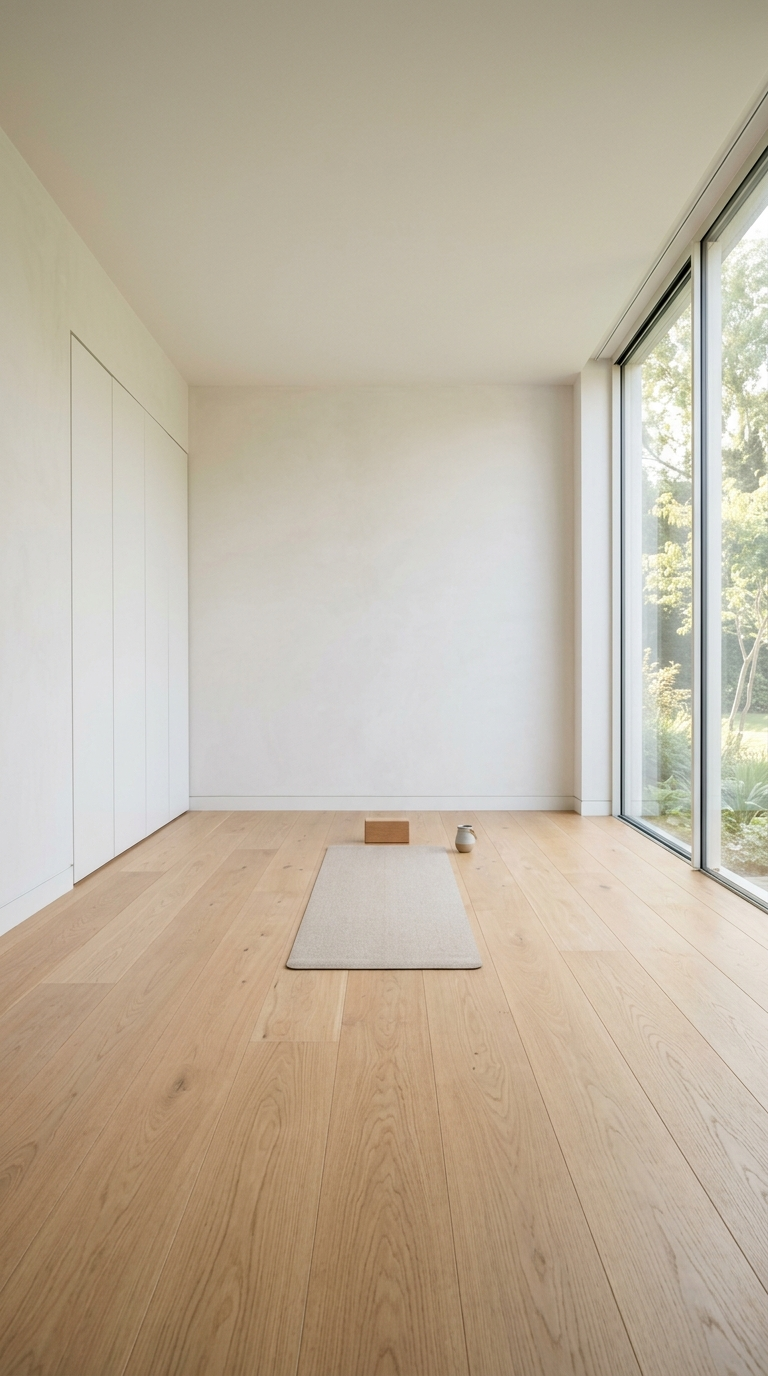
8. Movement and Flexibility ArchitectureWhile rest is crucial, movement is equally important to holistic wellness. However, the trend for home wellness spaces is moving firmly away from the heavy, mechanical equipment associated with traditional gyms. Instead, the focus is on flexibility, flow, and mindful movement practices like yoga, Pilates, and stretching. The architecture of the room must support these activities. This means prioritizing open, unobstructed floor space. Built-in storage is essential here; bespoke cabinetry is designed to seamlessly hide away yoga mats, resistance bands, foam rollers, and blocks, maintaining a clutter-free visual environment. The flooring itself is often specialized, utilizing sprung wood floors or sustainable, high-density cork that provides joint support and shock absorption. Wall-mounted ballet barres and discrete anchor points for suspension training or aerial yoga silks are being integrated elegantly into the room’s framework, disguised as architectural details when not in use. This adaptable design allows the room to shift effortlessly from a serene meditation space to an active, movement-focused studio in seconds.9. Scentscaping Your SanctuaryThe olfactory system is directly linked to the brain’s limbic system, which controls emotions and memory. Therefore, scent is a powerful tool in interior design, particularly in spaces dedicated to wellness. The practice of scentscaping involves deliberately curating the fragrance of a room to evoke specific emotional responses. In wellness spaces, synthetic air fresheners are strictly avoided. Instead, the focus is on pure, botanical aromatics. Designers are incorporating built-in cold-air diffusion systems that can be programmed to release different scents at various times of the day—perhaps an invigorating blend of citrus and peppermint in the morning for a yoga flow, followed by a calming blend of lavender and chamomile in the evening for relaxation. Beyond diffusers, scent is being introduced through natural materials, such as aromatic cedar paneling, bundles of dried eucalyptus hung in shower areas, and the ritualistic burning of high-quality incense, palo santo, or sage. This layered approach to fragrance creates an immersive atmosphere that immediately signals to the brain that it is time to unwind.
10. The Future of Personalized RestUltimately, the overarching trend in home wellness spaces is radical personalization. There is no one-size-fits-all approach. A successful wellness room must be tailored to the specific restorative needs, habits, and aesthetic preferences of the individual. This might mean prioritizing a massive, luxurious soaking tub for someone who finds peace in water, or investing in state-of-the-art acoustic treatments for a musician who needs a quiet space to decompress. It might involve creating a lush indoor jungle for a plant lover, or a stark, minimalist meditation cell for someone who craves visual silence. The role of the designer is to deeply understand the client’s wellness goals and translate them into a physical environment. As technology continues to advance, we will see even more personalization, with biometric sensors adjusting lighting, temperature, and soundscapes in real-time based on the user’s heart rate and stress levels. The home wellness space is evolving into a highly intelligent, empathetic environment dedicated entirely to human flourishing.Designing Your Ultimate RetreatCreating a home wellness space is a profound investment in your long-term physical and mental health. By embracing these current trends—from circadian lighting and acoustic optimization to biophilic design and digital detox zones—you can craft an environment that actively supports your well-being. Start small by identifying one or two trends that resonate deeply with you. Perhaps it begins with clearing a corner, introducing a comfortable cushion, and installing a beautiful, dimmable light fixture. As you experience the benefits of having a dedicated restorative space, you can slowly layer in additional elements, building a sanctuary that evolves alongside your personal wellness journey. Remember that the most important aspect of this space is intentionality. It is a room dedicated to the practice of self-care, a physical boundary between the demands of the world and the peace of your inner life. Embrace the journey of designing this space, and allow it to become the most nurturing and restorative room in your home.
Conclusion: A Commitment to Well-beingAs we look to the future of interior design, it is clear that wellness is not a passing aesthetic but a fundamental shift in how we inhabit our homes. The trends outlined in this guide represent a move toward spaces that are deeply empathetic to the human condition, designed to nurture our minds, bodies, and spirits. Whether you are undertaking a full-scale renovation or simply carving out a small, peaceful corner in an apartment, the principles remain the same: prioritize natural light, embrace grounding materials, eliminate digital distractions, and curate an environment that supports your unique rituals of restoration. By doing so, you are not just decorating a room; you are creating a vital sanctuary that will pay dividends in your overall health and happiness for years to come. May your new wellness space bring you profound peace, deep rest, and a renewed sense of balance in your daily life.
Unlock the secrets to designing wellness spaces that foster peace, relaxation, and mindfulness in your home. This elegant guide explores creating personal sanctuaries with natural elements, soft textures, and thoughtful layouts to enhance your daily well-being and create a harmonious living environment.
Discover how to transform ordinary rooms into minimalist wellness spaces. Explore serene designs, natural elements, and calming aesthetics for ultimate peace.