Working from home has become a beautiful opportunity to shape a workspace that truly supports your unique rhythm, creativity, and well-being. In this detailed how-to guide, we walk through seven thoughtful steps to design a home office that feels both whimsically inspiring and highly productive. Whether you have a dedicated room, a generous corner, or even a small nook, these practical yet imaginative ideas will help you craft a space where ideas flow freely, focus comes naturally, and every day at your desk feels like a gentle adventure rather than a chore. Let’s begin transforming your work area into a place you genuinely love spending time in.
Step 1: Choose and Define Your Ideal Workspace Location
Begin by honestly evaluating the available spaces in your home and how natural light, foot traffic, and noise levels affect your ability to concentrate. The perfect home office location often balances privacy with a connection to the rest of the house. A spare bedroom offers excellent seclusion, while a sunny corner of the living room can provide inspiring views and natural motivation. Consider the path of sunlight throughout the day; morning light can energize you for important tasks while afternoon light might create glare on screens. Once you select the spot, clearly define its boundaries using a beautiful area rug, a folding screen with whimsical patterns, or even a tall plant arrangement. This simple act of definition signals to your brain that you have entered a dedicated work zone, helping you transition more easily into focused mode each morning.
Step 2: Select Furniture That Inspires Both Comfort and Creativity
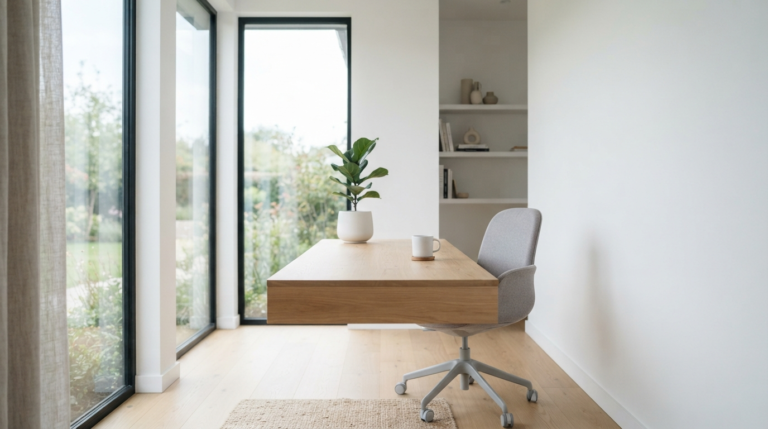
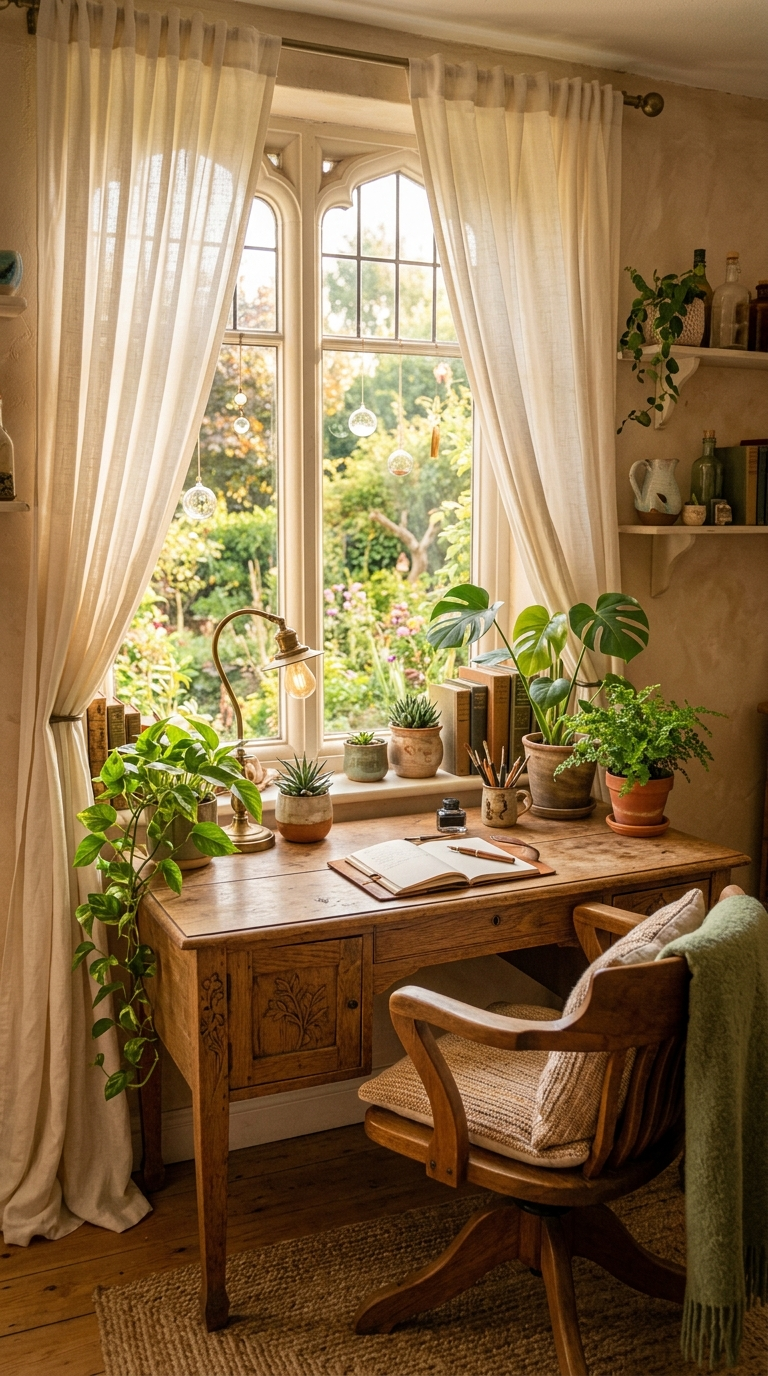
Your desk and chair form the foundation of daily comfort and should be chosen with both ergonomics and personality in mind. Look for a desk with enough surface area for your computer, notebooks, and inspiring objects while leaving room for creative movement. A height-adjustable desk allows you to alternate between sitting and standing, improving circulation and energy levels throughout long workdays. For seating, invest in a supportive ergonomic chair that you can customize with colorful cushions or a whimsical throw in a favorite pattern. Consider adding a cozy reading chair or small loveseat nearby for brainstorming sessions or phone calls that benefit from a change of posture. The goal is furniture that feels inviting rather than institutional, encouraging you to settle in happily each morning.
Don’t overlook secondary surfaces such as a rolling cart for supplies or a small side table for your favorite mug and a plant. These pieces keep your main desk clear while adding layers of functionality and visual interest. When selecting materials, mix woods, metals, and colorful accents to create a collected, personal look rather than a matching set. This eclectic approach naturally supports the whimsical aesthetic while giving your office soul and character that makes it uniquely yours.

Step 3: Layer Magical Lighting for Focus and Mood
Lighting dramatically influences both productivity and emotional well-being in a home office. Start with a strong overhead or ambient light source that illuminates the entire space evenly without harsh shadows. Then add targeted task lighting with a beautiful desk lamp featuring adjustable arms and a warm bulb that reduces eye strain during long hours of screen work or reading. To infuse whimsy, incorporate string lights, small lanterns, or even a salt lamp that casts a soft, glowing ambiance during early mornings or late evenings. Position lights at different heights and angles to create depth and visual poetry throughout the room. Avoid relying solely on overhead fixtures; the layered approach allows you to adjust the mood instantly depending on the task at hand, whether you need bright clarity for detailed work or softer illumination for creative brainstorming.
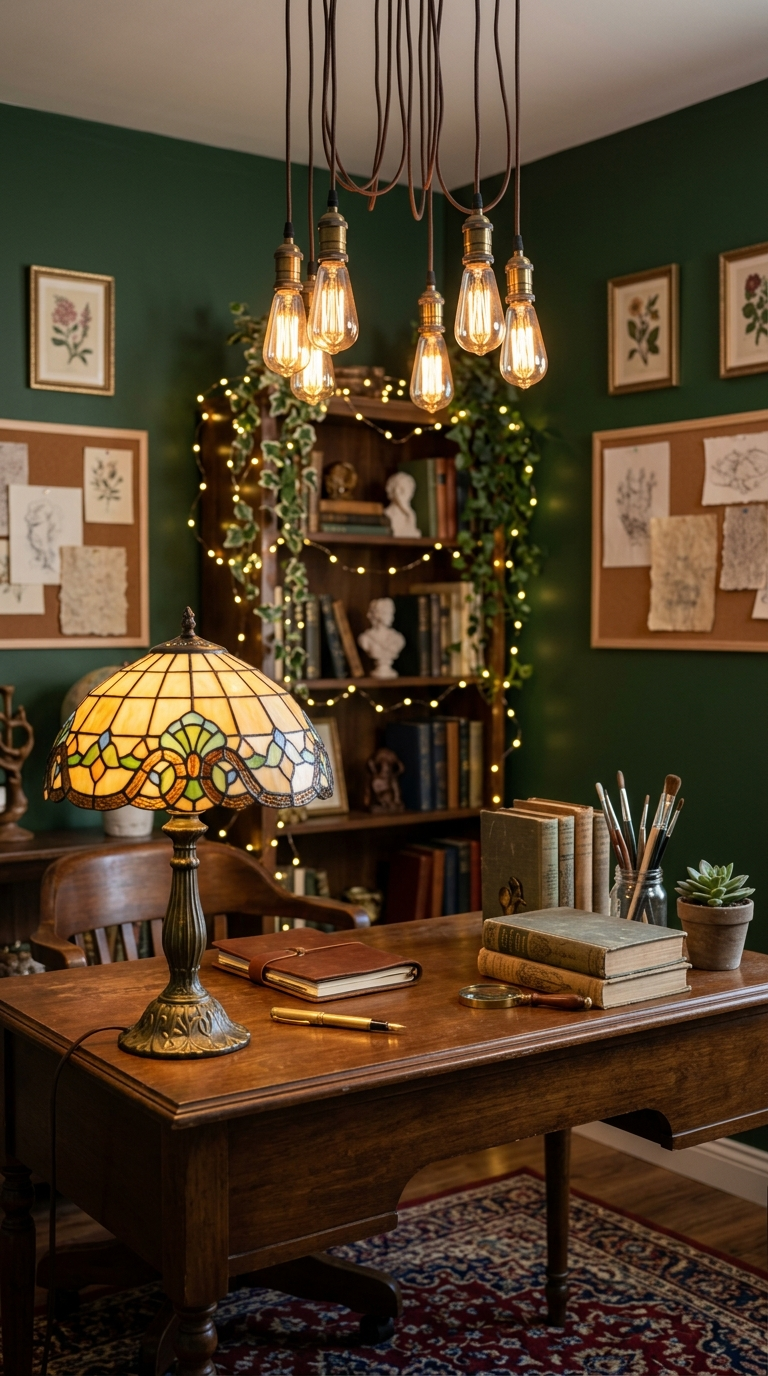
Step 4: Organize with Whimsical Storage That Sparks Joy
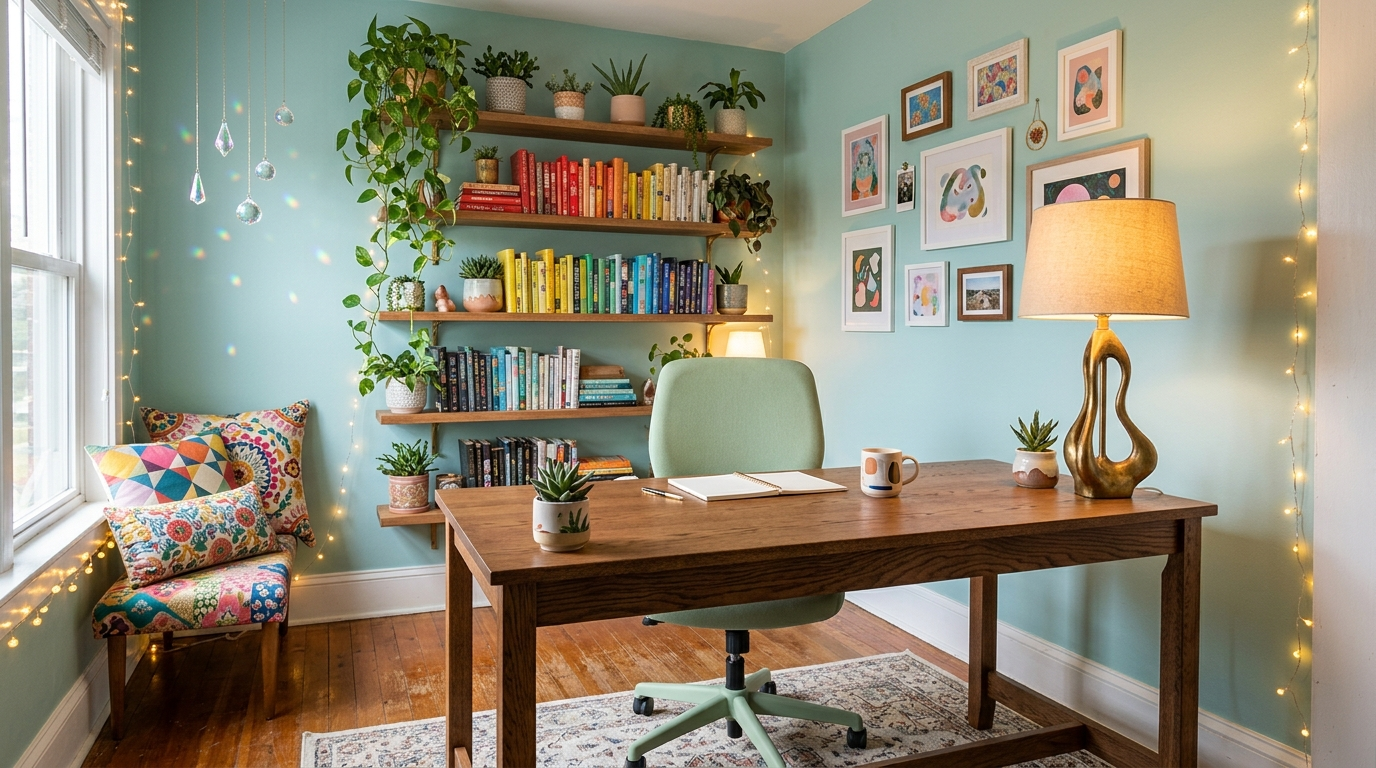
Clutter is the enemy of both focus and inspiration, so thoughtful storage solutions are essential. Begin by assessing what you truly need within arm’s reach and what can live on shelves or in drawers. Use beautiful boxes, baskets, and trays in complementary colors and textures to corral supplies, papers, and small electronics. Open shelving allows you to display inspiring books, plants, and meaningful objects while keeping them accessible. For a whimsical touch, incorporate floating shelves arranged in unexpected patterns or painted in soft, dreamy hues. Label storage discreetly or use color-coding systems that feel playful rather than corporate. The key is creating systems that are both functional and visually delightful so that maintaining order feels like a pleasant ritual rather than a dreaded chore.
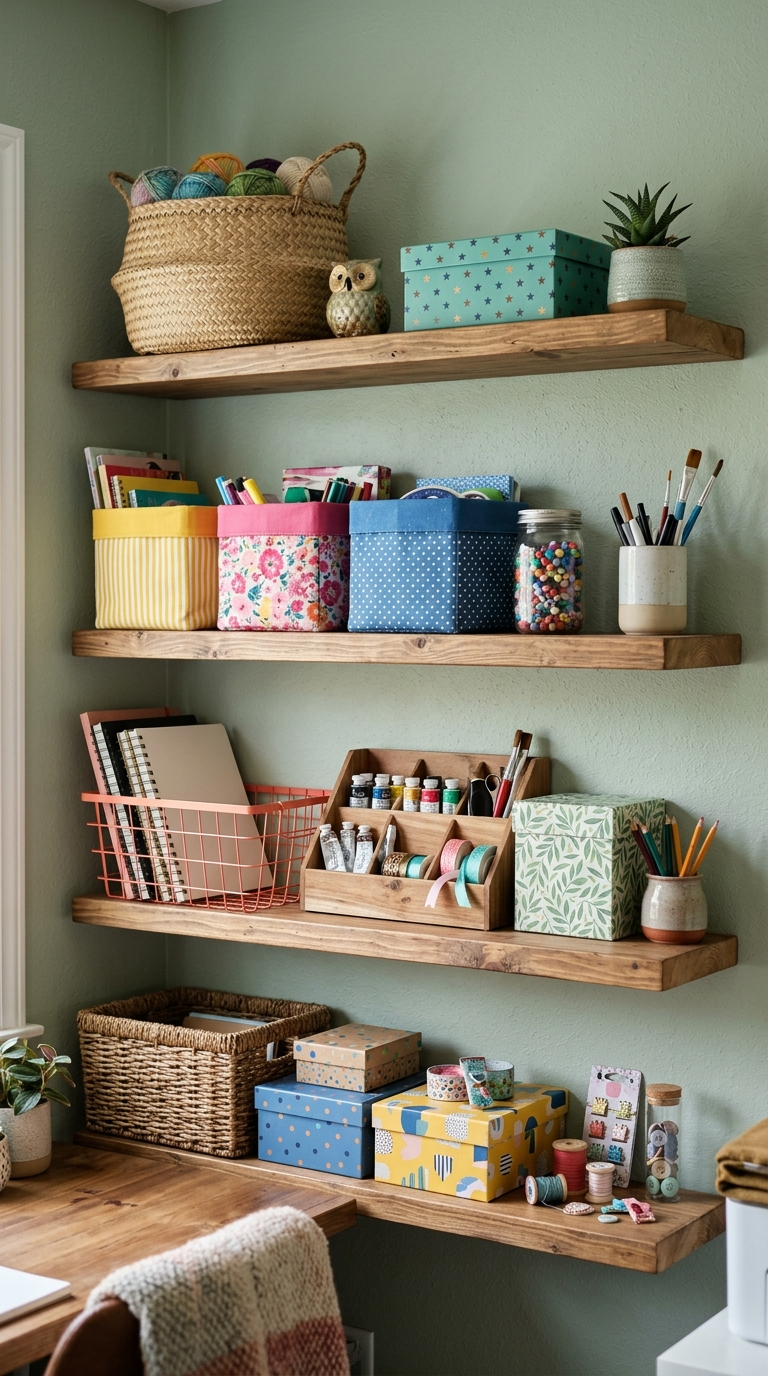
Step 5: Infuse Personality with Art, Plants, and Personal Objects
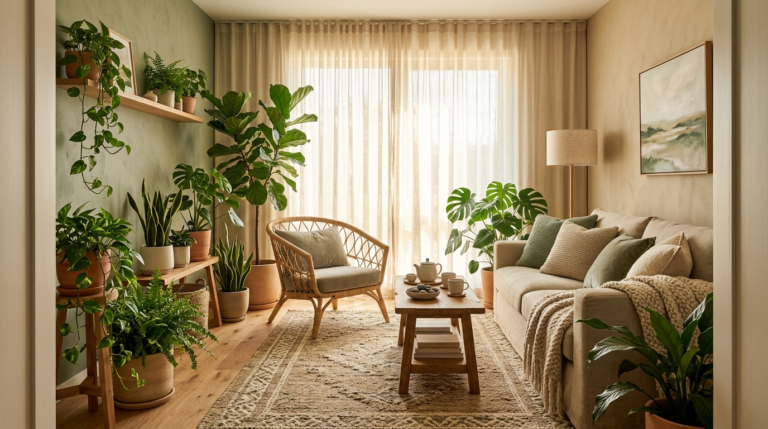
A home office should reflect who you are and what inspires you. Hang artwork, prints, or photographs that make you smile or spark ideas the moment you glance up from your screen. Incorporate plenty of plants in varying sizes and leaf shapes; they purify air, reduce stress, and bring life to the space. Place meaningful objects on your desk or shelves – a small collection of crystals, a handmade mug from a favorite trip, or a whimsical figurine that makes you laugh. These personal elements create emotional anchors that make the workspace feel supportive and joyful. Rotate items seasonally or when you feel your creativity needs a fresh boost. The goal is a space that feels like a gentle hug every time you enter it, nurturing both your professional ambitions and your inner creative spirit.
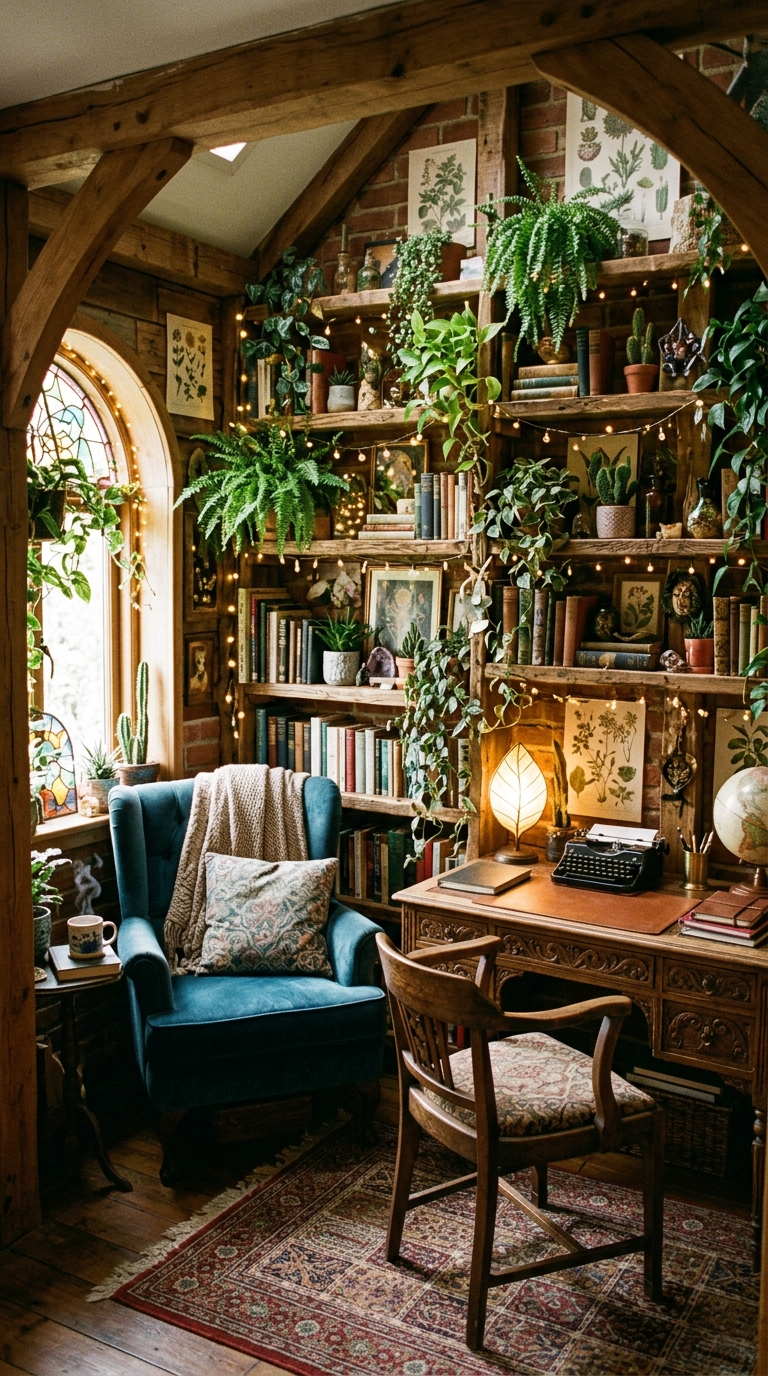
Step 6: Create Zones for Different Types of Work
Most people perform several distinct types of work throughout the day, and defining zones helps your brain switch contexts smoothly. Designate your main desk area for focused computer work and calls. Create a secondary zone, perhaps a comfortable chair with good lighting and a side table, for reading, brainstorming, or journaling. If space allows, add a small standing desk or high counter for tasks that benefit from movement. Use rugs, lighting changes, or even a change of music to signal transitions between zones. This zoning strategy prevents the mental fatigue that comes from sitting in one spot for too many hours and keeps energy and creativity flowing throughout your workday.
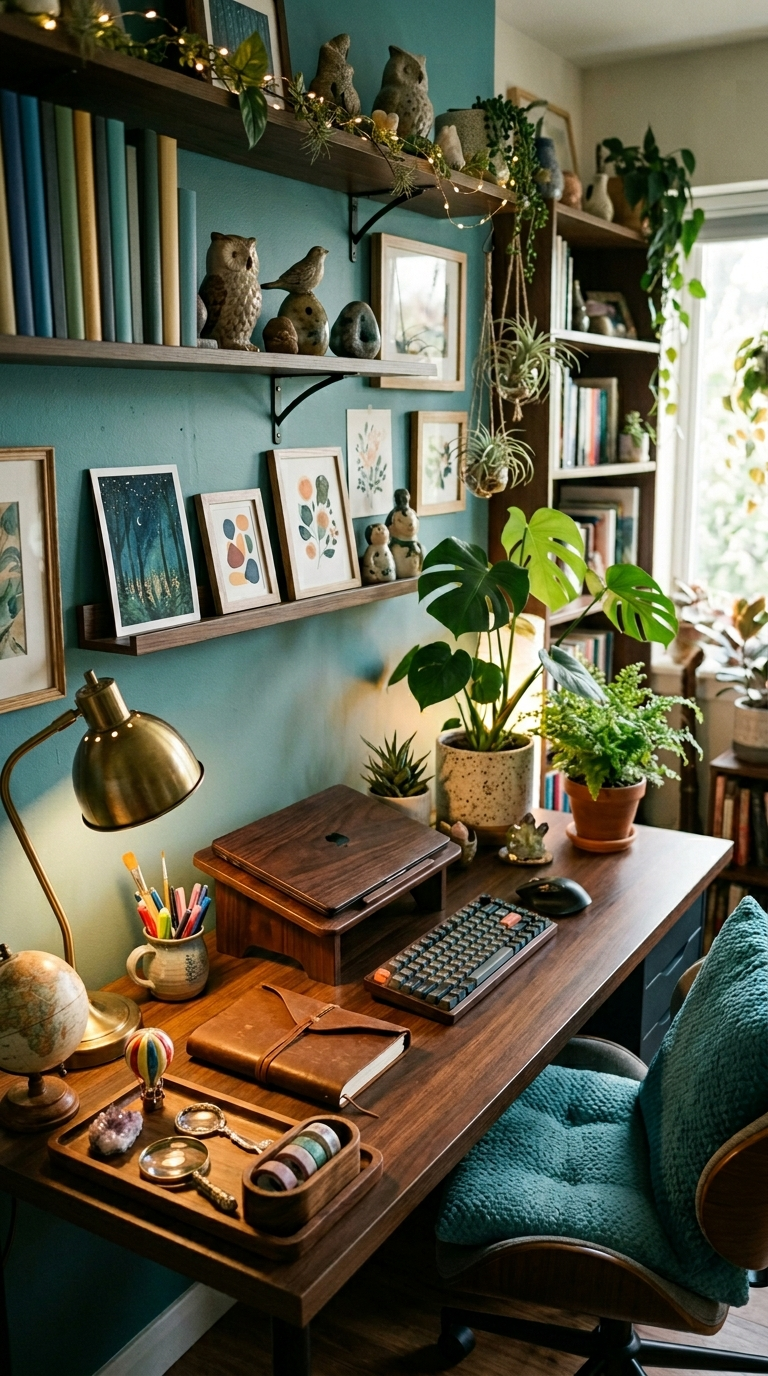
Step 7: Establish Daily Rituals That Honor Your Space
The most beautifully designed home office will only serve you well if you develop supportive daily rituals around it. Begin each workday by opening the curtains or blinds, turning on your favorite lamp, and perhaps watering a plant or arranging fresh flowers on your desk. At the end of the day, take five minutes to tidy surfaces, close your laptop, and perhaps light a candle or play soft music as you transition out of work mode. These small ceremonies signal to your mind and body when it is time to focus and when it is time to rest. Over time, they become powerful anchors that improve both productivity and work-life balance. Your whimsical home office is more than a place to work; it is a sanctuary you have intentionally created to support the best, most creative version of yourself every single day.