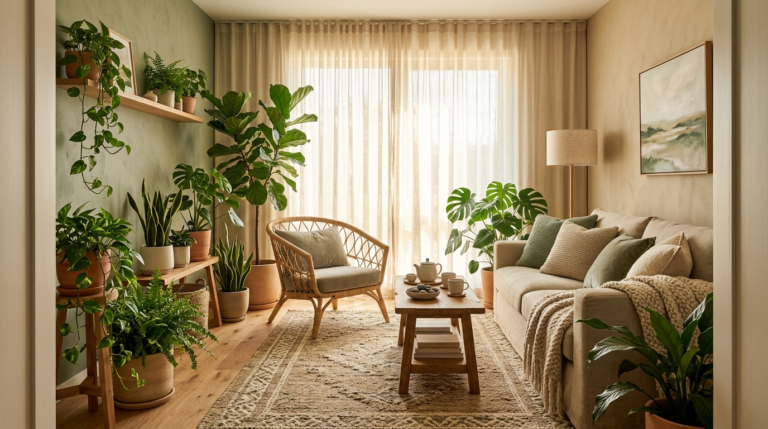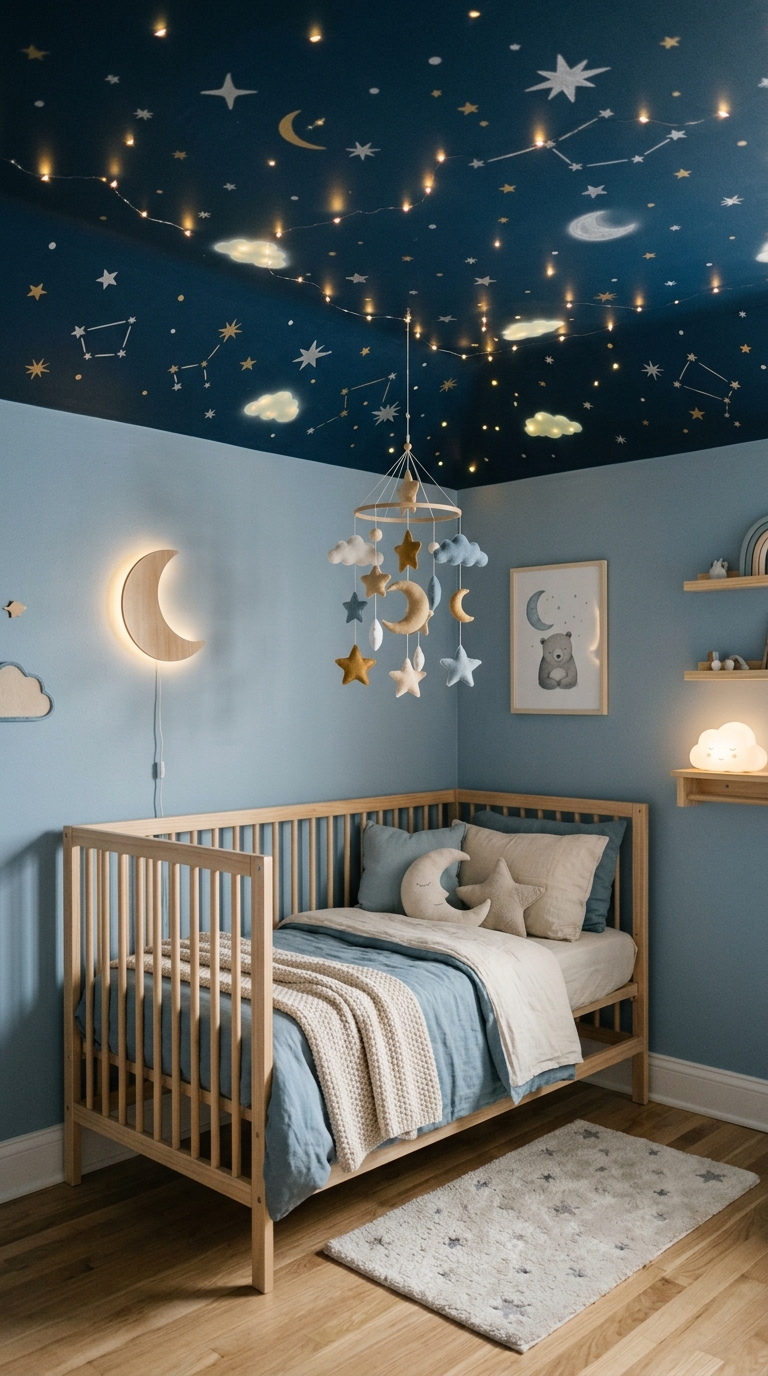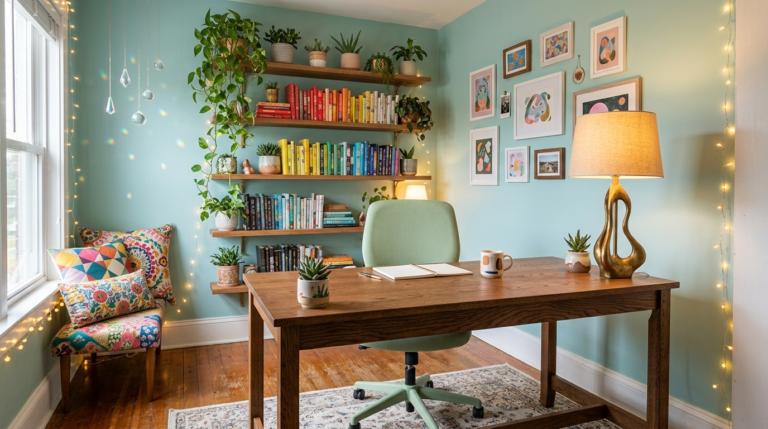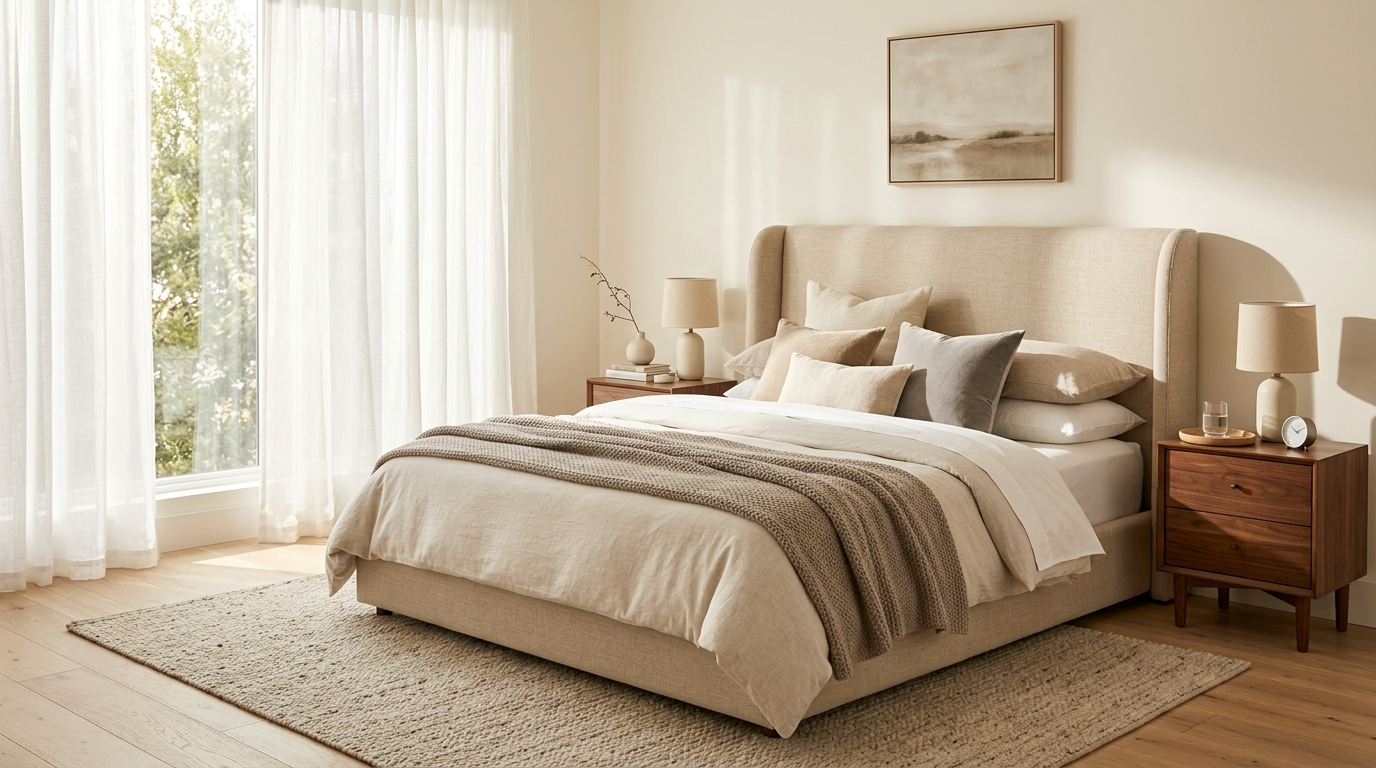
There is something profoundly restorative about stepping into a bedroom that feels like a true sanctuary—a space designed not just for sleep but for quiet reflection, intimate conversations, and the gentle rituals that bookend our days. Creating such a room is an art that balances practical considerations with emotional resonance, resulting in a personal space that nurtures well-being and offers respite from the demands of the outside world. This exploration of bedroom design takes a narrative approach, weaving together principles of color, texture, furniture, and light into a cohesive vision of what makes a bedroom truly special. Rather than prescriptive rules, we offer inspiration drawn from timeless design traditions and contemporary interpretations, encouraging you to adapt these ideas to your own taste, lifestyle, and the unique character of your home. The most beautiful bedrooms are those that feel like natural extensions of the people who inhabit them—personal, comforting, and quietly luxurious in ways that matter most to daily life.
The Foundation: A Color Palette That Soothes
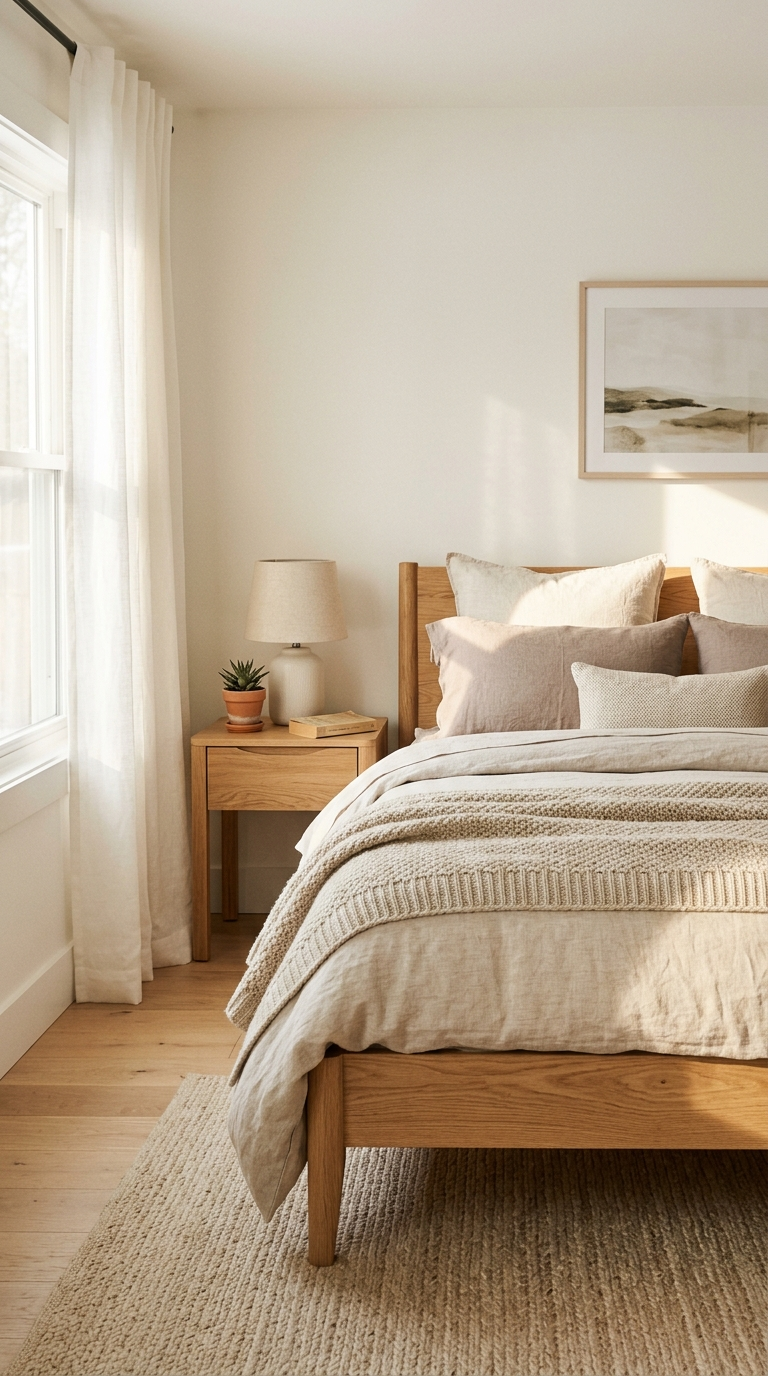
The colors that surround us as we wake and as we prepare for sleep have a profound effect on our mood and our ability to rest deeply. A serene bedroom palette typically begins with a foundation of warm neutrals—soft creams, warm taupes, gentle greiges, and muted beiges—that create a sense of calm and continuity. These tones provide a versatile backdrop that allows other elements to shine while fostering a feeling of spaciousness and light. Layer in subtle variations of these neutrals through textiles and finishes to add depth without introducing visual noise. For those who crave a touch of color, consider dusty blues, soft sage greens, or warm terracotta accents that evoke nature and promote relaxation. The key is restraint and intention: select a limited palette and repeat it throughout the room in different textures and intensities. This creates cohesion and prevents the space from feeling disjointed or overwhelming. Many successful serene bedrooms also incorporate the natural colors of wood, stone, and plant life, bringing the outdoors in and reinforcing the connection to nature that supports rest and renewal.
When developing your color scheme, consider how light interacts with your choices throughout the day. North-facing rooms may benefit from warmer tones to counteract cooler natural light, while south-facing spaces can handle cooler or more saturated colors without feeling stark. Test paint samples on multiple walls and observe them at different times before committing. The most serene bedrooms often feature walls in a single soft color or subtle texture, allowing the focus to remain on the bed as the emotional and visual center of the room. Remember that color extends beyond paint to include bedding, curtains, rugs, and upholstery. A thoughtful palette creates a sense of harmony that supports the bedroom’s primary purpose: rest, restoration, and quiet enjoyment of personal space. This foundation sets the stage for all other design decisions and establishes the emotional tone of your sanctuary.
Weaving Comfort Through Textiles and Layers
Textiles are the soul of a bedroom, transforming a collection of furniture into a space that feels warm, inviting, and deeply comfortable. Begin with the foundation of quality bedding—sheets and pillowcases in natural fibers like cotton, linen, or bamboo that feel soft against the skin and breathe well throughout the night. Layer a duvet or comforter in a weight appropriate for your climate, then add throws and blankets in varying textures for visual interest and practical warmth. The art of layering extends to the bed itself: mix pillow sizes and shapes, combining firm sleeping pillows with softer decorative ones in complementary fabrics. A well-made bed with thoughtful layering invites you to linger and creates a focal point that anchors the entire room. Beyond the bed, consider curtains or drapes in substantial fabrics that provide privacy, light control, and softness. Area rugs in natural fibers or soft wool add comfort underfoot and help define zones within the room while contributing to acoustic softness that enhances the sense of calm.
The textures you choose tell a story about the room and the life lived within it. Linen offers casual elegance and beautiful movement, while velvet or boucle adds luxurious softness and depth. Wool throws and sheepskin rugs bring natural warmth and organic texture. The interplay of these materials creates visual and tactile richness that engages the senses and makes the space feel alive and welcoming. When selecting textiles, consider not only how they look but how they feel and how they will age. Natural fibers develop character over time, becoming softer and more beautiful with use. This patina of life contributes to the authentic, personal quality that distinguishes truly serene bedrooms from those that feel merely decorated. The layering process is ongoing—adjusting with the seasons, adding new pieces that speak to you, and editing when something no longer serves the vision. Through thoughtful textile choices, you create a bedroom that feels like a gentle embrace, supporting rest and inviting you to slow down and savor the quiet moments of your day.

Furniture That Supports Rest and Reflection
The furniture in a bedroom should serve both practical needs and the emotional purpose of the space as a sanctuary. The bed, of course, is the undisputed centerpiece, and choosing one that is appropriately scaled, comfortable, and visually appealing sets the tone for everything else. Consider the headboard carefully—it can be upholstered for softness and quiet luxury, wooden for natural warmth, or minimal for a more contemporary feel. Nightstands should be functional yet beautiful, providing surfaces for lamps, books, and personal items while contributing to the overall composition. A dresser or chest of drawers offers essential storage while serving as a surface for display. If space allows, a comfortable chair or small chaise creates a reading nook or quiet corner for reflection, transforming the bedroom from a purely functional sleeping space into a true retreat. When selecting furniture, prioritize quality and comfort over trends, choosing pieces that will serve you well for many years and develop character with use.
Beyond the major pieces, consider how smaller furniture elements contribute to the room’s function and atmosphere. A small desk or writing table can provide a place for journaling or quiet work without bringing the energy of a full home office into the bedroom. A vanity or dressing table with a mirror supports personal care rituals and adds a touch of elegance. Storage solutions should be ample and well-organized to maintain the calm, uncluttered feeling essential to a sanctuary. Built-in solutions or custom cabinetry can maximize storage while maintaining clean lines, but freestanding pieces offer flexibility and character. The arrangement of furniture should support natural movement and create clear pathways, avoiding the common mistake of crowding the room with too many pieces. The most serene bedrooms often feature fewer, better-chosen items arranged with intention, allowing each piece to breathe and contribute to the overall sense of calm and order. This thoughtful approach to furniture selection and placement creates a space that feels both functional and deeply restful.
Lighting That Creates Magic and Supports Well-Being
Lighting in a bedroom must serve multiple purposes: providing adequate illumination for daily activities like reading and dressing, creating a soothing atmosphere for winding down, and supporting healthy sleep patterns. A layered lighting scheme begins with ambient sources—perhaps a central fixture on dimmer, wall sconces, or cove lighting that provides soft, even illumination without harsh shadows. Task lighting includes bedside lamps positioned for comfortable reading, perhaps with adjustable arms or dimmers for individual control. Accent lighting can highlight artwork, illuminate a reading chair, or create a gentle glow from within a bookcase or cabinet. The quality of light matters as much as quantity; warm color temperatures (2700K or lower) promote relaxation and signal to the body that it is time to rest. Avoid cool, bright light in the evening hours, and consider smart bulbs or systems that can be programmed to shift color temperature throughout the day, supporting your natural circadian rhythms.
The placement and style of lighting fixtures contribute significantly to the room’s character. Bedside lamps should be appropriately scaled for nightstands and provide light that falls comfortably on reading material without shining directly into eyes. Wall-mounted sconces free up surface space and create a clean, tailored look. A statement chandelier or pendant can add drama and elegance, particularly in rooms with high ceilings, but should be chosen with care to avoid overwhelming the space or creating glare. Dimmers are essential for every light source in a bedroom, allowing you to adjust the mood from bright and energizing in the morning to soft and soothing at night. Consider also the role of natural light and how window treatments can control it throughout the day—blackout curtains or shades for complete darkness during sleep, and sheer options that filter light beautifully during the day. Thoughtful lighting transforms a bedroom from a merely functional space into one that feels magical and deeply nurturing, supporting both the practical rhythms of daily life and the emotional need for sanctuary.
Personal Touches That Make It Truly Yours
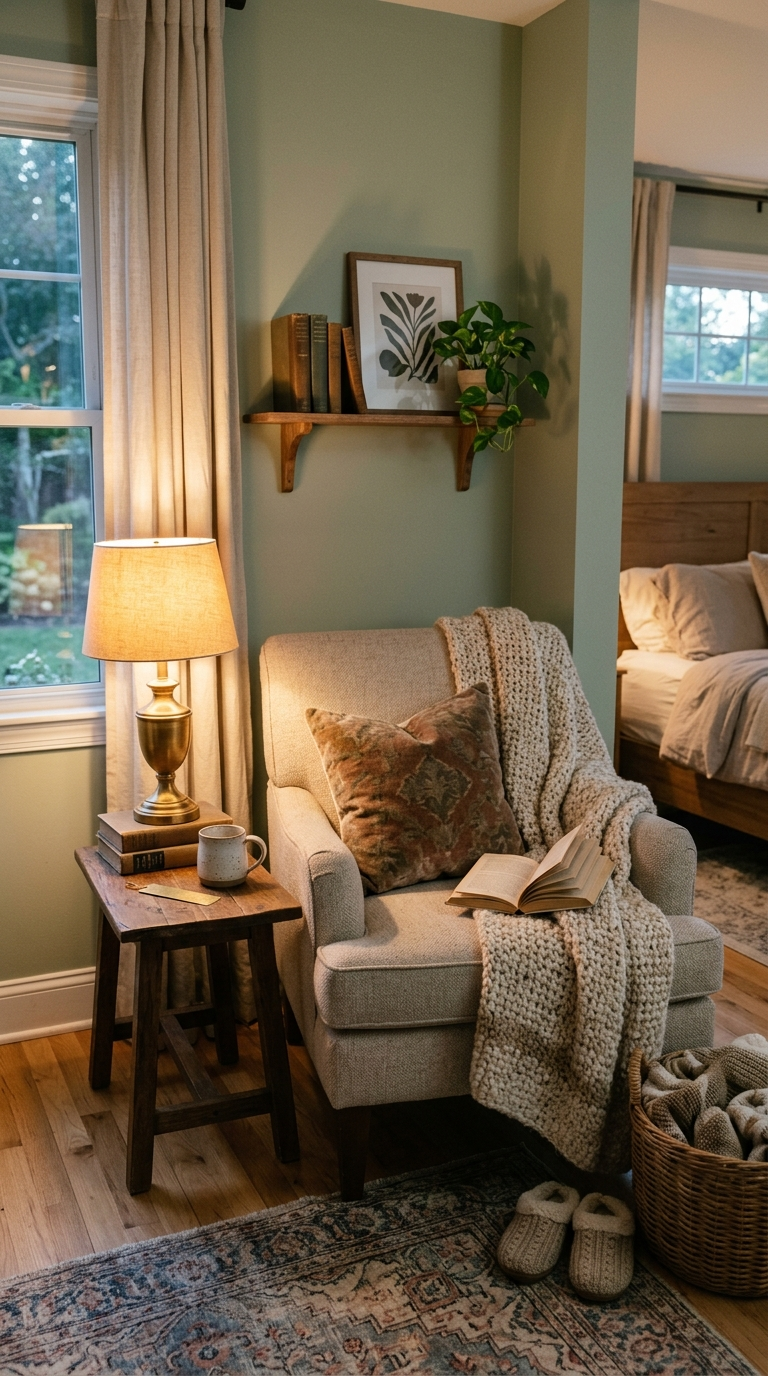
While design principles provide guidance, the most meaningful bedrooms are those infused with personal touches that reflect the lives, tastes, and stories of the people who sleep there. Artwork that speaks to you—whether original pieces, prints, photographs, or textiles—adds soul and visual interest while expressing your unique perspective. A carefully curated collection of objects on nightstands, dressers, or shelves tells the story of your travels, relationships, and interests without creating clutter. Fresh flowers or greenery bring life and natural beauty, connecting the indoor sanctuary to the world outside. Scent plays a powerful role in creating atmosphere and supporting rest; consider a diffuser with calming essential oils, a bowl of dried lavender, or simply the fresh scent of clean linens. These personal elements should be chosen and arranged with intention, avoiding the accumulation of objects that no longer bring joy or serve a purpose. The goal is a space that feels authentically yours—comfortable, meaningful, and quietly expressive of who you are.
Personalization also extends to the rituals and routines that unfold in the bedroom. Creating designated spaces for these activities—a small tray for morning tea or evening reading, a journal and pen within easy reach, a meditation cushion in a quiet corner—honors the importance of these moments and makes them more likely to happen. The bedroom should support not only sleep but also the quiet activities that nourish your inner life: reading, writing, gentle stretching, or simply lying still and letting thoughts settle. When you design with these personal needs in mind, the room becomes more than a place to sleep; it becomes a true sanctuary that supports your well-being in all its dimensions. The most successful personal spaces evolve over time as you do, with new elements added and others edited as your life and tastes change. This ongoing conversation between you and your space is what makes a bedroom truly alive and deeply yours.
Balancing Minimalism with Warmth and Comfort
One of the common challenges in creating a serene bedroom is finding the right balance between minimalism and the warmth and comfort that make a space feel like home. Minimalism in the bedroom often means fewer pieces of furniture, a restrained color palette, and surfaces kept relatively clear of clutter. This approach can create a sense of calm and spaciousness that supports rest. However, taken too far, minimalism can feel cold or sterile, lacking the softness and personality that make a bedroom inviting. The key is warm minimalism—clean lines and uncluttered surfaces combined with rich textures, natural materials, and personal elements that add soul. A bed with beautiful linens and layered textures, a single meaningful piece of art, a plant that brings life, and lighting that creates a gentle glow—these elements provide warmth within a minimalist framework. The goal is a space that feels both orderly and lived-in, simple yet deeply comfortable.
Achieving this balance requires ongoing attention and editing. Regularly assess your bedroom and remove anything that feels unnecessary or disrupts the calm you are cultivating. At the same time, be intentional about adding elements that bring warmth and personal meaning. The most successful serene bedrooms often feature a few high-quality, well-loved pieces rather than many lesser ones. This edited approach extends to daily habits as well—making the bed each morning, clearing surfaces before sleep, and returning items to their designated places creates an environment that supports the calm and order you have designed. The balance between minimalism and warmth is not a fixed destination but an ongoing practice of attention and intention. When you find the sweet spot for your particular space and lifestyle, you create a bedroom that feels both beautifully simple and deeply nurturing—a true sanctuary for rest, reflection, and renewal.
Similar Posts
The Serene Beauty of Wellness Spaces: Crafting Mindful Retreats at Home
Unlock the secrets to designing wellness spaces that foster peace, relaxation, and mindfulness in your home. This elegant guide explores creating personal sanctuaries with natural elements, soft textures, and thoughtful layouts to enhance your daily well-being and create a harmonious living environment.
Beautiful Shelves and Storage Ideas That Transform Bedrooms into Sanctuaries
Explore elegant bedroom storage and shelving solutions that combine beauty with practicality. From built-in bookcases to floating nightstand alternatives, discover how thoughtful design creates serene, organized retreats perfect for rest and rejuvenation.
5 Nursery Decor Mistakes That Quietly Ruin the Room
Avoid these 5 common nursery decor mistakes that can make the room feel cluttered, unsafe, or impractical—plus simple fixes for each one.
16 Whimsical Kids Nursery Ideas That Spark Imagination and Sweet Dreams
Create magical spaces for little ones with these 16 creative kids nursery ideas. From dreamy themes to practical storage and cozy corners, find inspiration for nurturing creativity while ensuring comfort and safety. Perfect for new parents designing joyful, functional nurseries full of wonder.
How to Design a Whimsical Yet Productive Home Office in 7 Steps
Follow this complete step-by-step guide to create a home office that sparks creativity, boosts focus, and feels like a magical personal sanctuary filled with whimsical charm and smart functionality.
Beautiful Bedroom Sanctuaries: Shelves, Storage & Personal Touches That Transform Your Space
Explore elegant ideas for creating cozy bedroom and personal spaces with clever storage, beautiful shelves, and thoughtful details. Turn your private retreat into a harmonious haven of comfort and style that reflects your unique personality.