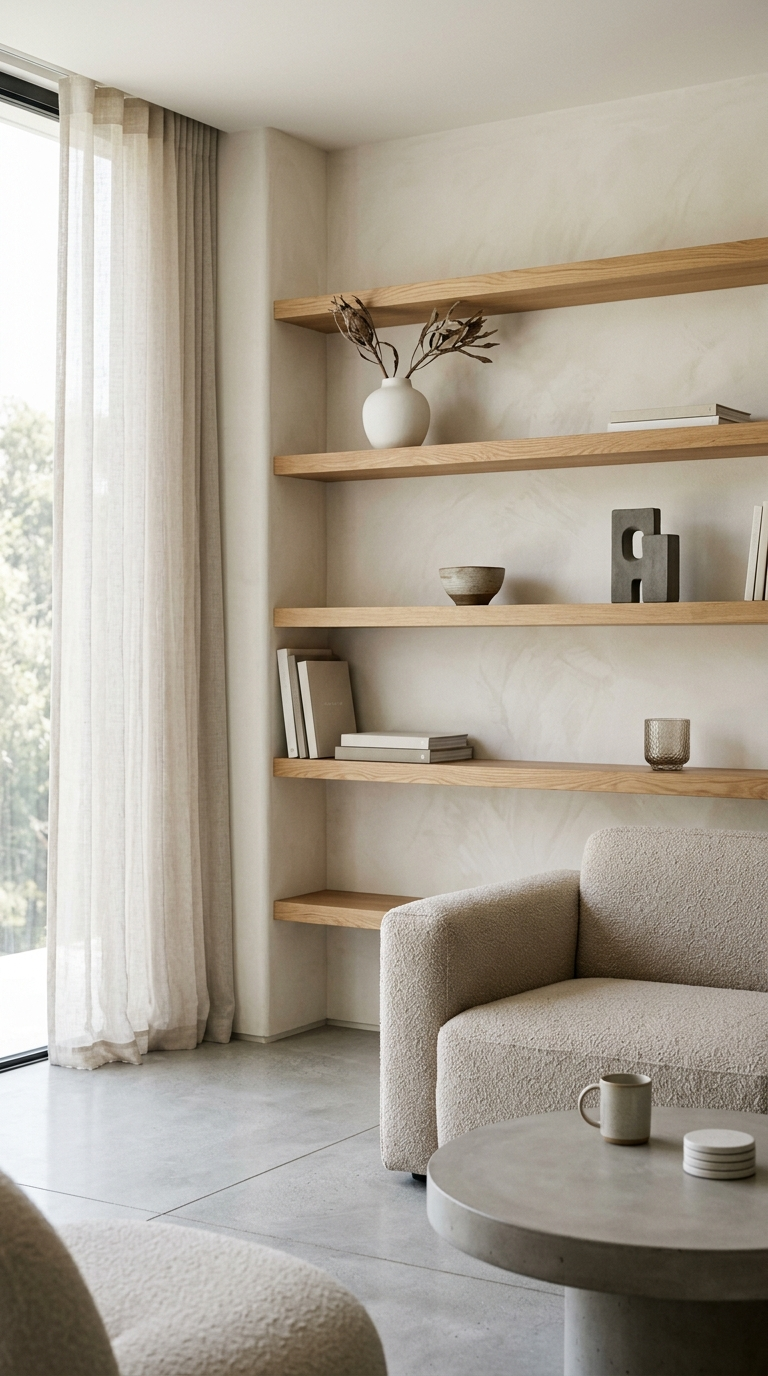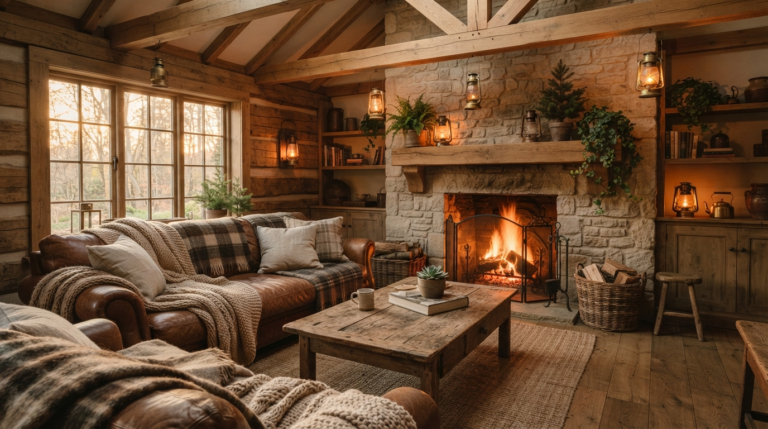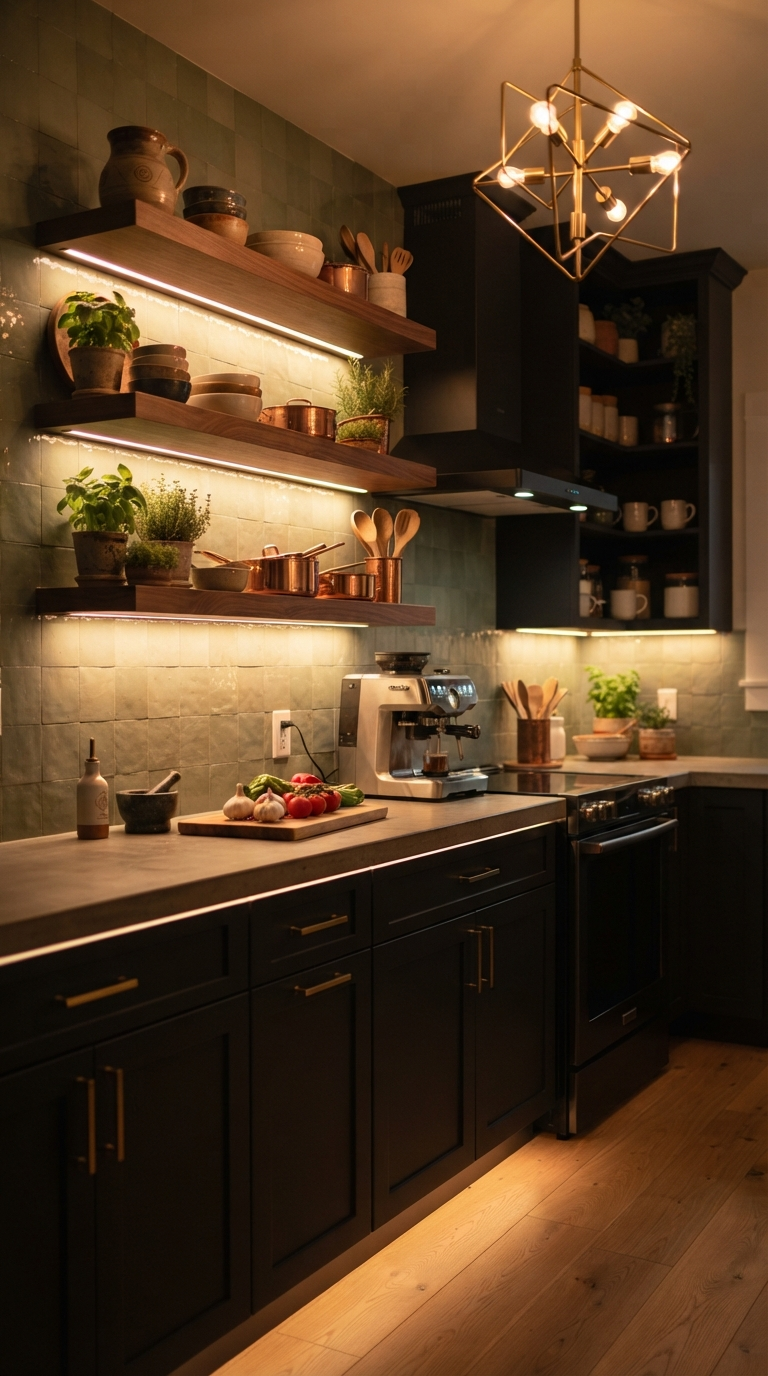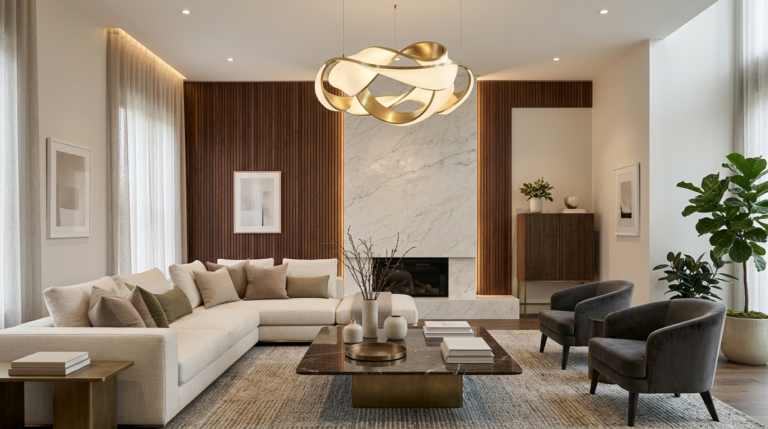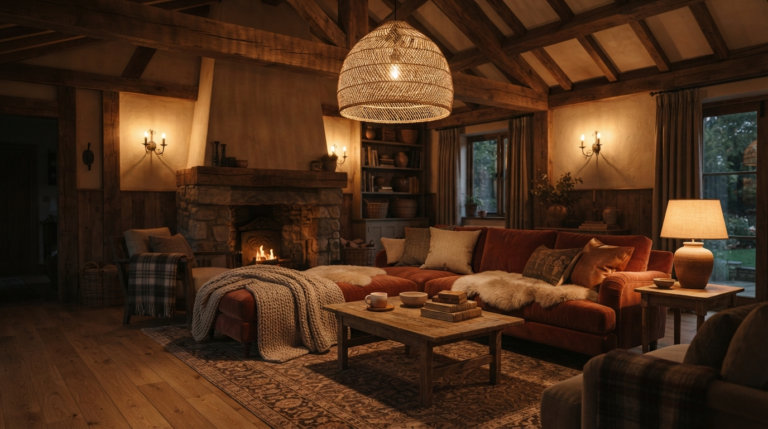
Wall decor has the power to transform a room, adding personality, depth, and visual interest that makes a space feel complete and thoughtfully designed. Yet all too often, even well-intentioned efforts fall short due to common mistakes in selection, placement, and arrangement. These missteps can make a room feel unbalanced, unfinished, or simply less beautiful than it could be. This guide identifies the most frequent wall decor errors and provides clear, practical solutions to help you achieve results that feel polished, intentional, and truly satisfying. Whether you are working with mirrors, artwork, shelves, or a combination of elements, understanding these principles will help you make choices that enhance your space rather than detract from it. The goal is not perfection but thoughtful design that supports the overall atmosphere you want to create and reflects your personal style with confidence and clarity.
Mistake 1: Choosing the Wrong Size Mirror or Art for the Space
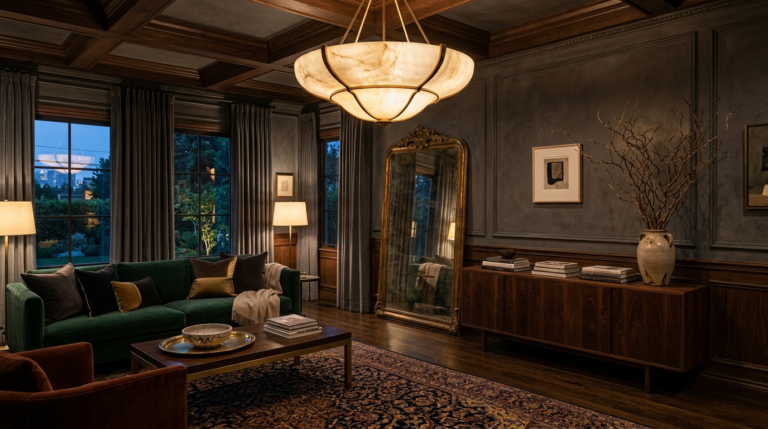
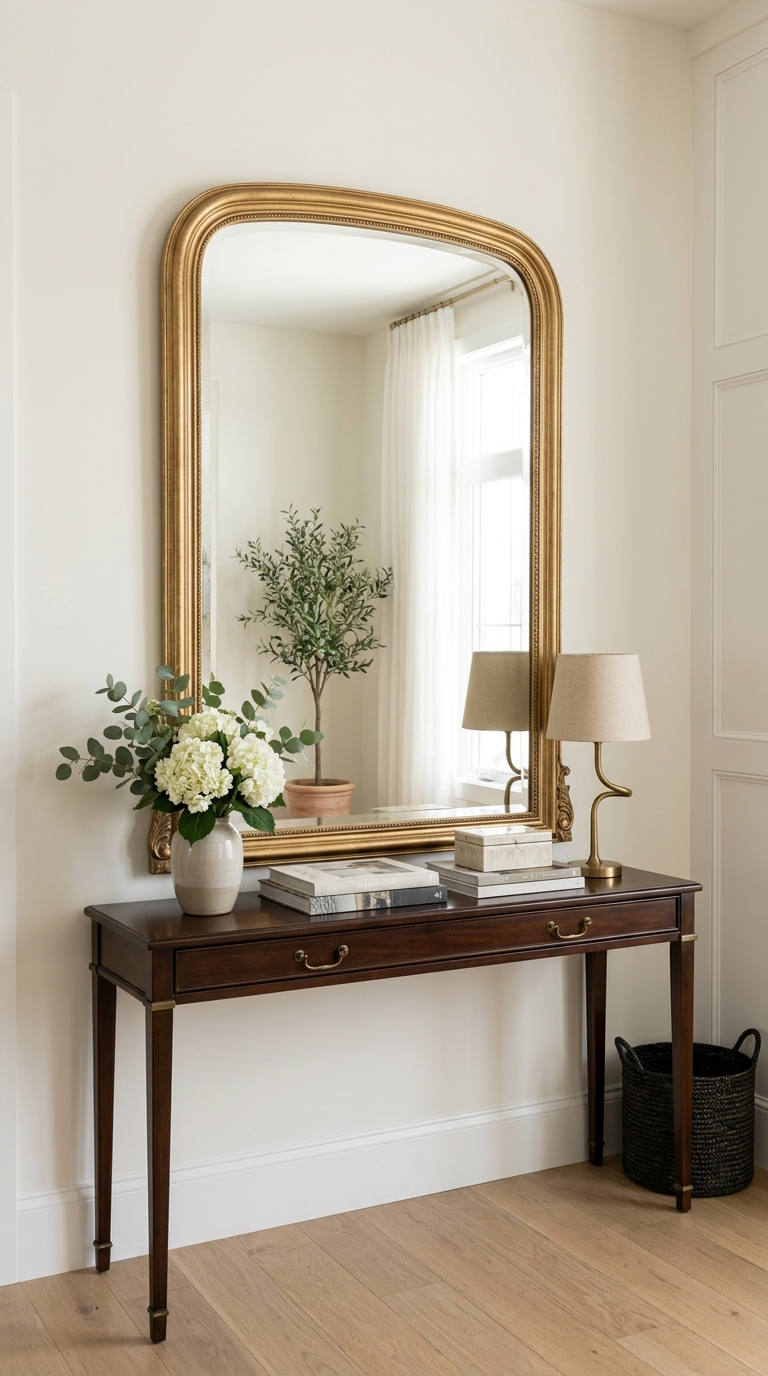
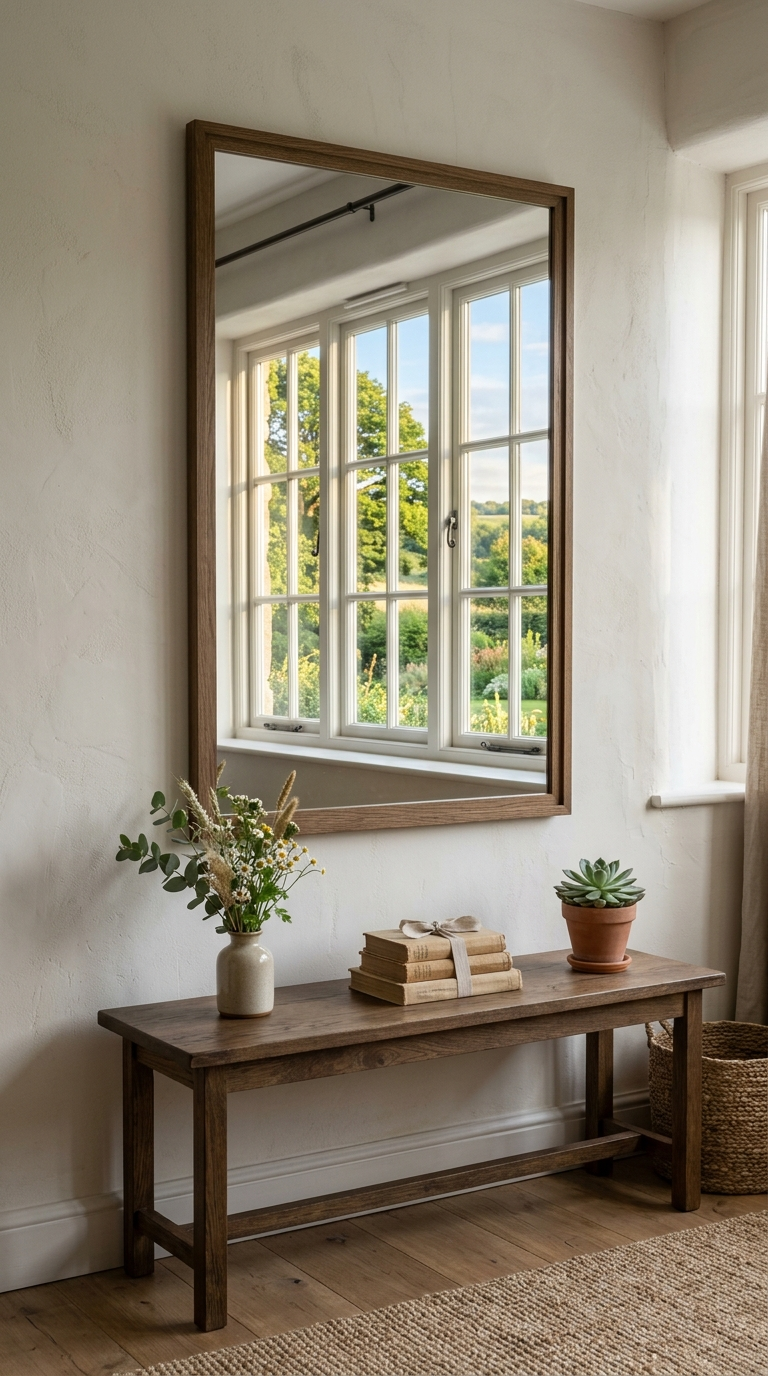
One of the most common and impactful mistakes in wall decor is selecting pieces that are too small or too large for the wall or furniture they accompany. A tiny mirror or piece of art above a substantial sofa or console looks lost and insignificant, failing to anchor the space or create visual weight. Conversely, an oversized piece in a small room or above delicate furniture can overwhelm and make the space feel cramped. The solution lies in following simple proportion guidelines: a mirror or artwork should generally be about two-thirds to three-quarters the width of the furniture below it. For a large blank wall without furniture, consider the scale of the room and choose a piece or arrangement that fills the space appropriately without crowding it. When in doubt, it is often better to go slightly larger rather than too small—bigger pieces tend to make a stronger, more confident statement. Before purchasing, measure your wall and furniture, and consider creating a paper template to test the scale in the actual space.
Beyond simple measurements, consider the visual weight of the piece and how it relates to other elements in the room. A large mirror with a substantial frame carries more visual weight than a delicate one and can balance a heavy piece of furniture or anchor a large wall effectively. For artwork, the complexity of the image and the frame style also affect perceived scale. A busy, colorful piece may need more breathing room than a simple, quiet one. When selecting mirrors specifically, consider not only the frame size but also how the reflection will interact with the room— a large mirror can make a small space feel significantly larger and brighter, while a small mirror may feel like a missed opportunity. Taking time to assess scale before committing prevents the common disappointment of bringing home a piece that looks perfect in the store but feels wrong in your space. This foundational principle of proportion applies whether you are choosing a single statement piece or planning a more complex gallery wall arrangement.
Mistake 2: Poor Placement and Height Considerations
Even a perfectly sized piece can look awkward if hung at the wrong height or in a poorly considered location. The most common placement error is hanging artwork or mirrors too high, which creates a disconnected feeling and fails to relate to the furniture or architecture of the room. The general rule for art above furniture is to leave four to six inches between the bottom of the frame and the top of the furniture. For standalone pieces on a large wall, position the center of the artwork at eye level—approximately 57 to 60 inches from the floor to the center of the piece. Mirrors should be placed where they reflect something beautiful or useful, such as a window, a light source, or an interesting architectural feature, rather than a blank wall or cluttered corner. Consider also how the piece will be viewed from different positions in the room and from seated positions if it is in a dining or living area.
Placement also involves thinking about the relationship between multiple pieces and the overall composition of the wall. Avoid centering a single piece on a large wall if it will look lost; instead, consider pairing it with other elements or positioning it to relate to a furniture grouping or architectural feature. For mirrors, think about what they will reflect at different times of day and how that reflection contributes to the room’s light and atmosphere. A mirror placed opposite a window can dramatically increase natural light, while one reflecting a beautiful view brings the outdoors in. Poor placement can make even expensive or beautiful pieces feel like afterthoughts. Taking the time to measure, mark, and test positions before making permanent holes prevents regret and ensures that your wall decor contributes positively to the room’s overall design and function. This attention to placement transforms wall decor from decoration into an integral part of the room’s architecture and atmosphere.
Mistake 3: Overcrowding Walls or Creating Unbalanced Gallery Walls
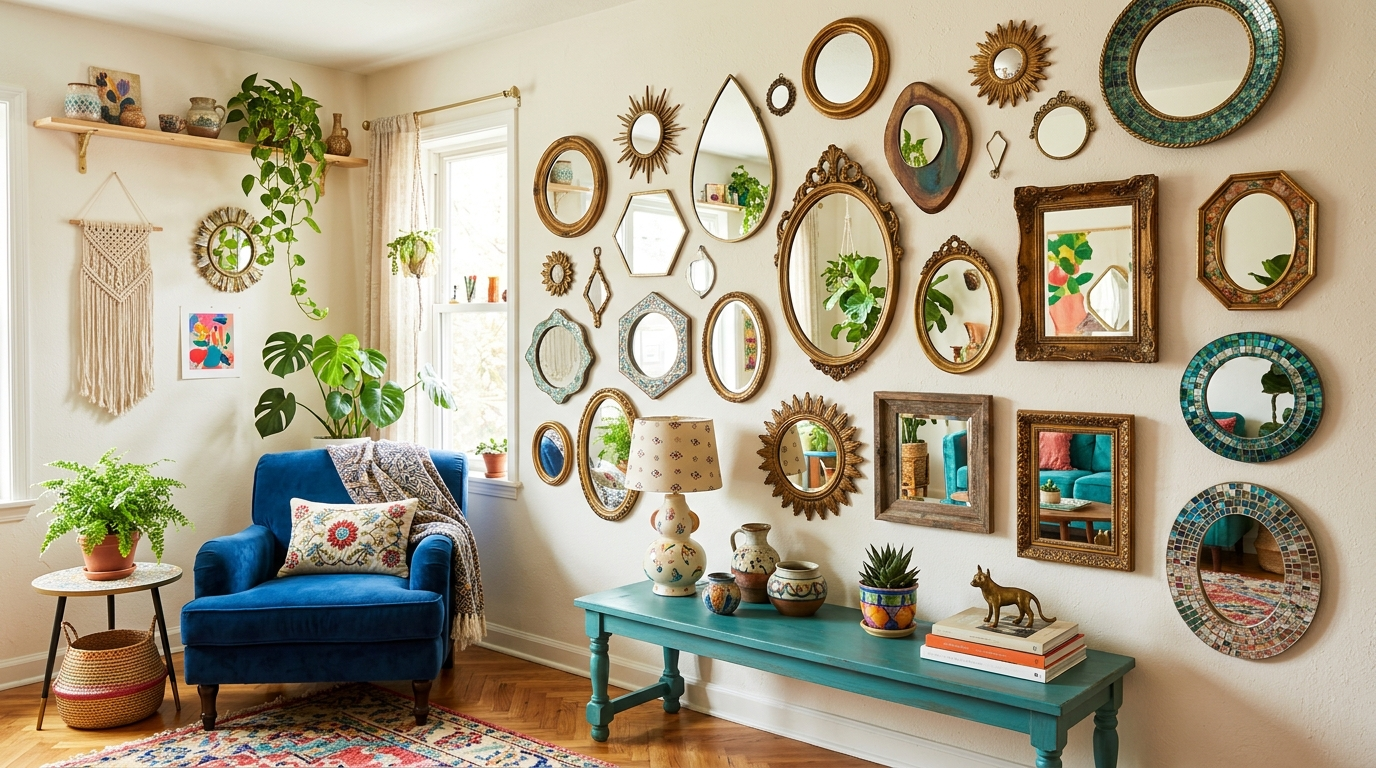
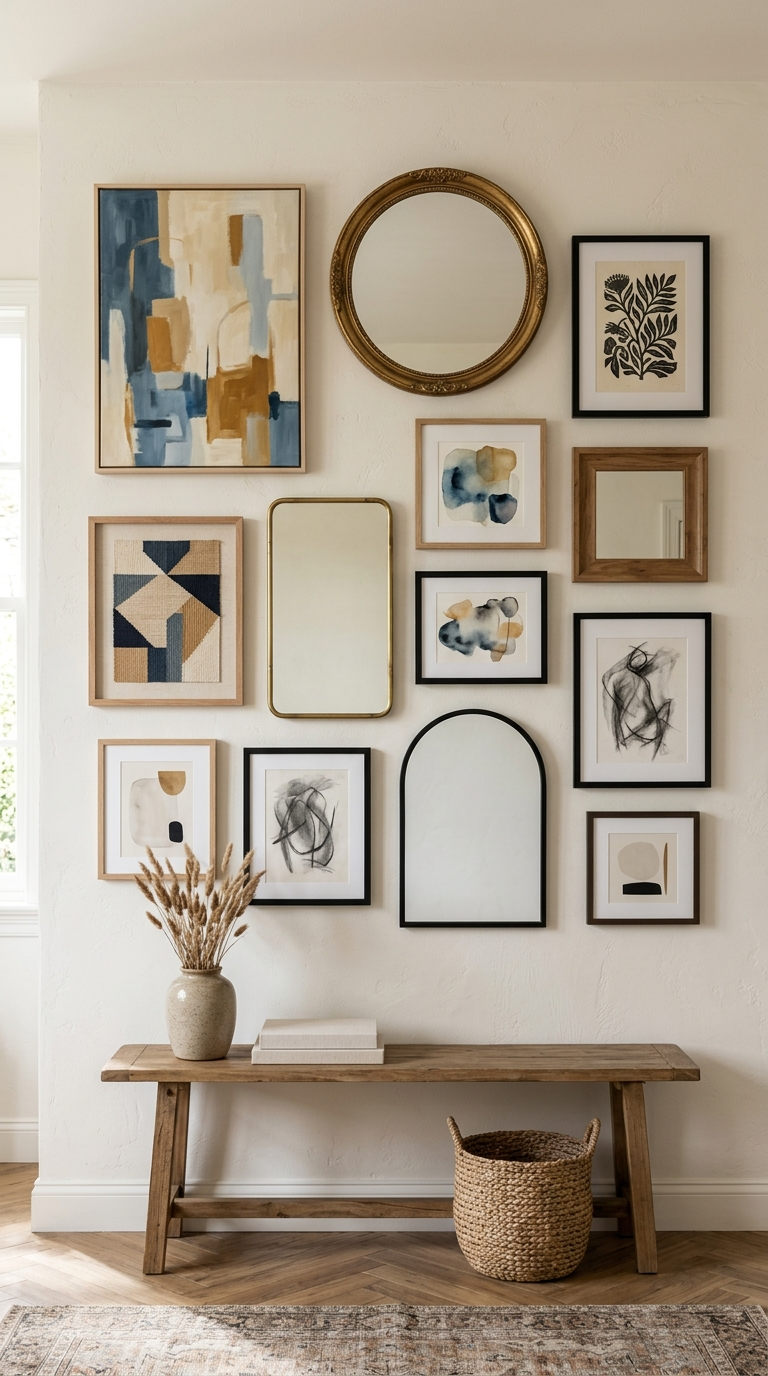
Gallery walls can be stunning when executed well, but they frequently go wrong through overcrowding, poor spacing, or lack of cohesion. Cramming too many pieces into a small area creates visual chaos and prevents each piece from being appreciated. The solution is to plan your arrangement carefully, allowing adequate breathing room between frames—generally two to three inches is ideal. Begin by laying out your pieces on the floor or creating paper templates on the wall to experiment with different configurations before committing to holes. A successful gallery wall has a sense of intentionality, whether it follows a grid, a salon-style organic arrangement, or a linear progression. Consider the overall shape of your arrangement and how it relates to the wall and surrounding furniture. Too much empty space can feel sparse, while too little creates clutter; aim for balance.
Cohesion is another key factor often overlooked in gallery walls. While the pieces do not need to match perfectly, they should share some common element—similar color palettes, frame styles, subject matter, or a consistent theme—that ties them together visually. Mixing frame styles and sizes can work beautifully when done with intention, but random combinations often look disorganized. For mirrors specifically, a gallery of different shapes and sizes can create fascinating reflections and visual interest, but the arrangement still needs thoughtful planning to avoid feeling chaotic. Consider the negative space between pieces as carefully as the pieces themselves; this breathing room allows each item to shine and prevents the wall from feeling overwhelming. A well-planned gallery wall becomes a focal point that adds personality and depth to a room, while a poorly executed one can make the space feel cluttered and unresolved. Taking time to plan and refine your arrangement before installation ensures a result that feels collected and intentional rather than haphazard.
Mistake 4: Ignoring Lighting and Its Interaction with Wall Decor
Lighting dramatically affects how wall decor is perceived, yet it is frequently an afterthought in the planning process. Artwork and mirrors hung in poorly lit areas disappear into the shadows, while those in harsh direct light may suffer from glare or fading over time. The solution is to plan lighting as an integral part of your wall decor scheme. Picture lights or directional sconces can beautifully highlight artwork, while accent lighting can make mirrors sparkle and create interesting reflections. Consider the direction and quality of both natural and artificial light in the room throughout the day. North-facing walls receive cooler, more even light, while south-facing walls get warmer, more dramatic illumination that changes throughout the day. When selecting lighting for wall decor, choose fixtures that complement your style and provide the right quality of light without creating glare on glossy surfaces or artwork under glass.
For mirrors specifically, lighting placement is crucial because mirrors reflect and amplify whatever light hits them. Positioning a mirror near a window or light source can dramatically increase brightness in a room, but placing it where it reflects an unflattering light source or creates glare can be counterproductive. Consider also how lighting will interact with the frames and surfaces of your wall decor. Matte frames and textured artwork benefit from different lighting than glossy or metallic pieces. Many homeowners install beautiful wall decor only to realize later that it is poorly lit and rarely noticed. By planning lighting simultaneously with your decor choices, you ensure that your investment in beautiful pieces is fully appreciated and that they contribute to the room’s atmosphere throughout the day and evening. Thoughtful lighting transforms good wall decor into stunning focal points that enhance the entire space.
Mistake 5: Failing to Consider Room Style, Scale, and Architecture
Wall decor that feels disconnected from the overall style, scale, and architectural character of a room creates visual discord and prevents the space from feeling cohesive. A delicate watercolor in a rustic farmhouse room or a bold abstract piece in a traditional setting may look out of place, no matter how beautiful it is on its own. The solution is to choose pieces that complement or intentionally contrast with your room’s established style in a thoughtful way. Consider the architectural features of your space—crown molding, wainscoting, window styles, and ceiling height—and select decor that relates to these elements. A room with traditional architecture might benefit from pieces with classic frames or subjects, while a modern space can handle bolder, more contemporary choices. Scale matters here as well; a large room with high ceilings can support larger, more dramatic pieces, while a smaller, cozier room may call for more intimate scale.
When planning wall decor, look at the room as a whole and consider how each piece contributes to the overall composition. A mirror above a fireplace should relate in style and scale to the mantel and surrounding architecture. Artwork in a dining room should complement the furniture and create an atmosphere appropriate for the room’s purpose. The most successful wall decor feels like a natural extension of the room rather than something applied afterward. This does not mean everything must match perfectly—intentional contrast can be powerful—but the choices should feel considered and harmonious. Before finalizing selections, step back and imagine how each piece will work within the complete room, not just on its own or against a blank wall. This holistic approach prevents the common mistake of choosing beautiful pieces that ultimately feel out of place in their intended setting. When wall decor is thoughtfully integrated with the room’s style, scale, and architecture, the result is a space that feels complete, intentional, and deeply satisfying.
Mistake 6: Neglecting Functionality and Practical Considerations
While aesthetics are important, wall decor should also serve the practical needs of the room and its inhabitants. A beautiful mirror hung too high to be useful for checking appearance, or artwork placed where it interferes with furniture placement or traffic flow, represents a missed opportunity and a potential frustration. The solution is to consider functionality alongside beauty from the beginning. For mirrors, think about who will use them and for what purposes—full-length mirrors for dressing, smaller mirrors for quick checks, or decorative mirrors primarily for light and reflection. Place mirrors at appropriate heights and locations for their intended use. For artwork and other decor, ensure that placement does not create obstacles or visual barriers in the room. Consider also practical factors like humidity in bathrooms, direct sunlight that might fade artwork, and the weight of pieces when selecting hanging hardware and methods.
Functionality also includes thinking about how wall decor will be experienced in daily life. A piece that is beautiful but constantly in the way or difficult to appreciate in its location fails to serve its purpose. Consider the activities that happen in the room and how wall decor supports or enhances them. In a reading nook, art or a mirror that reflects light onto the page can be both beautiful and functional. In an entryway, a mirror at the right height for a quick appearance check combined with hooks or a small shelf creates a practical and welcoming space. By integrating functional thinking into your wall decor planning, you create spaces that are not only beautiful but also genuinely useful and supportive of daily life. This practical approach prevents the frustration of beautiful but impractical choices and ensures that your wall decor enhances rather than complicates your experience of the room. The most successful wall decor is both beautiful and functional, contributing to the room’s atmosphere while serving the real needs of the people who use the space every day.
Similar Posts
The Art of Layering: Beautiful Lighting and Styling Ideas for Elegant Spaces
Discover the secret to transforming your home with elegant lighting and sophisticated styling. Learn how to layer decor elements for a truly premium aesthetic.
Beautiful Shelves and Storage Ideas That Elevate Every Room
Explore elegant shelves and storage solutions that combine beauty with functionality. From minimalist floating designs to clever hidden compartments, discover how thoughtful storage can enhance your home’s aesthetic and organization.
25 Cozy Rustic Decor, Lighting & Styling Ideas to Warm Your Home
Discover 25 inspiring rustic decor, lighting, and styling tips to create a warm, inviting sanctuary. From layered textures to ambient lighting solutions, transform any space with these practical and beautiful ideas perfect for modern homes seeking cozy charm.
Top Kitchen Lighting Trends and Ideas for 2026: Illuminate Your Space Beautifully
Stay ahead with the latest kitchen lighting trends for 2026. From smart systems to sculptural fixtures and layered designs, discover innovative ways to light your kitchen functionally and stylishly. Transform ambiance and enhance usability with these inspiring ideas.
2026 Luxury Home Decor and Lighting Trends You Need to Know Now
Explore the emerging luxury home decor and lighting trends for 2026 that are redefining elegant interiors. From sophisticated material mixes to statement lighting and refined color palettes, discover how to incorporate these high-end concepts into your home for timeless sophistication.
16 Cozy Lighting Ideas to Transform Your Home Into a Warm Sanctuary
Discover 16 inspiring lighting ideas that create cozy, inviting atmospheres in every room. From rustic pendants to layered ambient glows, learn how to use light to enhance your home’s warmth and style. Perfect for creating that perfect hygge feel.