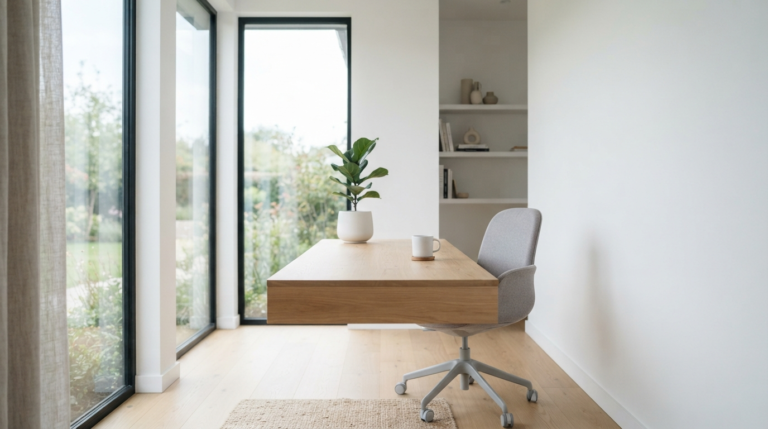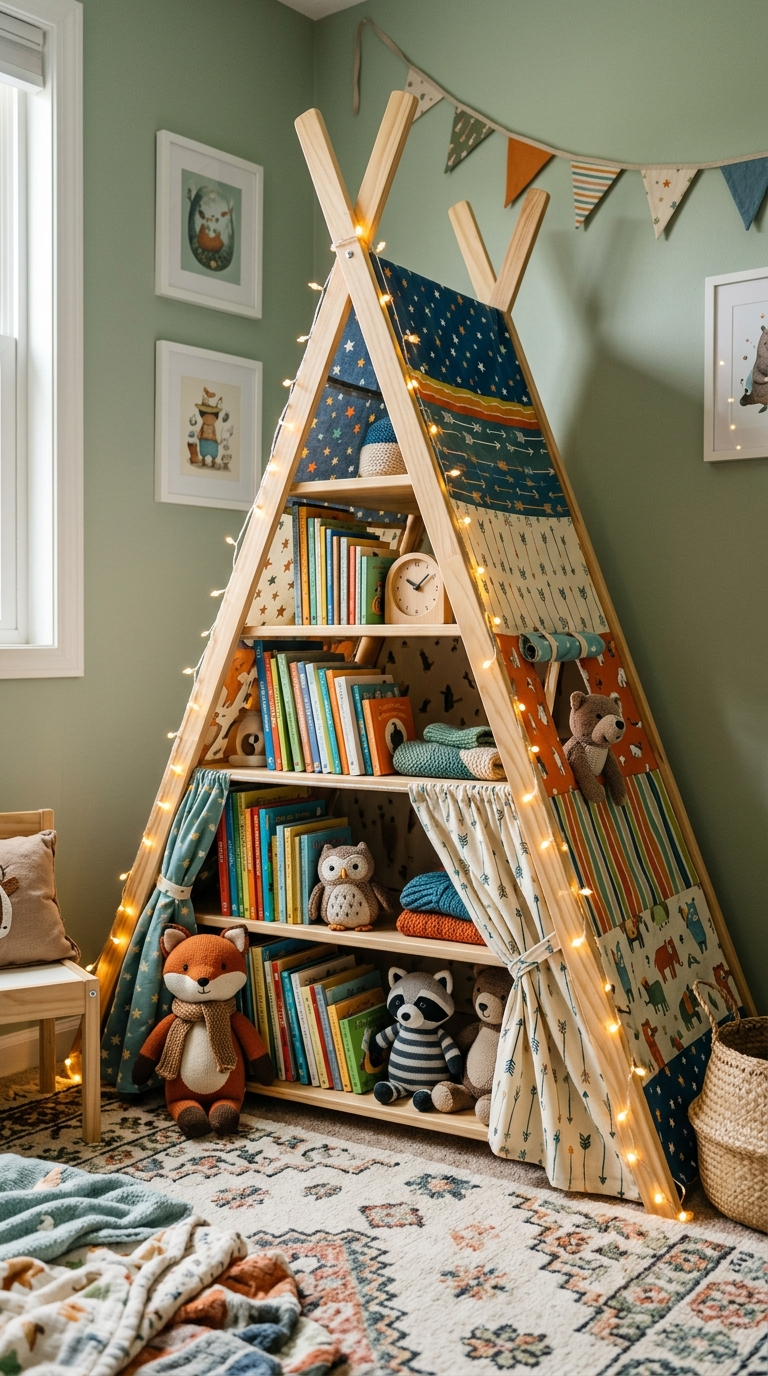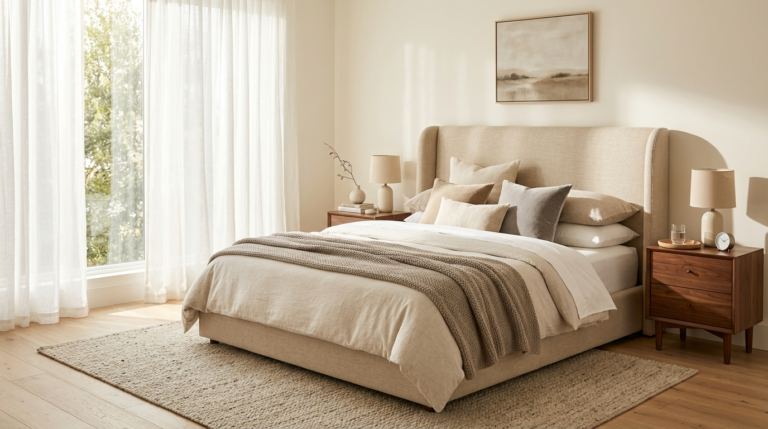
Welcome to a journey into the heart of home design where tranquility meets intention. In today’s fast-paced world, creating wellness spaces within our homes has become more than a trend; it is a necessary sanctuary for the soul. These dedicated areas allow us to pause, breathe, and reconnect with ourselves amidst the chaos of daily life. Whether you have a spacious room or a small corner, the principles of thoughtful design can transform any space into a haven of peace and rejuvenation. The modern home often lacks quiet zones dedicated solely to restoration, yet incorporating even modest wellness areas can dramatically shift how we experience our daily routines and overall quality of life.
Understanding the Essence of Wellness Spaces
Wellness spaces are not just about aesthetics; they are about creating environments that support physical, mental, and emotional health. Drawing from principles of biophilic design, these areas incorporate natural elements that have been shown to reduce stress levels, improve air quality, and enhance overall mood. Imagine a space where the soft rustle of leaves from indoor plants mingles with the gentle glow of natural light, creating an atmosphere that invites deep relaxation and mindfulness. The key lies in intentionality—every element from the color palette to the furniture placement serves a purpose in fostering a sense of calm. Homeowners today seek more than visual appeal; they desire rooms that actively contribute to lower anxiety and better sleep patterns through careful curation of sensory experiences.
As we explore the creation of such spaces, consider how your home can become a reflection of your inner desire for balance. Wellness design emphasizes harmony between the built environment and nature, using materials like natural wood, linen, and stone to ground the space. Soft, muted color schemes in shades of sage green, warm beige, and creamy white promote a soothing visual experience that calms the nervous system. By dedicating even a small area to wellness, you create a powerful reminder to prioritize self-care in your daily routine. This approach draws from ancient traditions of sanctuary spaces while adapting them to contemporary urban living where access to expansive natural landscapes may be limited.
Many homeowners are now recognizing the importance of these spaces, especially in urban settings where access to nature may be limited. A well-designed wellness space can serve as a personal retreat for meditation, gentle yoga, reading, or simply sitting in quiet contemplation. The benefits extend beyond the individual; such spaces can improve family dynamics by providing a shared area for calm activities and reducing household tension. In the following sections, we will delve into practical ways to craft these sanctuaries, ensuring they are both beautiful and functional for long-term enjoyment and daily use across seasons and life stages.
Crafting the Ideal Meditation Corner
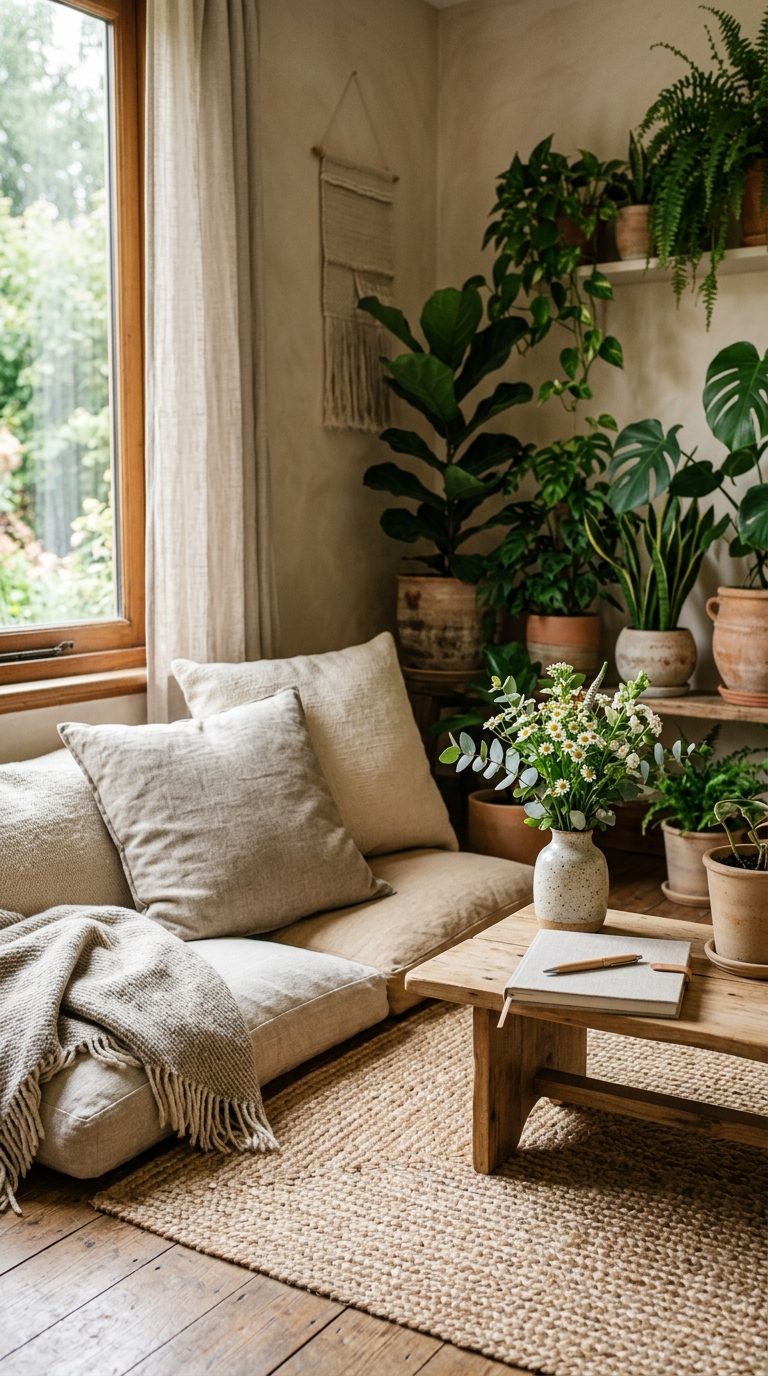
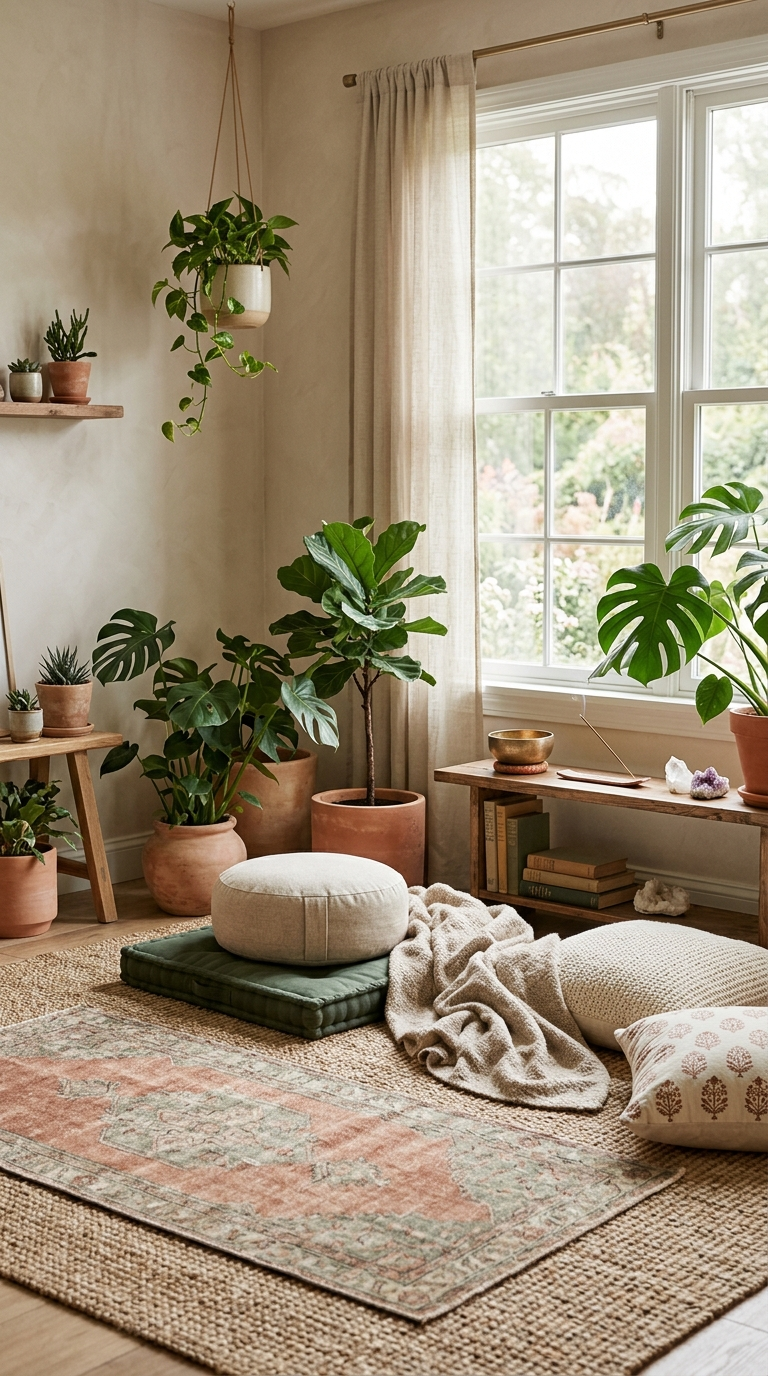
At the heart of many wellness spaces lies the meditation corner, a dedicated spot designed to facilitate stillness and introspection. To begin, select a quiet location in your home, perhaps near a window that offers a view of greenery or soft sky. The foundation of this area is comfort and support, starting with a high-quality rug or mat in natural fibers to define the space and provide cushioning for seated practices. Layer this with large floor cushions in soft, textured fabrics like cotton or velvet in neutral tones that blend seamlessly with the surroundings. The positioning should allow easy access while maintaining a sense of enclosure that promotes focus during practice sessions lasting from five minutes to over an hour.
Consider adding a low wooden bench or a small side table to hold meaningful objects such as a journal, a small vase with fresh flowers, or a singing bowl for gentle sound rituals. The seating should encourage good posture without rigidity, allowing for extended periods of sitting or lying down for restorative rest. Personalization is key here—incorporate items that hold special meaning to you, whether it is a family heirloom, a piece of art that inspires peace, or photographs of loved ones in simple frames. This transforms the corner from a generic setup into a deeply personal sanctuary that resonates with your unique journey toward well-being and self-discovery over months and years of regular use.
Lighting plays a crucial role in setting the mood for meditation. Opt for natural light during the day by keeping windows unobstructed with sheer curtains that diffuse the sunlight beautifully. In the evenings or for darker corners, introduce warm, dimmable lamps with soft white or warm yellow bulbs to mimic the golden hour glow. Avoid harsh overhead lighting, as it can disrupt the calm atmosphere. Some enthusiasts add subtle elements like a small water fountain for the soothing sound of flowing water, which can mask household noises and aid in concentration during practice. The goal is to create a multi-sensory experience that engages sight, sound, and touch to deepen the meditative state and support consistent daily habits that compound into lasting mental clarity and emotional resilience.
To maintain the energy of this space, establish a simple routine for its care. Regularly dust surfaces, refresh flowers or plants, and perhaps rotate small decorative items to keep the area feeling alive and inviting. Over time, this corner becomes a cherished part of your home where you instinctively turn for moments of peace, whether for five minutes of breathing exercises or longer sessions of guided meditation. The elegance of such a space lies in its simplicity and the profound impact it has on your daily life, turning ordinary moments into opportunities for renewal and presence that ripple outward into improved interactions with family, work, and self.

Bringing Nature Indoors for Enhanced Well-Being
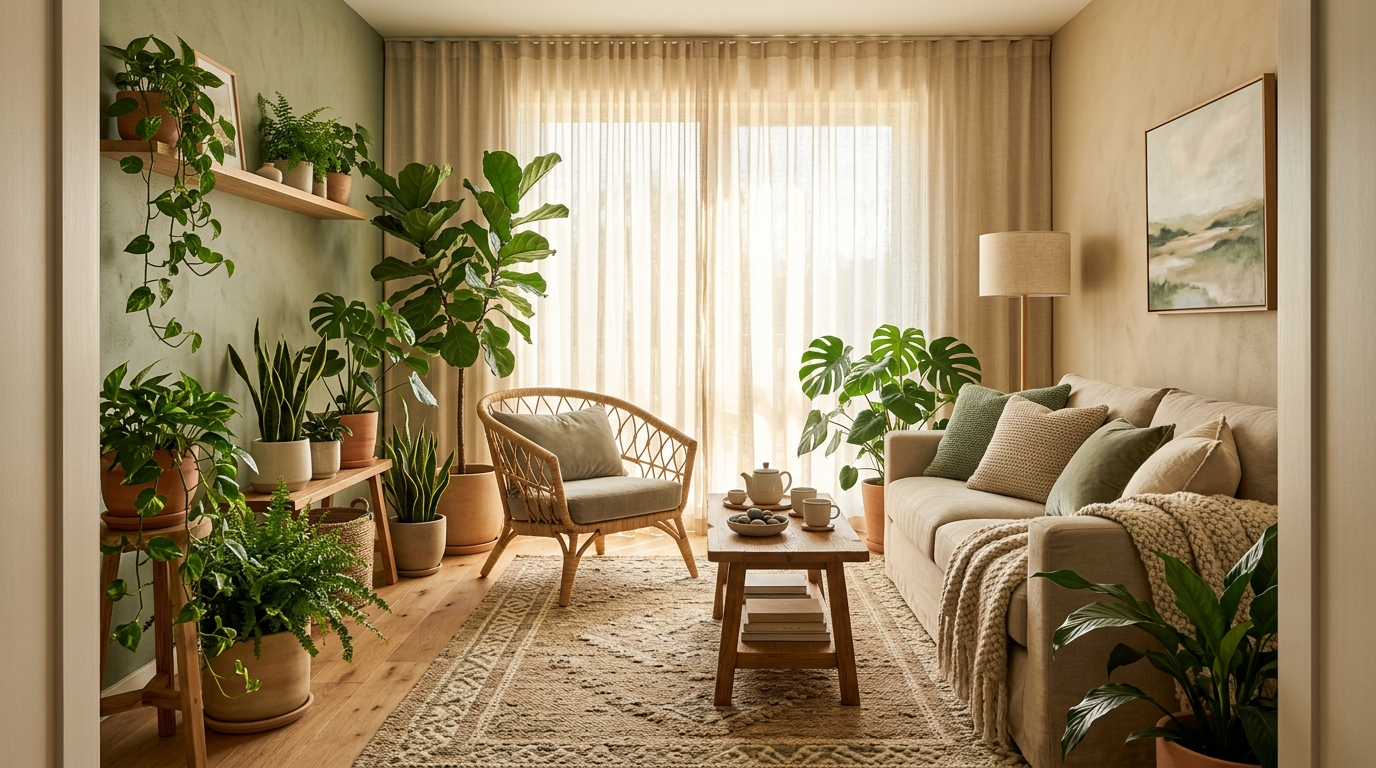
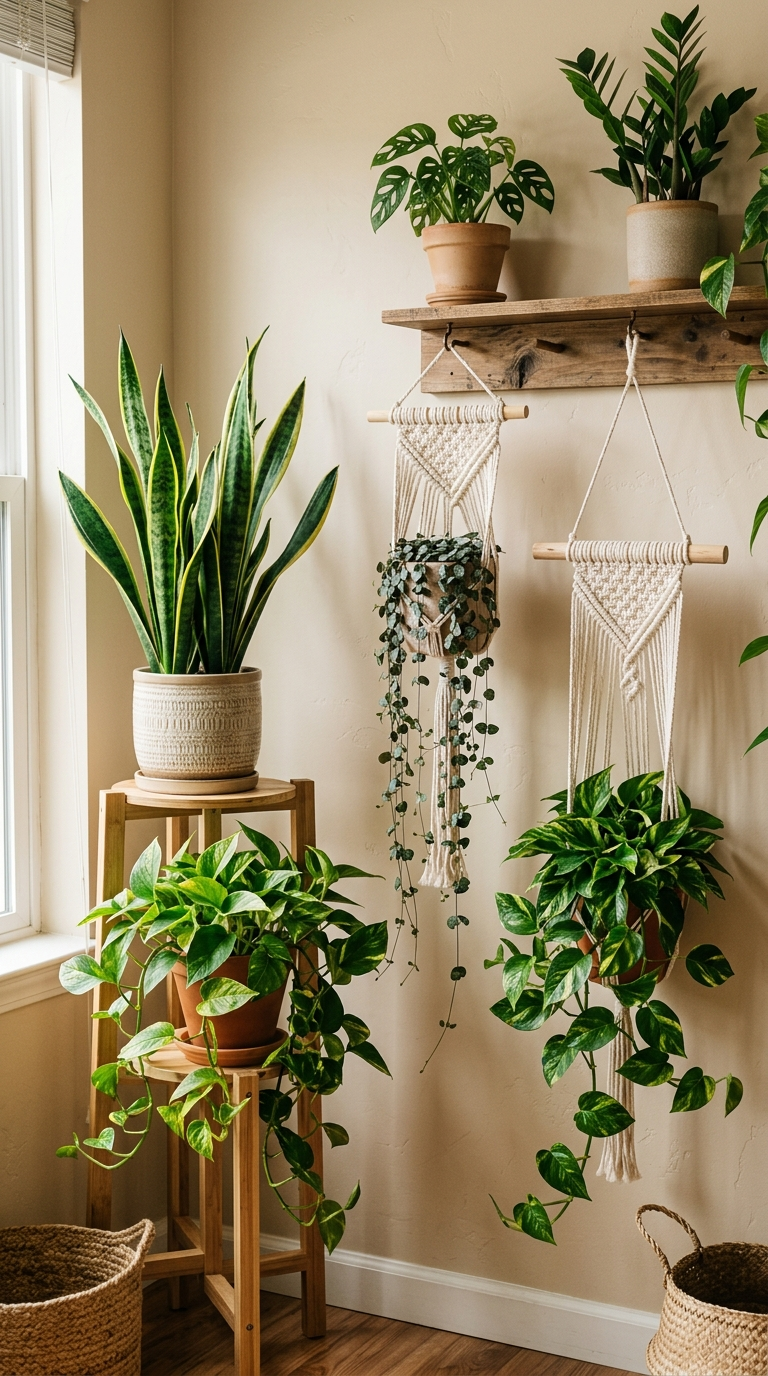
No wellness space is complete without the vibrant presence of plants, which serve as living companions that purify the air and bring a touch of the outdoors inside. Selecting the right plants is essential for both aesthetic appeal and practicality. Opt for low-maintenance varieties that thrive in indoor conditions, such as snake plants, pothos, and ZZ plants, known for their air-purifying qualities and resilience. Arrange them at varying heights using plant stands, hanging macrame holders, or grouped on shelves to create visual interest and a lush, layered effect that feels like a private garden retreat. The strategic placement near seating encourages interaction and observation, turning plant care into a gentle daily ritual that grounds the practitioner in the present moment.
The psychological benefits of surrounding yourself with greenery are well-documented, with studies showing reduced cortisol levels and improved focus when people spend time in plant-filled environments. In your wellness space, position plants near seating areas to maximize their calming influence during relaxation or meditation sessions. Consider the growth patterns and light requirements of each plant to ensure they flourish, creating a thriving ecosystem within your home. For added texture, mix in some trailing varieties that cascade gracefully from high shelves or baskets, adding movement and life to the static elements of furniture and creating dynamic shadows that shift beautifully throughout the day as sunlight moves across the room.
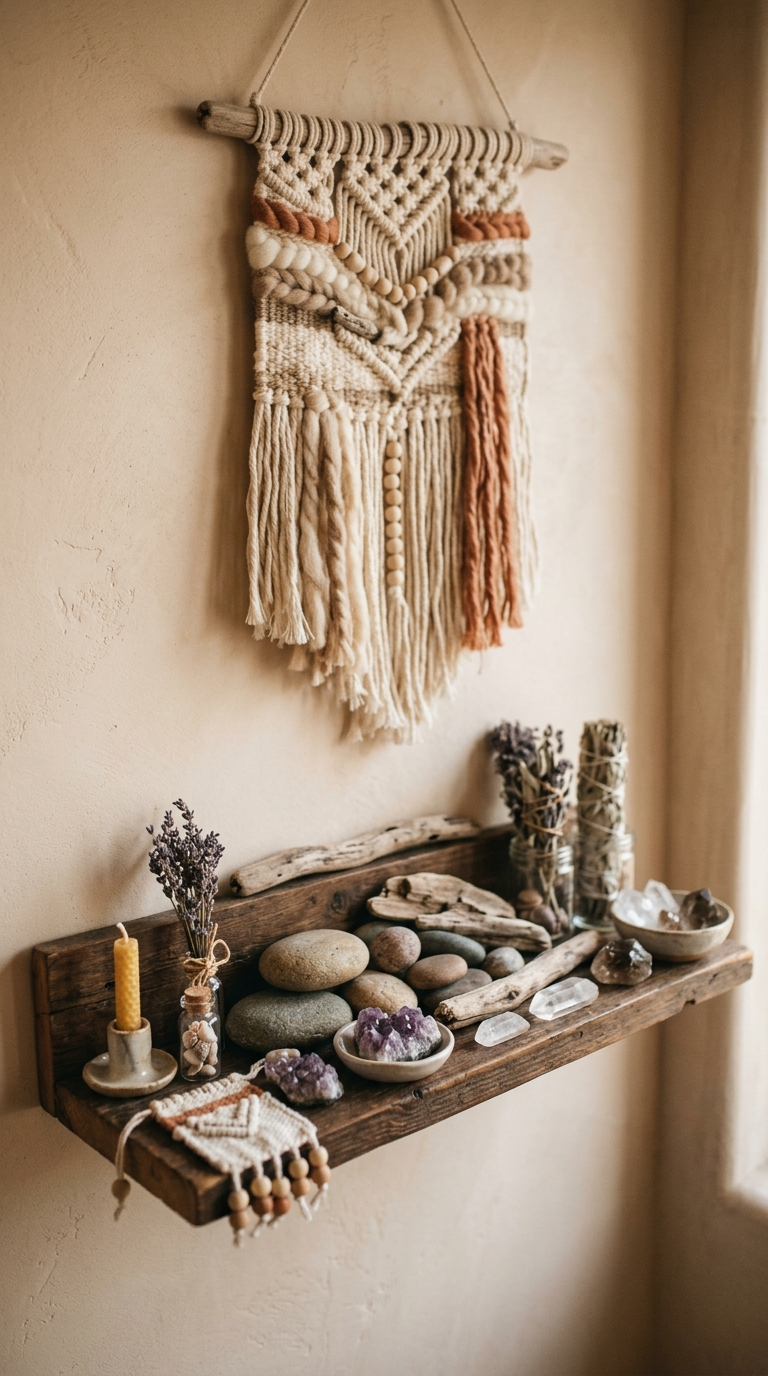
Beyond plants, incorporate other natural elements like smooth river stones in a decorative bowl, a piece of driftwood as a sculptural accent, or a small collection of crystals arranged thoughtfully on a tray. These items connect the space to the earth and encourage a sense of grounding. Use natural materials for any additional furniture or accessories, such as a rattan chair or a jute rug, to reinforce the organic feel. The combination of living plants and earthy accents creates a dynamic yet peaceful environment that evolves with the seasons as plants grow and change, offering ongoing visual interest and a tangible connection to natural cycles that many find deeply soothing in an increasingly digital world.
Caring for this natural aspect of your wellness space becomes a meditative practice in itself. Watering plants mindfully, pruning dead leaves, and observing their growth cycles can deepen your connection to nature and provide a gentle rhythm to your days. This ongoing interaction fosters a sense of responsibility and joy, enhancing the overall wellness benefits of the space. As your indoor garden matures, it will reflect the care you invest, becoming a beautiful testament to the harmony between human and nature in the home setting and serving as a living reminder of growth, patience, and the quiet rewards of consistent attention.
Mastering Lighting and Ambiance for Relaxation
Lighting is the invisible thread that weaves together the elements of a wellness space, influencing mood, energy levels, and the perception of comfort. To achieve the perfect ambiance, prioritize layers of light that can be adjusted throughout the day. Begin with maximizing natural light by choosing window treatments that are light and airy, allowing sunlight to filter in softly without harsh glares. Sheer linen curtains in warm white or cream tones are ideal, as they soften the incoming light and add a gentle movement when breezes pass through, creating a living quality to the illumination that changes subtly with weather and time of day.
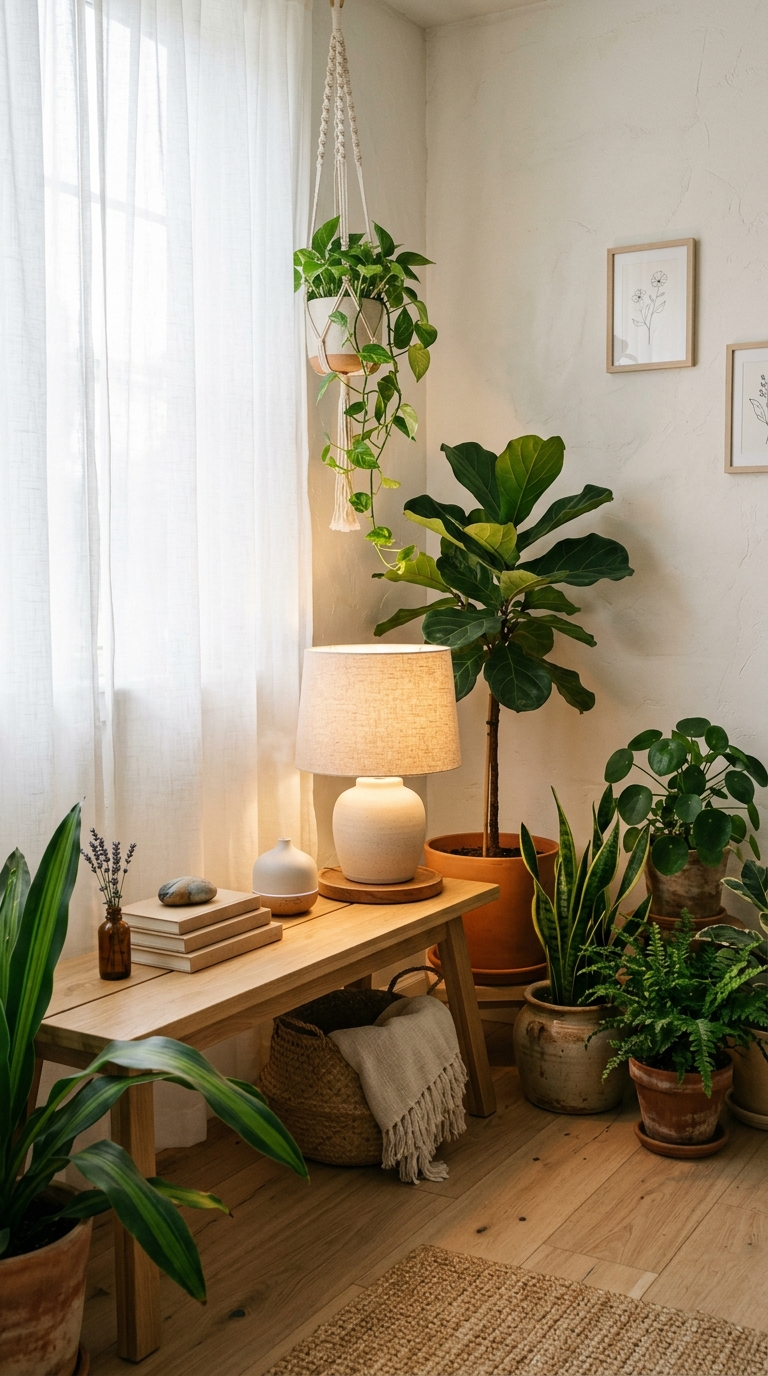
For artificial lighting, select fixtures that emit a warm glow rather than cool blue tones, which can feel clinical and energizing rather than relaxing. Table lamps with fabric shades, floor lamps with adjustable arms for reading or focused tasks, and even string lights tucked discreetly behind plants or along shelves can create a magical, soft illumination. Consider the color temperature—aim for bulbs around 2700K to 3000K for that cozy, sunset-like quality that signals the body to wind down. Dimmers are invaluable here, enabling you to create the exact level of brightness needed for different activities, from bright morning yoga to dim evening reflection, allowing the space to adapt seamlessly to your body’s natural rhythms and the specific wellness practice you choose on any given day.
Accent lighting can highlight special features, such as a spotlight on a beautiful plant arrangement or a small lamp illuminating a meaningful piece of art. This not only adds depth to the space but also draws the eye to areas of interest, making the room feel curated and intentional. Avoid placing lights in ways that create shadows on seating areas, as even lighting promotes a sense of safety and calm. Experiment with different setups during different times of day to find what resonates most with your personal rhythms and preferences, perhaps keeping a small notebook nearby to note which combinations enhance your meditation depth or reading enjoyment the most over several weeks of observation and adjustment.
The interplay of light and shadow in a wellness space can evoke emotions and memories, enhancing the narrative quality of the room. As evening approaches, the gradual dimming of lights mimics natural cycles, preparing the mind and body for rest. This thoughtful approach to lighting transforms the space from a mere room into an experience, one that supports your wellness goals by aligning with the body’s natural responses to light. Over time, you will find that the right lighting makes the space feel alive and responsive to your needs, whether you seek energy in the morning or deep relaxation at night, ultimately contributing to better sleep hygiene and more consistent energy throughout your waking hours.
Selecting Textiles and Comfort Features
Textiles are the tactile heart of any wellness space, providing comfort, warmth, and a sense of enclosure that makes the area feel intimate and protective. Begin with foundational pieces like a large area rug in a natural material such as wool or jute, which not only defines the space but also adds insulation and a soft surface underfoot. Layer with smaller throws and cushions in complementary textures—think chunky knits, smooth linens, and plush velvets in a cohesive palette of warm neutrals and soft greens to maintain the serene aesthetic. These layers create opportunities for physical comfort during longer sits or reclined relaxation, supporting the body so the mind can more easily release tension and enter restorative states.
Curtains and drapes play a dual role in wellness design, offering privacy and light control while contributing to the acoustic softness of the room. Heavy linen or cotton curtains can absorb sound, creating a quieter environment ideal for meditation or focused relaxation. For a touch of elegance, choose curtains with subtle patterns or textures that catch the light beautifully, adding visual interest without overwhelming the senses. These soft barriers also help regulate temperature, making the space comfortable year-round and reducing the need for artificial heating or cooling, which in turn supports a more natural and sustainable approach to home comfort that aligns with holistic wellness principles.
Additional comfort features might include a cozy armchair upholstered in durable yet soft fabric for reading or contemplation, or a daybed piled with pillows for afternoon rests. Blankets in various weights allow for customization based on the season or personal preference, inviting you to wrap yourself in warmth during cooler months. The key is to select items that feel good against the skin and evoke positive emotions, whether through their color, texture, or the memories associated with them. Avoid synthetic materials that can feel cold or static, opting instead for natural fibers that breathe and age gracefully, developing a patina that adds character and warmth to the space over years of loving use.
Arranging these textiles thoughtfully enhances the narrative of the space. Drape a throw casually over the arm of a chair to suggest recent use and invite sitting, or arrange cushions in an asymmetrical yet balanced composition on the floor or seating. This attention to detail makes the wellness space feel lived-in and loved, rather than staged. As you interact with these elements daily, they become part of your wellness ritual, signaling to your mind that it is time to relax and recharge. The elegance of well-chosen textiles lies in their ability to transform a simple corner into a luxurious retreat without excess or ostentation, proving that true comfort often comes from simplicity executed with care and intention.
Adding Personal and Imaginative Touches
While structure and natural elements form the backbone of wellness spaces, it is the personal and imaginative touches that truly make the area yours. Incorporate artwork that speaks to your soul, whether it is a serene landscape painting, an abstract piece in calming colors, or a collection of framed botanical prints. These visual anchors provide focal points that can inspire during meditation or simply bring joy when you enter the room. Choose pieces that evoke positive feelings and align with the overall peaceful theme, perhaps rotating them seasonally to keep the visual landscape fresh and engaging for both the eyes and the spirit over time.
DIY elements add a layer of creativity and uniqueness that mass-produced items cannot match. Consider crafting your own wall hanging from natural materials like dried flowers, feathers, or woven yarn in soft hues. Or create a small altar or display shelf with collected items from nature walks, such as interesting stones, shells, or pinecones, arranged in a way that tells a story of your connection to the outdoors. These handmade additions infuse the space with your energy and history, making it a true extension of your personality and journey, and often become conversation starters or focal points for reflection during quiet moments spent in the space.
Sound elements can further enhance the imaginative quality of the space. A small collection of bells or chimes that ring softly in the breeze, or a playlist of gentle instrumental music or nature sounds played through a hidden speaker, can elevate the sensory experience. Some people include a journal and pen on a small table for reflective writing, turning the space into a place for both quiet thought and creative expression. The possibilities are endless when you allow your imagination to guide the personalization process, always keeping in mind the core goal of promoting well-being and ensuring that every addition serves the greater purpose of creating a supportive environment for daily restoration and long-term personal growth.
As you complete your wellness space, take a moment to sit in it and absorb the atmosphere you have created. Notice how the light plays across the surfaces, how the plants breathe life into the room, and how the textures invite touch and comfort. This space is now a living part of your home, ready to support you through moments of stress, celebration, and everyday reflection. By investing time and care into designing wellness spaces, you are not only enhancing your home’s beauty but also nurturing your own capacity for peace and resilience. May your new sanctuary bring you endless moments of serenity and joy in the days to come, serving as a constant reminder that home can be the most powerful place for healing and renewal when designed with intention and heart.
In conclusion, creating wellness spaces is an act of self-love and mindful living. It invites us to slow down and appreciate the simple beauties of life within our own four walls. Whether you start with a single corner or dedicate an entire room, the principles outlined here will guide you toward a design that is both elegant and deeply functional. Embrace the process, experiment with what feels right for you, and watch as your home transforms into a true haven of wellness that supports every aspect of your life journey with grace and quiet strength.