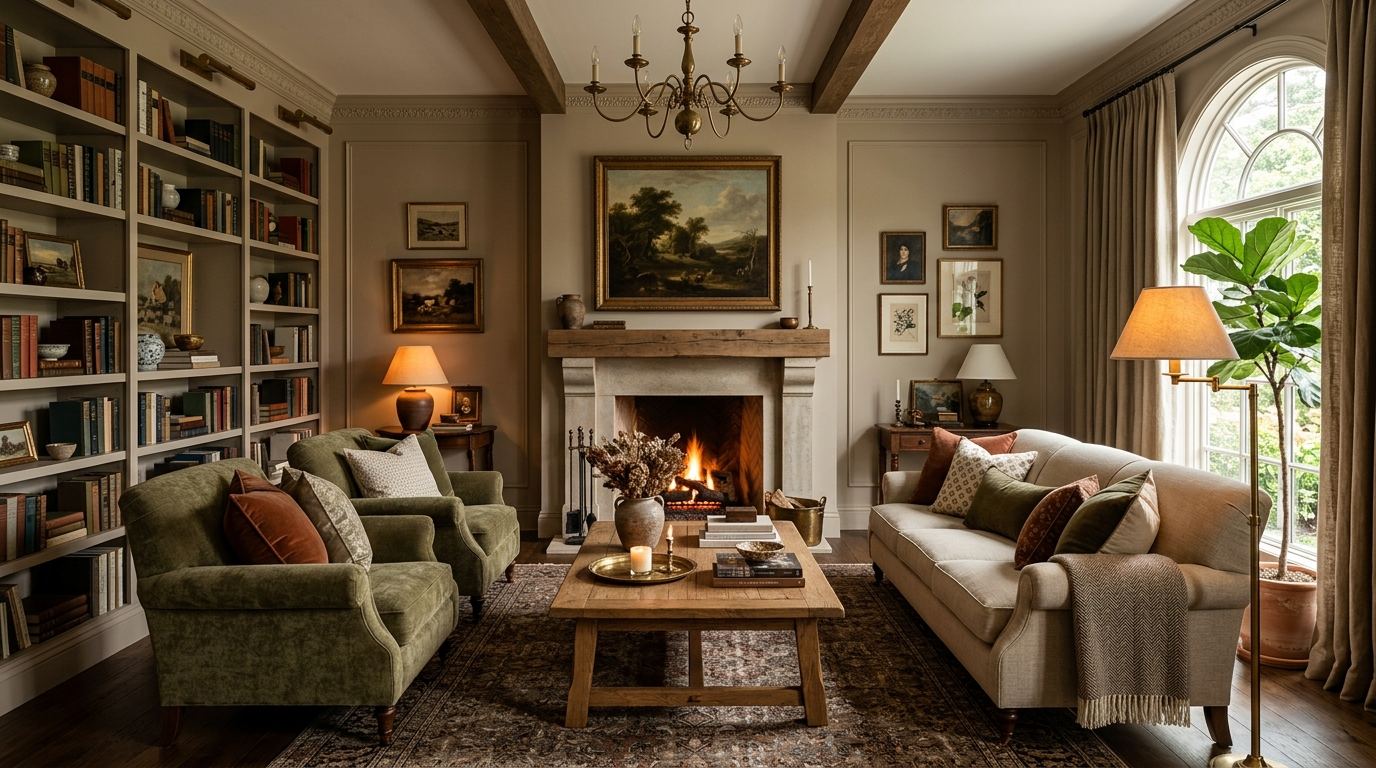
Creating a living room that feels both beautiful and livable is a common goal, yet many spaces fall short due to easily avoidable missteps. These mistakes often stem from rushing decisions, following trends without considering the specific room, or focusing too much on individual pieces rather than the overall composition. This guide identifies ten of the most common living room decor mistakes and provides clear, actionable solutions to transform your space into one that feels polished, welcoming, and thoughtfully composed. Addressing these issues will help you avoid costly do-overs and create a room you truly love spending time in every day.
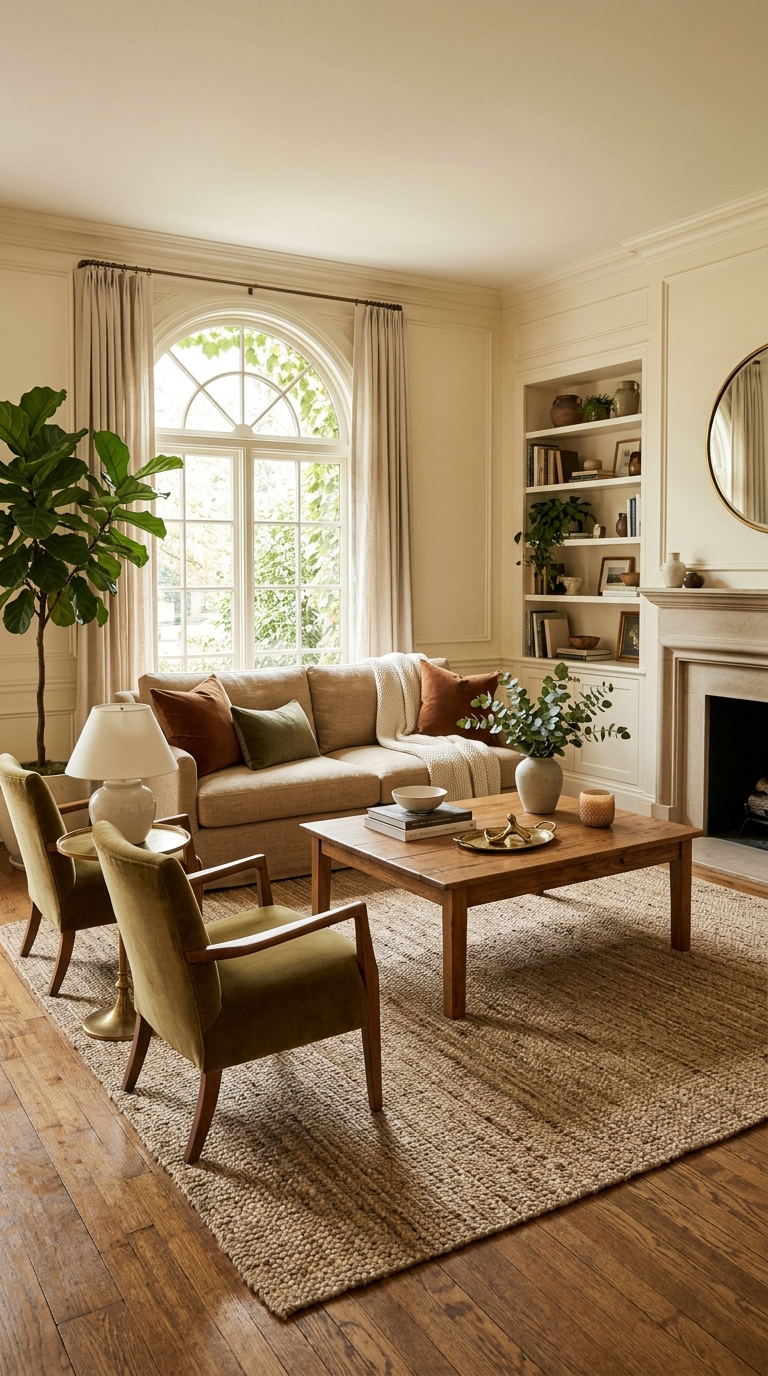
Mistake 1: Ignoring Scale and Proportion
One of the most frequent errors is selecting furniture that is either too large or too small for the room. Oversized sofas in small spaces make the room feel cramped, while tiny pieces in large rooms leave the space feeling sparse and uninviting. The solution begins with accurate measurements of your room including ceiling height and architectural features. When shopping, bring these measurements and consider the visual weight of pieces as well as their physical dimensions. A large sectional can work in a modest room if it has a low profile and clean lines, while a grand room may need multiple seating areas or larger statement pieces to feel grounded.
Before purchasing, create a floor plan using painter’s tape on the floor or digital planning tools to test arrangements. Pay attention to traffic flow and ensure there is adequate space to move comfortably around furniture. The goal is a balanced composition where no single piece overwhelms the others and the room feels harmonious rather than crowded or empty. Taking time with scale prevents the most common regret in living room design and sets the foundation for all other decisions.
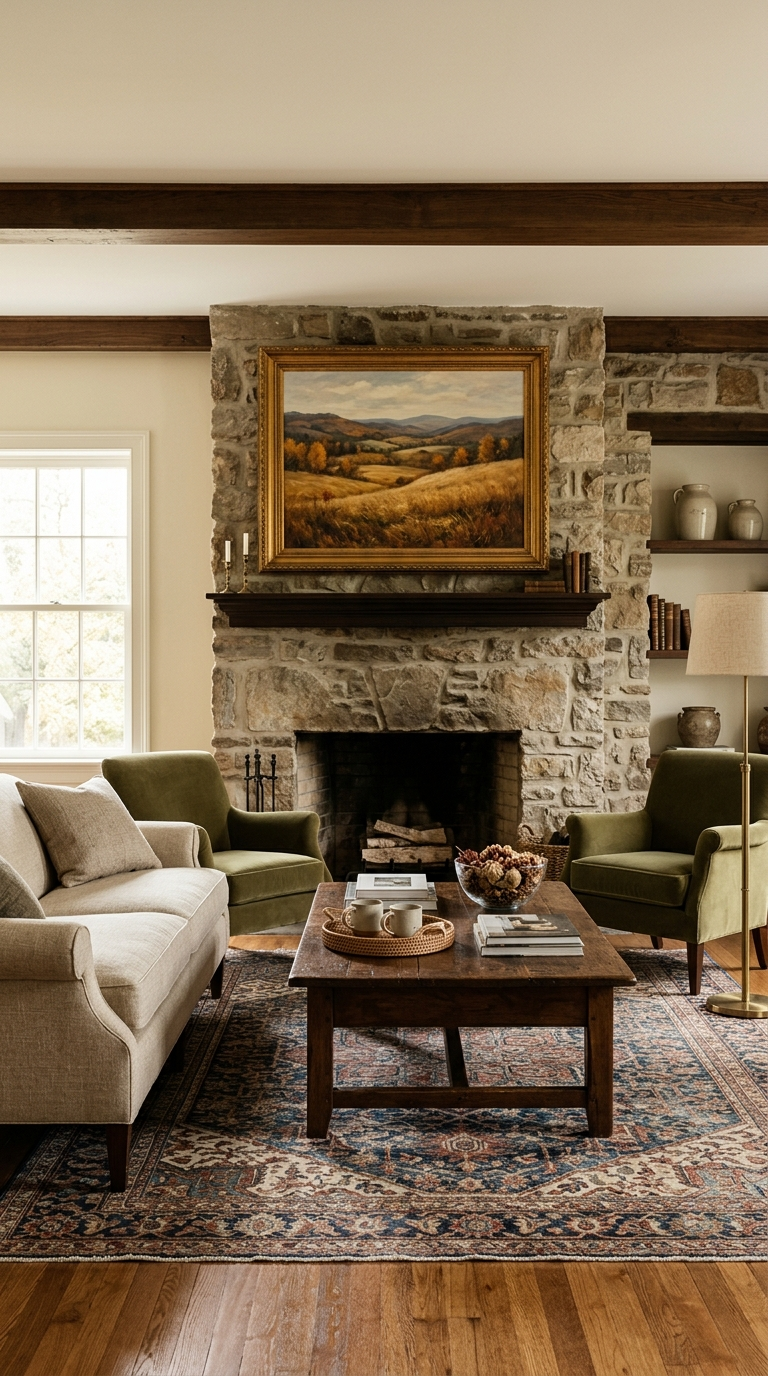
Mistake 2: Insufficient or Poorly Placed Lighting
Many living rooms suffer from relying solely on a single overhead fixture or having lighting that creates harsh shadows and unflattering pools of light. The fix involves layering three types of lighting: ambient for overall illumination, task for specific activities like reading, and accent to highlight art or architectural features. Position floor and table lamps at varying heights to distribute light evenly and create a cozy atmosphere in the evening. Consider the color temperature of bulbs—warm tones generally create a more inviting living room environment than cool daylight bulbs.
Evaluate your current lighting by observing the room at different times of day and evening. Identify dark corners and areas where task lighting would improve functionality. Adding dimmers allows you to adjust the mood for different activities from lively gatherings to quiet reading. Thoughtful lighting transforms a flat, uninviting room into one that feels warm and dynamic, and it is often one of the highest-impact changes you can make without major renovation.
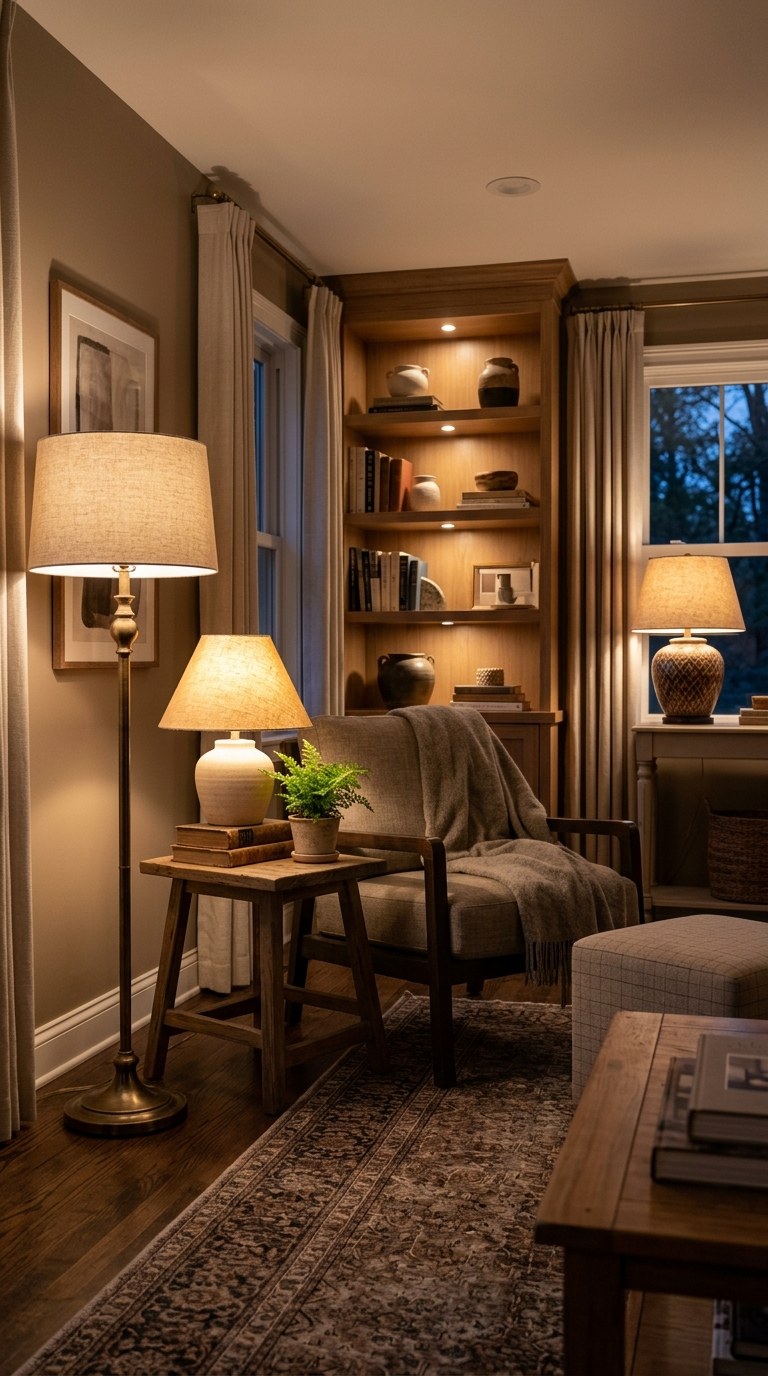
Mistake 3: Lack of a Clear Focal Point
Without a defined focal point, living rooms can feel scattered and lacking in purpose. The most common solution is to anchor the room around a fireplace, a large piece of art, or a statement television console, then arrange seating to face or relate to that feature. If your room lacks an obvious architectural focal point, create one with a large-scale artwork, a beautiful mirror that reflects light and adds depth, or a striking piece of furniture. The focal point should be the largest or most visually interesting element and should guide the placement of other pieces.
Once you establish the focal point, arrange the rest of the room to support it. Avoid placing all furniture against the walls in a large room, as this can make the space feel disconnected. Instead, create conversation areas that relate to the focal point while allowing for flexible use. A clear focal point gives the room a sense of intention and makes it feel more finished and welcoming to both residents and guests.
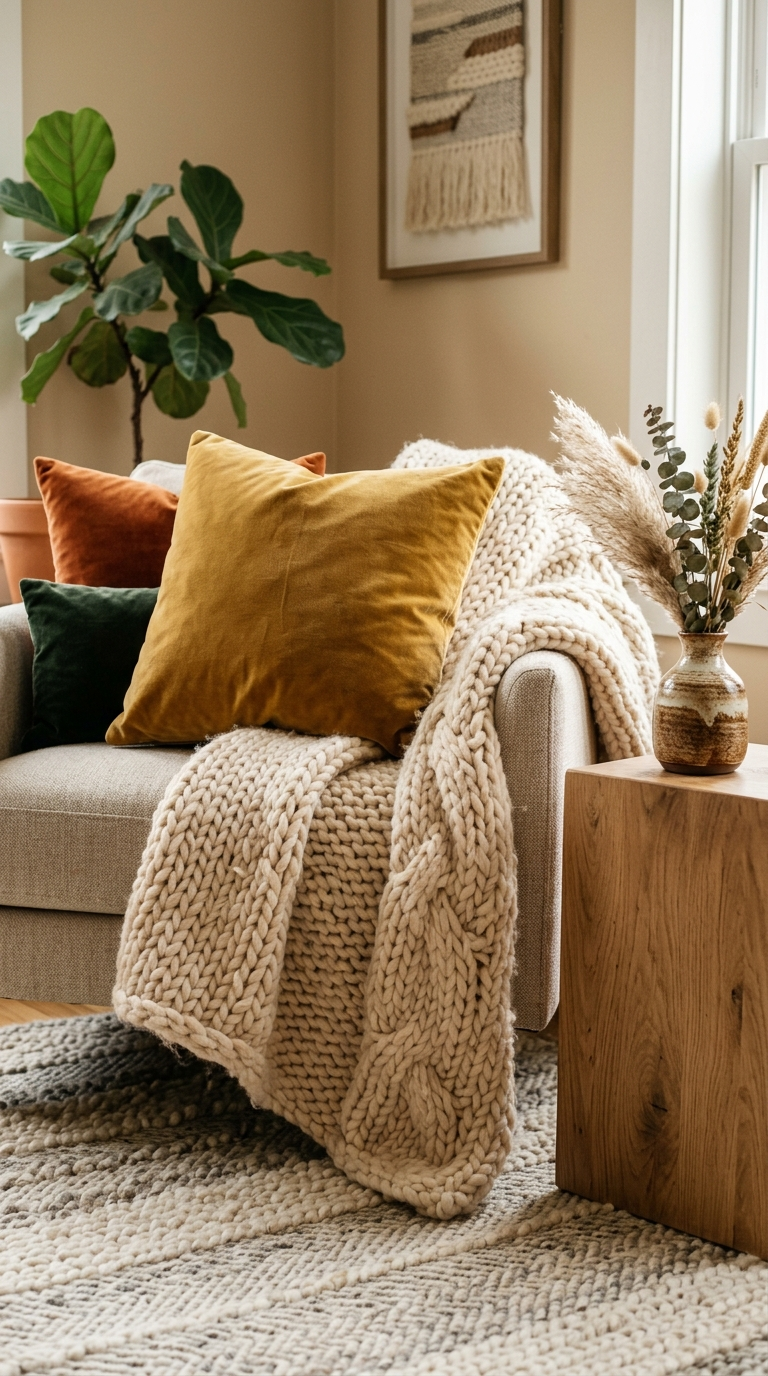
Mistake 4: Overlooking Texture and Layering
Rooms that rely on smooth, flat surfaces alone often feel cold or incomplete even when the color scheme and furniture are well chosen. The solution is to intentionally layer textures through textiles, rugs, pillows, throws, and natural materials. A wool rug adds warmth underfoot, while velvet or bouclé pillows introduce softness and visual interest. Mixing wood tones, metal finishes, and natural elements like plants or stone creates depth that makes a space feel collected and lived-in rather than staged.
Begin with your largest surfaces—the rug and sofa—then add layers through pillows in varying sizes and textures, throws for casual comfort, and accessories that introduce different materials. The interplay of textures catches the light differently throughout the day and makes the room feel more dynamic and inviting. This layering is what separates a truly polished living room from one that feels flat and one-dimensional.
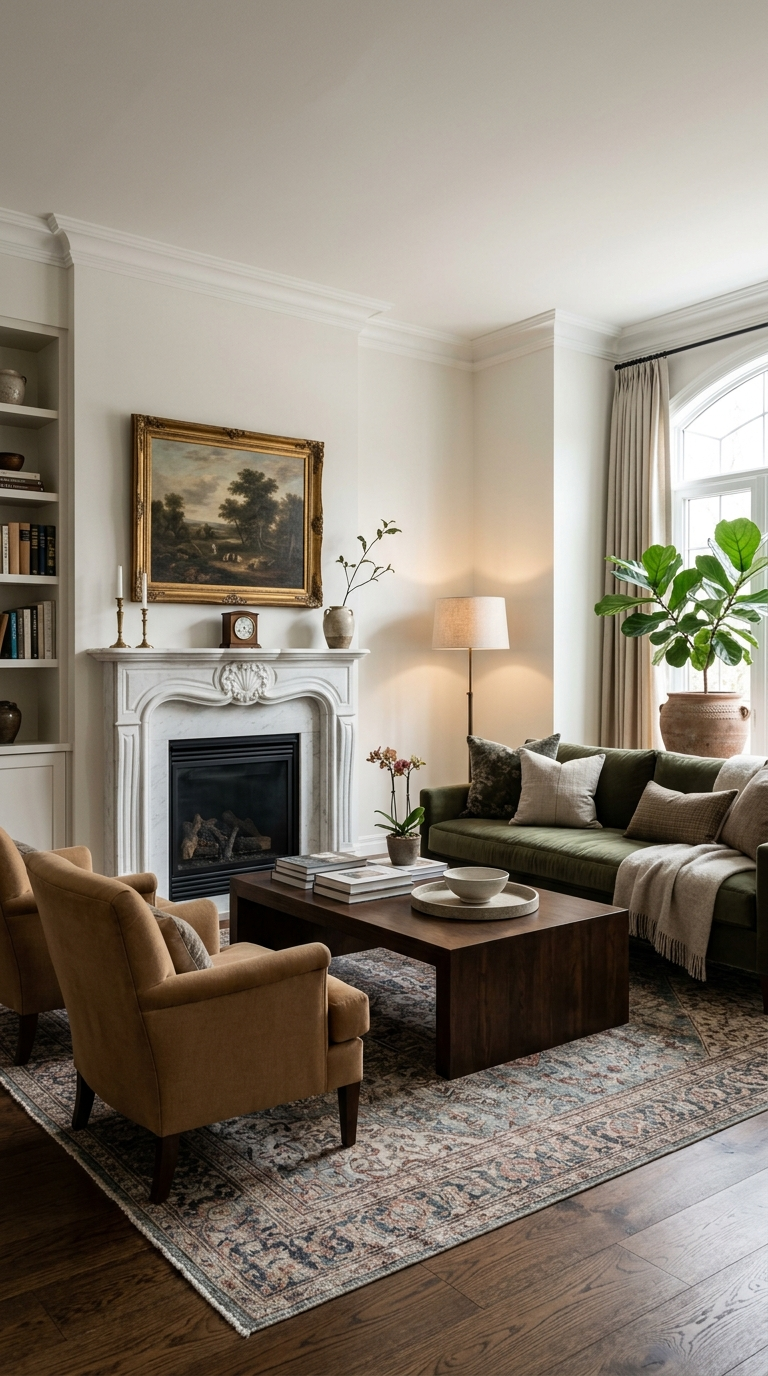
Mistake 5: Clutter and Lack of Editing
Even beautiful pieces can overwhelm a space if there are too many of them competing for attention. The most common clutter culprits are excessive decorative objects, mismatched collections, and furniture that no longer serves the current layout or lifestyle. The solution is regular, ruthless editing. Remove everything from surfaces and reassess each item for its contribution to the overall feeling you want to create. Keep only those pieces that are beautiful, meaningful, or genuinely useful, and find homes for the rest.
Establish a few designated spots for everyday items like remote controls, books, and throws so they have a place rather than accumulating on surfaces. Use trays to corral smaller objects and create visual order. Periodically stepping back and evaluating the room with fresh eyes helps maintain the polished, intentional look that makes a living room feel serene and welcoming rather than chaotic. Less is often more when it comes to creating a space that feels truly luxurious in its simplicity and calm.
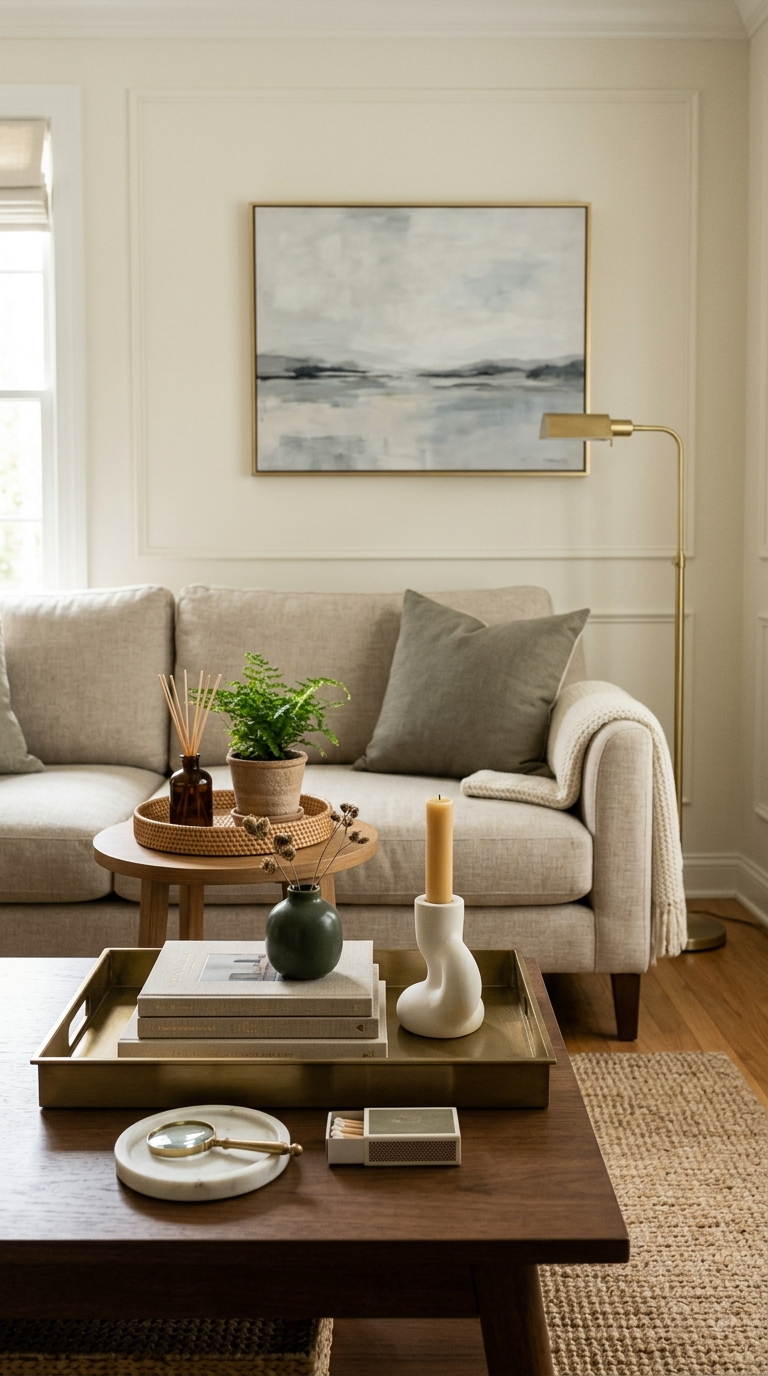
Additional Mistakes and Lasting Solutions
Beyond the primary five, other common issues include choosing the wrong rug size (too small makes the room feel disjointed—aim for rugs that fit under the front legs of all seating), neglecting window treatments (properly scaled curtains or shades add softness and polish), and failing to consider how the room will actually be used day to day. Addressing these alongside the main mistakes creates a living room that functions beautifully for your lifestyle while looking intentional and inviting. The most successful living rooms evolve over time with careful editing and thoughtful additions rather than complete overhauls. By avoiding these common pitfalls and applying the solutions consistently, you can create a space that feels polished, comfortable, and uniquely yours for years to come.