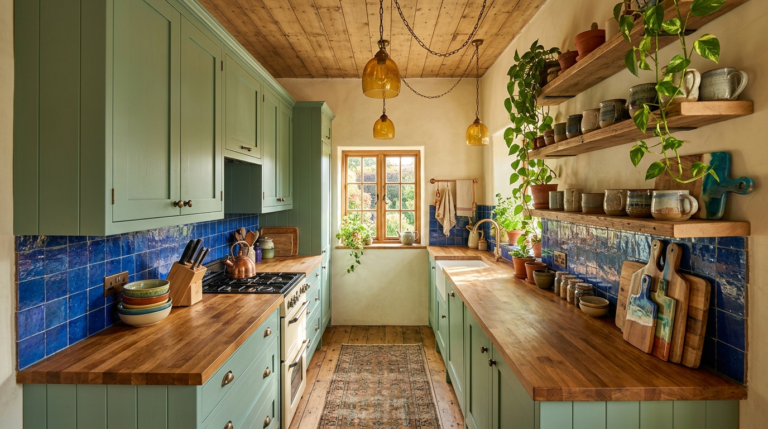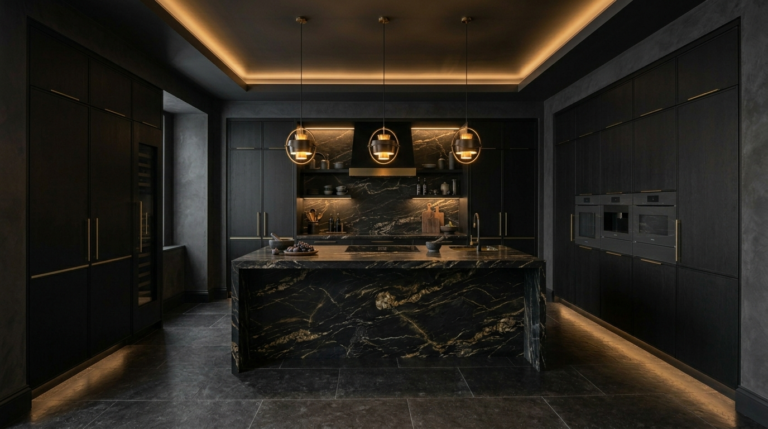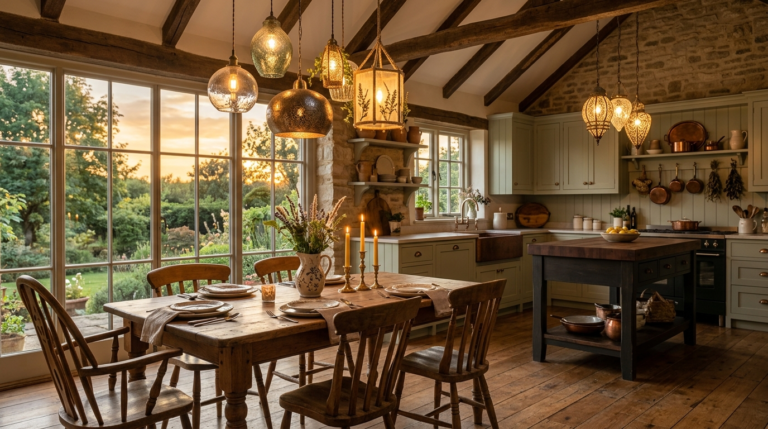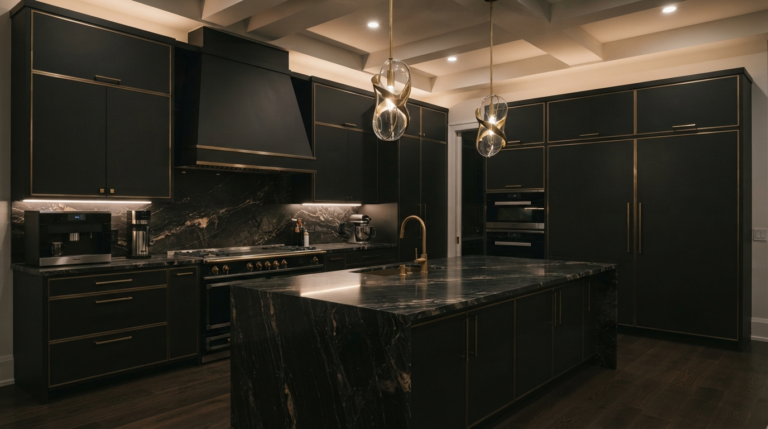
Rustic and traditional kitchens evoke a sense of warmth, history, and comfort that modern designs often strive to capture. These spaces tell stories through their materials and craftsmanship, inviting family and friends to gather around for meals and memories. In this deep dive, we celebrate the elements that make these kitchens so beloved across generations.
Crafting Warmth with Natural Wood
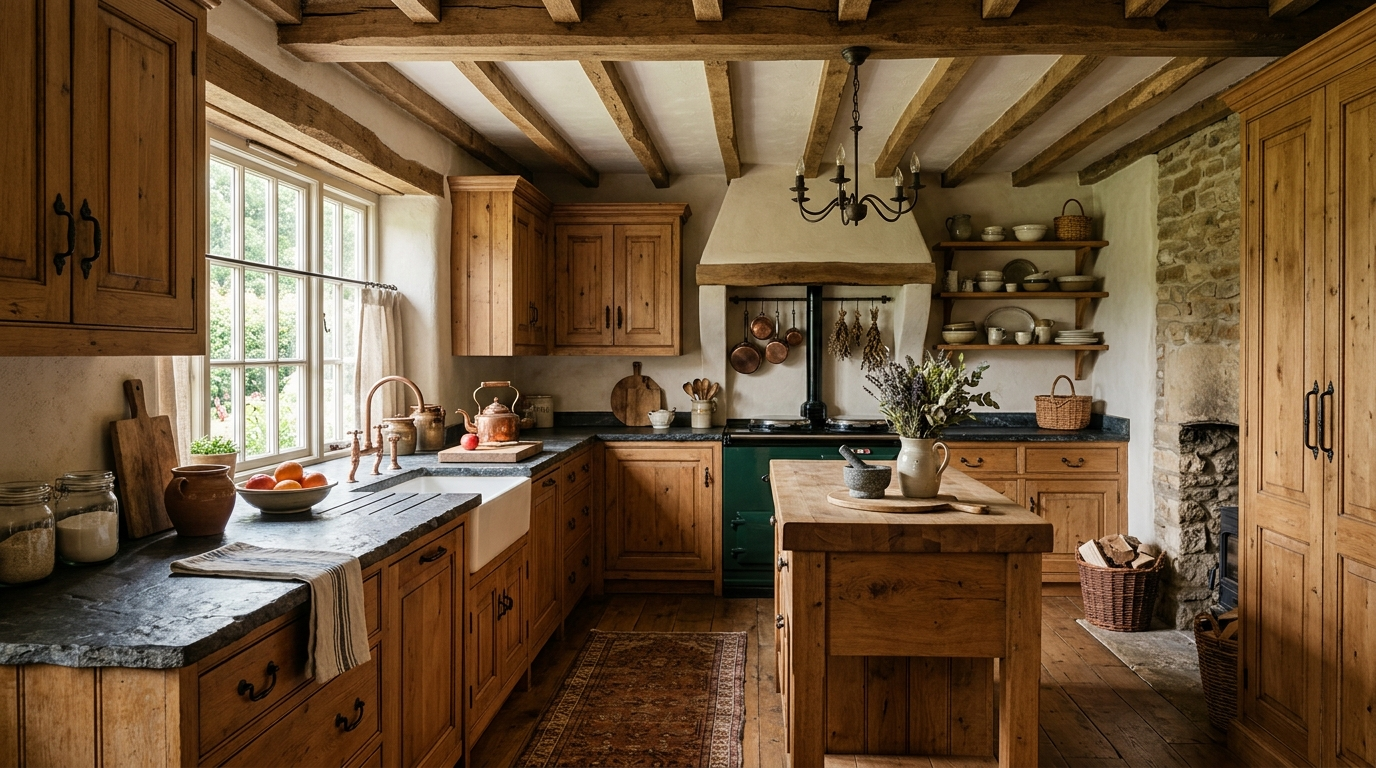
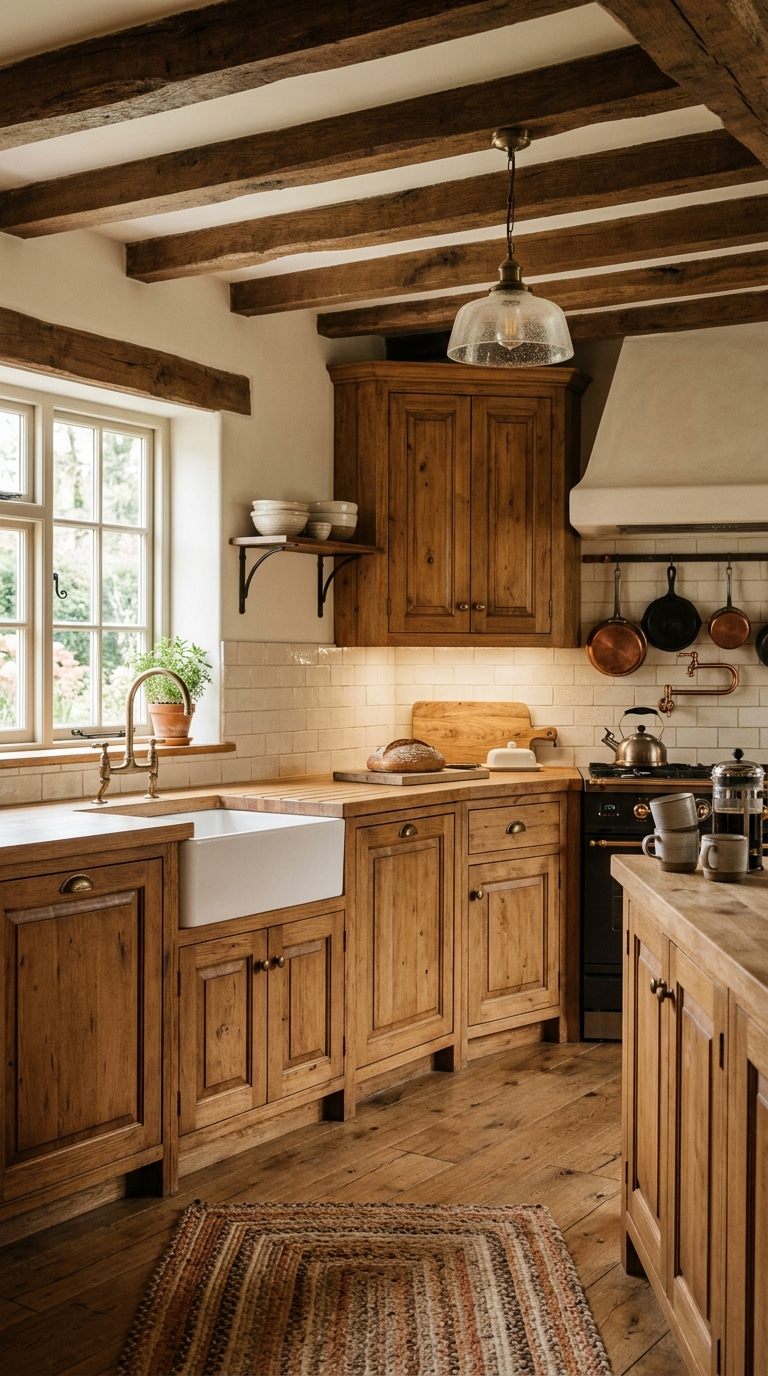
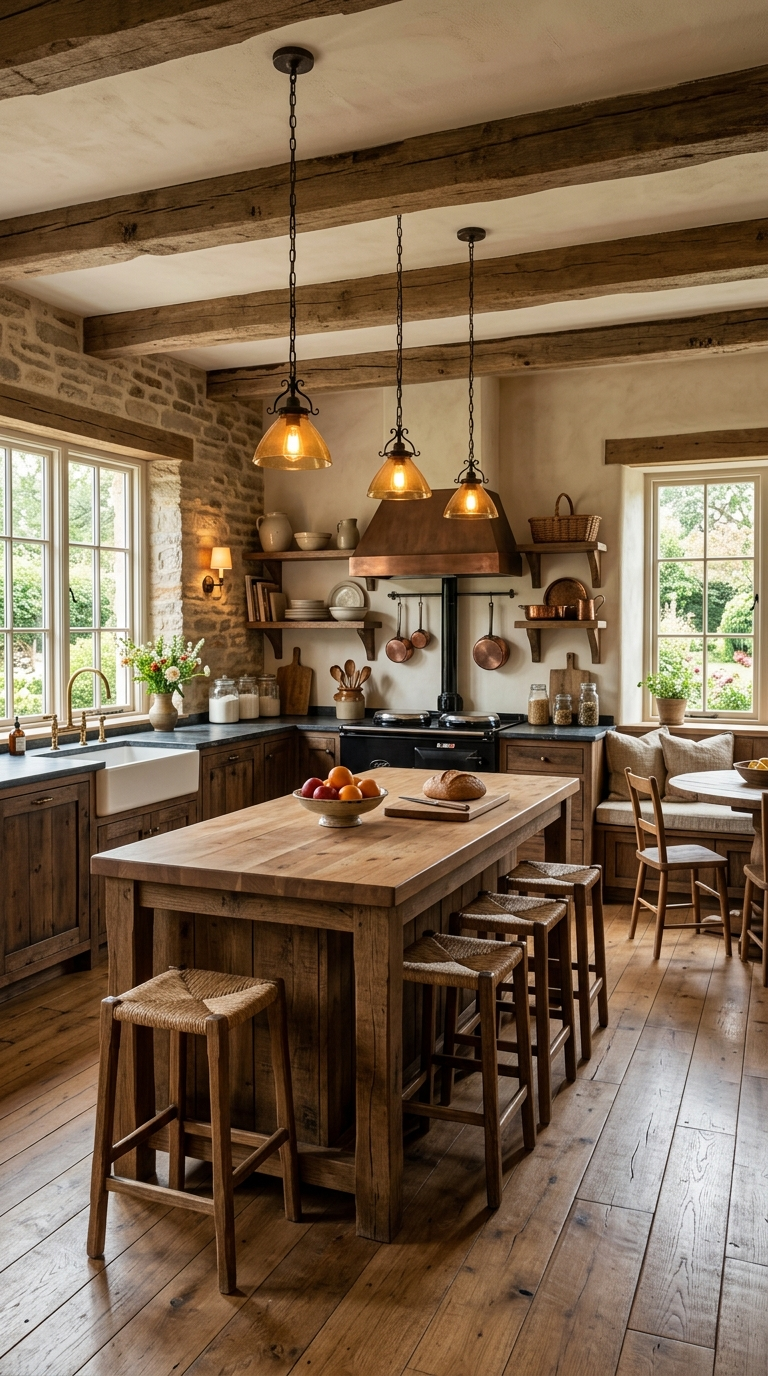
At the heart of rustic kitchens lies the generous use of natural wood. Beams, cabinetry, and flooring in rich oak, maple, or reclaimed pine bring organic texture and enduring beauty. These elements age gracefully, developing patina that enhances character over time. Traditional shaker-style cabinets in warm honey tones pair beautifully with distressed finishes for an authentic farmhouse feel.
Imagine entering a kitchen where wide-plank hardwood floors ground the space, while exposed ceiling beams draw the eye upward. The wood tones create a harmonious palette that feels welcoming rather than overwhelming. Incorporate handcrafted details like dovetail joints or beaded board paneling to elevate the craftsmanship. This approach ensures the kitchen remains a living, breathing part of the home rather than a sterile workspace.
Stone and Brick Elements for Authenticity
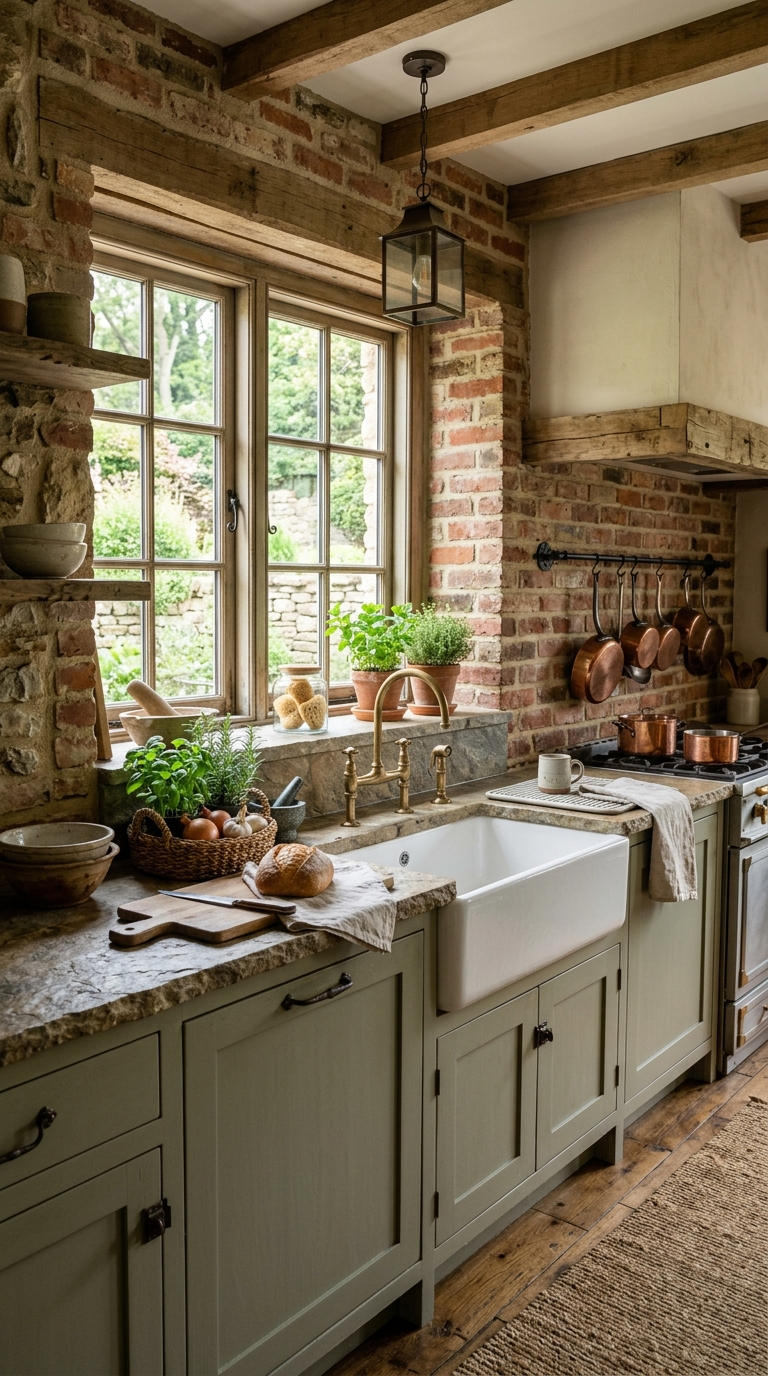
Stone countertops and brick accents anchor traditional kitchens in heritage. A large farmhouse sink paired with a soapstone or granite countertop offers both beauty and durability. Brick backsplashes or a stone hearth around a wood-burning stove add layers of texture and history. These materials connect the kitchen to the land and traditions of craftsmanship.
Subtle variations in stone coloring prevent monotony while maintaining cohesion. Choose tumbled or honed finishes for a softer, lived-in appearance that complements the rustic aesthetic. Such choices make the kitchen feel collected over time rather than newly installed.
Classic Hardware and Lighting Choices
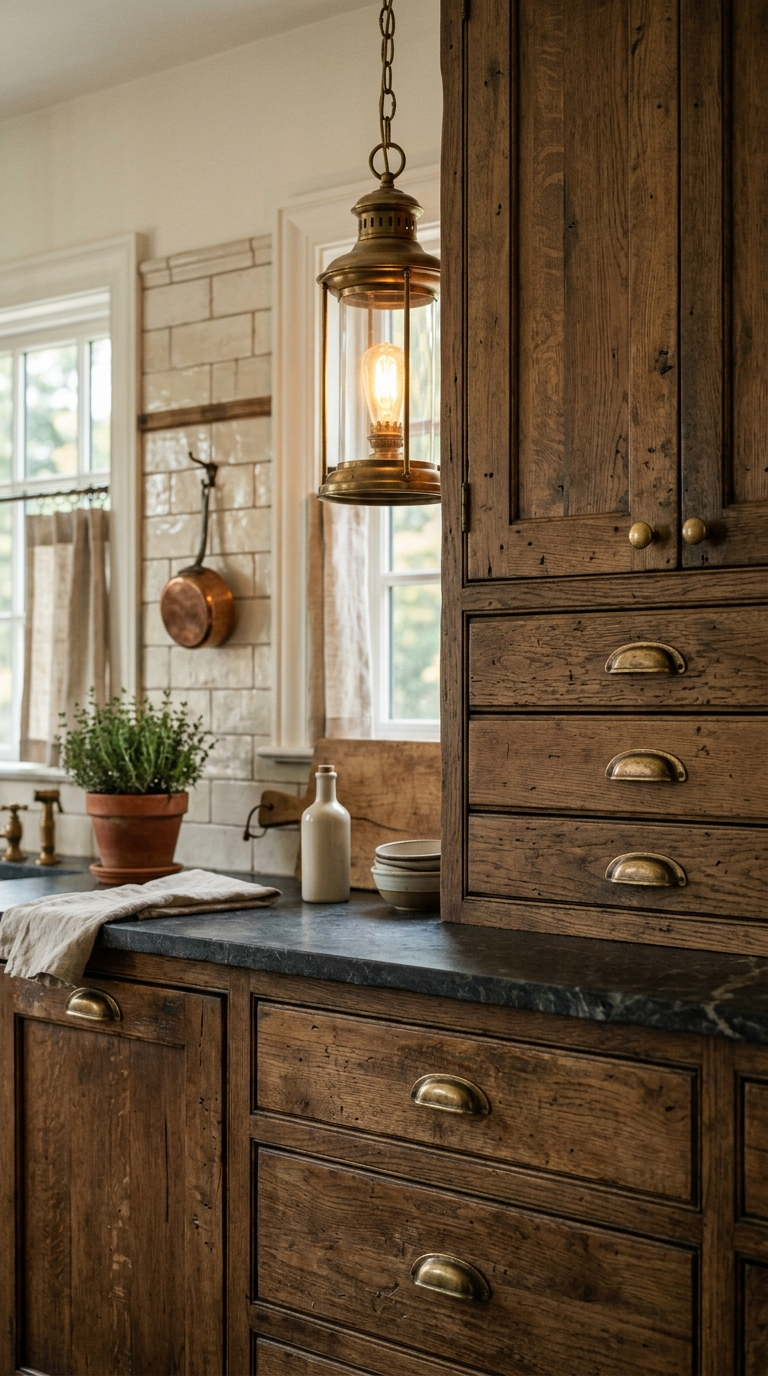
Antique-inspired hardware in aged brass or oil-rubbed bronze completes the traditional look. Bin pulls, cup handles, and knob combinations add tactile interest. Pair these with lantern-style pendant lights or wrought iron fixtures that cast a warm glow, enhancing the cozy atmosphere during evening meals.
Layered lighting is essential—combine overhead fixtures with task lighting under cabinets and accent pieces to create inviting zones within the kitchen. This thoughtful approach transforms the space from purely functional to emotionally resonant.
Incorporating Textiles and Personal Touches
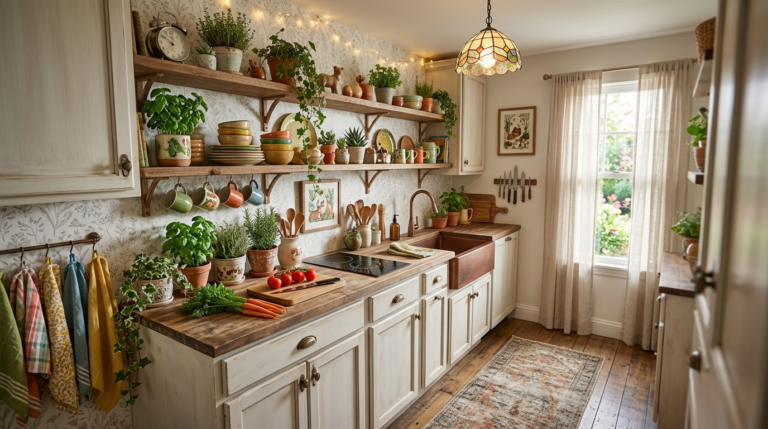
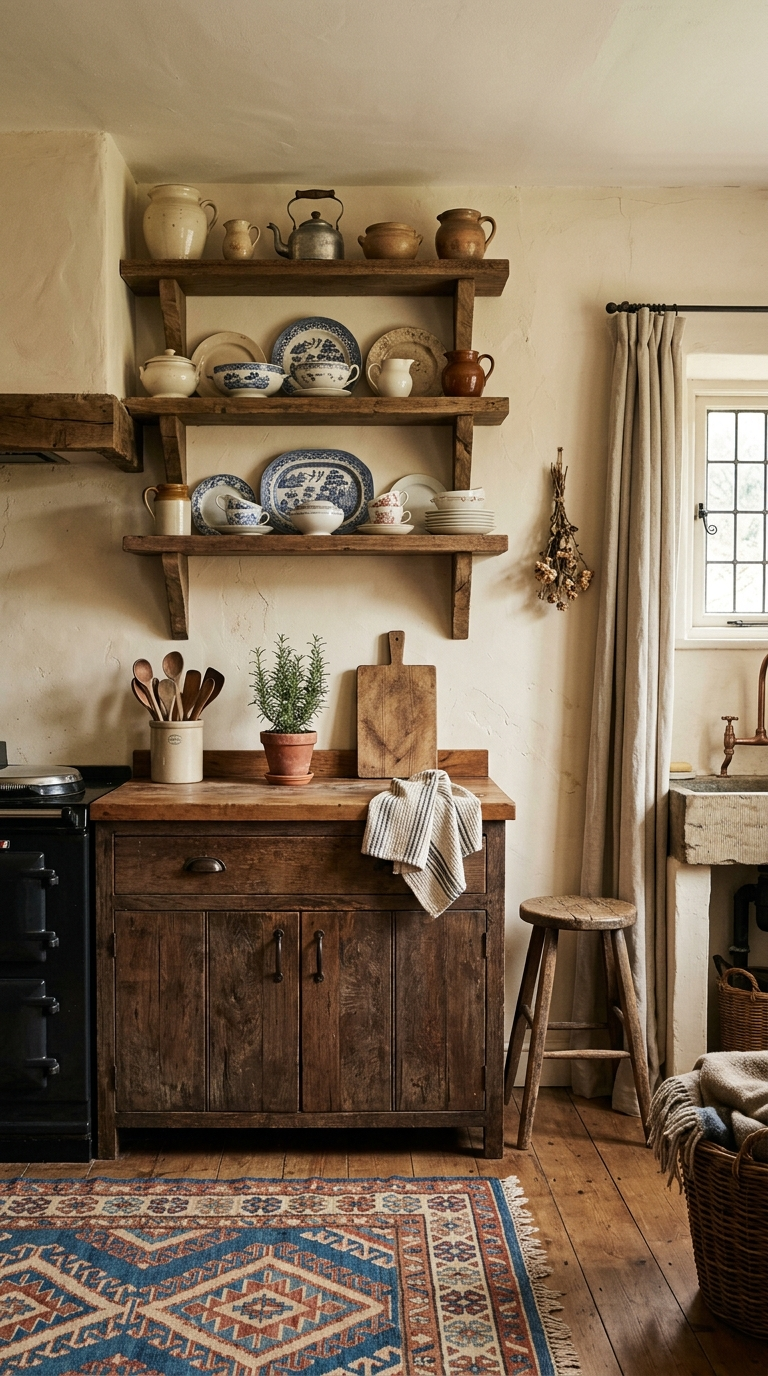
Soft textiles like linen curtains, woven rugs, and upholstered banquettes introduce comfort and color. Traditional patterns such as gingham or subtle florals enhance the homey feel without overpowering the natural elements. Display collections of vintage dishware on open shelves to personalize the space.
These details make the kitchen uniquely yours while staying true to timeless design principles. The result is a space that feels both grand and intimate.
Layout and Flow for Family Living
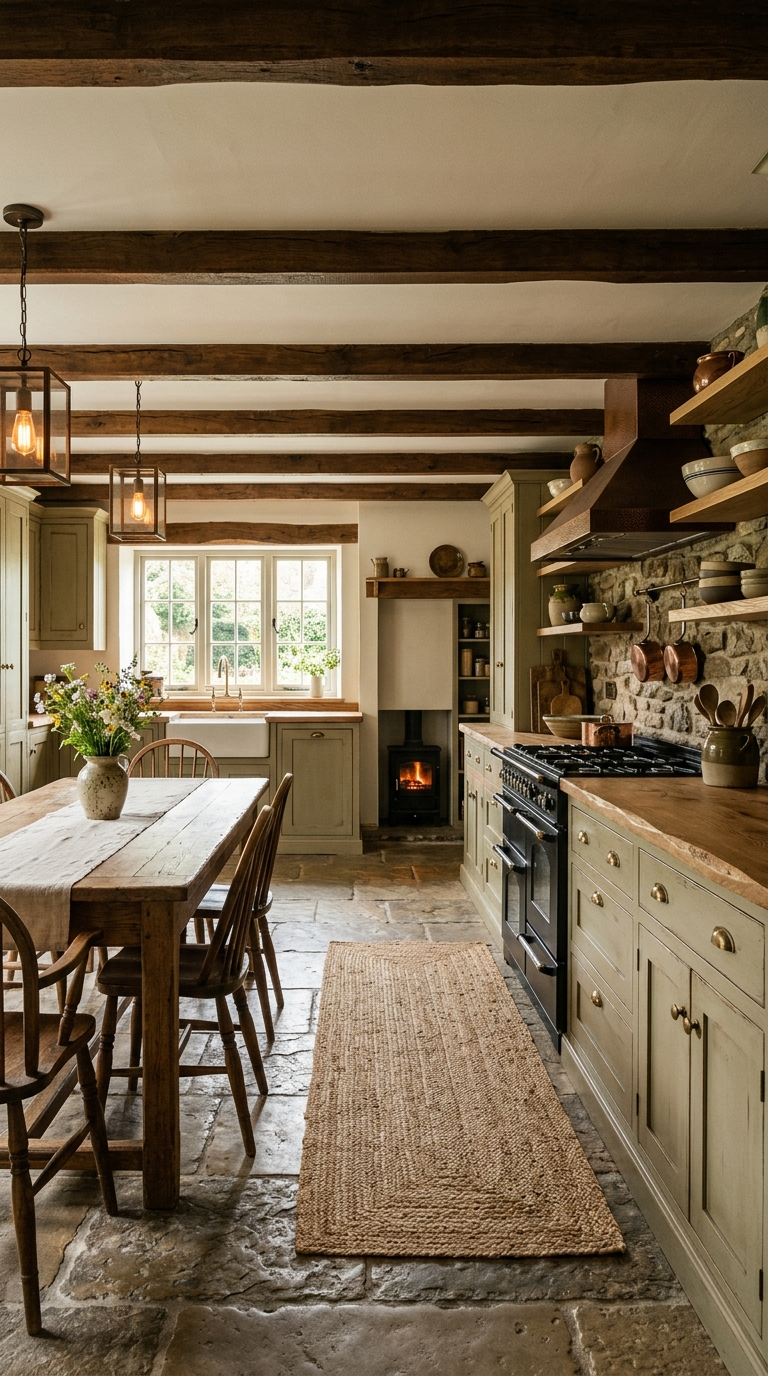
Traditional kitchens often feature generous islands for prep and gathering, along with separate dining nooks. Work triangles ensure efficiency while maintaining the social aspect. Incorporate seating areas that encourage lingering conversations over coffee or while meals are prepared.
Attention to ergonomics combined with aesthetic harmony creates kitchens that support real life beautifully. Expand on color palettes with creams, deep greens, and warm neutrals that complement the wood and stone.
Creating Lasting Legacy in Your Kitchen
Rustic and traditional kitchens offer more than aesthetics—they provide a foundation for family traditions and daily joy. By thoughtfully combining natural materials, classic details, and personal elements, you craft a space that transcends trends. Whether updating an existing kitchen or building new, these principles ensure enduring appeal and heartfelt comfort. The beauty lies in the details: the way light plays across wooden surfaces, the warmth of stone underfoot, and the stories held within each carefully chosen piece. Embrace this style to create a kitchen that feels like home in the truest sense.
Throughout history, kitchens have been the gathering place, and rustic traditional designs honor that role with grace and substance. From expansive country estates to cozy cottages, these kitchens adapt beautifully while retaining their soulful essence. Consider how each element contributes to the overall narrative of your home, ensuring functionality meets beauty in perfect harmony. This approach to design rewards patience and attention, resulting in spaces cherished for generations.