Common Home Organization Mistakes to Avoid
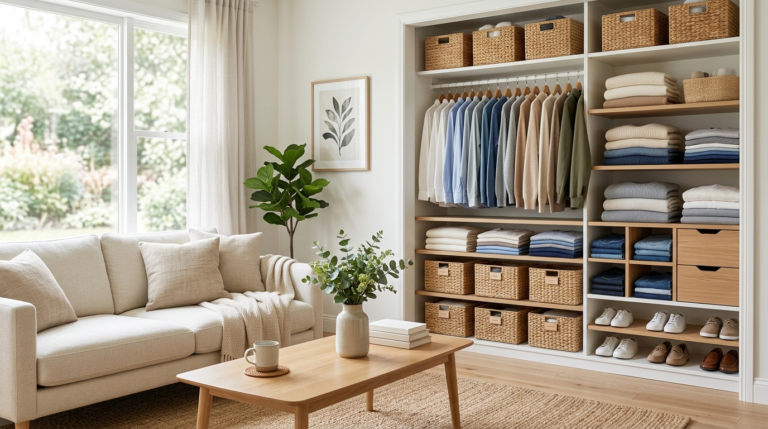
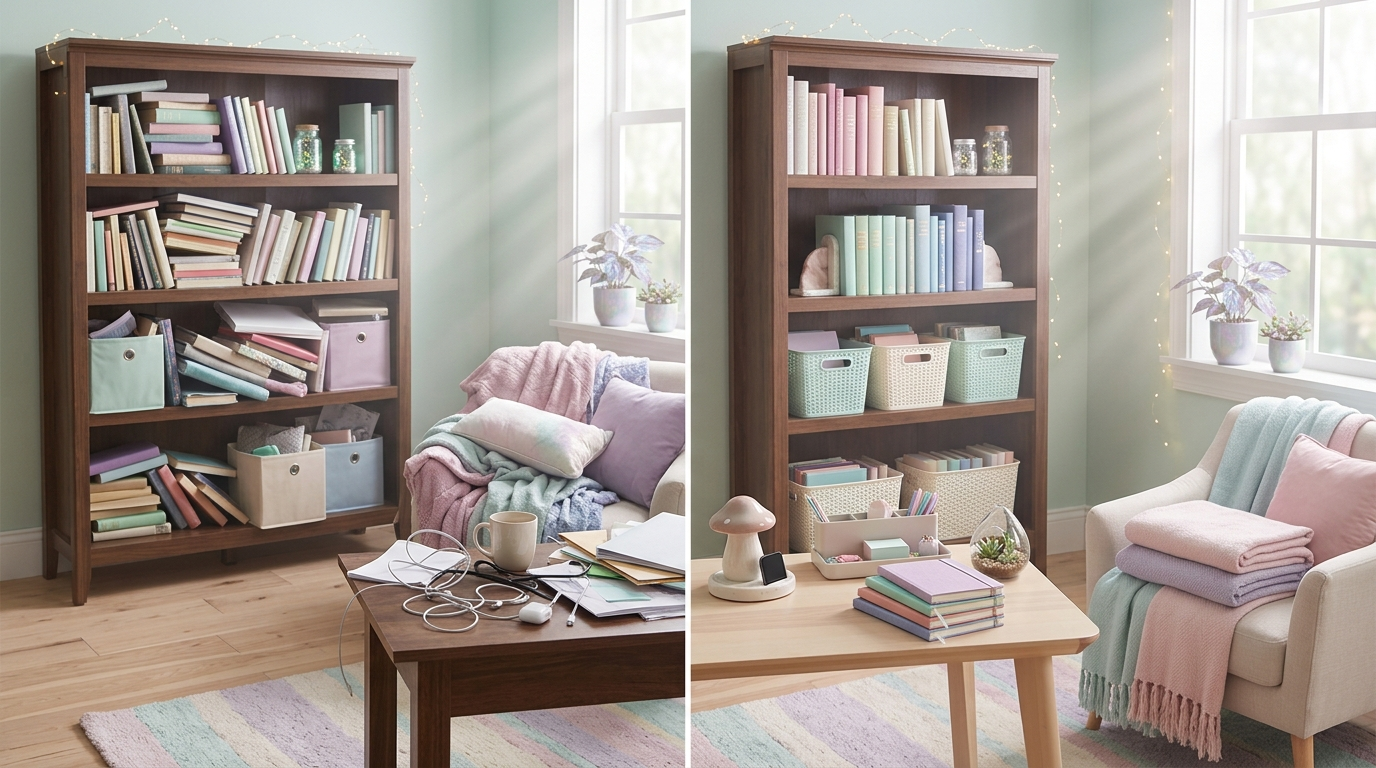
Organization is one of those things that seems straightforward in theory but often proves frustratingly elusive in practice. You buy the bins, label the containers, color-code everything, and yet within weeks, your home slides back into chaos. If this sounds familiar, you’re not failing at organization—you’re likely falling into common traps that sabotage even the best intentions. The difference between a perpetually cluttered home and a smoothly functioning organized space often comes down to avoiding these critical mistakes.
In this comprehensive guide, we’ll explore the most common home organization mistakes people make and, more importantly, how to avoid them. You’ll discover why your previous organization attempts haven’t stuck and learn proven strategies for creating systems that work with your lifestyle, not against it. Whether you’re embarking on your first major decluttering project or you’re a seasoned organizer looking to refine your approach, understanding these pitfalls will save you time, money, and frustration.

Mistake #1: Buying Storage Solutions Before Decluttering
This is perhaps the most common and costly organization mistake. You walk into a home goods store, see beautiful bins and baskets, and imagine your perfectly organized space. You purchase containers in various sizes, bring them home, and then try to figure out what to put in them. This approach is backwards and almost guaranteed to fail.
The problem with buying storage first is that you’re organizing stuff you may not even need or want. You’re creating homes for clutter rather than evaluating what deserves to stay in your life. This leads to buying too many containers, buying the wrong sizes, or creating elaborate systems for items you should simply discard.
The correct sequence is crucial: first, declutter thoroughly. Remove everything from the space you’re organizing. Sort items into keep, donate, sell, and discard piles. Be ruthless and honest about what you actually need and use. Only after you know exactly what you’re keeping should you measure your space and purchase storage solutions specifically designed for those items. This ensures your storage fits both your belongings and your space perfectly.
Mistake #2: Creating Overly Complicated Systems
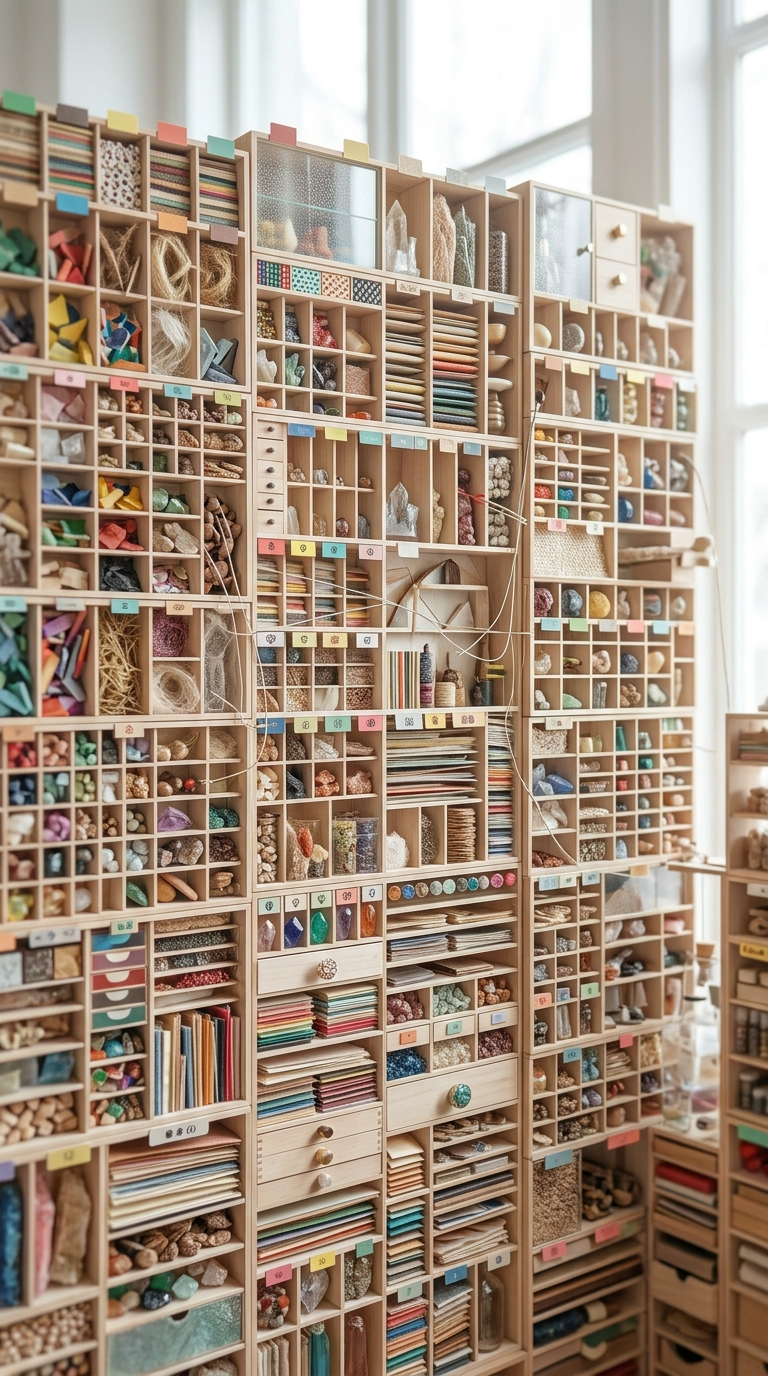
There’s a tendency to think that more complex organization systems are better systems. You create elaborate categorization schemes, color-code everything, label every container with precise descriptions, and establish detailed rules for where everything belongs. While this might look impressive in photos, complicated systems rarely survive contact with real life.
The problem is maintenance. Complex systems require significant mental energy and time to maintain. When you’re tired, busy, or stressed, you won’t follow the intricate rules you’ve created. Family members won’t remember where everything goes. The system collapses under its own weight, and you’re back to square one.
Simplicity is the key to sustainability. Create systems so simple they’re almost automatic. Group similar items together in logical locations. Use broad categories rather than hyper-specific ones. Make it obvious where things belong. The best organization system is one that you and your family will actually use consistently, even on your worst days. If it requires a manual to understand, it’s too complicated.
Mistake #3: Ignoring Your Actual Lifestyle
Organization systems fail when they’re based on who you wish you were rather than who you actually are. You see a beautifully organized pantry on social media with everything in matching containers, perfectly labeled and alphabetized. You try to replicate it, but your family grabs snacks throughout the day, you cook quickly on weeknights, and the pristine system falls apart within days.
The mistake is designing for an idealized lifestyle instead of your real one. If you’re not naturally meticulous, don’t create a system that requires meticulousness. If your kids can’t maintain complex organization, don’t expect them to. If you always drop your bag in the same spot, put a basket there instead of fighting the habit.
Observe your actual behaviors honestly. Where do things naturally accumulate? What routines do you actually follow? What frustrates you about your current setup? Design systems that work with these realities, not against them. Organization should make your life easier, not harder. The best system is one that fits seamlessly into how you actually live.
Mistake #4: Not Assigning Specific Homes for Items
Vague organization is no organization at all. Saying items belong ‘in the kitchen’ or ‘in the bedroom’ is too broad. Without specific, designated homes, items wander aimlessly and clutter accumulates. You know that feeling when you spend ten minutes searching for scissors that should be somewhere in the kitchen? That’s the result of not assigning specific homes.
Every single item in your home needs a specific, logical home. Not ‘the garage’ but ‘the third shelf in the garage, in the blue bin labeled tools.’ Not ‘the bathroom’ but ‘the top drawer to the right of the sink.’ The more specific you are, the easier it is to maintain organization and find what you need.
When assigning homes, consider frequency of use. Daily items should be easily accessible. Occasional items can be stored in less convenient locations. Group related items together. Make sure homes are logical—things should be stored where they’re used. Once everything has a specific home, the rule is simple: always return items to their designated spot after use. This one habit prevents most clutter.

Mistake #5: Organizing Without Involving Family Members
If you live with others, organizing in isolation is a recipe for frustration. You create a beautiful system, explain it to your family, and then wonder why they don’t follow it. The problem is that they had no input in creating the system, so they have no ownership of it. It’s your system, not theirs, and they’ll resist maintaining it.
Organization affects everyone in the household, so everyone should have a voice in creating systems. Hold a family meeting to discuss organization goals. Ask what frustrates everyone about the current setup. Get input on where things should go. Consider everyone’s needs and habits. When people help create a system, they’re invested in its success.
Make sure the system works for all users, not just you. If your children can’t reach their clothes, the closet organization fails. If your partner can’t find the can opener, the kitchen system fails. Create systems that everyone can understand and maintain. Label clearly if helpful. Teach children where things belong. Make it easy for everyone to succeed. Organization is a team effort in shared spaces.
Mistake #6: Failing to Maintain Systems
Organization isn’t a one-time project—it’s an ongoing practice. Many people make the mistake of thinking that once they’ve organized a space, the work is done. But homes are dynamic, living spaces. Stuff accumulates, seasons change, needs evolve. Without regular maintenance, even the best organization systems deteriorate.
The mistake is not building maintenance into your routine. You need daily, weekly, and seasonal habits to keep organization intact. Daily: return items to their homes, clear surfaces, do a quick reset. Weekly: tackle one area that tends to accumulate clutter, review and adjust systems as needed. Seasonally: do a deeper declutter, reassess what’s working and what isn’t, make adjustments for changing needs.
Schedule maintenance time just like any other important activity. Set reminders if necessary. Make it a habit, not a burden. The time you invest in maintenance is far less than the time required to reorganize from scratch. Think of it like brushing your teeth—you don’t brush once and expect perfect dental health forever. Organization requires consistent care.
Mistake #7: Keeping Items ‘Just in Case’
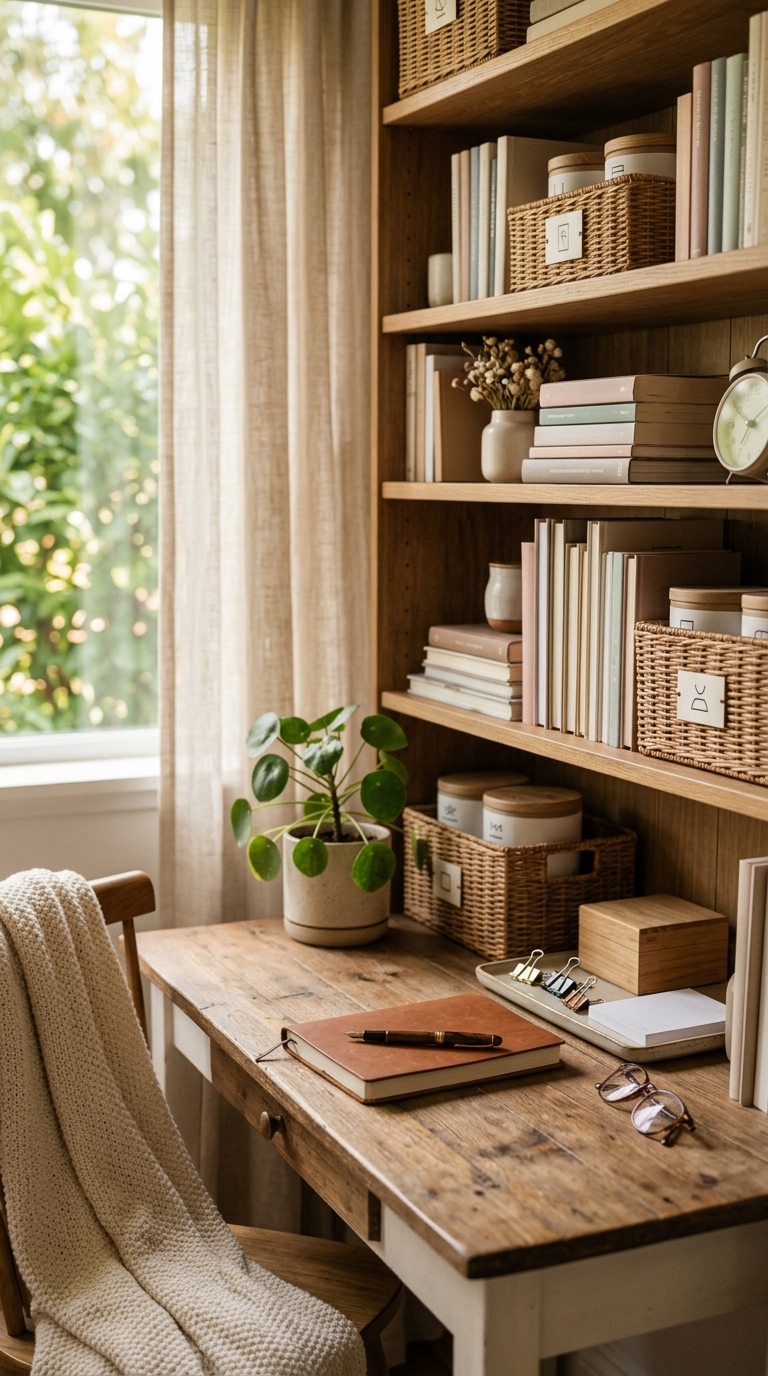
The ‘just in case’ mentality is one of the biggest obstacles to organization. You keep items you haven’t used in years because someday you might need them. That broken appliance you’ll fix eventually. Clothes that don’t fit but might again. Free containers from takeout meals. These items take up valuable space and make organization infinitely harder.
The problem with ‘just in case’ items is that they’re based on fear and hypothetical scenarios rather than reality. Ask yourself honestly: when was the last time you used this? If the answer is over a year ago, you probably won’t use it again. If you truly need it in the future, you can likely borrow, rent, or buy it then. Most ‘just in case’ items never get used.
Be honest about your actual needs versus imagined future needs. Keep items you use regularly or have genuine sentimental value. Let go of the rest. The space and mental clarity you gain is worth far more than the theoretical future utility of items collecting dust. If you’re struggling, set a deadline—’if I haven’t used this in six months, I’ll donate it.’ This creates accountability and makes decision-making easier.
Mistake #8: Not Measuring Before Buying
This mistake wastes money and creates frustration. You see storage containers that look perfect, buy them, bring them home, and discover they don’t fit your space or your stuff. The shelves are too short, the drawers too shallow, or the containers too wide. Now you’re stuck with useless storage solutions and still-chaotic spaces.
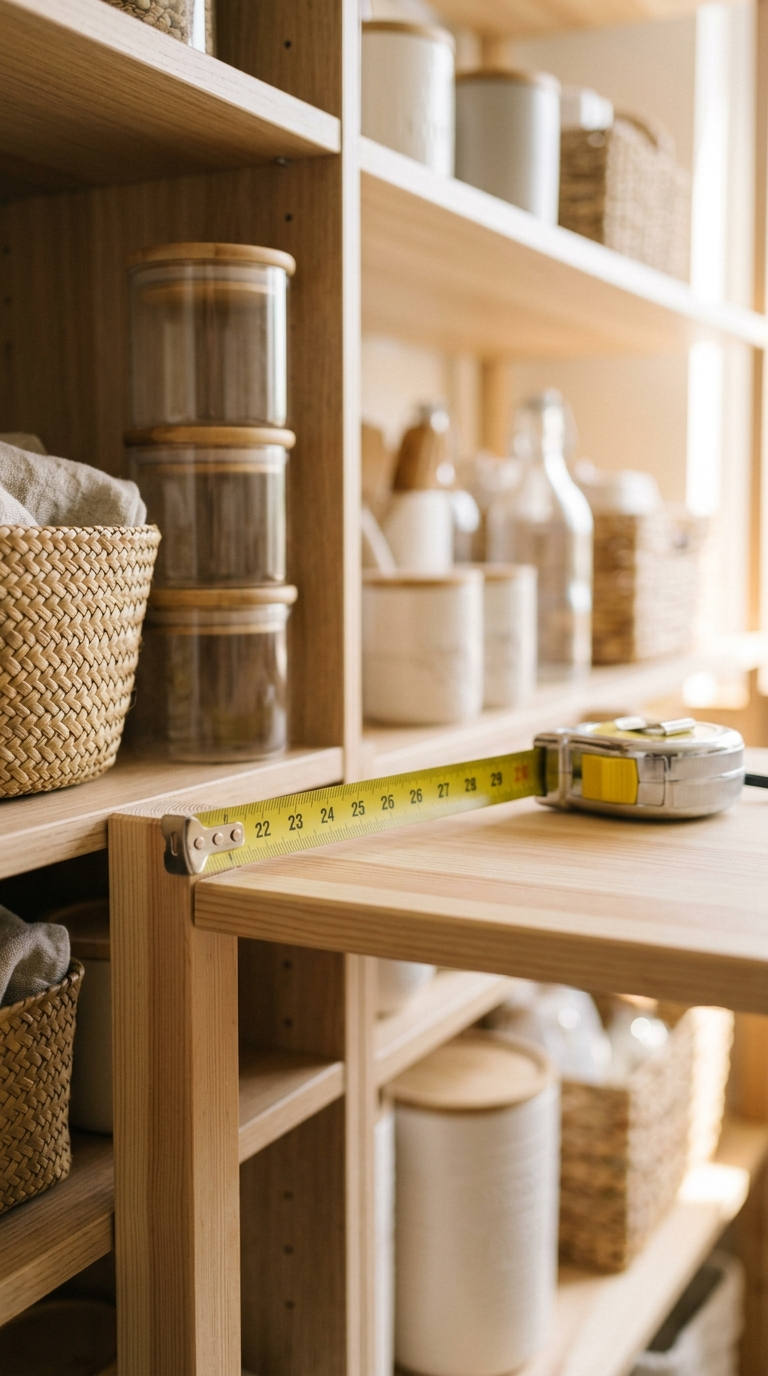
Always measure before purchasing organization solutions. Measure the space where items will go—shelf height and depth, drawer dimensions, closet width and height. Measure what you’re storing—tall bottles, folded clothes, board games. Bring these measurements shopping or keep them handy when ordering online.
Consider not just whether items fit, but whether there’s room to actually use them. Can you open lids easily? Remove items without struggling? Leave some breathing room—cramming items in tightly makes systems harder to maintain. Take photos of your space and measurements when shopping. This simple step prevents countless organization failures.
Mistake #9: Trying to Organize Everything at Once
Enthusiasm is wonderful, but attempting to organize your entire home in a weekend is a setup for burnout and failure. You start with good intentions, but as the day wears on, you become exhausted, overwhelmed, and discouraged. You cut corners, make poor decisions, and create systems you’ll regret. Or worse, you give up entirely and leave your home in worse disarray than when you started.
Organization is a marathon, not a sprint. Tackle one area at a time, giving each space the attention it deserves. Start with a small, manageable area to build confidence and momentum. A single drawer, one shelf, a small closet. Complete it fully before moving to the next area. This approach is more sustainable and produces better results.
Create a realistic timeline for your organization projects. Perhaps one room per week or one category per month. Schedule specific times to work on organization. Celebrate completed areas. This steady, consistent approach prevents overwhelm and creates lasting change. Remember, you didn’t accumulate clutter overnight, and you won’t eliminate it overnight either. Be patient and persistent.
Mistake #10: Neglecting Vertical Space
When spaces feel cramped and cluttered, the instinct is to spread out horizontally. But often, the solution is looking up. Vertical space is vastly underutilized in most homes. Walls, doors, and the space above furniture offer tremendous organization potential that goes untapped.
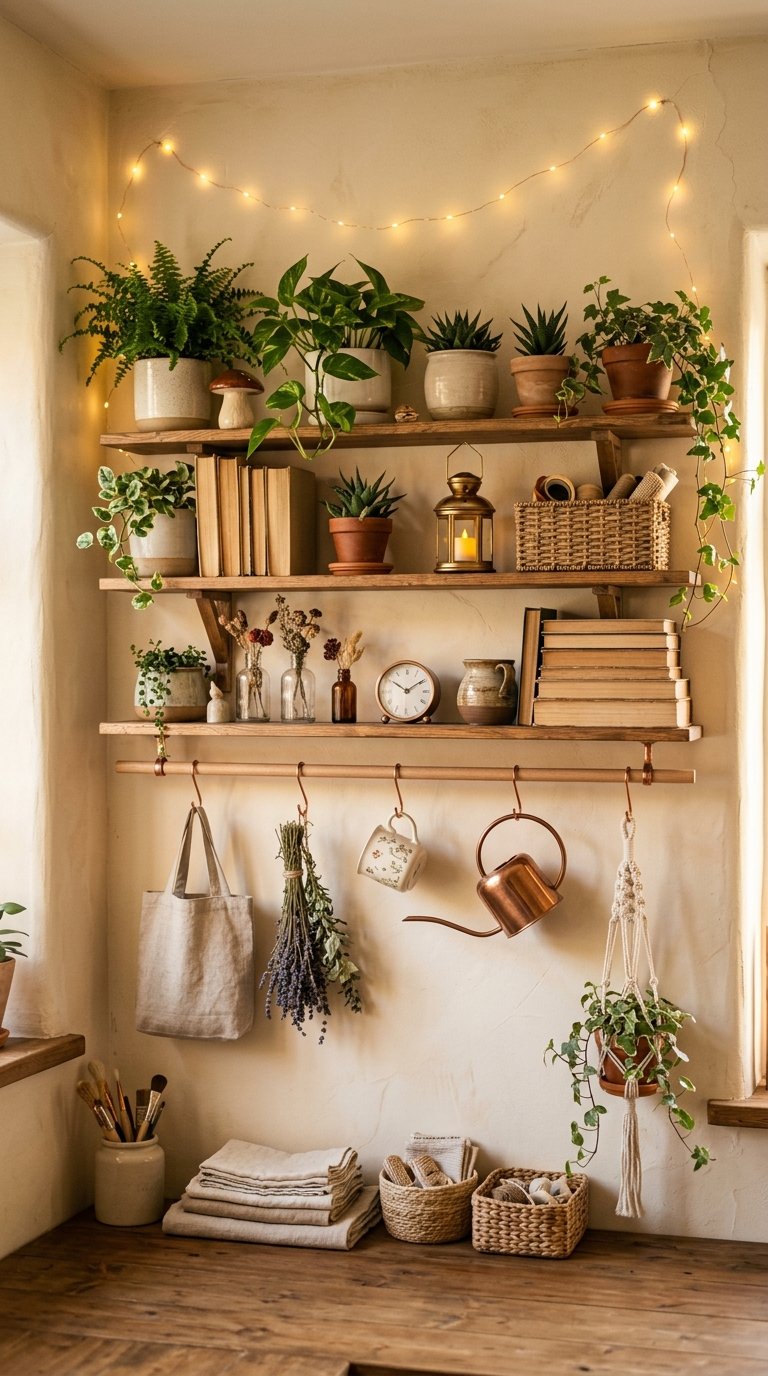
Install shelves on walls to free up floor and counter space. Use the inside of cabinet doors for additional storage. Hang items on walls—bikes, pots and pans, jewelry, tools. Add shelf risers inside cabinets to double storage capacity. Use tall, narrow storage units that maximize height rather than width.
Think vertically in every room. In closets, add a second rod for shorter items. In kitchens, use wall-mounted racks and magnetic strips. In bathrooms, add over-toilet storage. In garages, install wall systems and overhead racks. Vertical organization dramatically increases capacity without expanding your footprint.
Mistake #11: Not Labeling Clearly
Labels might seem like an optional finishing touch, but they’re actually essential for maintaining organization, especially in shared spaces. Without clear labels, family members guess where things go, leading to inconsistency and gradual system breakdown. You know where everything belongs, but others don’t have that knowledge in their heads.
Label everything that isn’t immediately obvious. Storage bins, shelves, drawers, containers. Use clear, simple language. Make labels visible and easy to read. Consider using pictures for young children who can’t read yet. Labels eliminate confusion and decision-making, making it easier for everyone to maintain the system.
Don’t over-label—common sense items don’t need labels. But for anything that could be ambiguous, label it. Update labels when contents change. Make labeling part of your organization process, not an afterthought. This simple step dramatically improves system adherence and longevity.
Mistake #12: Perfectionism Paralysis
Perfectionism is the enemy of organization. You wait for the perfect time to start, the perfect system, the perfect containers. You research endlessly, plan exhaustively, but never actually begin. Or you start but abandon the project when it doesn’t look exactly like the magazine photos. Perfectionism keeps you stuck in planning mode and prevents progress.
The truth is, there is no perfect organization system. There’s only what works for you and your family. Your organized space doesn’t need to be Instagram-worthy—it needs to be functional. Start before you feel ready. Use what you have. Make adjustments as you learn what works. Done is better than perfect.
Embrace ‘good enough’ organization. Systems can be effective without being beautiful. Progress is more important than perfection. If you’re waiting for ideal conditions, you’ll wait forever. Start today with what you have. Improve as you go. Remember that organization is a tool for better living, not an end in itself. Function over form, always.
Creating Organization That Lasts
Avoiding these common mistakes dramatically increases your chances of creating organization systems that actually work long-term. Remember, organization is deeply personal—what works for someone else might not work for you. The key is understanding these pitfalls and adapting strategies to fit your unique situation, lifestyle, and personality.
Start by decluttering before organizing. Create simple systems based on your real life, not an idealized version. Assign specific homes for everything. Involve your family. Build in maintenance routines. Let go of ‘just in case’ items. Measure carefully. Tackle projects one at a time. Utilize vertical space. Label clearly. And most importantly, release perfectionism and embrace progress.
Organization is a skill that improves with practice. You’ll make mistakes, systems will need adjustment, and that’s okay. Be patient with yourself and persistent in your efforts. The goal isn’t a perfect home—it’s a functional, peaceful space that supports your life and reduces stress. Avoid these common mistakes, stay committed to the process, and you’ll create an organized home that actually stays organized.