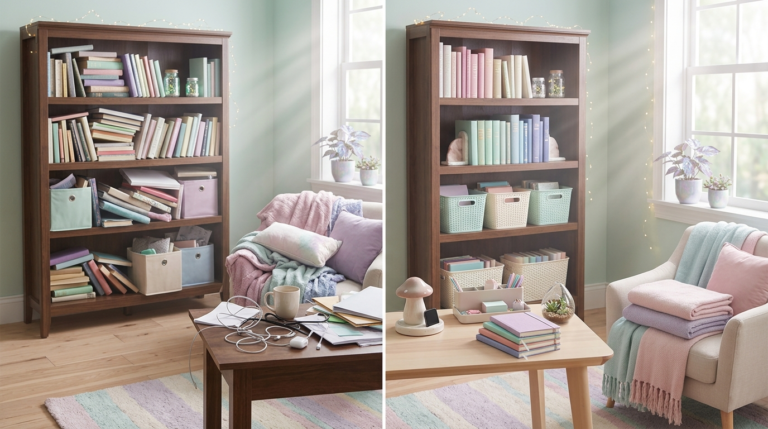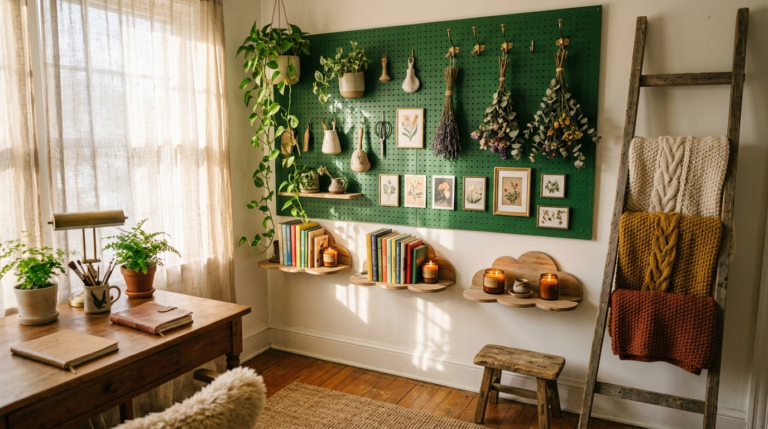
The Weekend Transformation: A Strategic Approach
Tackling an entire home organization project in a single weekend requires more than just enthusiasm; it demands a strategic plan and the right tools. Before you pull a single item out of a closet, take an hour on Friday evening to map out your attack plan. Divide your home into manageable zones and assign specific time blocks to each area for Saturday and Sunday. This prevents decision fatigue and keeps you moving efficiently from one task to the next without feeling overwhelmed by the sheer volume of clutter.
- Heavy-duty trash bags for immediate disposal of broken or unwanted items.
- Clear acrylic bins and baskets for categorizing similar items together.
- A label maker or chalkboard stickers to ensure everything has a designated home.
- Microfiber cloths and all-purpose cleaner for wiping down shelves as you go.
Adopt the four-box method for every single room: Keep, Donate, Trash, and Relocate. As you sort through your belongings, be ruthless. If you have not used an item in the past year and it holds no significant sentimental value, it is time to let it go. This weekend is not just about tidying up; it is about curating a living environment that supports your current lifestyle and brings you peace of mind.
Phase 1: The Kitchen Pantry and Cabinets
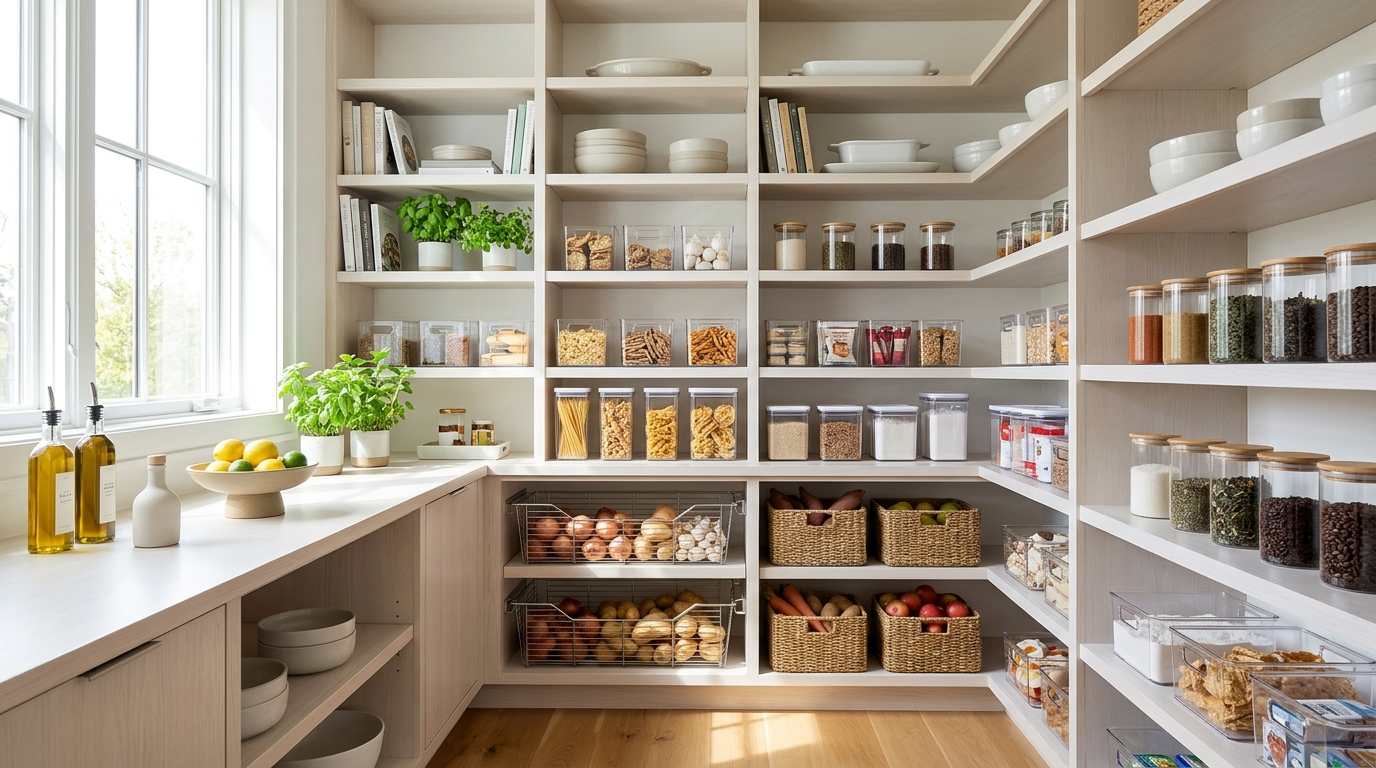
The kitchen is the heart of the home, and a cluttered kitchen can make cooking feel like a chore rather than a joy. Start your Saturday morning by completely emptying your pantry and kitchen cabinets. Wipe down every shelf and drawer with a fresh sponge and a pleasant-smelling cleaner. As you begin to reload the space, group items by category: baking supplies, canned goods, snacks, and breakfast items.
Decanting dry goods into clear, airtight containers is a game-changer for pantry organization. Not only does it keep food fresher for longer, but it also creates a visually uniform and calming aesthetic. Use a label maker to clearly mark the contents and expiration dates on every bin. Implement lazy Susans for deep corner cabinets and spices, ensuring that nothing gets pushed to the back and forgotten. Drawer dividers are essential for keeping utensils, measuring spoons, and gadgets neatly separated and easily accessible.

Phase 2: The Living Room and Entryway
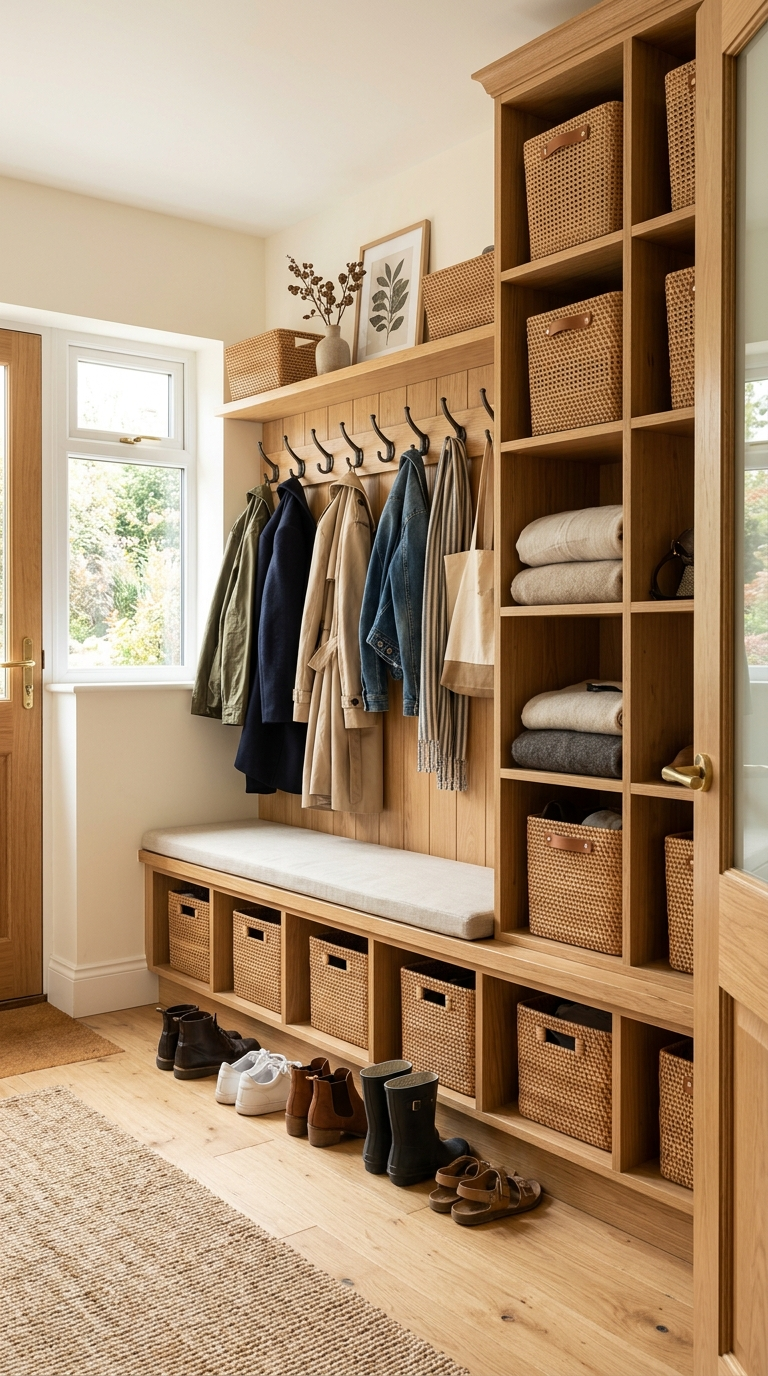
The entryway sets the tone for your entire home. If it is cluttered with shoes, coats, and mail, you will feel stressed the moment you walk through the door. Install a system of hooks and cubbies to give every family member a designated spot for their daily essentials. Use woven baskets on the bottom shelves to corral hats, gloves, and scarves, keeping them out of sight but easy to grab on your way out.
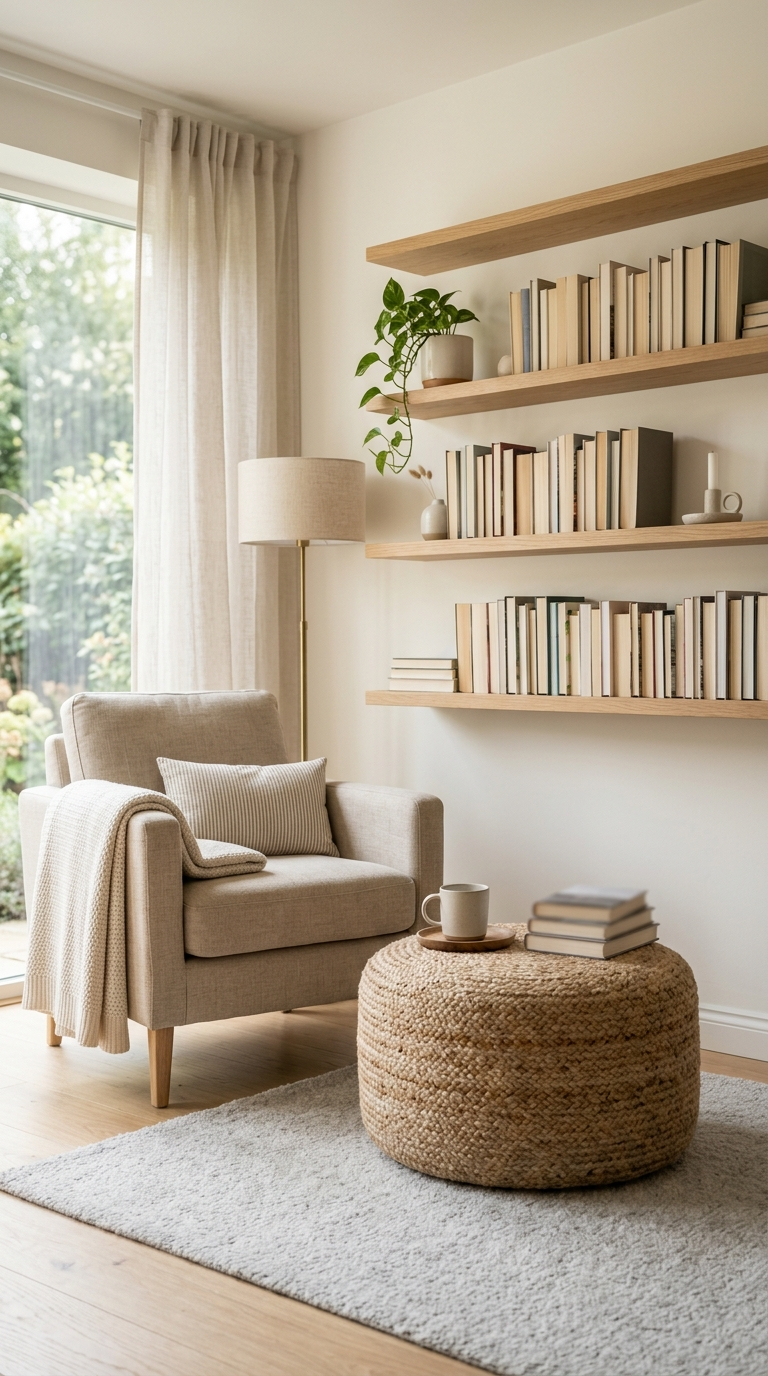
Move into the living room and focus on hidden storage. Ottomans and coffee tables with built-in storage are perfect for stashing away remote controls, coasters, and throw blankets. Address the cable management nightmare behind your television by using zip ties and cord sleeves to bundle wires together neatly. Bookshelves should be styled, not just stuffed; mix books with decorative objects and use baskets on the lower shelves to hide unsightly electronics or children’s toys.
Phase 3: Bedrooms and Closets
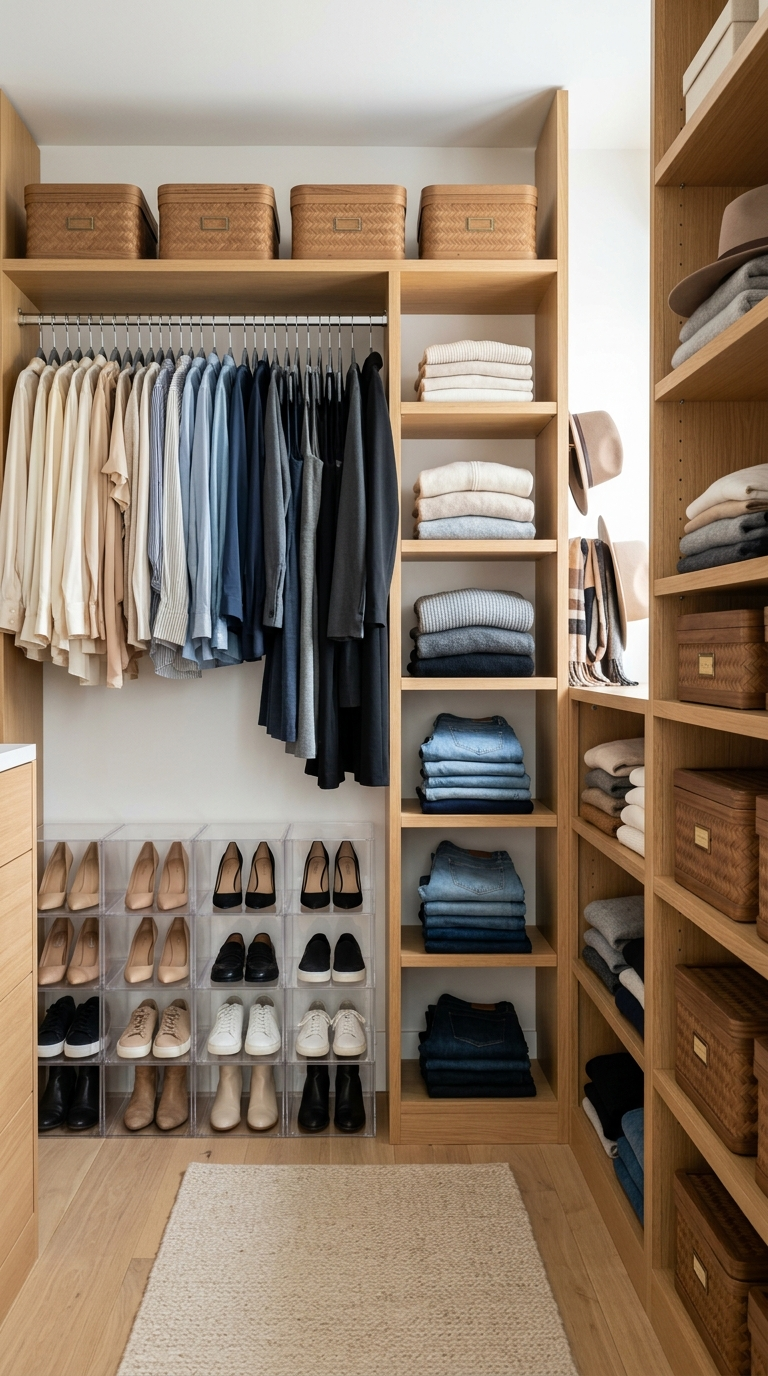
Your bedroom should be a sanctuary for rest, not a storage unit for overflow clutter. Begin with the closet, which is often the most daunting task. Take everything out and sort it by season and type. Switch to matching velvet hangers to instantly create a cohesive look and save valuable rod space. If you have clothes that do not fit or items you no longer love, place them directly into the donation box.
Maximize vertical space in the closet by adding a second hanging rod for shorter items like shirts and pants. Use the floor space for clear shoe racks or stackable bins for sweaters and denim. Do not forget the space under your bed; it is prime real estate for storing out-of-season clothing, extra linens, or luggage. Use low-profile, rolling under-bed storage containers with lids to keep dust at bay and make retrieval effortless.
Phase 4: Bathrooms and Linen Closets
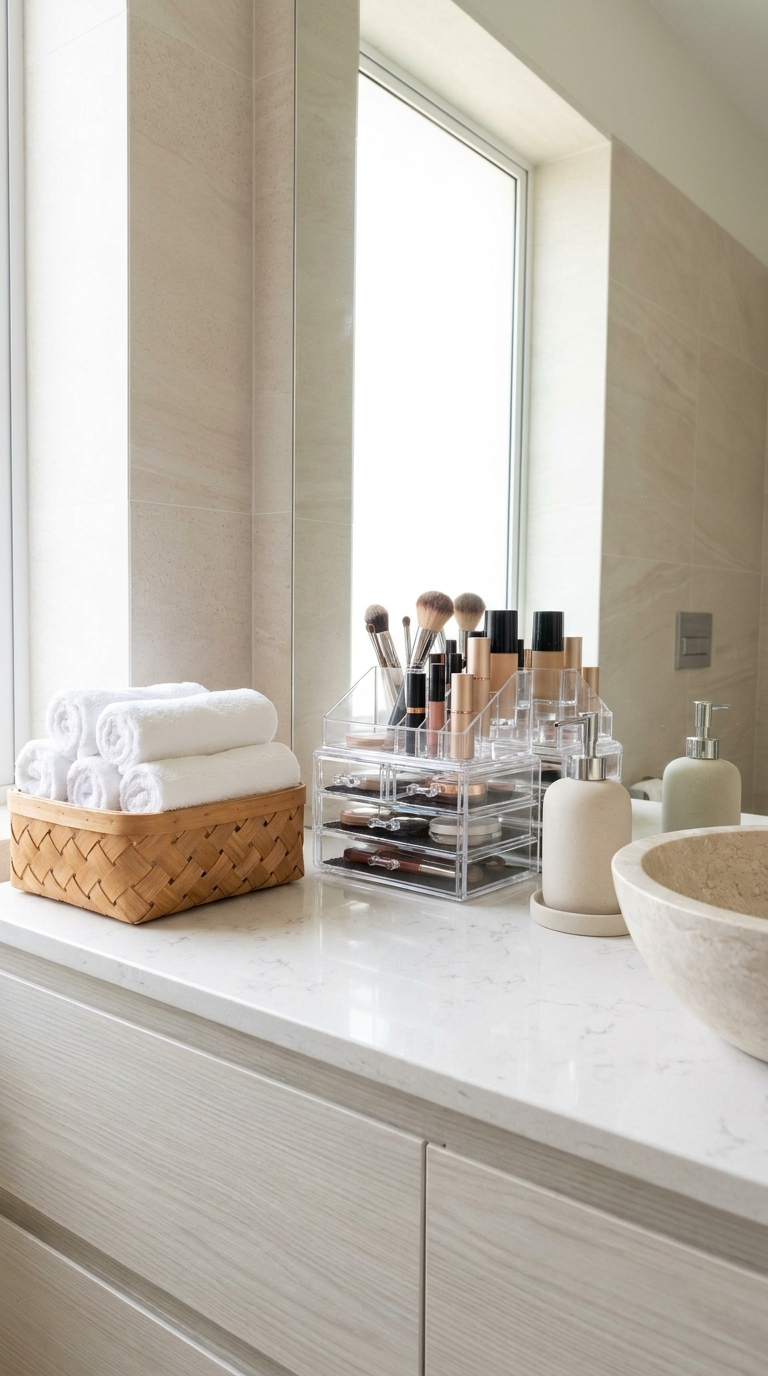
Bathrooms are notoriously prone to clutter due to the sheer volume of small items they must hold. Start by throwing away expired cosmetics, dried-up mascara, and empty shampoo bottles. Clean the vanity drawers and use small acrylic organizers to separate makeup brushes, lipsticks, and skincare products. This prevents the dreaded junk drawer effect where everything tangles together in a messy pile.
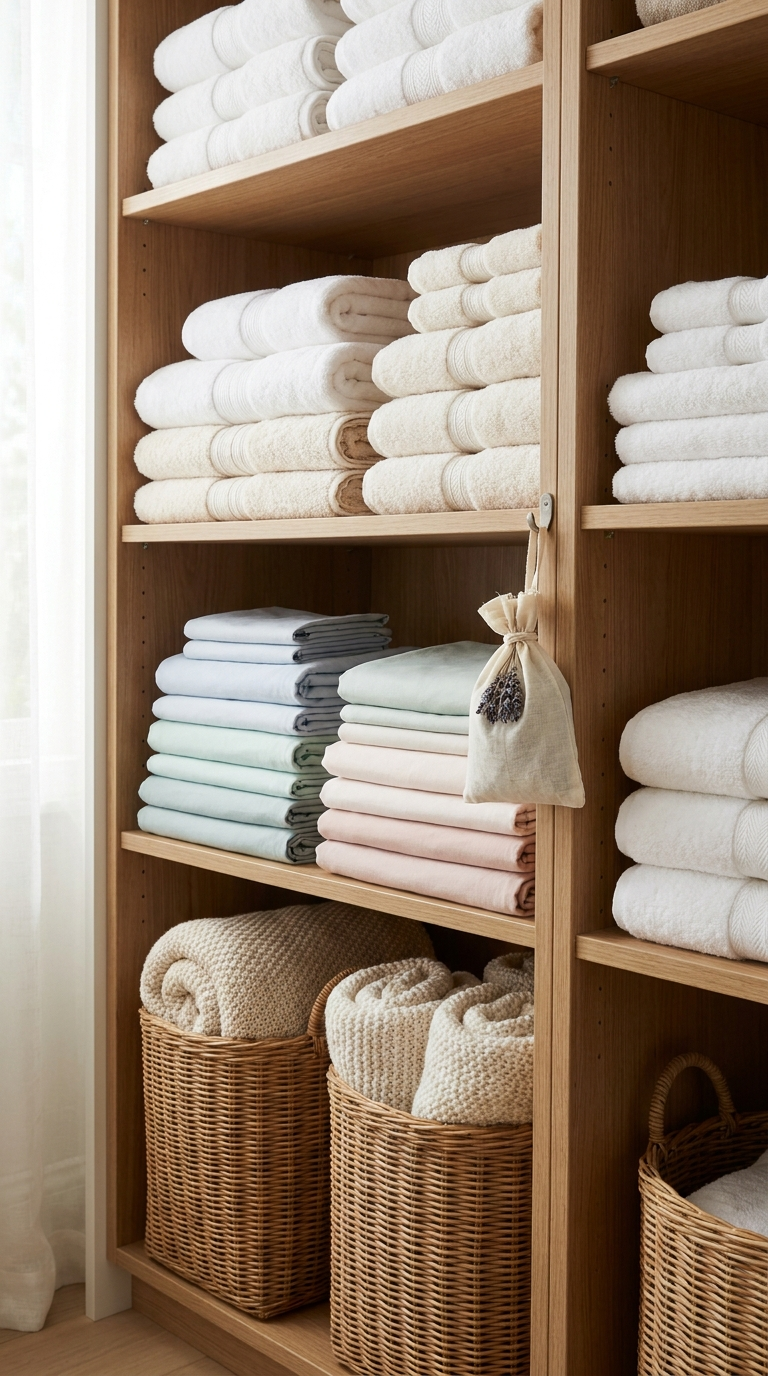
The linen closet requires a similar level of precision. Fold all towels and bedsheets uniformly so they stack neatly. Store sheet sets inside one of their corresponding pillowcases to keep the sets together and prevent them from getting mixed up. Roll hand towels and washcloths and place them in baskets for a spa-like presentation. Label the shelves so that anyone in the household knows exactly where to find extra toilet paper, guest towels, and cleaning supplies.
Phase 5: Home Office and Paper Management
Paper clutter is one of the most persistent organizational challenges. Dedicate a block of time on Sunday afternoon to tackle the home office or the kitchen counter where mail tends to accumulate. Sort through every piece of paper, immediately recycling junk mail and shredding sensitive documents. Create a filing system for essential documents like taxes, medical records, and warranties, using a portable filing box or a dedicated drawer.
For the desk itself, clear off everything except your daily essentials: your computer, a lamp, and a pen holder. Use drawer inserts to organize office supplies like paperclips, sticky notes, and batteries. Implement a digital-first mindset by scanning important papers and storing them securely in the cloud, reducing the physical footprint of your administrative life. A clear desk truly leads to a clear mind and higher productivity.
Phase 6: Maintenance and Daily Habits
Organizing your home in a weekend is a massive achievement, but maintaining it requires a shift in daily habits. Implement the fifteen-minute nightly reset: before going to bed, spend just a quarter of an hour putting things back in their designated homes, loading the dishwasher, and wiping down the kitchen counters. This small daily investment prevents clutter from building up again over the week.
Adopt the one-in-one-out rule. Whenever you bring a new item into your home, whether it is a piece of clothing, a new gadget, or a decorative object, commit to removing an equivalent item. This keeps your inventory in check and prevents the slow creep of clutter. By combining a solid organizational system with mindful daily habits, you will enjoy a tidy, peaceful, and beautifully organized home for years to come.