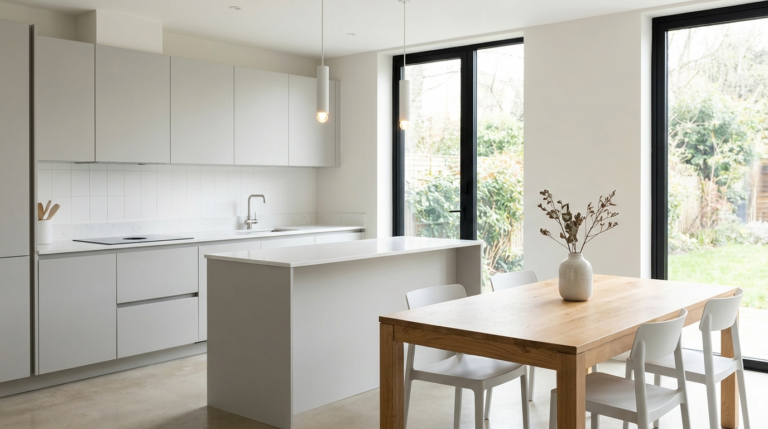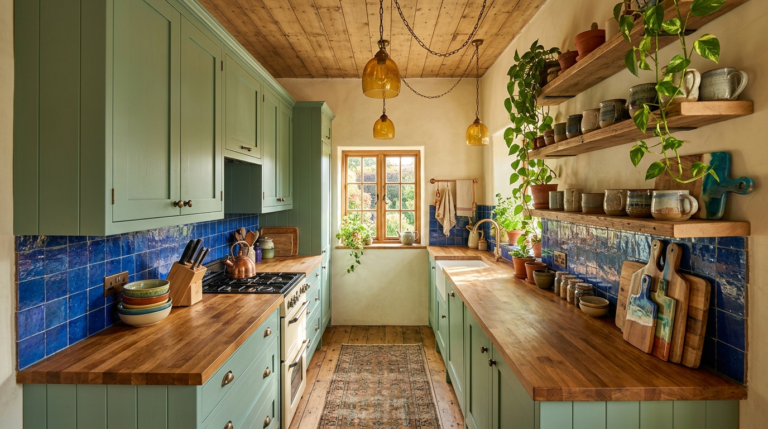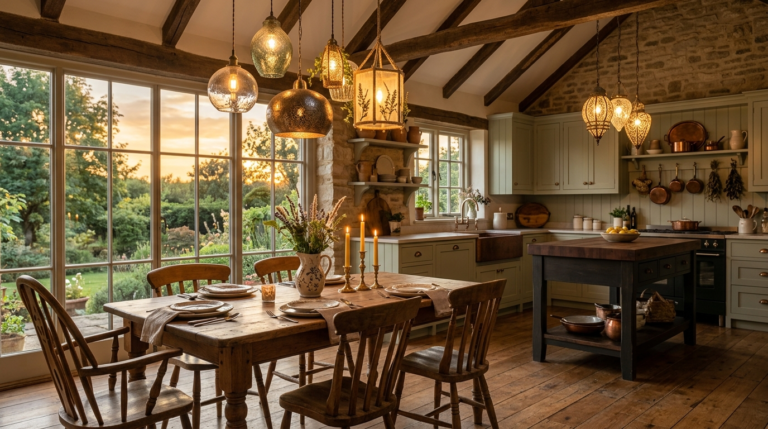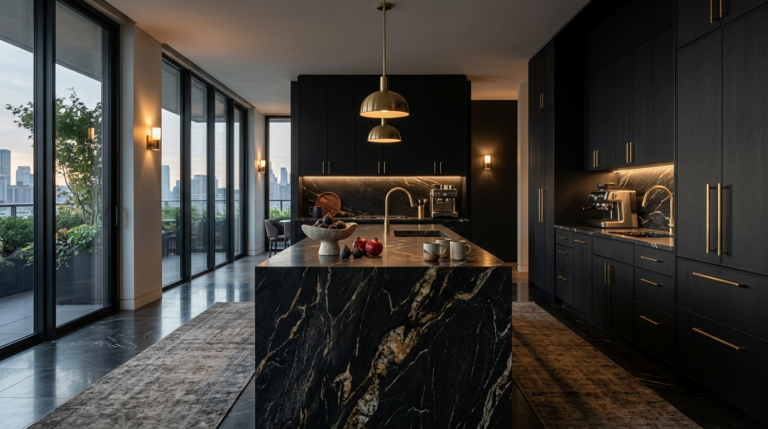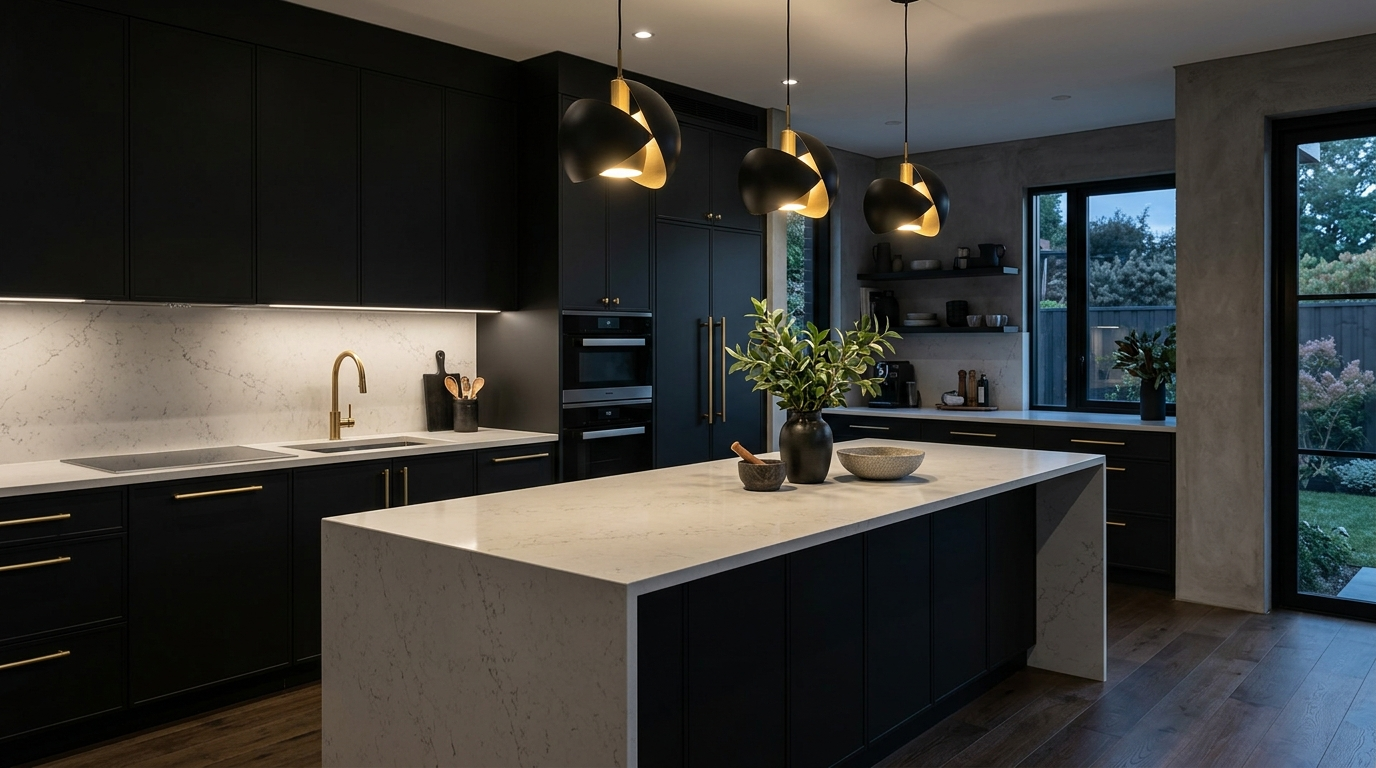
The allure of black and dark kitchens continues to captivate homeowners seeking a departure from bright, clinical spaces. In 2026, these designs are evolving with refined textures, thoughtful lighting, and high-end materials that create depth rather than darkness. This trend forecast examines the key movements shaping dark kitchen design this year, offering insights into why these choices resonate and how to incorporate them successfully. Dark kitchens offer a dramatic canvas that highlights architecture, makes a statement, and provides a sophisticated backdrop for both daily routines and special occasions. The key lies in balancing the depth with strategic elements that prevent the space from feeling closed in. Professional designers note that the popularity stems from social media inspiration, celebrity renovations, and a desire for timeless elegance that hides daily wear beautifully. Whether you are planning a complete overhaul or selective updates, understanding these trends will help you craft a kitchen that feels current, luxurious, and deeply personal. Let’s explore the defining directions for black and dark kitchens in 2026.
Matte Black Cabinetry with Subtle Texture Variations
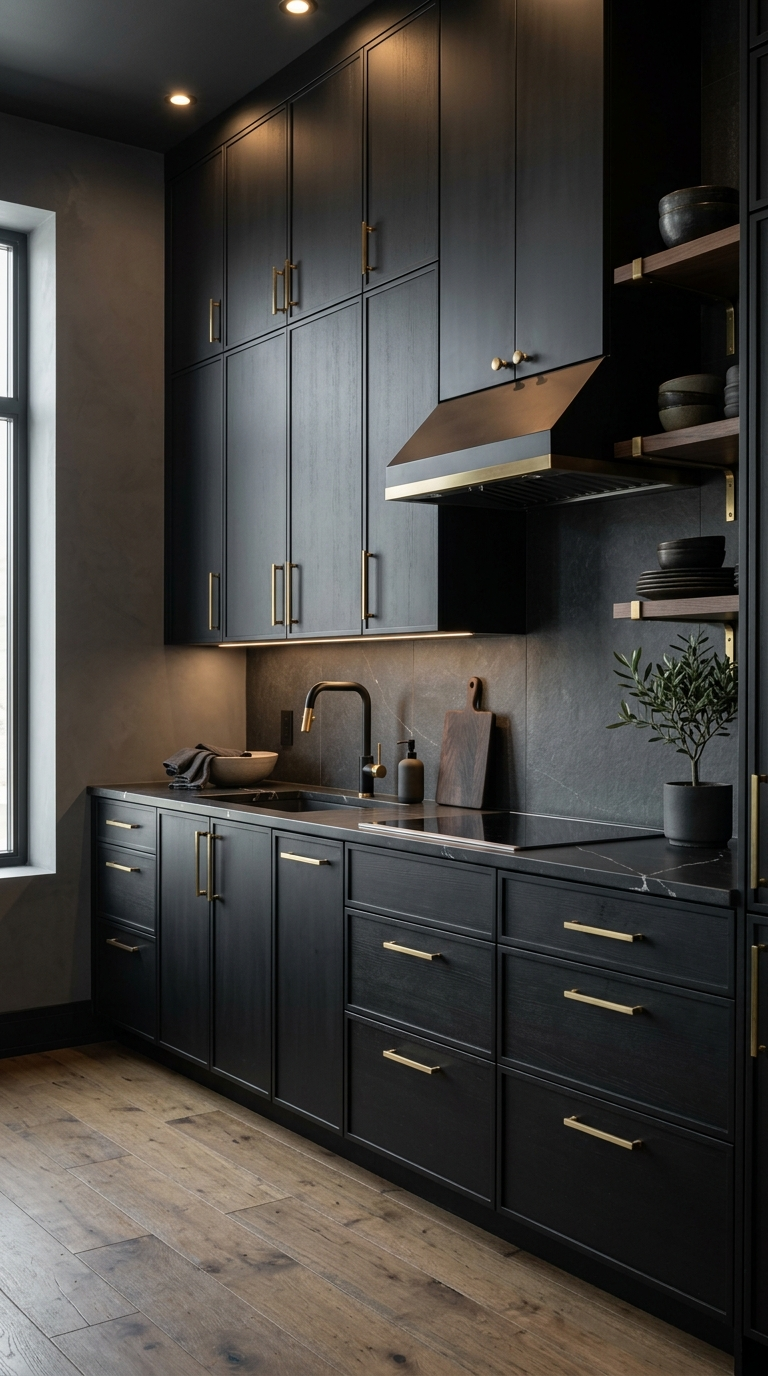
Matte black cabinetry remains the cornerstone of dark kitchen design in 2026, but with exciting new interpretations that move beyond flat surfaces. Homeowners and designers are embracing subtle texturing techniques such as light distressing, vertical reeding, or soft-touch lacquers that add dimension while maintaining the sleek, modern profile. These finishes not only look incredibly rich but also resist fingerprints and smudges better than high-gloss alternatives, making them practical for busy households. The trend toward customization allows for mixing matte black with darker wood grains or subtle metallic inlays on select doors, creating visual interest without overwhelming the eye. When planning your cabinetry, consider full-height units that extend to the ceiling for a seamless, built-in appearance that maximizes storage and creates architectural drama. Pairing these cabinets with lighter countertops in honed marble, light quartz, or even concrete creates beautiful contrast that keeps the space feeling open and airy despite the dark palette. Installation tips include ensuring proper lighting placement to highlight the texture and avoiding overly busy hardware that competes with the cabinetry’s quiet elegance. This trend reflects a broader movement toward thoughtful, tactile design that engages multiple senses while delivering enduring style.
Beyond aesthetics, matte black cabinetry offers practical advantages that contribute to its lasting popularity. The dark tone provides a forgiving surface for daily use, concealing minor scratches or spills that would show prominently on lighter finishes. Many manufacturers now offer high-performance matte finishes specifically engineered for kitchens, with enhanced durability against moisture, heat, and cleaning agents. When selecting your cabinetry, pay close attention to the quality of the finish and the underlying construction, as premium materials will maintain their appearance for decades. Homeowners who have embraced this trend often describe their kitchens as feeling more grounded and sophisticated, with the dark cabinets creating a sense of intimacy that makes the space feel like a true gathering place rather than just a workspace. This approach to cabinetry demonstrates how dark kitchens can be both bold and livable, striking the perfect balance between statement-making design and everyday functionality.
Dramatic Statement Lighting in Dark Tones
Lighting plays a pivotal role in dark kitchen design, and 2026 sees a surge in dramatic, sculptural fixtures that serve as both functional illumination and artistic focal points. Large-scale pendant lights in matte black, aged brass, or blackened steel create stunning visual anchors over islands and dining areas. The trend favors oversized silhouettes, multiple clustered pendants, or linear suspensions that draw the eye upward and add architectural interest to the space. Beyond pendants, integrated lighting within cabinetry, under shelves, and along toe kicks provides essential task lighting while enhancing the moody atmosphere. Designers recommend layering different light sources—ambient, task, and accent—to create depth and prevent the space from feeling flat or cave-like. Warm color temperatures between 2700K and 3000K are preferred for their cozy, inviting glow that complements the dark surfaces beautifully. Smart lighting systems allow homeowners to adjust brightness and color temperature throughout the day, transitioning from bright task lighting for cooking to softer, atmospheric settings for evening entertaining.
The selection of lighting fixtures should complement the overall design language of the kitchen. For a contemporary look, choose simple geometric shapes in matte black finishes. For more traditional or transitional spaces, consider fixtures with subtle detailing or aged metallic finishes that add warmth and character. The interplay between light and dark surfaces creates beautiful reflections and shadows that bring the space to life. Many successful dark kitchens incorporate mirrors or reflective backsplashes strategically to bounce light around the room and enhance the sense of spaciousness. When planning your lighting scheme, work with a professional to ensure proper placement and avoid glare on dark surfaces. The result is a kitchen that feels both dramatic and welcoming, with lighting that enhances the architecture and creates the perfect ambiance for every occasion. This lighting trend underscores how dark kitchens can be luminous and inviting when executed with intention and expertise.
High-Contrast Countertops and Backsplashes
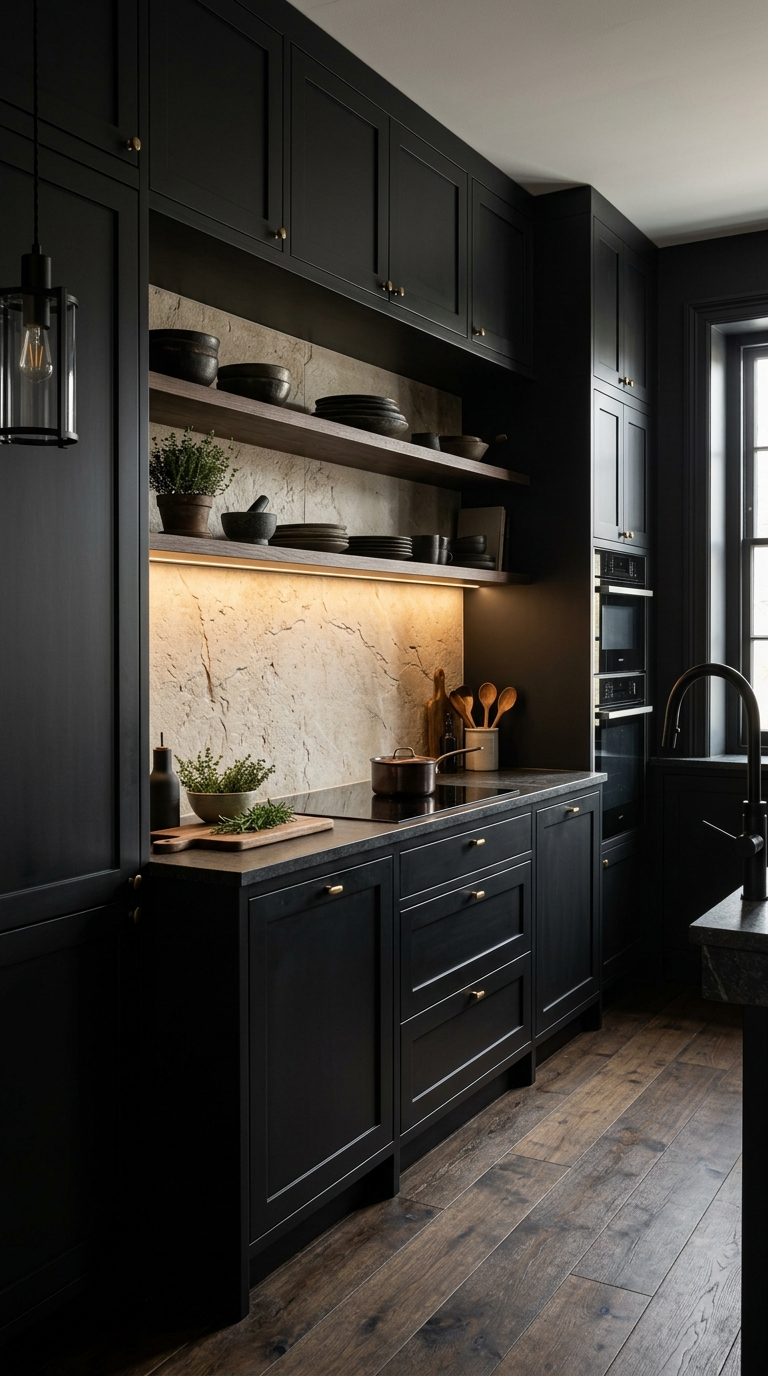
Creating visual interest through high-contrast elements is a defining trend in 2026 dark kitchens. Light-colored countertops in white, cream, or light gray quartz, marble, or soapstone provide beautiful counterpoints to dark cabinetry, preventing the space from feeling heavy or oppressive. The contrast also makes food preparation safer and more enjoyable by providing a clear, bright work surface. For backsplashes, designers are moving beyond simple subway tiles to more dramatic options such as large-format porcelain slabs in light tones, textured stone, or even handcrafted ceramic tiles in subtle patterns that catch the light. The goal is to create a luminous focal point that draws the eye and adds personality without competing with the dark cabinetry. Some homeowners are opting for full-height backsplashes that extend to the ceiling or wrap around the room for a truly custom, high-end appearance. Material choices should balance durability, maintenance, and aesthetic appeal, with honed or matte finishes preferred over polished surfaces that can show fingerprints and water spots more readily.
The trend toward contrast extends to other elements as well, with many designers incorporating light wood tones or natural stone accents to warm up the dark palette. Open shelving in light wood or metal can break up expanses of dark cabinetry while providing opportunities to display beautiful dishware or decorative objects. When planning your surfaces, consider how they will interact with lighting throughout the day and evening. Natural light from windows will interact differently with various materials, and artificial lighting should be positioned to highlight textures and create depth. Homeowners who have implemented high-contrast designs often report that their kitchens feel more spacious and dynamic, with the interplay of light and dark creating constant visual interest. This approach demonstrates that dark kitchens need not feel dark or closed-in; with thoughtful material selection and strategic contrast, they can be bright, welcoming, and full of character.
Integrated Appliances with Dark Finishes
Seamless integration of appliances continues to be a hallmark of sophisticated dark kitchen design in 2026. Manufacturers are offering more appliances in black stainless, matte black, and custom panel-ready options that allow refrigerators, dishwashers, and ovens to blend seamlessly with cabinetry. This creates a clean, uncluttered look that emphasizes the architectural lines of the kitchen rather than the individual appliances. Panel-ready appliances can be fitted with the same cabinetry finishes for a truly built-in appearance, while black stainless provides a subtle contrast that maintains the dark theme without introducing new colors. The trend also includes statement appliances like professional-style ranges in matte black finishes that become focal points within the design. When selecting appliances, consider not only aesthetics but also functionality, energy efficiency, and how the finishes will hold up to daily use. Many homeowners appreciate the cohesive look that integrated appliances provide, making the kitchen feel more like a carefully curated space rather than a collection of separate elements.
Beyond the major appliances, smaller details like sink finishes, faucet styles, and even small appliances contribute to the overall dark aesthetic. Matte black sinks and faucets are increasingly popular, offering durability and a modern edge that complements dark cabinetry beautifully. When planning your appliance package, think about workflow and how the placement of each element affects the overall composition. Professional designers often recommend creating a focal point with a statement range or hood while keeping other appliances integrated for balance. The result is a kitchen that feels polished and intentional, with every element contributing to a harmonious whole. This trend reflects a broader desire for kitchens that feel custom-designed and thoughtfully composed, where technology and functionality are present but not visually dominant. Dark kitchens with integrated appliances achieve a level of sophistication that resonates with homeowners seeking elevated, timeless design.
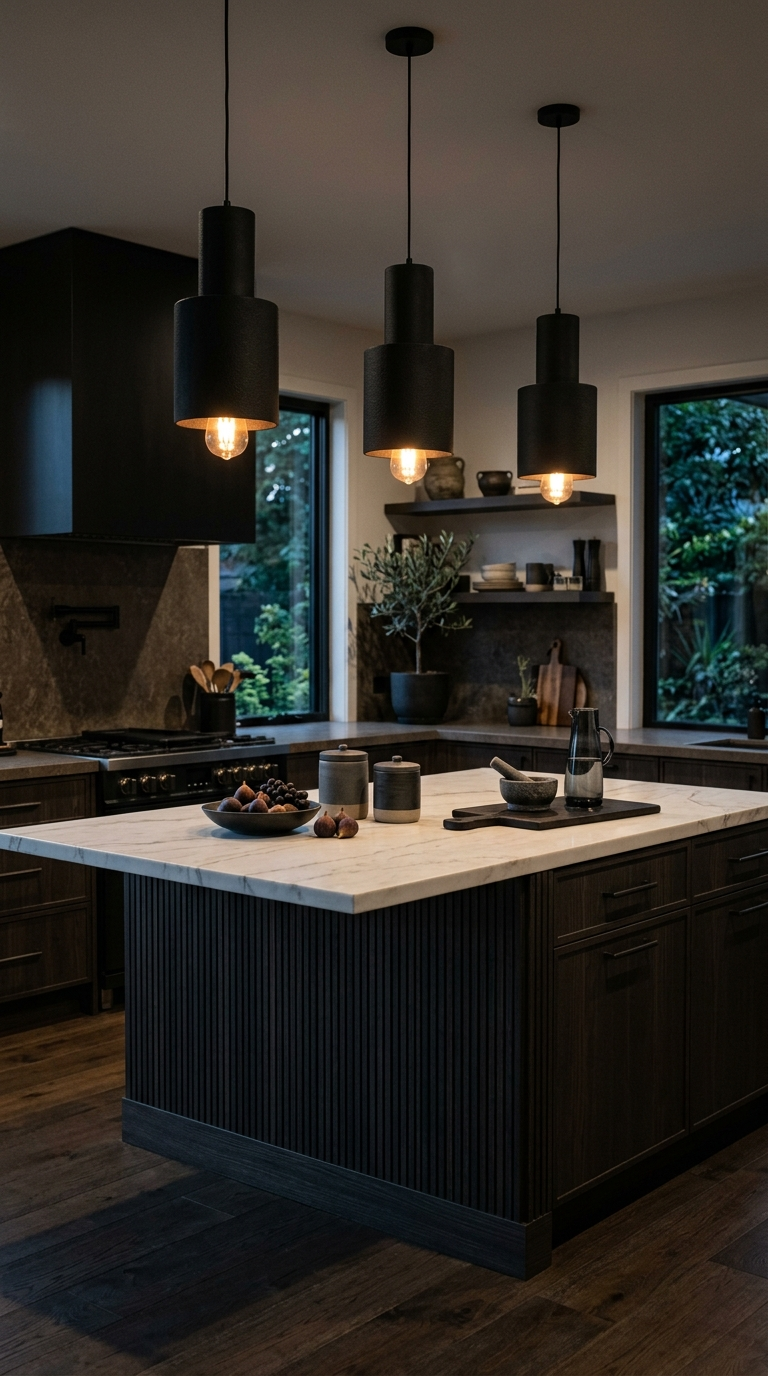
Textured and Dimensional Backsplash Treatments
Moving beyond flat surfaces, 2026 dark kitchens are embracing textured and dimensional backsplash treatments that add depth, character, and visual interest. Large-format porcelain or stone slabs with subtle veining or texture provide a luxurious, seamless appearance that can make a small kitchen feel more expansive. For those seeking more pattern and personality, handcrafted tiles in dark tones with metallic accents or relief patterns create beautiful light play and tactile appeal. The trend also includes mixed material backsplashes that combine different textures—such as matte tiles with glossy accents or stone with metal inlays—for a custom, layered look. When selecting a textured backsplash, consider how it will interact with your lighting scheme and cabinetry style. Dramatic textures can become the star of the show, while more subtle options provide quiet sophistication. Installation requires careful planning to ensure proper alignment and finishing, especially with large slabs or intricate patterns. Homeowners who have incorporated textured backsplashes often describe their kitchens as feeling more artistic and personalized, with the backsplash serving as a piece of functional art that elevates the entire space.
The choice of backsplash material and texture should also consider practical factors such as maintenance, heat resistance, and durability. Dark surfaces can show water spots and fingerprints more readily, so matte or honed finishes are often preferred over high-gloss options. For cooking areas behind ranges, choose materials that can withstand heat and are easy to clean. Many designers are also incorporating open shelving or floating shelves above countertops as part of the backsplash treatment, creating opportunities for both storage and display while breaking up the vertical plane. This approach adds functionality and visual interest while maintaining the dark, cohesive aesthetic. The textured backsplash trend represents a shift toward more expressive, artistic kitchens that balance bold design choices with livability and practicality. It demonstrates how dark kitchens can be rich in detail and personality while remaining sophisticated and timeless.
Bold Hardware and Mixed Metal Accents
Hardware selection is receiving renewed attention in 2026 dark kitchen design, with bold choices that add personality and warmth to the dark palette. While matte black hardware remains popular for its seamless integration, many designers are embracing mixed metals—combining black with aged brass, copper, or brushed gold—for contrast and visual interest. These metallic accents catch the light beautifully and prevent the space from feeling flat or one-dimensional. The trend favors larger-scale hardware such as substantial pulls and knobs that make a statement while remaining functional. For a more subtle approach, some homeowners are opting for integrated hardware or minimal profiles that recede visually, allowing the cabinetry itself to take center stage. When mixing metals, the key is intention and restraint—selecting two or three complementary finishes and applying them consistently throughout the space for a cohesive look. Hardware should also be chosen for durability and ease of maintenance, as these small details receive constant use and can show wear over time.
Beyond cabinet hardware, other metallic elements like faucet finishes, sink accessories, and even small decorative objects contribute to the overall composition. Aged brass and copper tones add warmth that balances the coolness of dark surfaces, creating a more inviting atmosphere. Many successful dark kitchens incorporate these warm metallic accents in lighting fixtures, open shelving brackets, and even small appliances for a collected, layered look. The hardware trend reflects a broader movement toward personalization and attention to detail in kitchen design. Homeowners are increasingly viewing their kitchens as expressions of personal style rather than purely functional spaces, and hardware provides an accessible way to add character and warmth. When planning your hardware selections, consider how they will interact with other elements in the room and choose finishes that will age gracefully over time. The result is a kitchen that feels thoughtfully composed and deeply personal, with every detail contributing to the overall dark, dramatic aesthetic.
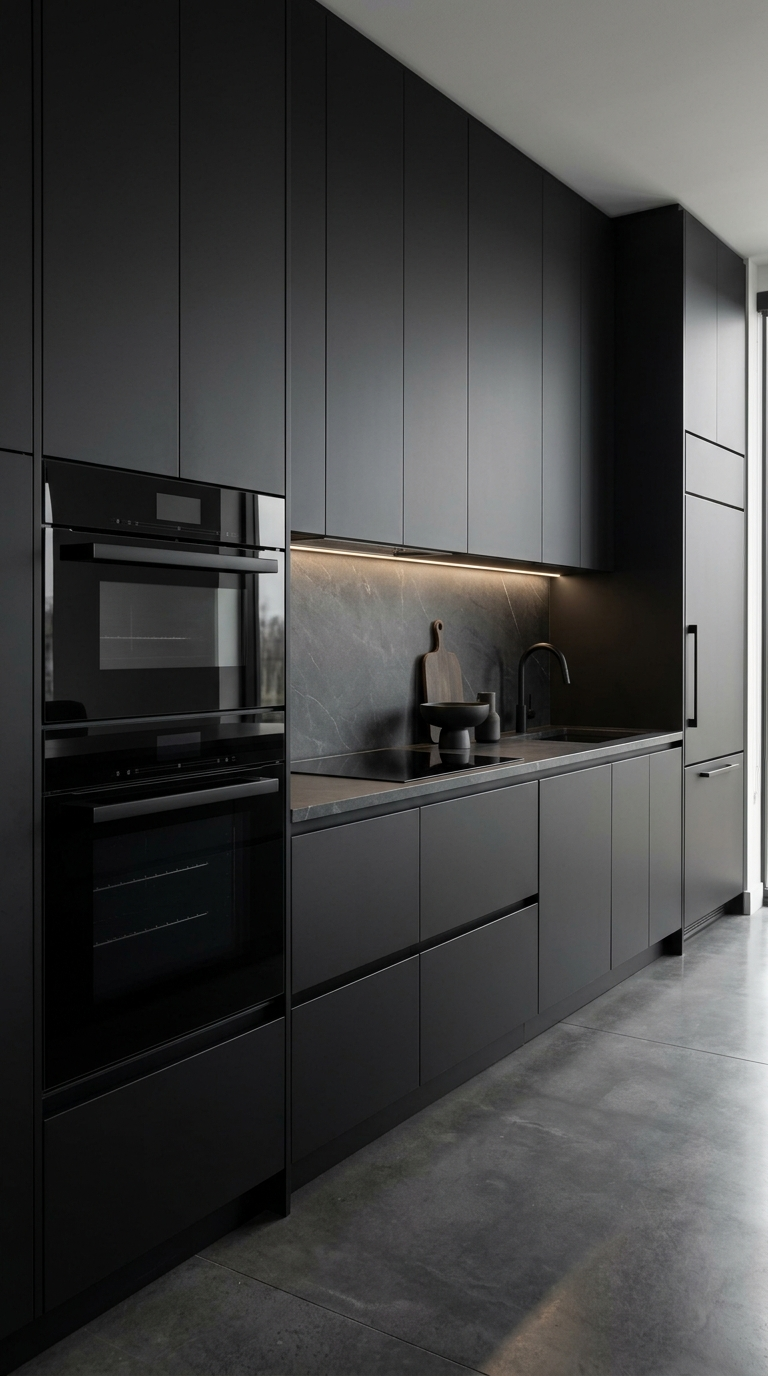
Dark Flooring and Seamless Transitions
Flooring choices in dark kitchens are evolving in 2026 to create seamless transitions and enhance the overall moody atmosphere. Large-format porcelain tiles in dark tones with subtle texture or pattern provide durability, easy maintenance, and a sophisticated foundation for the space. Many homeowners are extending the same flooring throughout adjacent living areas for a cohesive, open-concept feel that makes the entire home feel larger and more connected. The trend also includes natural stone options like slate or honed granite that bring organic texture and variation to the dark palette. For those preferring wood, dark-stained hardwood or luxury vinyl planks in deep espresso or charcoal tones offer warmth and comfort underfoot while maintaining the dark aesthetic. When selecting flooring, consider how it will interact with cabinetry and lighting, and choose materials that will hide dirt and wear while providing the desired visual impact. Proper underfloor heating can add comfort and make dark floors feel more inviting, especially in cooler climates.
The transition between kitchen flooring and adjacent spaces is receiving special attention, with many designers creating subtle level changes or using contrasting materials to define zones while maintaining visual flow. Rugs in natural fibers or dark tones can add softness and define dining or seating areas within open kitchens. The flooring trend emphasizes durability and practicality alongside aesthetics, recognizing that kitchens see heavy use and require surfaces that can withstand spills, dropped items, and frequent cleaning. Homeowners who have invested in quality dark flooring often report that it provides a solid foundation that makes the entire kitchen feel more grounded and intentional. This approach to flooring demonstrates how every element in a dark kitchen contributes to the overall atmosphere, creating spaces that are both beautiful and highly functional for modern living.
Bringing Dark Kitchen Trends Together in 2026
As we look ahead to the rest of 2026 and beyond, the black and dark kitchen trend shows no signs of slowing. The most successful designs will be those that thoughtfully combine these elements—matte cabinetry, dramatic lighting, high-contrast surfaces, integrated appliances, textured backsplashes, bold hardware, and cohesive flooring—into a harmonious whole that reflects the homeowner’s personal style and lifestyle needs. The key is balance: using dark tones to create drama and sophistication while incorporating enough light, texture, and contrast to keep the space feeling open, inviting, and livable. Working with experienced designers and contractors who understand the nuances of dark kitchen design can help you avoid common pitfalls and achieve results that exceed your expectations. Whether you are drawn to the bold drama of a fully black kitchen or prefer a more nuanced approach with dark accents, these trends offer endless inspiration for creating a space that feels both current and timeless. The dark kitchen of 2026 is not just a trend but a design philosophy that celebrates depth, texture, and thoughtful composition for kitchens that truly feel like the heart of the home.
Embracing these trends requires careful planning and attention to detail, but the rewards are substantial. A well-executed dark kitchen can transform how you experience your home, creating a space that feels luxurious, welcoming, and uniquely yours. As you explore these ideas, consider how each element will work together in your specific space and lifestyle. The most beautiful dark kitchens are those that feel personal and lived-in, where every choice reflects the people who use and love the space. With the trends outlined here as your guide, you are well-positioned to create a black or dark kitchen that will inspire and delight for years to come. The future of kitchen design is looking beautifully dark, dramatic, and deeply sophisticated.
Similar Posts
How to Design a Functional and Beautiful Minimalist Kitchen & Dining Space
Master the art of creating a minimalist kitchen and dining area that maximizes efficiency while delivering serene beauty. Step-by-step guide covering layout, materials, lighting, storage solutions, and styling for modern homes seeking calm functionality without sacrificing warmth.
9 Common Decor Mistakes Making Your Small Kitchen Feel Claustrophobic
Struggling with a tiny cooking space? Avoid these common small kitchen decor mistakes and learn how to create a minimalist, airy, and functional haven.
How to Design a Small Kitchen That Feels Spacious and Magical
Think your tiny kitchen can’t be beautiful and functional? This step-by-step guide will help you design a small kitchen that feels open, creative, and utterly charming.
The Timeless Allure of Black and Dark Kitchens: Design Trends and Ideas
Explore the sophisticated elegance of black and dark kitchens in this trend forecast. Discover how moody tones create dramatic, modern spaces with practical tips on materials, lighting, and styling for a high-end look that never dates.
How to Create a Kitchen and Dining Space That Works Beautifully
Learn how to design a kitchen and dining area that balances function, comfort, and timeless style with practical tips for every home.
Top Black & Dark Kitchen Trends Creating Stunning Modern Homes
Explore the latest black and dark kitchen trends, from dramatic cabinetry to layered lighting, and learn how to create a bold yet welcoming space.