A beautifully designed bathroom has the power to transform your daily routine into a moment of calm and renewal. Yet even the most well-intentioned renovations can fall short when common design mistakes are made. These errors often seem minor during planning but become daily frustrations once the space is in use. Understanding these pitfalls and their solutions can mean the difference between a bathroom that merely functions and one that truly enhances your quality of life and adds lasting value to your home. Whether you are planning a complete overhaul or a thoughtful update, learning from these frequent missteps will help you create a space that feels both serene and supremely practical.
Mistake 1: Insufficient or Poorly Placed Lighting
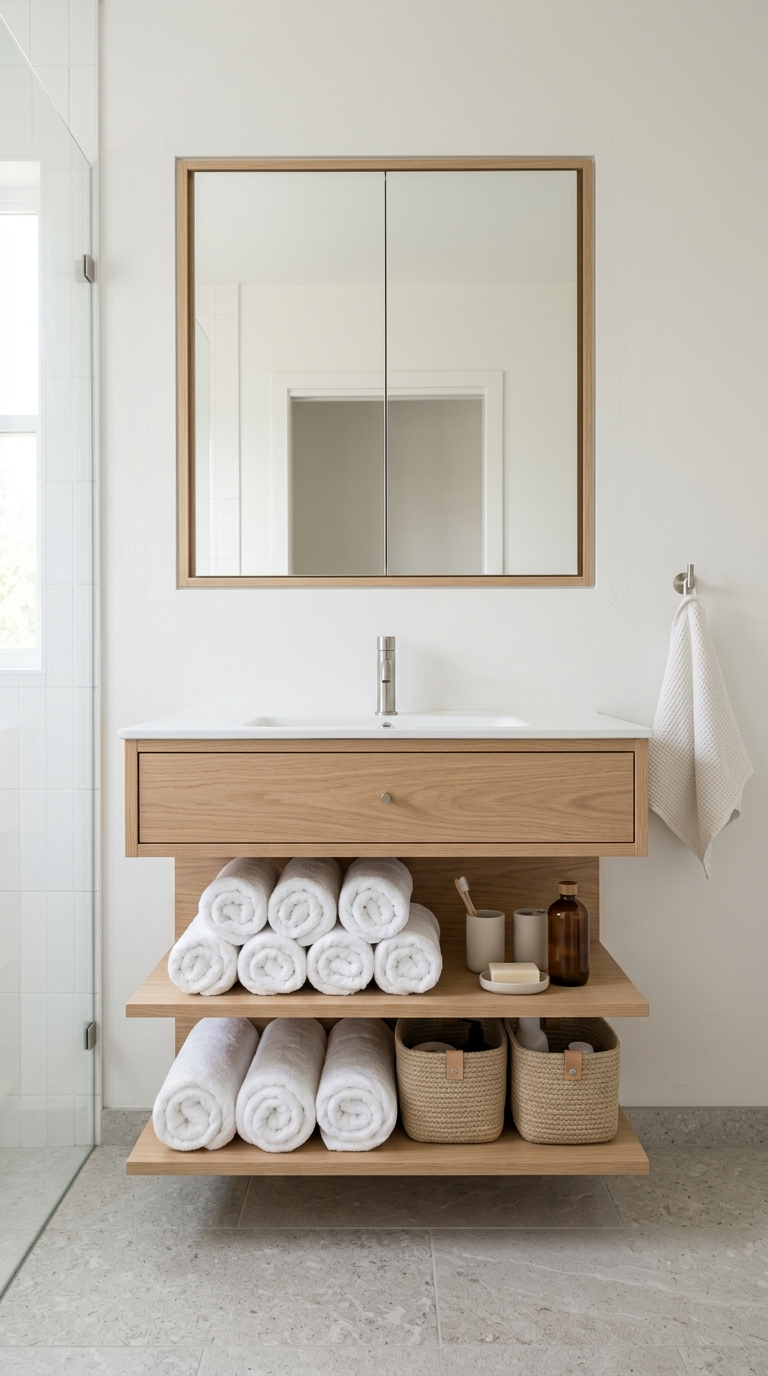
One of the most frequent and impactful bathroom design mistakes is inadequate or badly positioned lighting. Many bathrooms rely on a single overhead fixture that casts harsh shadows, particularly under the eyes and chin, making grooming tasks difficult and unflattering. This problem is especially noticeable in spaces without windows or with small, high windows that provide little natural light. The result is a space that feels gloomy and clinical rather than the spa-like retreat most homeowners desire.
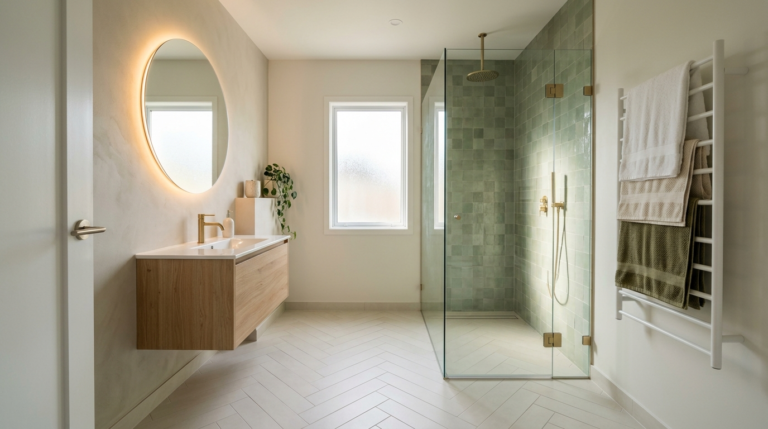
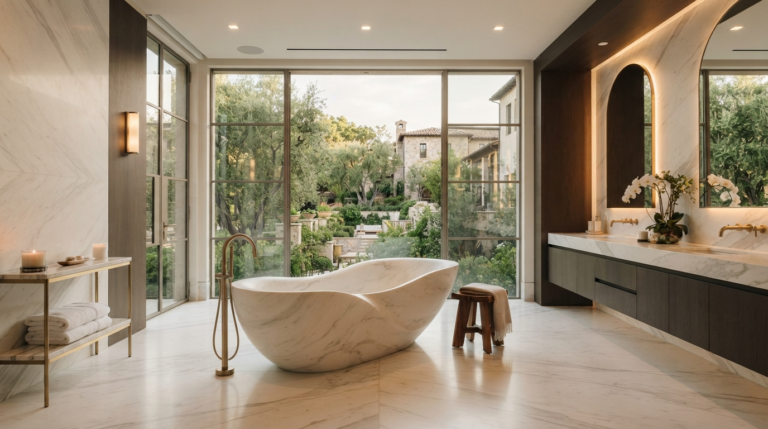
The solution lies in layered lighting that addresses different needs throughout the day. Begin with ambient lighting from a well-diffused ceiling fixture or cove lighting that provides overall illumination without glare. Add task lighting on either side of the vanity mirror at eye level, ideally using vertical sconces or backlit mirrors that eliminate shadows on the face. Accent lighting can highlight architectural features, beautiful tile work, or artwork, adding depth and warmth. Consider dimmable options and warm color temperatures around 2700K-3000K to create a relaxing evening atmosphere while still providing clear light for morning routines. Proper lighting planning from the start prevents costly retrofits later and ensures the bathroom looks and functions beautifully at all hours.
When working with a designer or contractor, bring photos of lighting you admire and discuss how different fixtures will interact with your specific layout and finishes. Testing samples in the actual space during different times of day can reveal issues before installation. Remember that good lighting is not just about brightness; it is about quality, direction, and control. Investing in quality fixtures and professional installation will pay dividends in daily comfort and the overall perceived value of the space.
Mistake 2: Ignoring Proper Storage and Organization
Another pervasive mistake is underestimating storage needs or failing to plan for them in a way that keeps the bathroom feeling calm and uncluttered. Many people focus on beautiful surfaces and fixtures while neglecting the daily reality of towels, toiletries, cleaning supplies, and personal care items that must be stored somewhere. The result is a space that quickly becomes visually chaotic, with products crowding counters and floors, undermining the very serenity the renovation aimed to create.
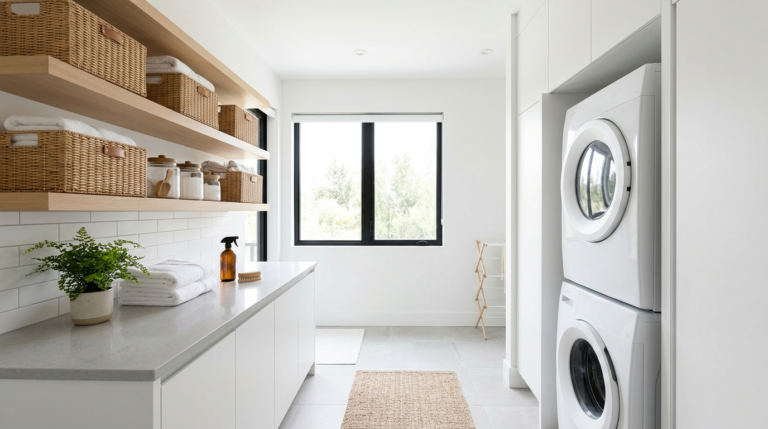
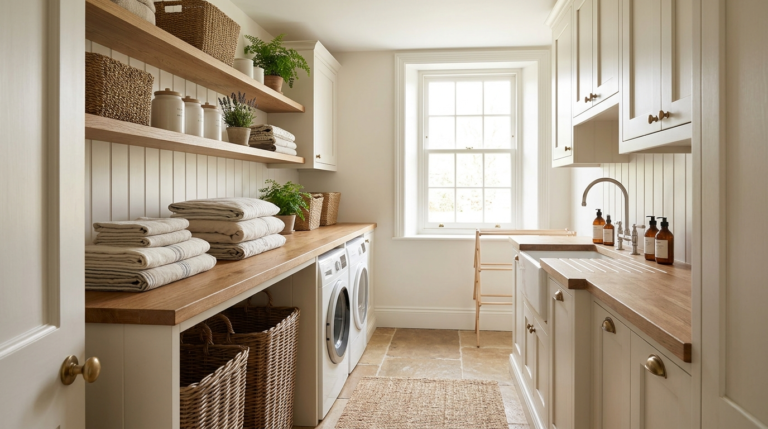
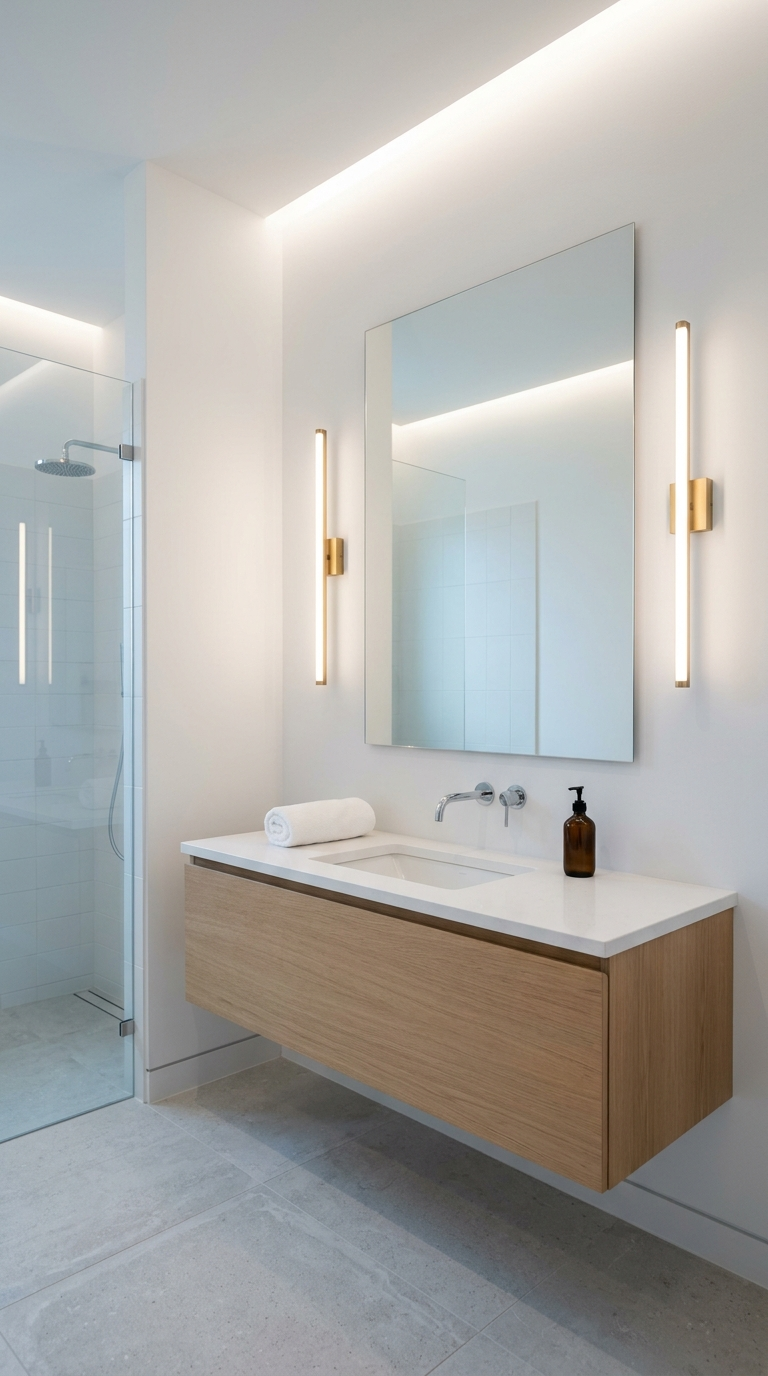
Effective storage begins with a realistic assessment of what needs to be kept in the bathroom and how often each item is used. Everyday essentials should be within easy reach, ideally in drawers or behind cabinet doors to maintain clean lines. Less frequently used items can be stored higher or in a nearby linen closet. Consider a mix of open and closed storage – open shelving for beautiful items like rolled towels or decorative containers, and closed cabinets for less attractive necessities. Recessed medicine cabinets, tall narrow cabinets that fit between fixtures, and vanity drawers with clever organizers can dramatically increase capacity without consuming precious floor space.
Think vertically and use every available inch thoughtfully. Wall-mounted vanities free up floor space and make cleaning easier while providing opportunity for open shelving below. Tall cabinets or linen towers can fit into corners or beside showers. Even small bathrooms can feel organized and spacious with the right storage strategy. The goal is a place for everything and everything in its place, so the bathroom remains a peaceful sanctuary rather than a source of daily stress and visual clutter.
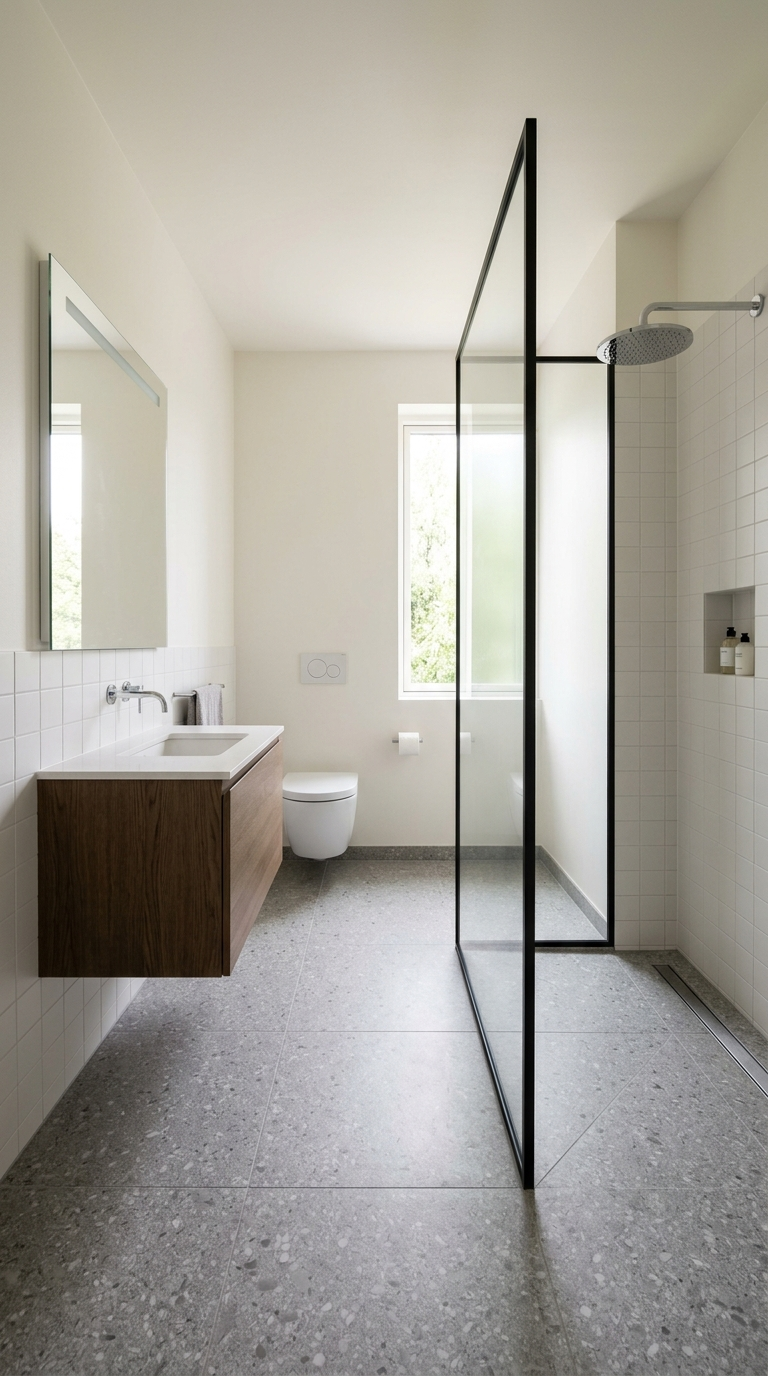
Mistake 3: Poor Layout and Flow
A poorly planned layout is one of the most expensive mistakes to correct after the fact, often requiring demolition and reconstruction. Common issues include doors that swing into fixtures, insufficient clearance around toilets and showers, awkward placement of the vanity relative to other elements, and poor traffic flow that makes the space feel cramped even when square footage is adequate. These problems often stem from trying to fit too many features into a small space or failing to consider how people actually move through and use the room.
The solution starts with careful measurement and consideration of standard clearances and ergonomic principles. Allow adequate space in front of the toilet, vanity, and shower for comfortable use and cleaning. Ensure doors and drawers have room to open fully without obstruction. Consider the sequence of use – from entering the room to using the toilet, washing hands, showering, and exiting – and arrange elements to support natural movement. In small bathrooms, wall-mounted fixtures and pocket doors can save precious inches while maintaining functionality. Professional designers use scaled drawings and sometimes even mockups to test layouts before committing to construction, preventing costly changes later.
Even in challenging existing layouts, creative solutions often exist. Relocating a door, swapping the positions of toilet and vanity, or choosing a smaller but more efficient fixture can dramatically improve flow. The investment in thoughtful planning always pays off in daily comfort and long-term satisfaction with the space. A well-laid-out bathroom feels larger and more functional than its actual dimensions might suggest, while a poorly planned one feels frustrating no matter how beautiful the finishes.
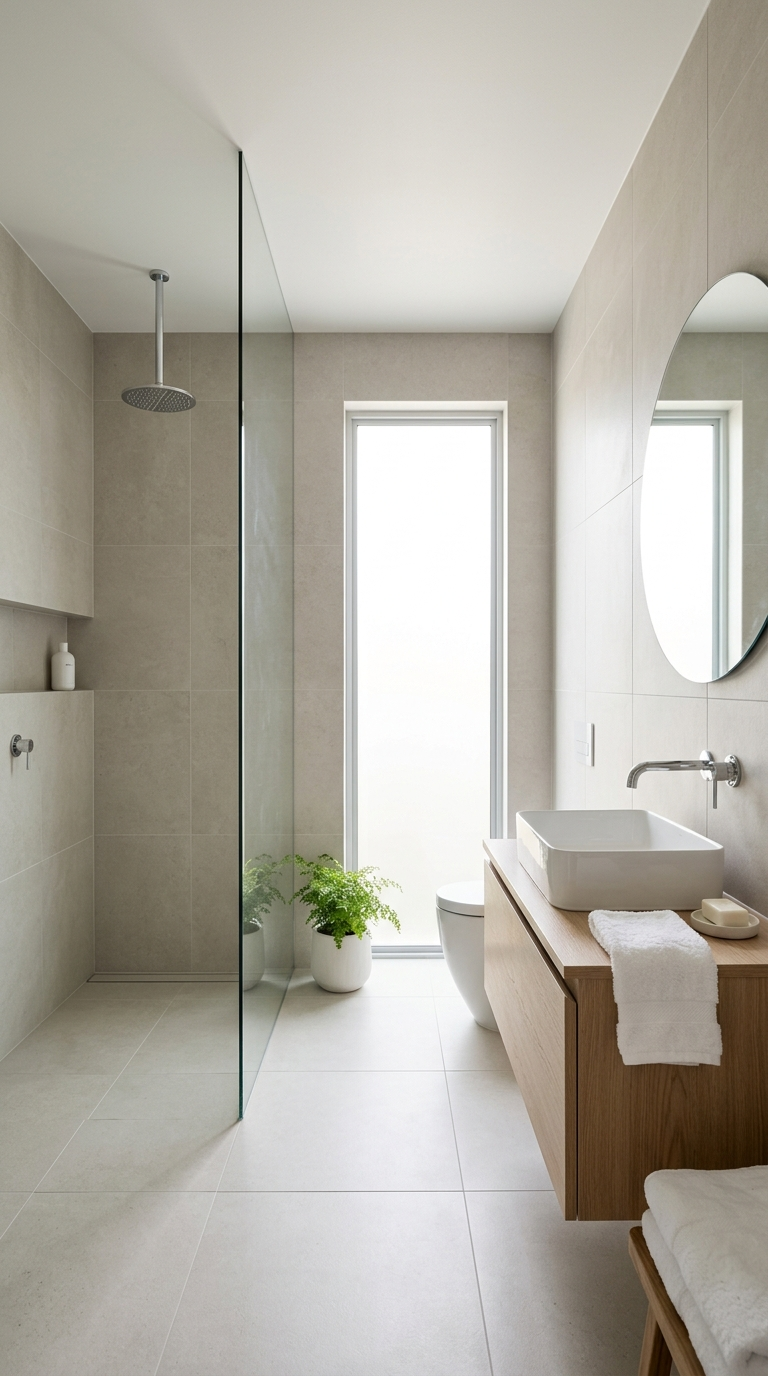
Mistake 4: Choosing the Wrong Tile Size and Layout
Tile selection and installation patterns have a profound effect on the perceived size and style of a bathroom, yet many homeowners make choices that work against their goals. Large tiles in small spaces can make the room feel even smaller by creating fewer grout lines that emphasize the boundaries of the room. Conversely, very small tiles in large bathrooms can feel busy and overwhelming. Grout color and width also dramatically affect the final look – contrasting grout emphasizes the pattern while matching grout creates a more seamless, expansive appearance.
The solution involves understanding scale and proportion. In smaller bathrooms, large-format tiles or continuous surfaces like microcement or large slabs can make the space feel larger and more serene by reducing visual breaks. Vertical tile layouts or tall rectangular tiles can visually raise the ceiling height. In larger bathrooms, mixing tile sizes and patterns can add interest and define different zones, such as a feature wall behind the vanity or a contrasting floor in the shower. Always request samples and view them in the actual space and lighting before making final decisions, as tile can look very different installed than it does in a showroom or online photo.
Working with an experienced tile installer is crucial, as precise layout and attention to detail make all the difference in the final result. Discuss grout color, tile orientation, and how patterns will align with fixtures and architectural elements. The right tile choices can make a bathroom feel custom and high-end even on a modest budget, while poor choices can make even expensive materials look dated or awkward. Take time with this decision – it is one of the most visible and permanent elements in the space.
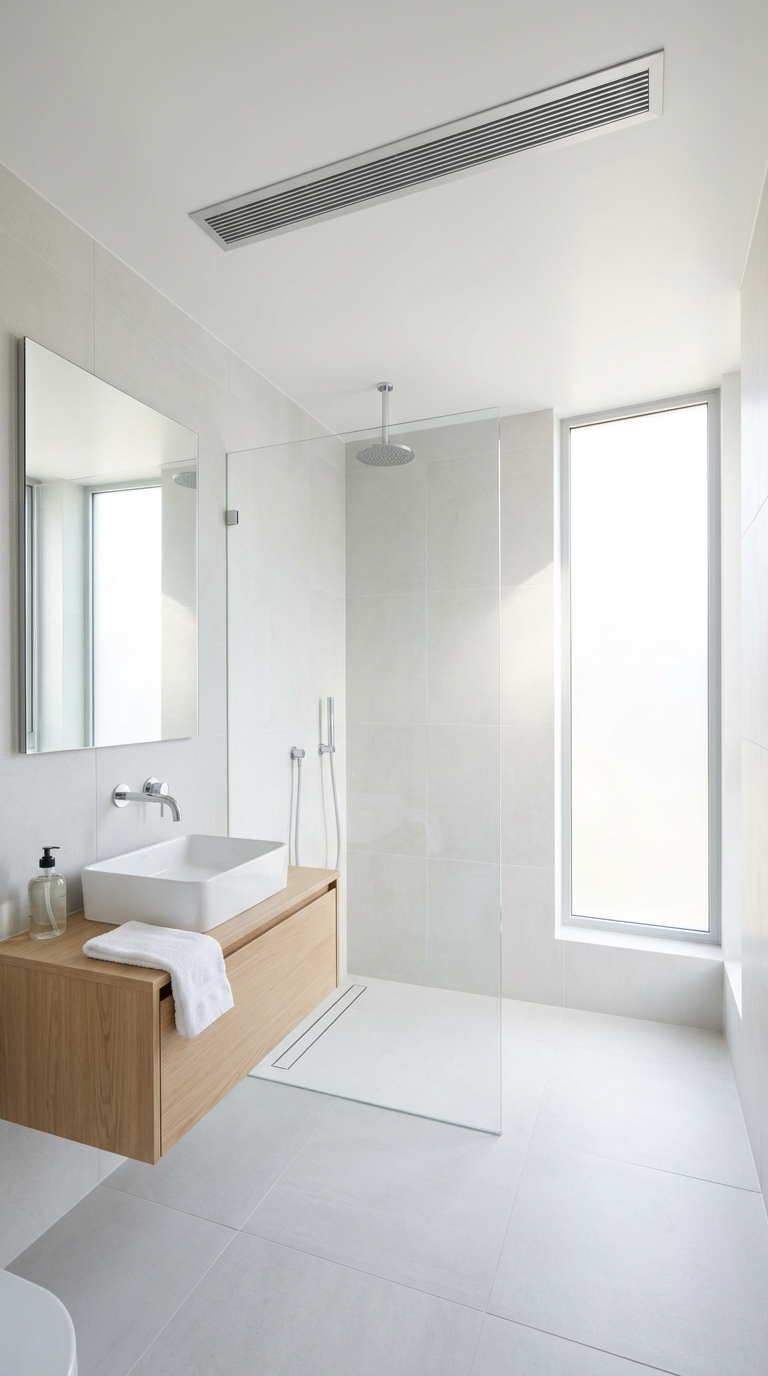
Mistake 5: Neglecting Ventilation and Moisture Management
Many bathroom renovations focus on aesthetics while overlooking the critical importance of proper ventilation and moisture management. Inadequate exhaust fans or poorly placed vents lead to persistent humidity, mold growth, peeling paint, and damaged finishes that undermine both the beauty and longevity of the space. This is not only a maintenance nightmare but also a health concern, as poor air quality can affect respiratory health over time.
The solution involves sizing the exhaust fan appropriately for the bathroom’s square footage and ensuring it vents to the exterior rather than an attic or crawlspace. Consider a timer or humidity-sensing fan that continues running after you leave the room to fully clear moist air. In showers without windows, a properly sized fan is essential. Additionally, choose moisture-resistant materials throughout – from paint formulated for humid environments to sealed natural stone or porcelain tile, and quality caulking that is regularly maintained. Good ventilation also helps control odors and keeps the space feeling fresh and pleasant to use.
During planning, discuss ventilation requirements with your contractor and consider upgrading to a higher-quality fan if the existing one is inadequate. Some modern fans are remarkably quiet yet powerful, and smart models can integrate with home automation systems. Proper moisture management is one of those behind-the-scenes elements that you only notice when it is missing, but it is fundamental to creating a bathroom that remains beautiful and healthy for years to come. Do not let this critical aspect become an afterthought.
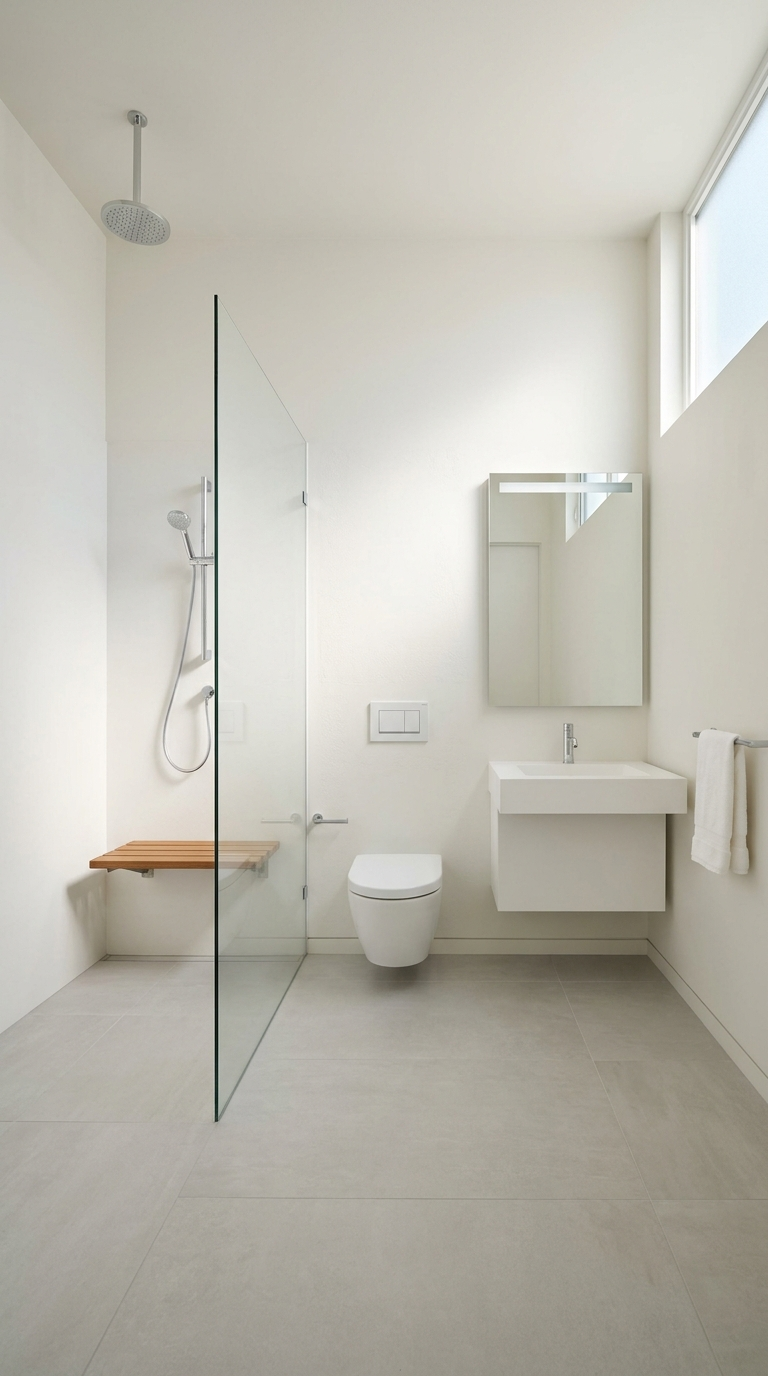
Mistake 6: Overlooking Personal Needs and Future Flexibility
Finally, many bathrooms are designed for an idealized version of daily life rather than the real, evolving needs of the people who will use them. Failing to consider accessibility, storage for specific items, or how the space might need to adapt as family members age or circumstances change can result in a beautiful room that becomes frustrating or even unusable over time. This is particularly important in primary bathrooms that serve as long-term investments.
The solution is to design with flexibility and real-life use in mind. Consider universal design principles that make the space comfortable for people of different ages and abilities – such as curbless showers, grab bar reinforcements, and appropriate heights for fixtures. Plan storage for current needs while allowing room for future changes. Think about how the bathroom might be used by guests, children, or aging parents. Even if you do not need these features now, incorporating them thoughtfully from the beginning can prevent expensive modifications later and make the space more welcoming to a wider range of users.
Discuss your lifestyle, routines, and long-term vision with your design team. Sometimes small adjustments during planning – like choosing a slightly wider shower or adding a second vanity – can make a tremendous difference in daily satisfaction. The most successful bathrooms are those that feel custom-tailored to the people who use them while remaining adaptable enough to serve the household well for many years. By avoiding these common mistakes and focusing on both beauty and thoughtful functionality, you can create a bathroom that truly enhances your daily life and stands the test of time with grace and ease.