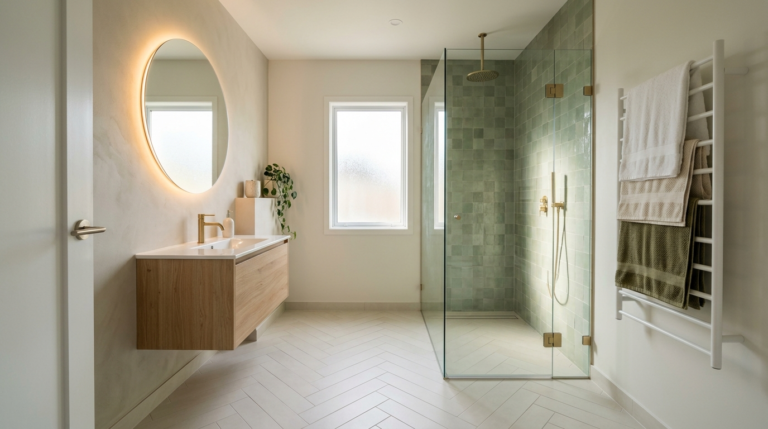
The Importance of Designing Utilitarian Spaces Properly
When it comes to interior design, homeowners frequently pour all their energy, budget, and creative vision into the primary living spaces. The living room, kitchen, and primary bedroom often get the star treatment, complete with mood boards, carefully curated color palettes, and high-end furnishings. However, two of the most hardworking rooms in any home—the bathroom and the laundry room—are routinely left as afterthoughts. This is a profound missed opportunity. These utilitarian spaces are essential to our daily routines. We start and end our days in the bathroom, and the laundry room is the engine that keeps our household running smoothly. When these rooms are poorly designed, cramped, or aesthetically uninspired, they can turn everyday tasks into frustrating chores. Conversely, when they are thoughtfully planned and beautifully decorated, they can elevate your entire home experience, transforming routine maintenance into a moment of zen.
Unfortunately, because these rooms are heavily focused on function, people often make critical design errors that compromise both their usability and their beauty. A space can be highly functional without looking like a sterile hospital room, and it can be gorgeous without sacrificing practicality. The key lies in finding the perfect balance between form and utility. In this comprehensive guide, we are going to dive deep into the top seven most common bathroom and laundry room decor mistakes. More importantly, we will provide you with actionable, expert-level solutions to avoid these pitfalls. Whether you are planning a complete gut renovation or just looking for a weekend refresh, understanding these common errors will save you time, money, and unnecessary stress.
Mistake 1: Relying Exclusively on a Single Overhead Light Fixture
One of the most glaring mistakes made in both bathrooms and laundry rooms is inadequate lighting. Too often, builders and DIY remodelers install a single flush-mount ceiling light or a basic builder-grade vanity light and call it a day. In a bathroom, this creates harsh, unflattering shadows across your face, making grooming tasks like shaving or applying makeup incredibly difficult. In a laundry room, a single overhead light fails to illuminate the deep recesses of cabinets or the interior of the washing machine, forcing you to treat stains in the dark. Good lighting is not just about brightness; it is about the direction, color temperature, and layering of the light sources.
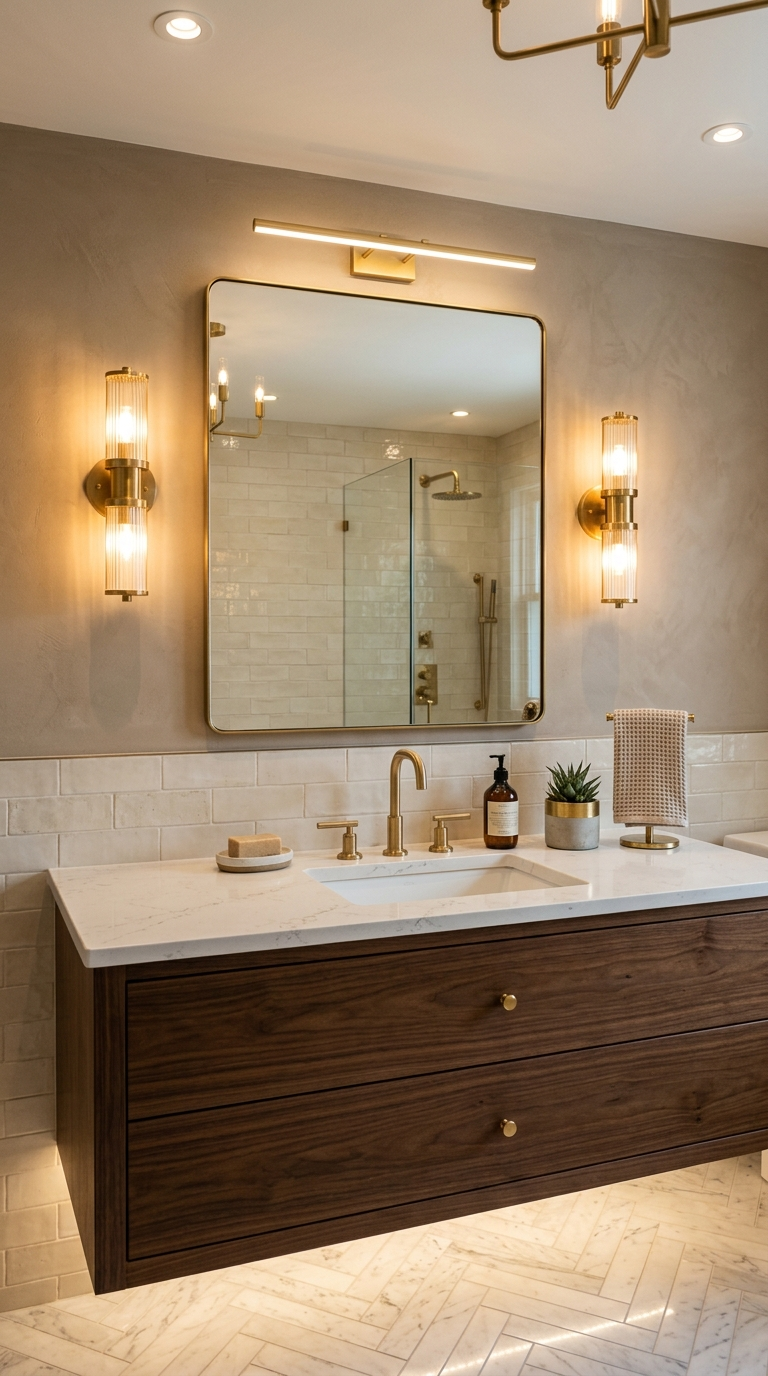
The Solution: You must implement a layered lighting strategy. This involves three types of lighting: ambient, task, and accent. For ambient lighting (general room illumination), consider recessed LED cans distributed evenly across the ceiling. For task lighting in the bathroom, install wall sconces on either side of the mirror at eye level. This eliminates downward shadows and provides a flattering, even glow. In the laundry room, install under-cabinet LED strip lighting to illuminate your folding countertops directly. Finally, add accent lighting to create a mood—perhaps a small pendant light over a freestanding tub or a stylish flush-mount fixture with a warm-toned bulb to make the space feel inviting rather than clinical. Always put your main lights on dimmer switches to control the ambiance depending on the time of day.
Mistake 2: Neglecting Proper Ventilation and Airflow
While this might sound more like a construction issue than a decor mistake, neglecting ventilation directly impacts the longevity and appearance of your design choices. Both bathrooms and laundry rooms are high-moisture environments. If steam and humidity are not quickly and effectively removed from the air, they will wreak havoc on your carefully chosen finishes. Paint will peel, wallpaper will bubble and detach, woodwork will warp, and worst of all, mold and mildew will begin to grow in the grout lines and corners. No amount of beautiful decor can overcome the smell and unsightliness of a damp, poorly ventilated room.
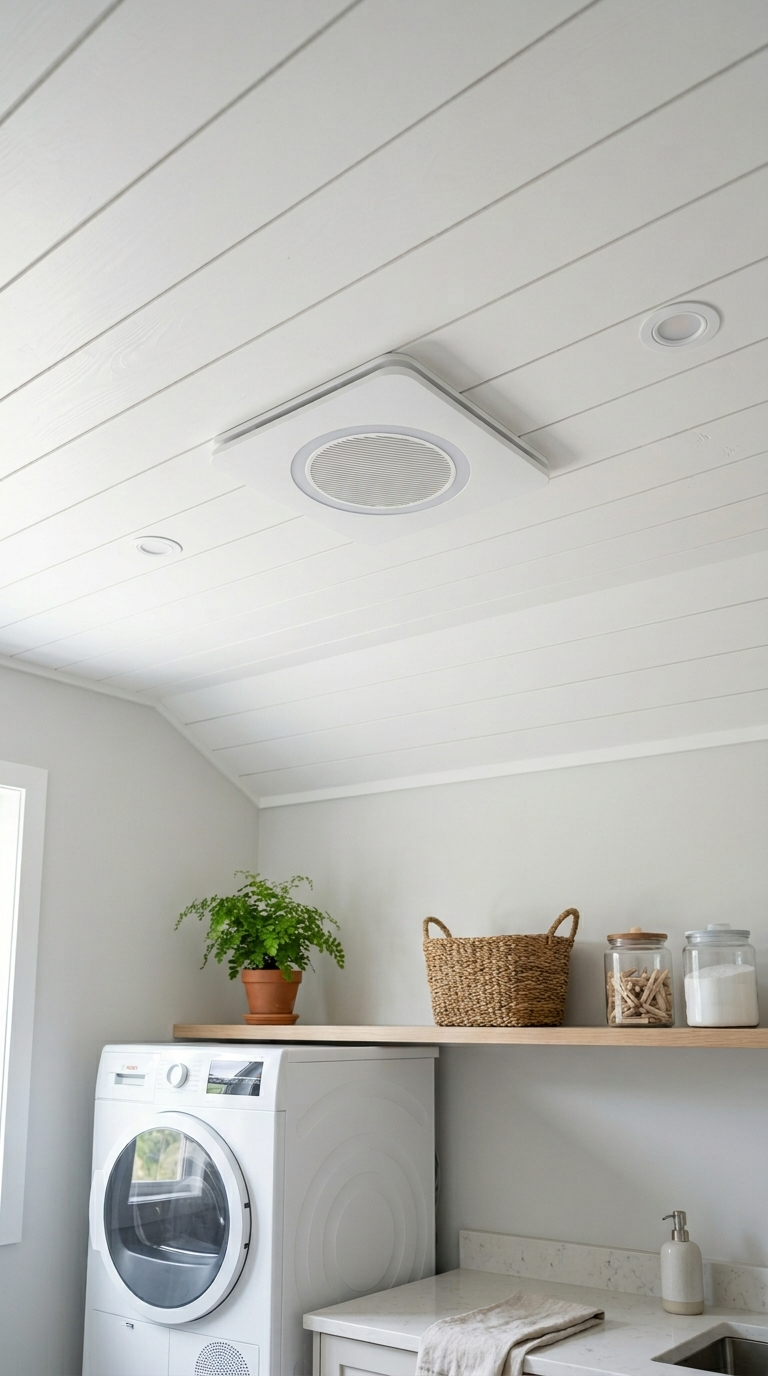
The Solution: Never compromise on your exhaust fan. Do not settle for the cheapest model at the hardware store. Invest in a high-quality, high-CFM (cubic feet per minute) exhaust fan that is appropriately sized for the square footage of your room. Furthermore, look for models with low sone ratings so they operate quietly. A loud fan is a fan that never gets turned on. For ultimate convenience and protection, install your exhaust fan on a humidity-sensing switch or a timer switch. This ensures the fan runs long enough after a shower or a hot laundry cycle to completely clear the moisture from the air, protecting your beautiful painted cabinets, delicate wallpapers, and expensive textiles from moisture damage.
Mistake 3: Choosing Form Over Function When Selecting Materials
It is easy to fall in love with a specific material you see in a high-end design magazine—perhaps a heavily textured natural stone, a gorgeous hardwood floor, or an intricate, porous tile. However, prioritizing aesthetics over practicality in wet zones is a recipe for disaster. Hardwood floors in a laundry room can easily buckle if a washing machine hose leaks. High-gloss, smooth tiles on a bathroom floor become incredibly dangerous slip hazards when wet. Porous natural stones like marble or limestone in a high-traffic family bathroom will quickly stain from spilled lotions, dropped makeup, or harsh cleaning chemicals if not rigorously and constantly sealed.
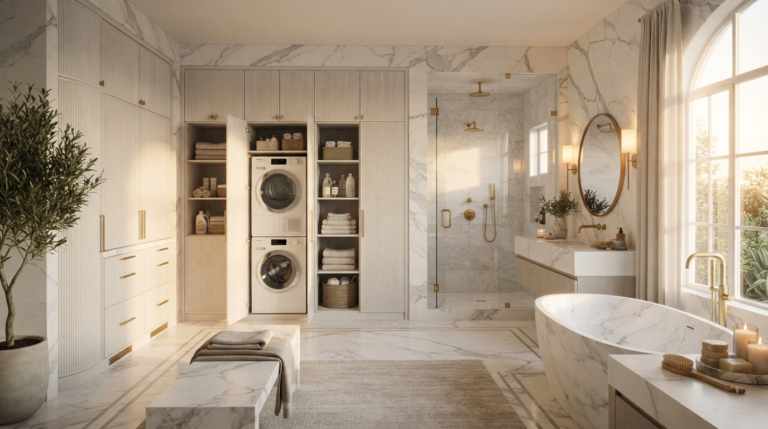
The Solution: Always select materials engineered to withstand the specific stressors of these environments. For flooring, opt for porcelain tile instead of ceramic or natural stone. Porcelain is fired at a higher temperature, making it denser, highly water-resistant, and incredibly durable. Look for floor tiles with a matte or textured finish and a high slip-resistance rating (COF). If you love the look of wood, consider luxury vinyl plank (LVP) or wood-look porcelain tiles, which offer the warmth of timber without the moisture vulnerability. For countertops, quartz is generally superior to marble in these spaces; it is non-porous, highly resistant to stains, and does not require periodic sealing. You can still have a stunningly beautiful space, but you must choose materials that can take a beating.
Mistake 4: Failing to Maximize Vertical Storage Space
Bathrooms and laundry rooms are notoriously small in many homes. A very common layout mistake is keeping all storage at waist level or below. When you only utilize base cabinets or the small footprint of a basic vanity, you rapidly run out of room. This leads to cluttered countertops covered in hair products, toothbrushes, laundry detergent jugs, and dryer sheets. Clutter not only looks chaotic, but it also physically shrinks the usable space, making it harder to fold clothes or get ready in the morning. Leaving the upper half of the walls blank is a massive waste of potential storage real estate.
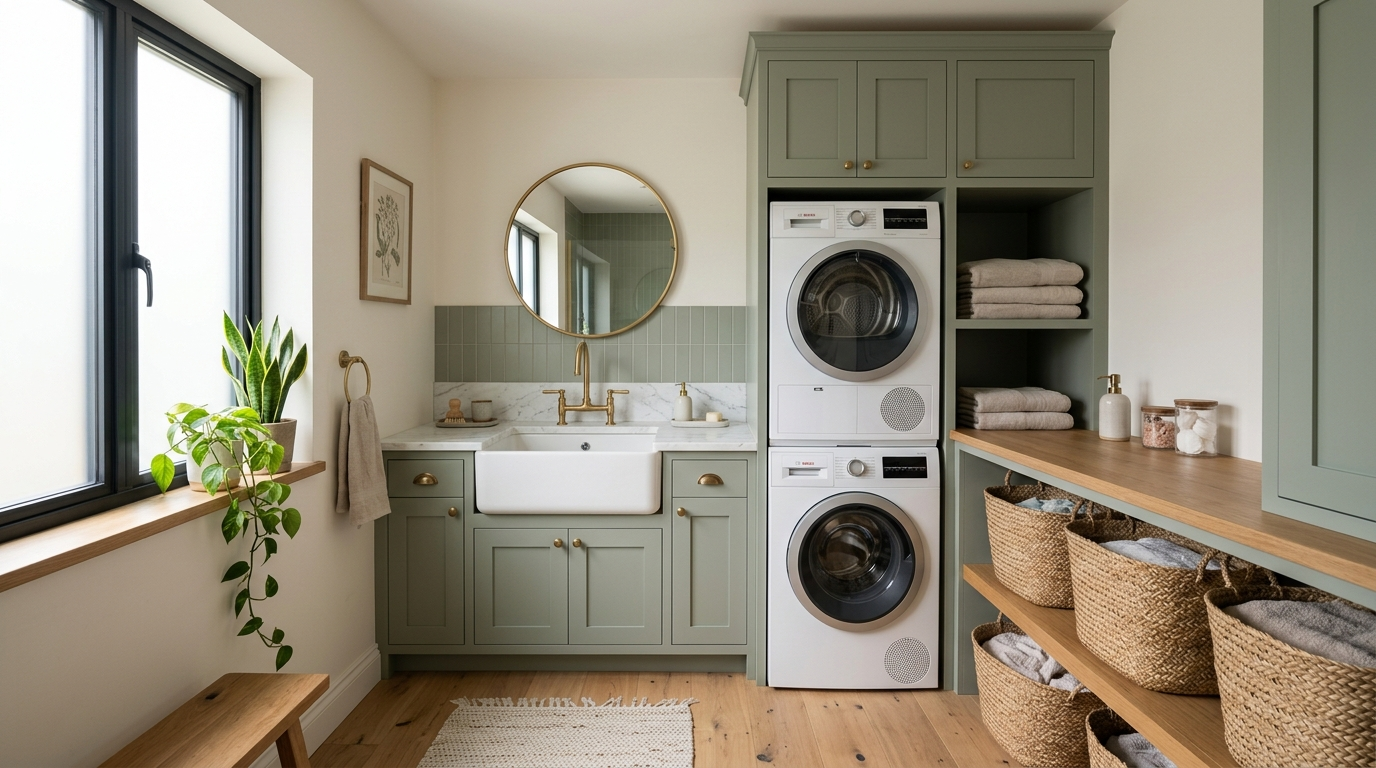
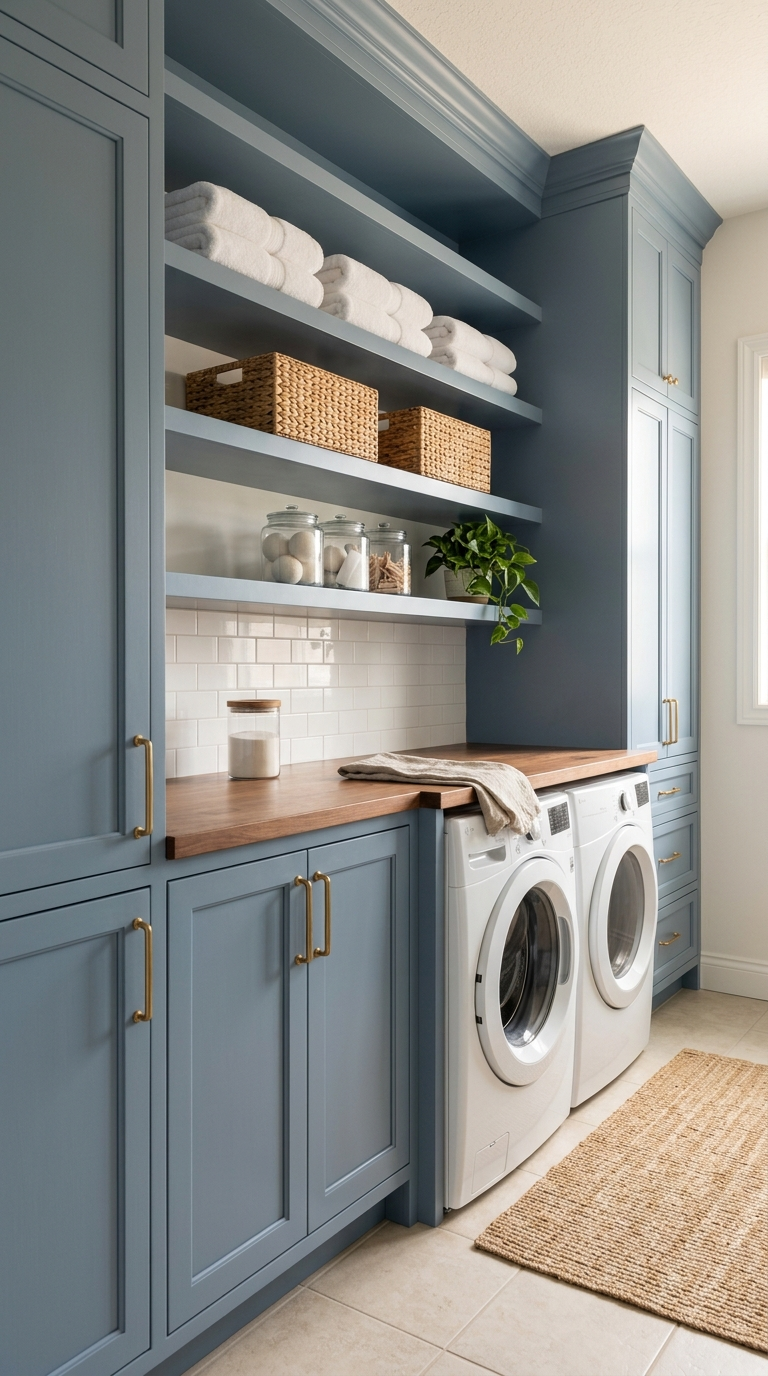
The Solution: Look up. Draw your eye to the ceiling and utilize the vertical plane. In the laundry room, install cabinetry that goes all the way to the ceiling to store out-of-season items, extra paper goods, or bulk cleaning supplies. If custom cabinetry is out of the budget, heavy-duty floating shelves paired with uniform, attractive baskets can provide excellent vertical storage. Consider stacking your washer and dryer to free up floor space for a tall utility closet where you can hide brooms, mops, and the ironing board. In the bathroom, recess a large medicine cabinet into the wall above the sink to keep daily essentials hidden but accessible. Add floating shelves above the toilet or install a tall, narrow linen tower in a tight corner. By moving storage upward, you keep countertops clear and the room feeling spacious.
Mistake 5: Ignoring the Ergonomics of the Space
Design isn’t just about how a room looks; it’s about how it feels to use it. A room can be picture-perfect but a nightmare to operate in. In the laundry room, placing appliances directly on the floor can mean endless bending and straining your back to move heavy, wet clothes from the washer to the dryer. In the bathroom, a vanity that is too low forces tall adults to hunch over while brushing their teeth, while a poorly placed showerhead can make rinsing shampoo a frustrating acrobatic feat. Failing to plan for human scale and movement makes these active spaces uncomfortable.
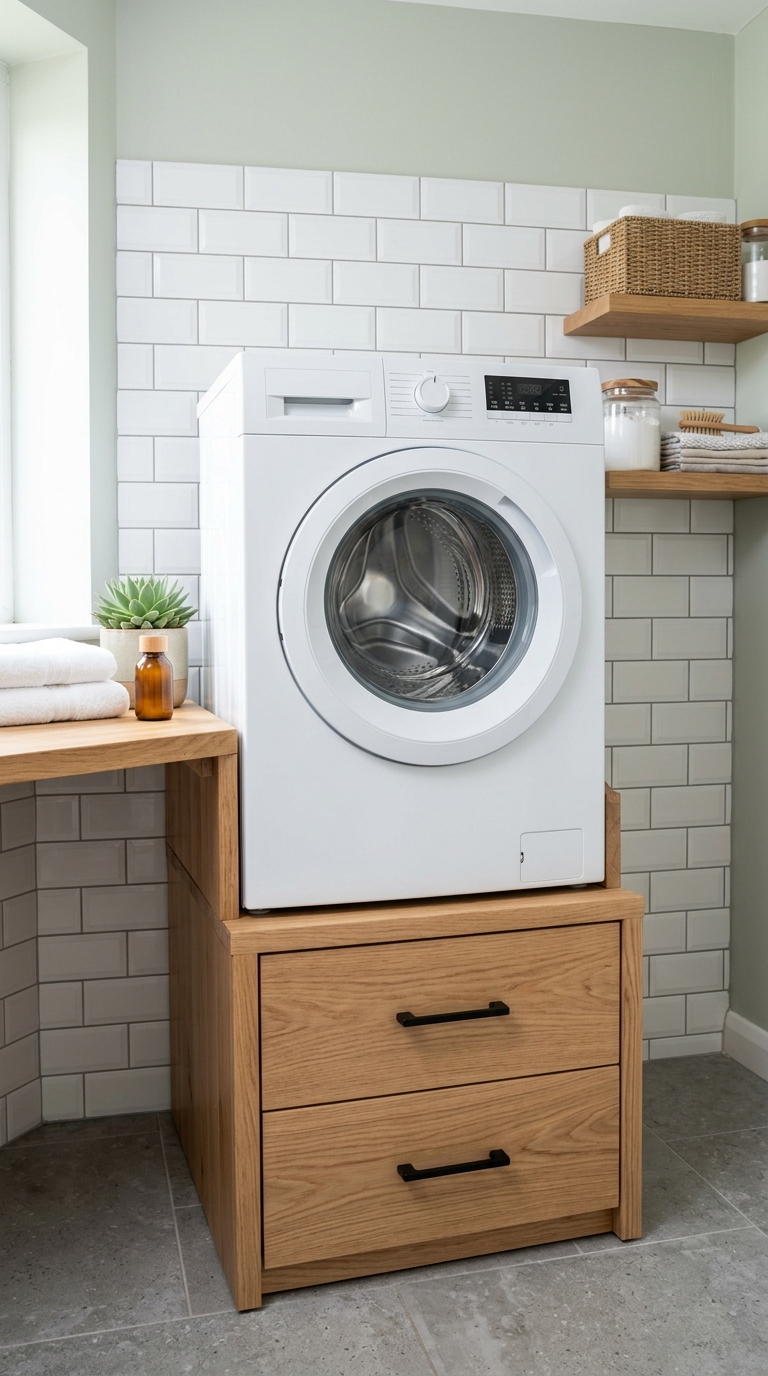
The Solution: Design with ergonomics at the forefront of your mind. If you use front-loading laundry machines, elevate them on structural pedestals (either store-bought or custom-built) to bring the doors to a comfortable working height. Install a custom folding counter at exactly waist height so you do not have to hunch over while folding towels. In the bathroom, opt for “comfort height” or standard kitchen height vanities (usually around 36 inches tall) rather than the older, lower standard, which saves your lower back. Ensure your showerhead is placed high enough to accommodate the tallest member of your household, or better yet, install an adjustable slide-bar showerhead. Pay attention to clearance spaces—make sure shower doors can swing open without hitting the toilet, and laundry appliance doors have enough room to fully extend.
Mistake 6: Making the Space Feel Too Sterile and Cold
Because bathrooms and laundry rooms are spaces associated with cleaning, there is a tendency to decorate them entirely in high-contrast, clinical finishes. All-white tiles, brilliant white walls, stark white cabinets, and polished chrome fixtures can certainly look clean, but they can also feel incredibly sterile, cold, and uninviting. These rooms should not feel like commercial laboratories. When a space lacks texture, warmth, and personality, it feels entirely disconnected from the rest of your cozy, curated home.
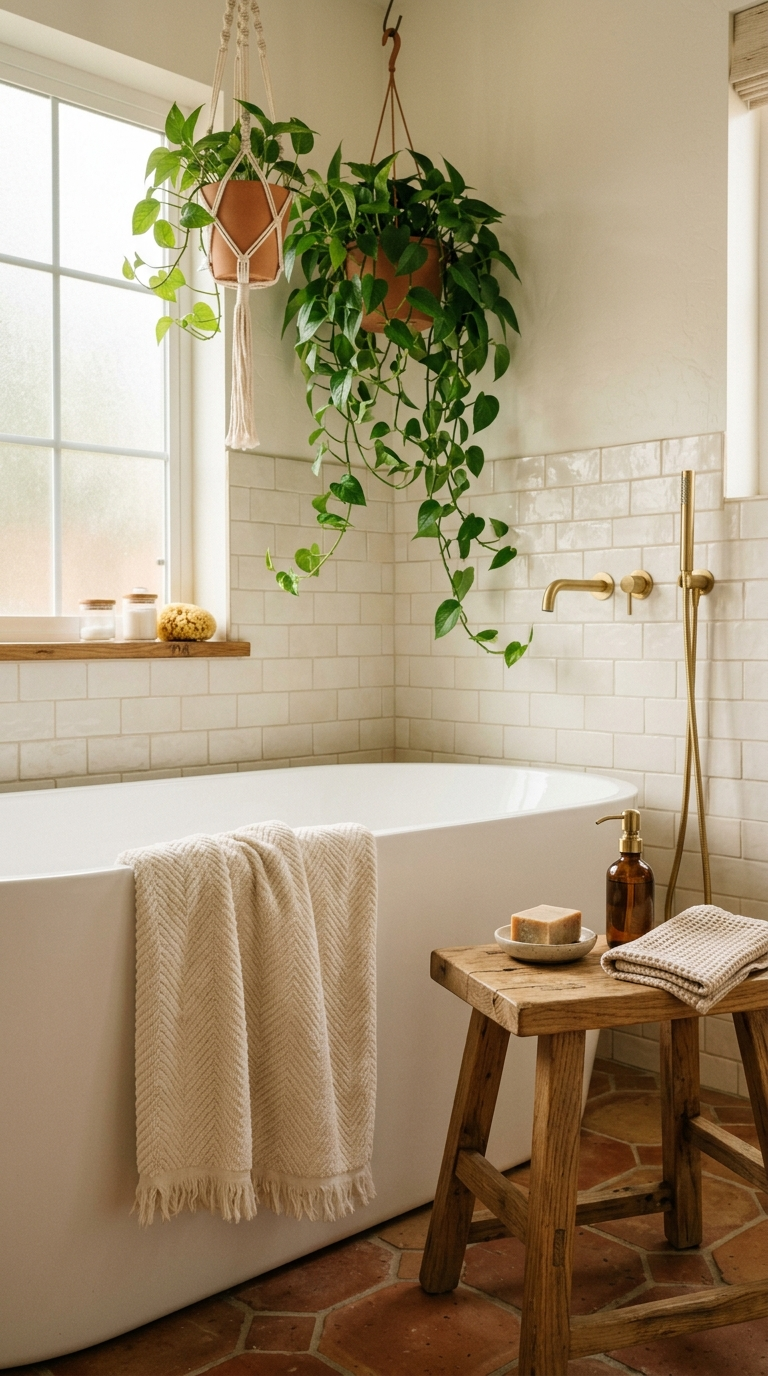
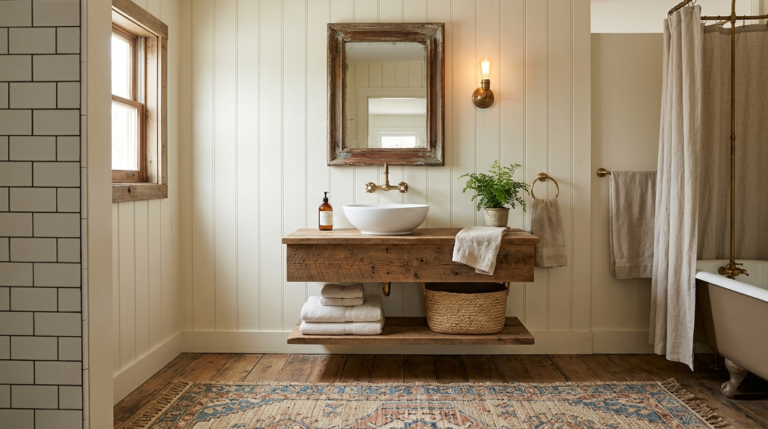
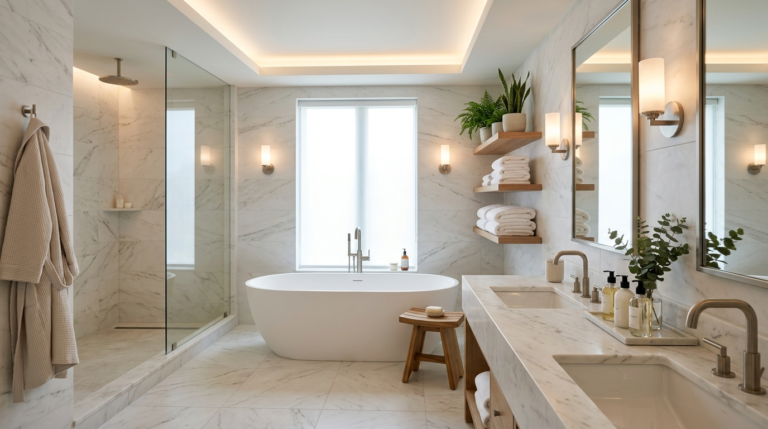
The Solution: Inject warmth and personality through thoughtful material choices and decor elements. Introduce natural wood tones to break up the expanses of white—a solid wood vanity, floating timber shelves, or a wooden stool next to the bathtub can instantly warm up the room. Swap out standard chrome hardware for warmer metals like unlacquered brass, brushed gold, or rich oil-rubbed bronze. Incorporate organic textures through woven rattan baskets for laundry, plush Turkish cotton towels, and a vintage-inspired runner rug instead of a standard bath mat. Finally, bring in life with greenery; many houseplants thrive in the humid environment of a bathroom or laundry space. A trailing pothos or a structural snake plant adds a pop of vibrant color and a touch of nature that softens hard architectural lines.
Mistake 7: Forgetting the Power of Paint and Wallpaper
Many homeowners play it incredibly safe in utility rooms, sticking to neutral, flat paint colors out of fear that bold choices will overwhelm a small space. However, small, enclosed rooms like powder rooms or laundry rooms are actually the perfect places to take design risks. Leaving walls blank or painted in a boring beige is a missed opportunity to create a delightful jewel-box effect in your home. A laundry room doesn’t have to be a dreary dungeon; it can be an uplifting space that brings a smile to your face while you do chores.
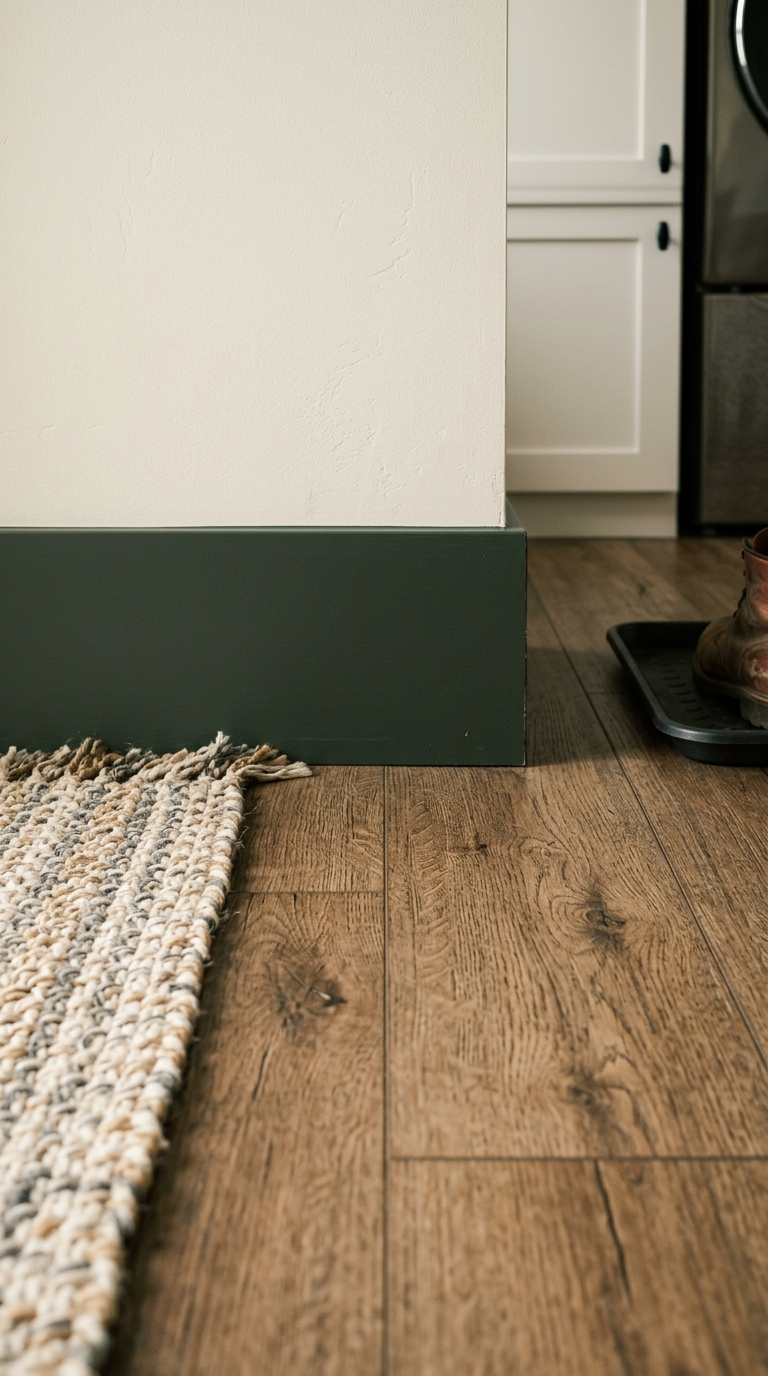
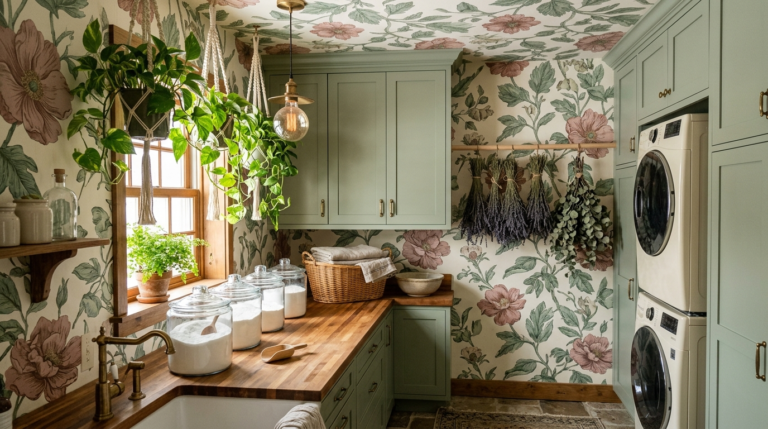
The Solution: Embrace bold design choices on your walls. Because you don’t spend hours at a time lounging in these rooms, you can afford to use vibrant colors and dynamic patterns without them becoming visually fatiguing. Consider wrapping a small powder room or the wall behind your washer/dryer in a dramatic, large-scale botanical wallpaper. If wallpaper feels too intimidating, try painting the cabinetry in a moody hue like deep navy, rich forest green, or even a soft, cheerful blush pink. Paint the ceiling a contrasting color, or install wainscoting painted in a glossy, saturated tone. These small spaces can handle a heavy dose of personality, transforming them from forgettable utility zones into some of the most stylish and talked-about rooms in your entire house.
In conclusion, designing an exceptional bathroom or laundry room requires a delicate balance of robust functionality and intentional aesthetics. By avoiding these seven common mistakes—from upgrading your lighting and ventilation to choosing smart materials and injecting personal style—you can create spaces that not only withstand the rigors of daily use but also look incredibly beautiful doing it. Take the time to plan thoughtfully, prioritize quality materials, and don’t be afraid to let your personal style shine through, even in the hardest-working rooms of your home.
Don’t let limited square footage ruin your design. Learn the most common small bathroom decor mistakes and how to solve them for a spacious, cozy retreat.
Discover enchanting laundry room transformations that blend whimsical charm with clever function, turning the most overlooked room into your favorite space.
Learn step-by-step how to create a luxurious spa-like bathroom retreat in your home. This detailed guide covers planning, materials, lighting, and finishing touches for ultimate relaxation, whether working with a small space or generous budget. Achieve hotel-worthy serenity today.
Transform your daily routine with beautiful spa bathroom ideas. Explore luxurious materials, soothing lighting, and elegant fixtures for ultimate relaxation.
Learn how to design a bathroom and laundry room that’s both stunning and ultra-functional — with expert tips on storage, finishes, and layout. (150 chars)