Creating a beautiful outdoor garden retreat does not require a massive backyard or an unlimited budget. With thoughtful planning, layered greenery, cozy seating, and clever styling, any outdoor space can become a peaceful extension of your home.
Whether you have a spacious garden, compact patio, balcony, or courtyard, the right combination of plants, lighting, textures, and furniture can completely transform the atmosphere. A well-designed outdoor area encourages relaxation, entertaining, and spending more time connected to nature.
Step 1: Define the Purpose of Your Outdoor Space
Before buying furniture or plants, think about how you want to use the space. Some people dream of a peaceful reading garden while others prefer outdoor dining areas or family gathering spaces.
- Create zones for relaxing and dining
- Consider how much sunlight the area receives
- Plan walkways and movement paths
- Think about seasonal use and maintenance
Step 2: Start with Comfortable Seating
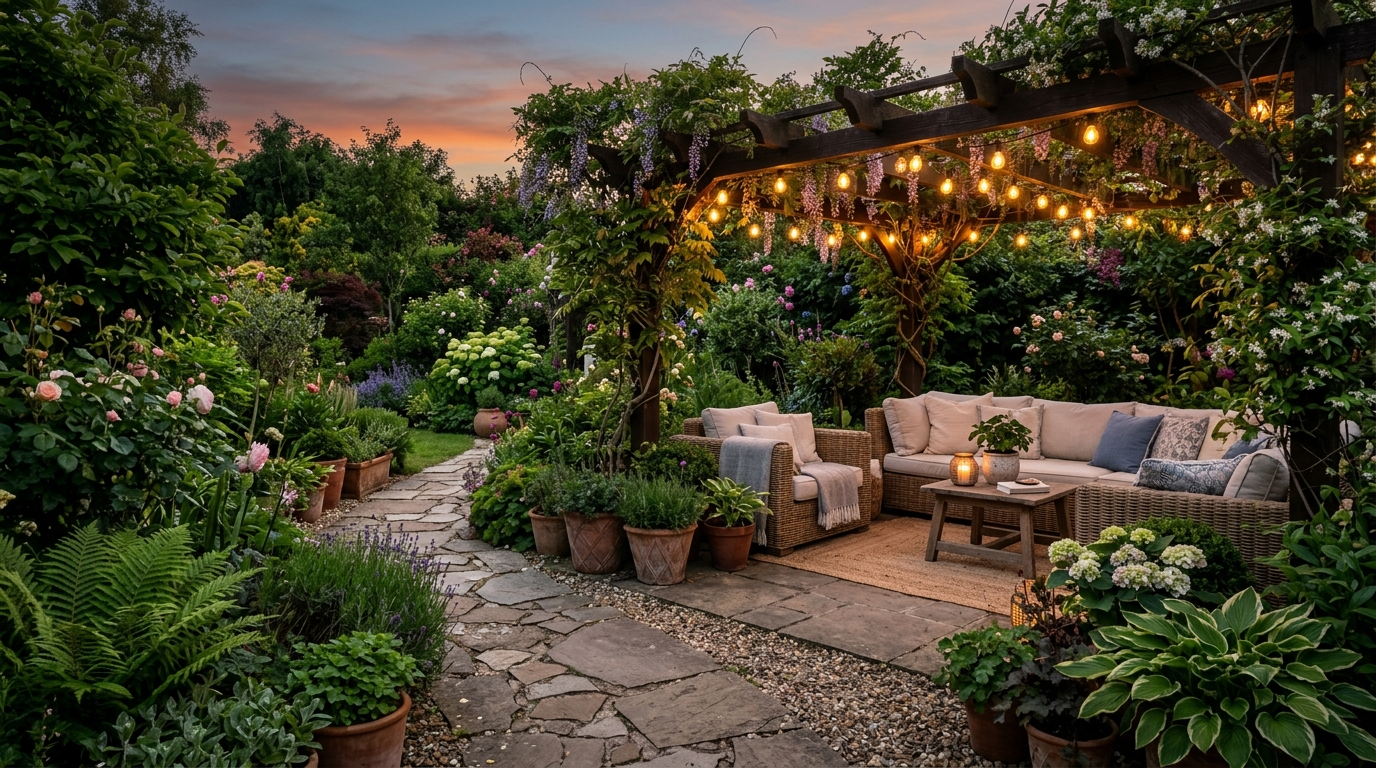
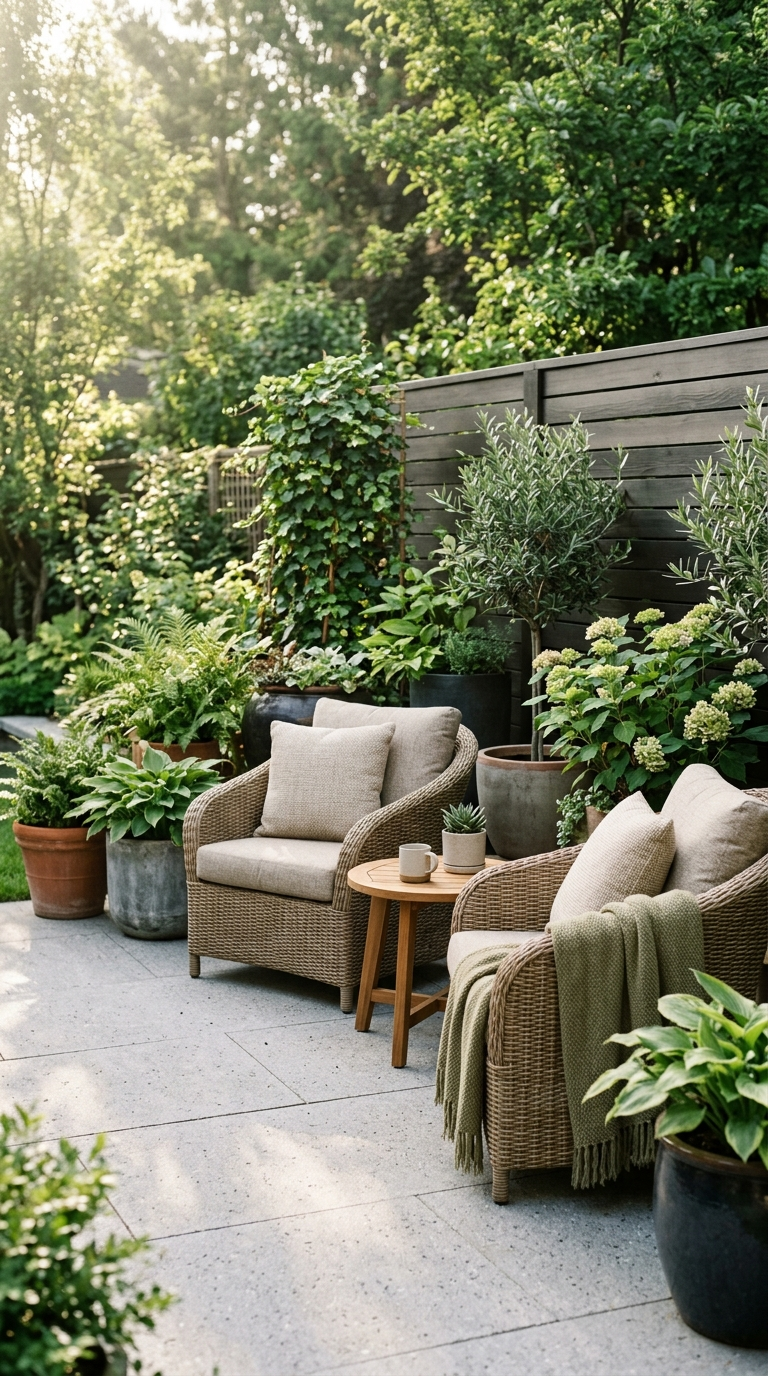
Comfortable seating is essential for creating an inviting outdoor retreat. Choose weather-resistant furniture that feels cozy and durable while complementing your overall aesthetic.
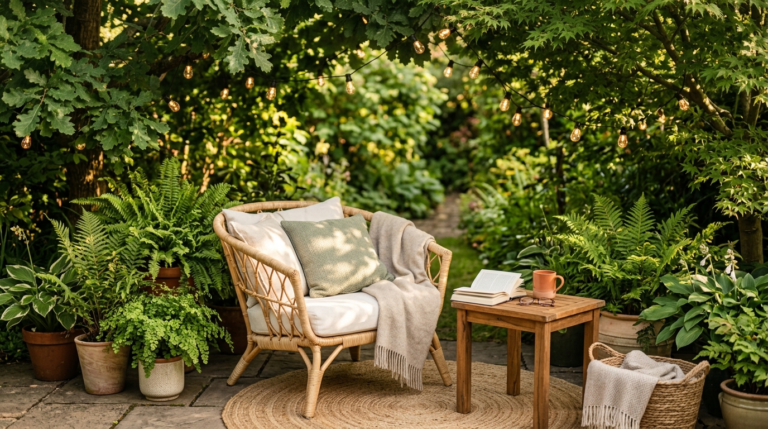
Outdoor sectionals, teak benches, woven lounge chairs, and cushioned seating areas instantly make gardens feel more usable and luxurious. Layer pillows and throws in earthy tones for added comfort.
Step 3: Use Layered Greenery for Depth
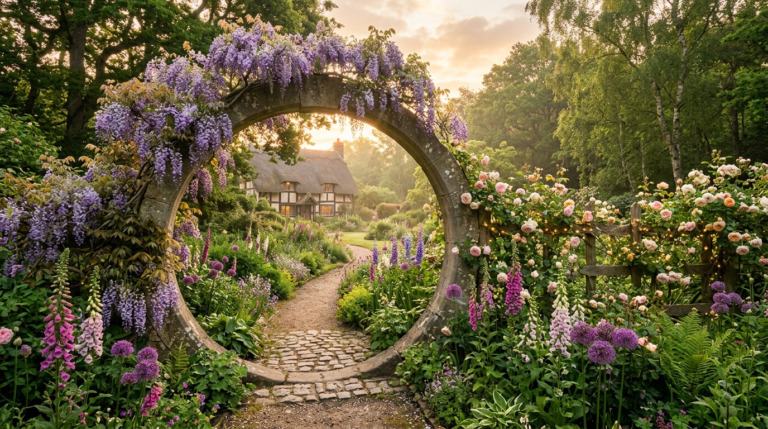
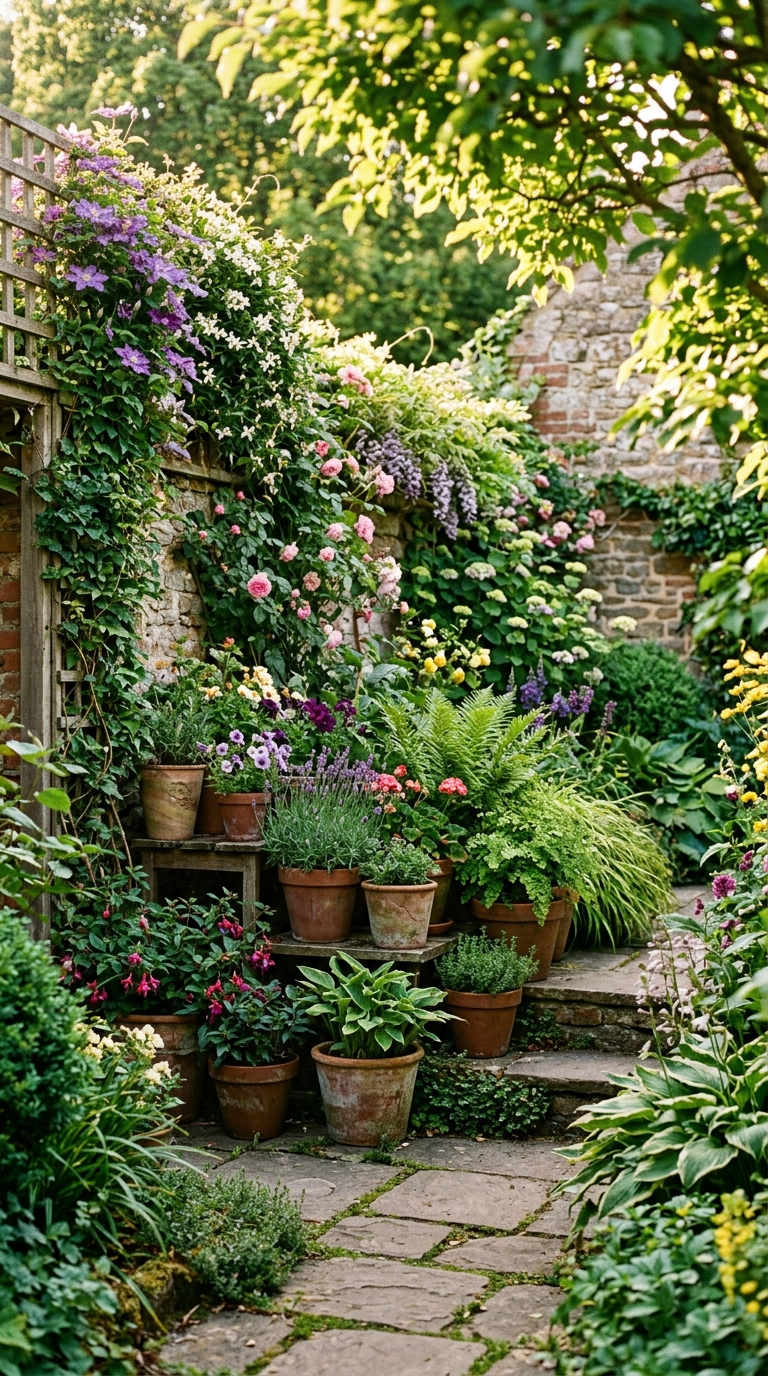
Beautiful gardens feel lush because they combine plants of varying heights, textures, and colors. Layering greenery creates visual richness and helps smaller spaces feel immersive.
- Place tall plants at the back of borders
- Mix flowering plants with evergreen foliage
- Use potted plants to add flexibility
- Combine trailing plants with structured shrubs
Even compact patios can feel like urban oases when filled with layered containers and climbing greenery.
Step 4: Add Warm Outdoor Lighting
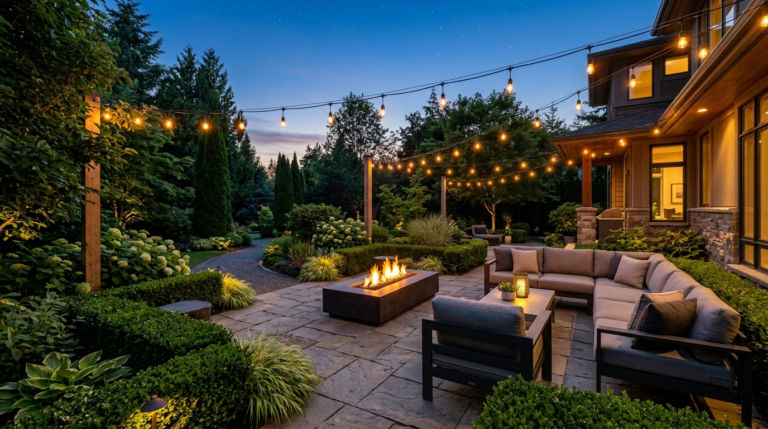
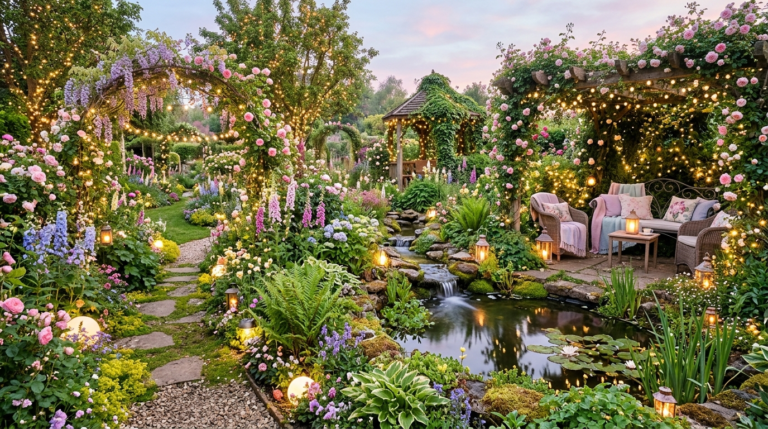
Lighting is one of the most transformative elements in outdoor design. Warm lighting creates ambiance and extends the usability of your garden into the evening hours.
String lights, lanterns, pathway lighting, and solar garden fixtures all contribute to a cozy atmosphere. Layer multiple lighting sources instead of relying on a single overhead fixture.
Step 5: Create a Focal Point
Every well-designed outdoor space benefits from a focal point that draws attention and anchors the layout. This could be a pergola, fire pit area, fountain, sculptural tree, or outdoor dining table.
Focal points give the space structure and help guide furniture placement naturally.
Step 6: Incorporate Natural Materials
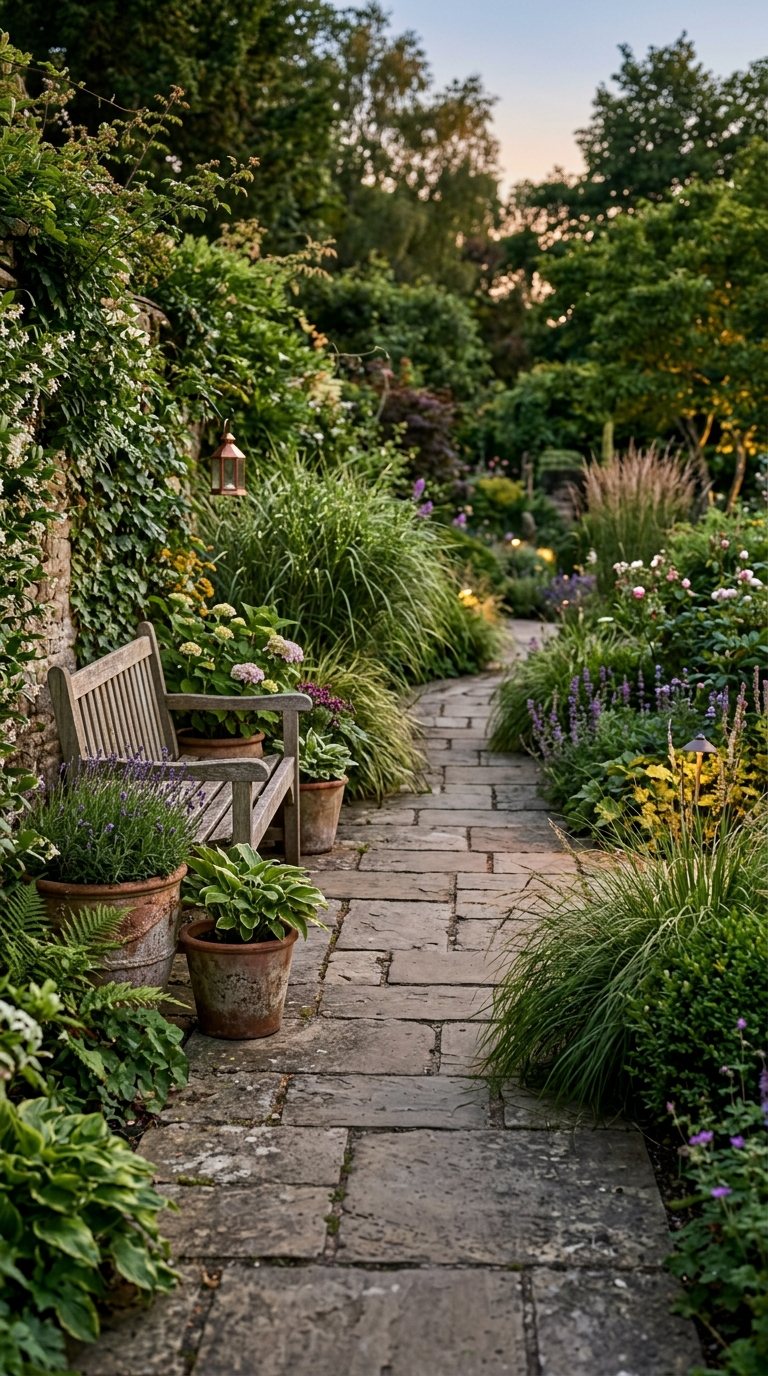
Natural materials help gardens feel timeless and harmonious with the surrounding landscape. Wood, stone, gravel, terracotta, and woven textures create warmth and visual interest.
- Use stone pavers for pathways
- Add wooden planters or benches
- Choose terracotta pots for warmth
- Incorporate gravel for texture and drainage
Step 7: Design Cozy Outdoor Dining Areas
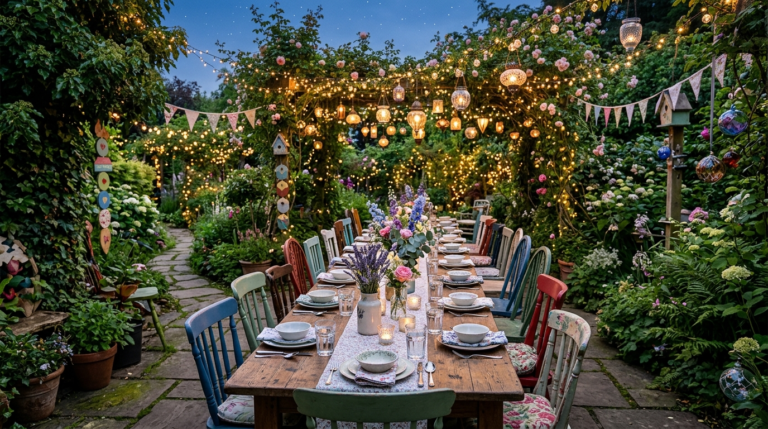
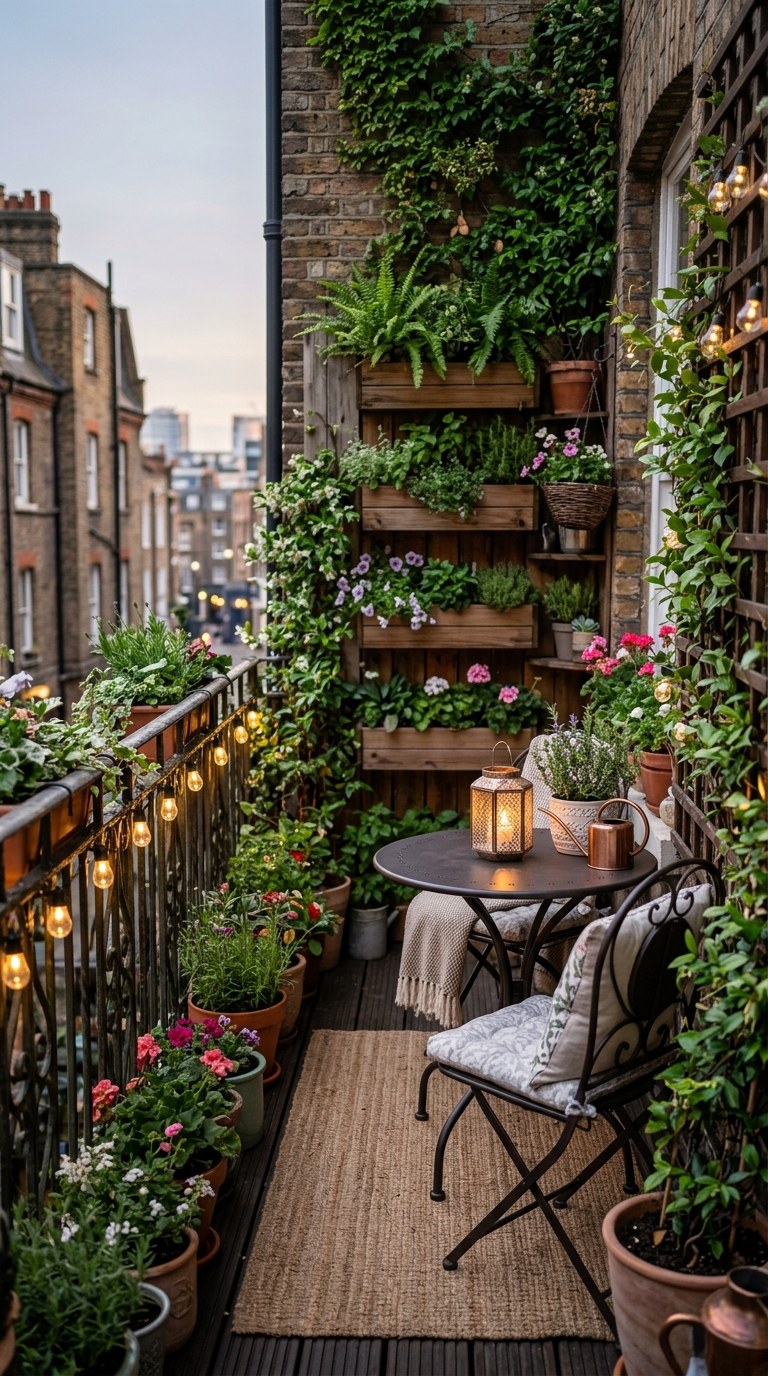
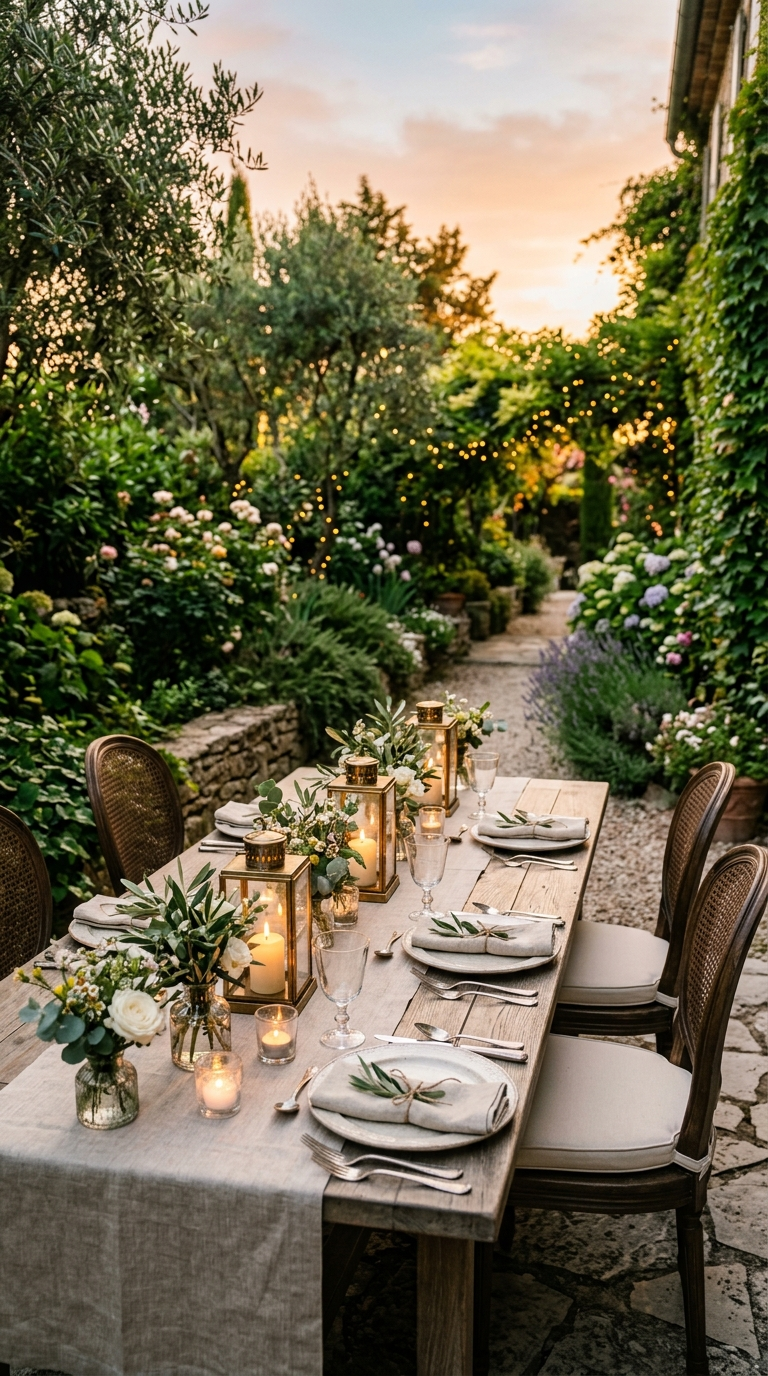
Outdoor dining spaces encourage people to gather and enjoy fresh air more often. Even a small bistro table on a balcony can feel incredibly charming when styled thoughtfully.
Layer table linens, lanterns, and potted herbs to make the space feel intimate and welcoming. Neutral tones mixed with greenery create an elegant atmosphere that feels relaxed rather than overly formal.
Step 8: Use Vertical Space in Small Gardens
If your outdoor area is limited in size, maximize vertical space instead of sacrificing greenery. Trellises, wall planters, and climbing vines add height and softness without taking up valuable floor space.
Vertical gardens also help create privacy in urban environments while adding a lush layered look.
Step 9: Add Texture Through Landscaping
Texture is what makes outdoor spaces feel visually dynamic. Combining smooth stone, soft grasses, rough wood, leafy plants, and woven accessories creates a more interesting environment.
Try mixing ornamental grasses with flowering plants or pairing sleek concrete planters with weathered wood furniture for contrast.
Step 10: Include Relaxing Water Features
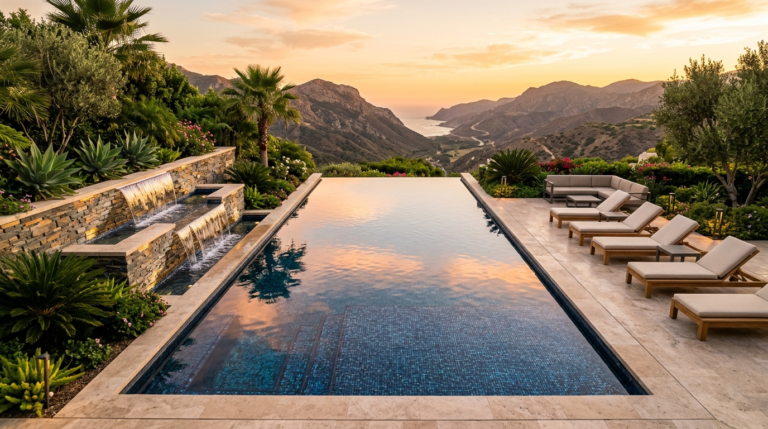
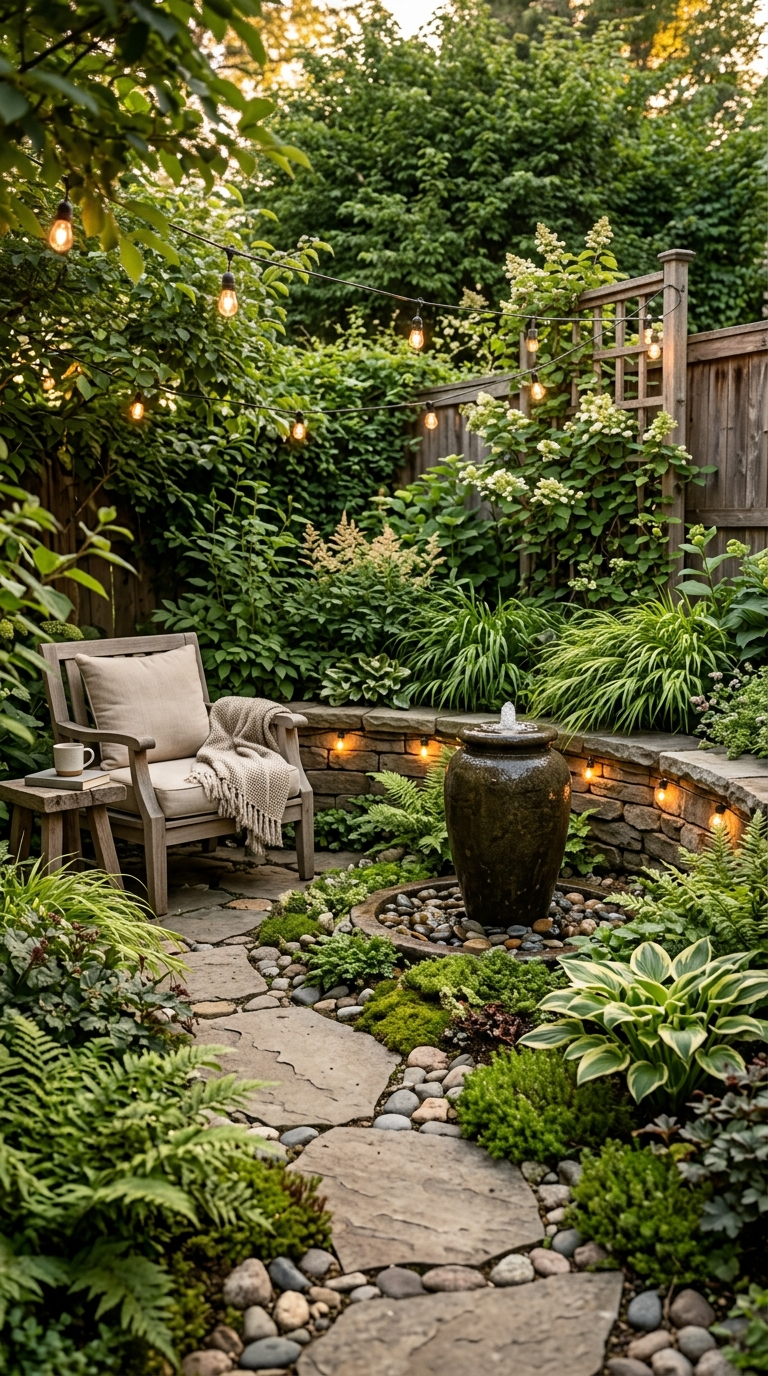
The sound of water instantly makes outdoor spaces feel calmer and more luxurious. Small fountains, reflecting bowls, and compact water walls can create a spa-like atmosphere even in tiny courtyards.
Choose simple designs that blend naturally into the landscape rather than overpowering the space.
Step 11: Keep Maintenance Realistic
A dream garden should still feel manageable. Choose plants and materials that suit your climate and maintenance preferences.
- Use drought-tolerant plants if needed
- Mulch garden beds to reduce weeds
- Select durable outdoor fabrics
- Group plants with similar watering needs
Step 12: Make the Space Feel Personal
The most beautiful outdoor spaces feel personal and lived in rather than perfectly staged. Add decor and details that reflect your style and encourage relaxation.
Outdoor rugs, lanterns, ceramic pots, textured cushions, and handmade planters can all add personality without overwhelming the natural beauty of the space.
Step 13: Refresh Your Garden Seasonally
Gardens naturally evolve throughout the year, and small seasonal updates help keep outdoor spaces feeling fresh and inviting. Rotate flowering plants, switch textiles, and introduce seasonal decor elements that complement the changing landscape.
Spring may call for soft pastel blooms while autumn looks beautiful with ornamental grasses and warm earthy accents.
Final Thoughts
Designing a dream outdoor garden retreat is about creating a space that feels peaceful, functional, and connected to nature. Thoughtful seating, layered greenery, warm lighting, and natural textures can completely transform even the simplest outdoor area.
By focusing on comfort, atmosphere, and intentional styling, you can build a garden that encourages relaxation year-round. Whether you are working with a large backyard or a small patio, small details and thoughtful choices often create the most memorable spaces.