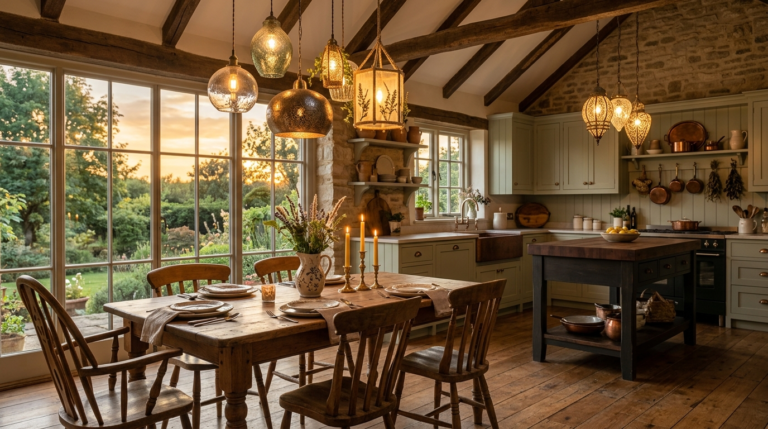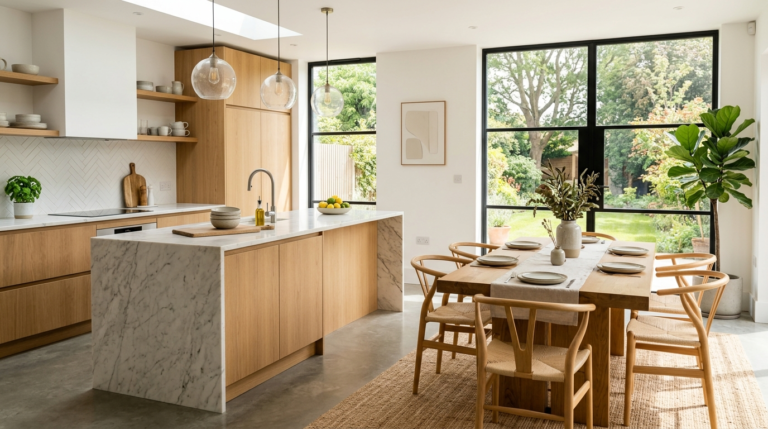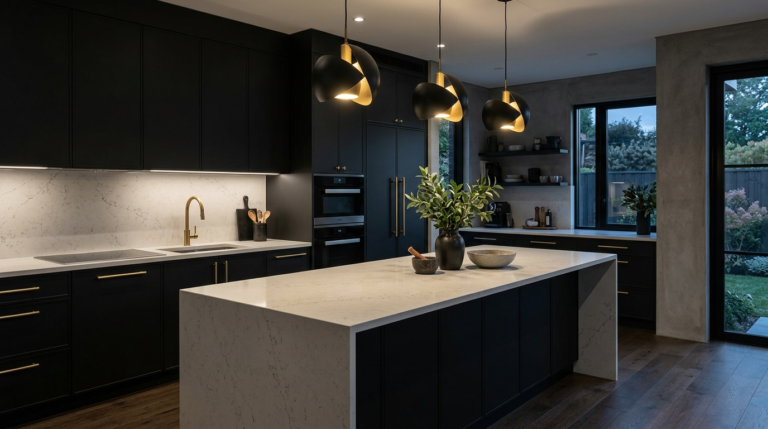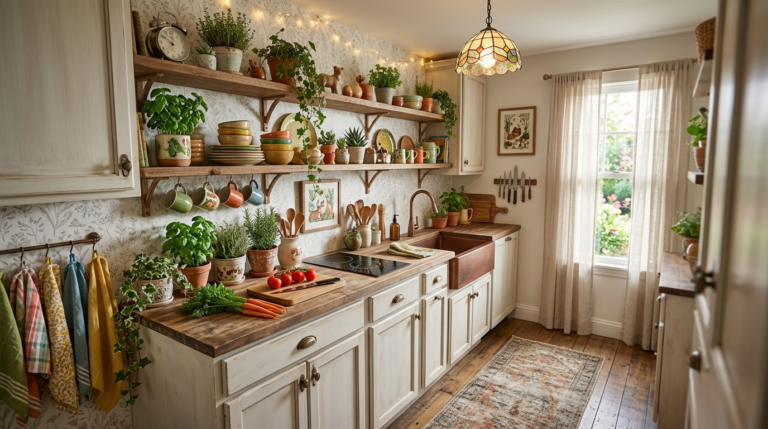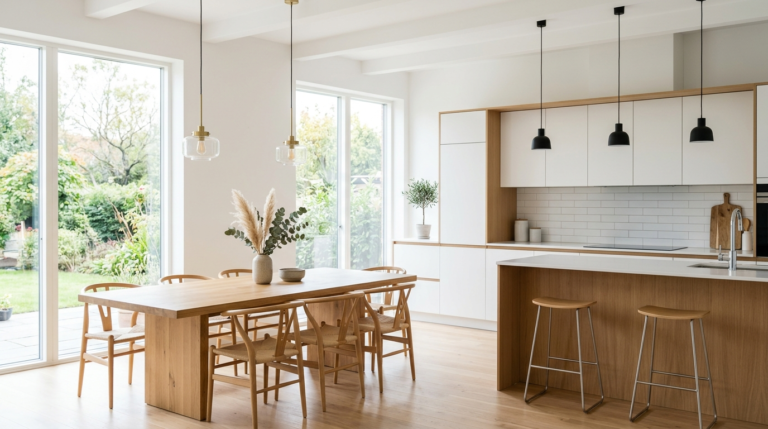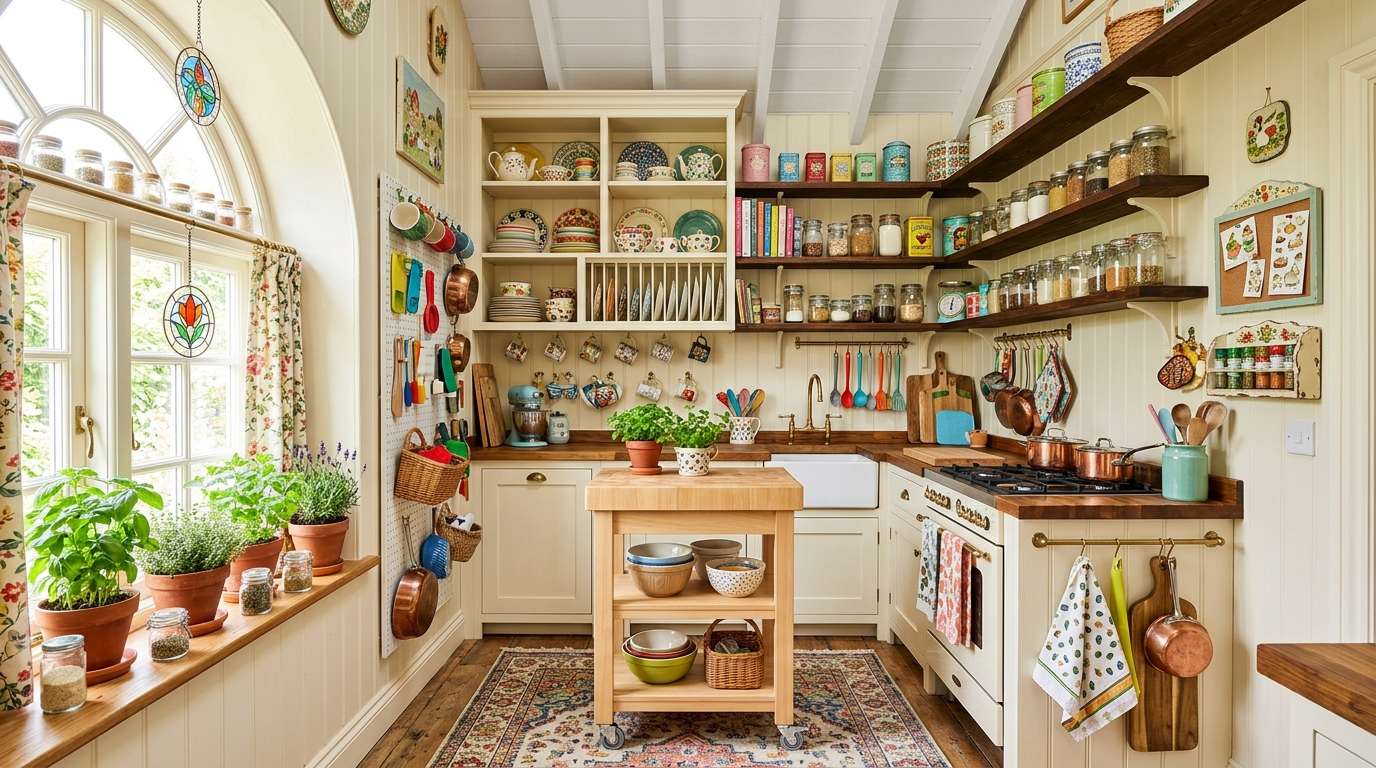
Small kitchens present a unique design challenge that, when approached creatively, can result in some of the most charming and efficient cooking spaces imaginable. The key is to think vertically, embrace multi-functional elements, and use every available inch with intention. Whether you are working with a compact urban apartment kitchen or a cozy cottage space, these ideas will help you maximize both storage and style without sacrificing the joy of cooking and gathering. The following fifteen genius solutions have been proven to make small kitchens feel significantly larger, more organized, and deeply personal.
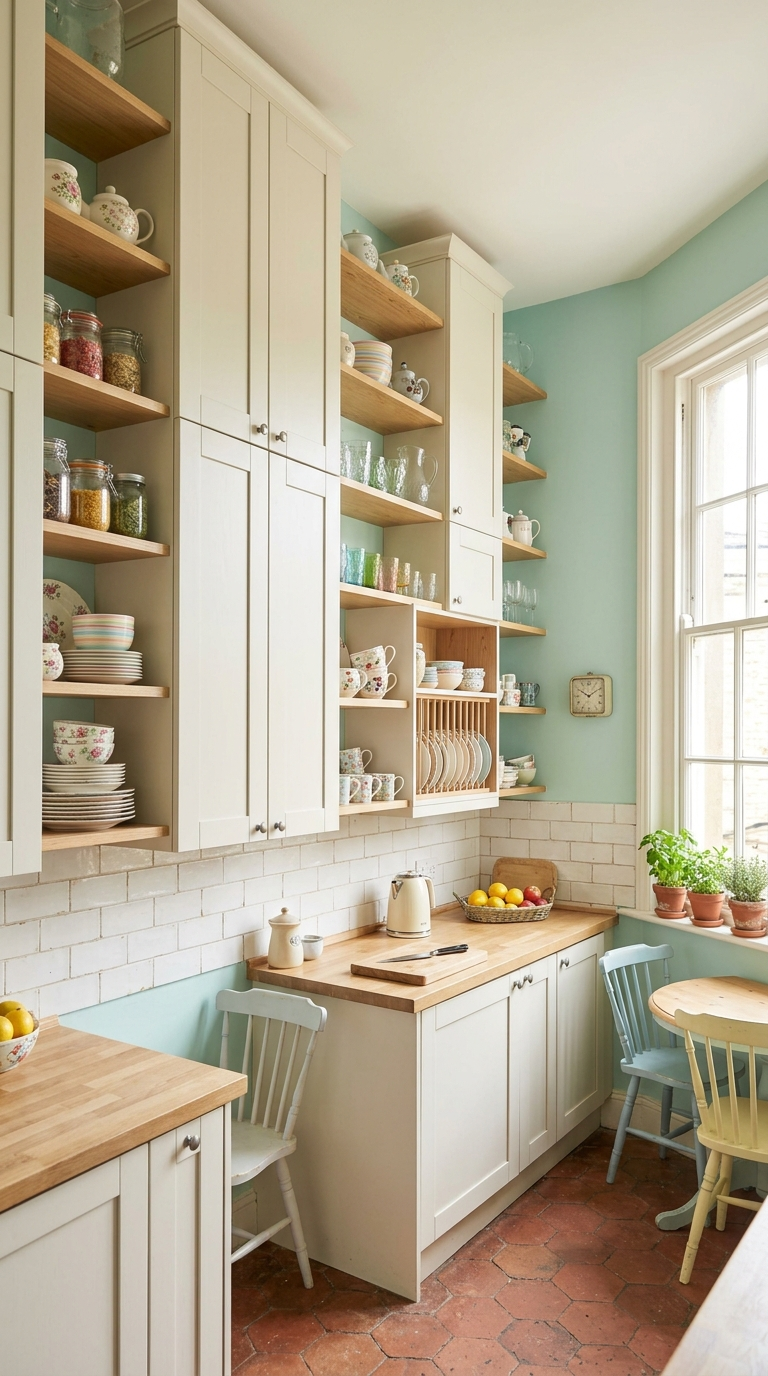
1. Go Vertical with Tall Cabinets and Open Shelving
One of the most effective ways to gain storage in a small kitchen is to draw the eye upward and utilize the full height of your walls. Tall cabinets that reach the ceiling eliminate wasted space above standard-height units and provide room for items you use less frequently. Pair these with open shelving on at least one wall to display beautiful dishes, glassware, and cookbooks while keeping everyday items accessible. The combination creates visual interest and prevents the space from feeling closed in by solid cabinetry everywhere. Choose light-colored or glass-front cabinets to maintain an airy feeling, and use the top shelves for seasonal items or special occasion pieces.
When planning vertical storage, consider adding a sturdy step stool that can be tucked away when not in use. Many small kitchen owners find that the visual lightness of open shelving balanced with closed storage above and below creates the perfect rhythm. Be selective about what you display – group items by color or type for a curated look rather than a cluttered one. This approach not only maximizes storage but also makes the kitchen feel more personal and thoughtfully designed.
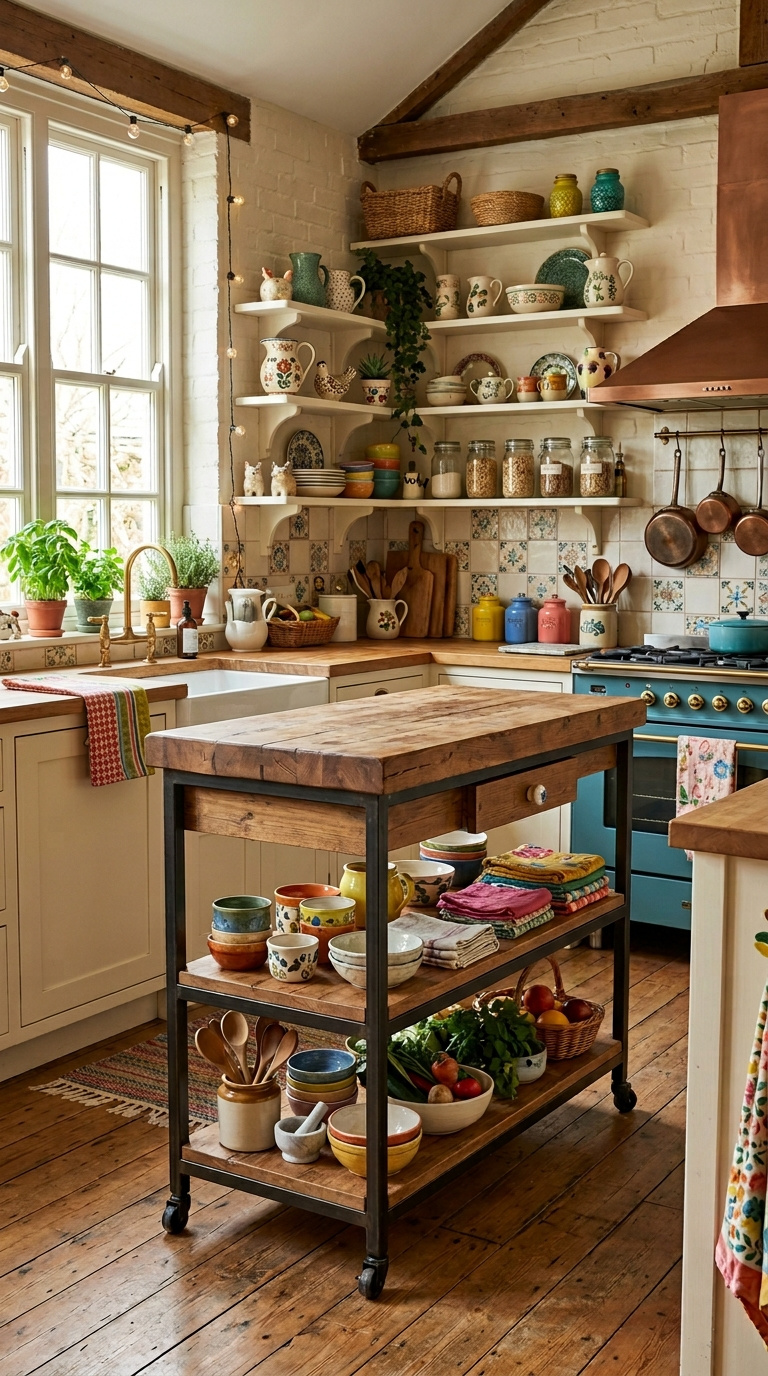
2. Choose a Compact but Mighty Island or Peninsula
A well-designed island or peninsula can dramatically increase both workspace and storage in a small kitchen, but scale is everything. Look for narrow islands on casters that can be moved as needed, or a peninsula that extends from existing cabinetry to define the space without closing it off. Choose designs with open shelving or drawers on the seating side to maintain visual lightness. Some of the most successful small kitchen islands incorporate a sink or cooktop, turning them into true workhorses that free up perimeter counters for other tasks.
If a permanent island is not feasible, consider a rolling cart with a butcher block top that can serve as additional prep space, a serving station, or even a small dining table for two. The mobility allows you to tuck it against a wall when extra floor space is needed. Many small kitchen owners find that the presence of even a small island or cart makes the space feel more complete and functional, providing that essential landing spot for groceries, mail, or a quick meal.
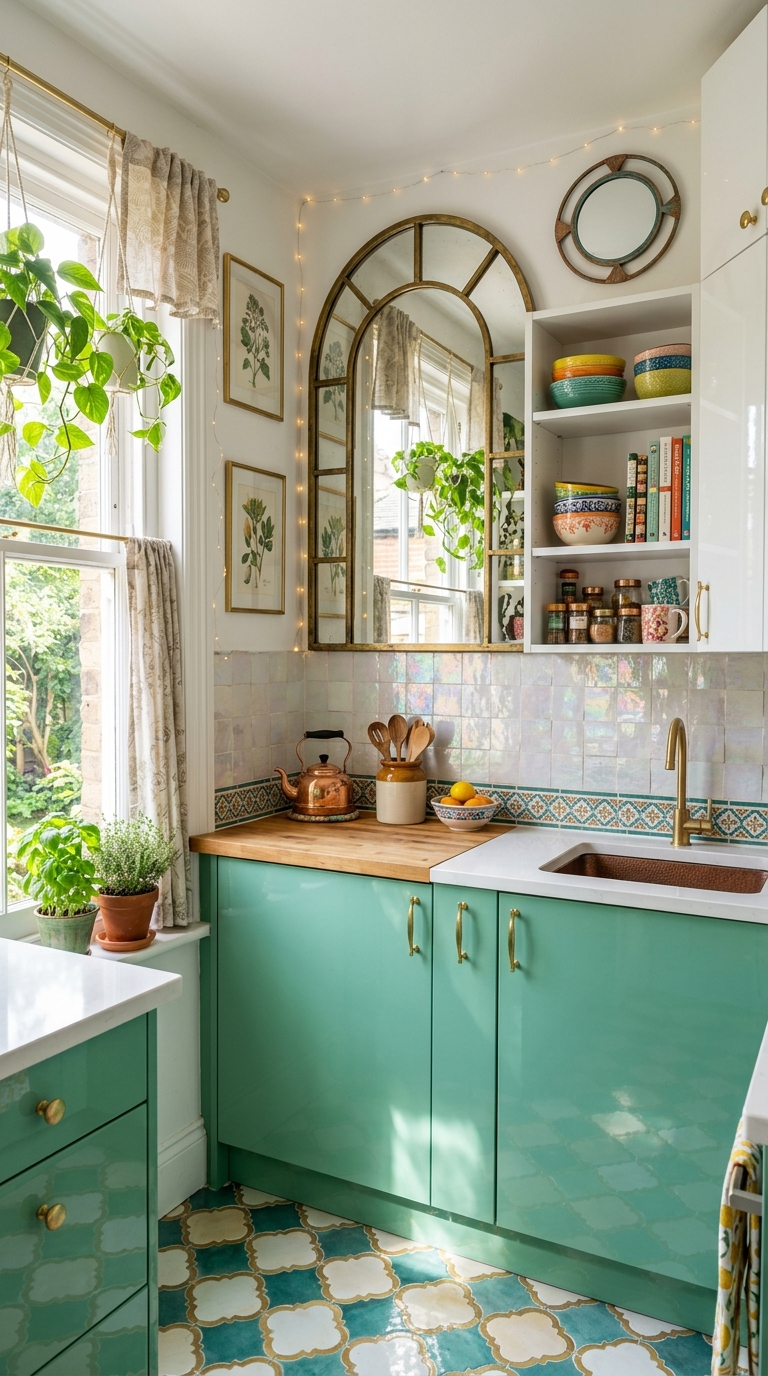
3. Embrace Light Colors and Reflective Surfaces
Color and finish choices have an enormous impact on how spacious a small kitchen feels. Light, reflective surfaces bounce light around the room and create the illusion of more space. White, soft gray, and pale wood tones on cabinets and walls are classic choices that keep the space feeling bright and open. Glossy or semi-gloss finishes on cabinets and backsplashes reflect both natural and artificial light, amplifying brightness throughout the day.
Consider adding a mirror or two in strategic locations, such as on the back of open shelving or as a backsplash behind a range, to further enhance the sense of depth. Metallic accents in brushed nickel, brass, or chrome catch the light and add sparkle without overwhelming the space. The goal is not stark all-white minimalism necessarily, but a thoughtful use of light-reflecting materials that make the kitchen feel larger and more welcoming while still allowing room for personality through textiles, artwork, and collected objects.
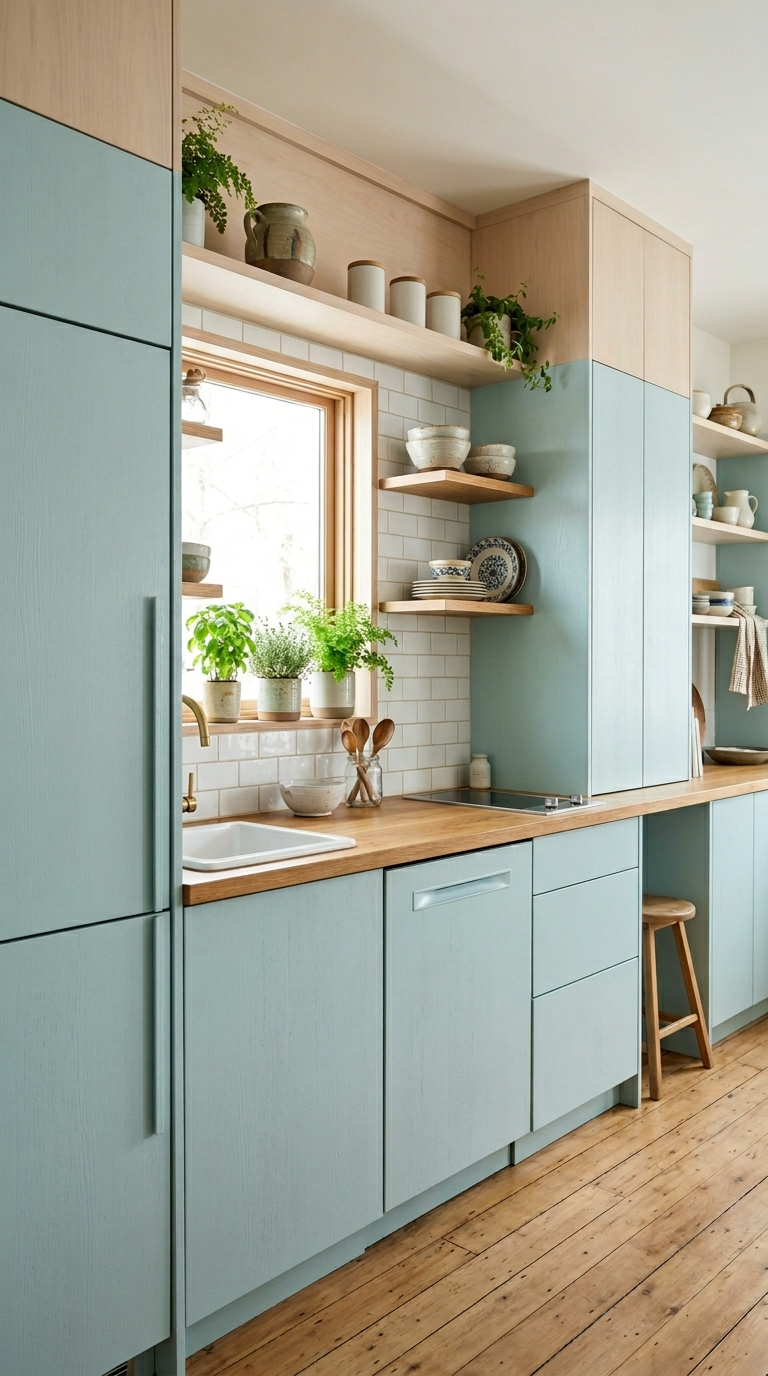
4. Integrate Appliances Seamlessly
Built-in or panel-ready appliances are worth the investment in a small kitchen because they create a clean, uninterrupted visual line that makes the space feel larger and more cohesive. A refrigerator that matches your cabinetry or is hidden behind a panel disappears into the architecture rather than dominating the room. Similarly, a dishwasher installed under the counter and a cooktop that sits flush with the countertop reduce visual clutter and maximize usable surface area.
For even tighter spaces, consider slim or apartment-sized appliances that are specifically designed for compact living. Many manufacturers now offer high-performance options in smaller footprints, including induction cooktops, drawer-style dishwashers, and counter-depth refrigerators. The key is to plan appliance placement early in the design process so that cabinetry and countertops can be designed around them for the most seamless integration possible.
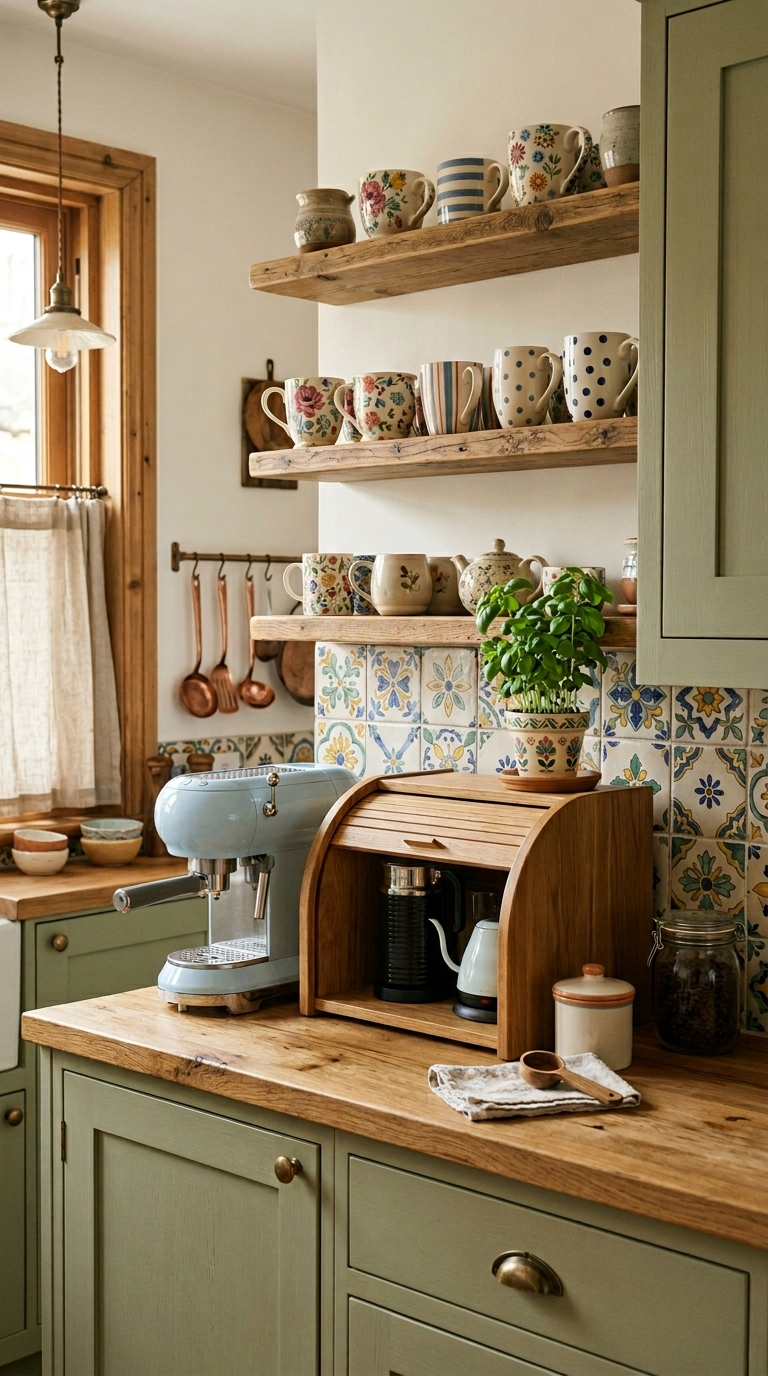
5. Create a Dedicated Coffee or Beverage Station
Carving out a small dedicated zone for coffee, tea, or morning beverages can free up valuable counter space elsewhere while making daily routines more enjoyable. A narrow cabinet or open shelf with a small appliance garage door can hide the coffee maker and supplies when not in use, keeping the main counters clear. Some clever small kitchen designs incorporate a pull-out tray or narrow counter extension specifically sized for this purpose.
This dedicated station also creates an opportunity for beautiful display – a small tray with a favorite mug collection, a pretty canister for tea, or a tiny plant can make the corner feel special. The ritual of making coffee or tea becomes a moment of pleasure rather than a cramped struggle for space. Many small kitchen owners find that this simple zoning strategy brings surprising joy and efficiency to their daily lives.
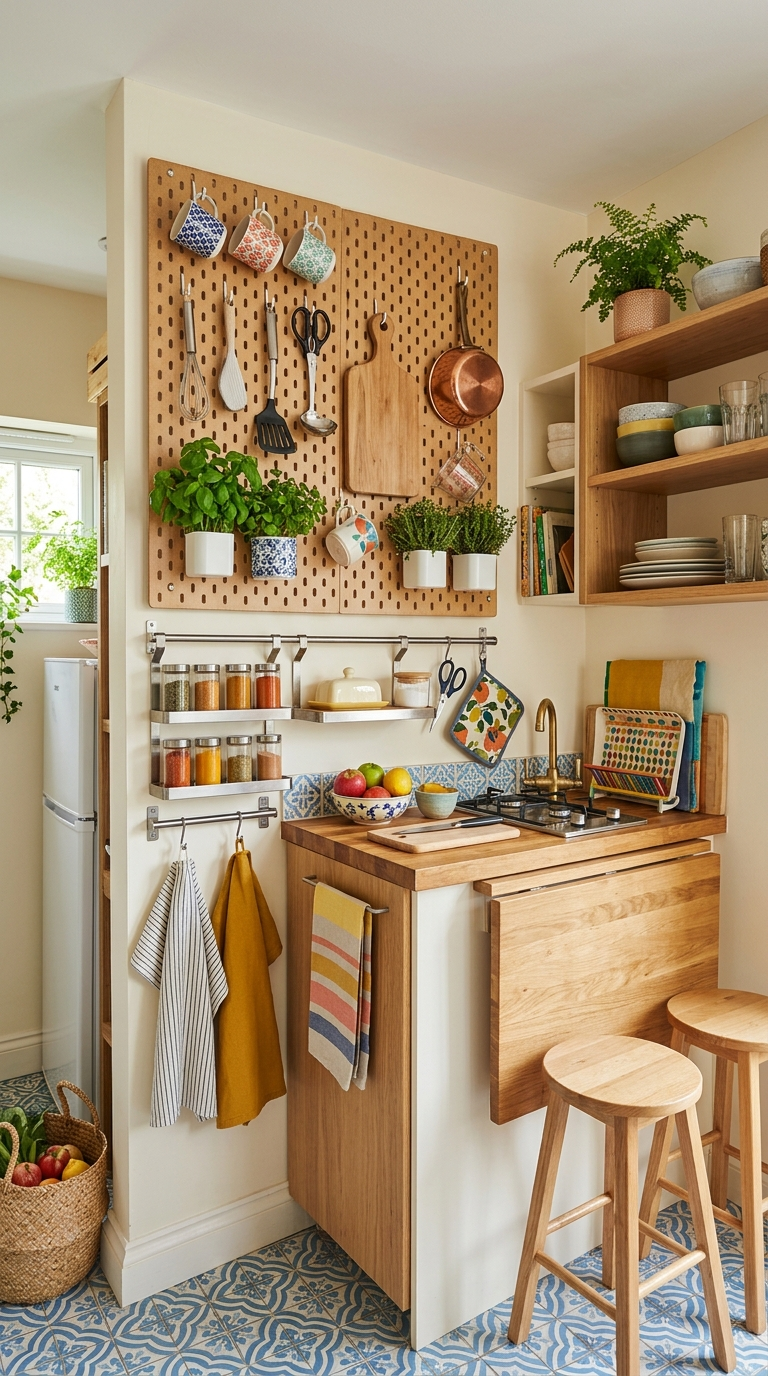
6-15. Additional Genius Ideas for Small Kitchens
Beyond the foundational strategies above, there are countless additional ways to make a small kitchen work harder and feel more spacious. Install a pegboard or wall-mounted rail system for pots, pans, and utensils to free up cabinet space and add visual interest. Use the inside of cabinet doors for additional storage with hooks, racks, or small shelves. Choose a farmhouse or apron-front sink that sits slightly forward, providing more usable counter space on either side while adding charm.
Consider a fold-down or drop-leaf table that can serve as a dining surface for two or three when needed but folds away to maximize floor space the rest of the time. Magnetic knife strips mounted on the wall keep knives accessible and free up drawer space. Under-cabinet lighting not only improves task visibility but also makes the space feel larger by eliminating dark shadows. A small herb garden on a sunny windowsill or a vertical planter on the wall brings life and freshness while taking up minimal space.
Choose furniture-style pieces rather than built-in cabinetry where possible – a beautiful vintage hutch or armoire can provide storage and character while feeling less permanent and overwhelming than wall-to-wall cabinets. Use clear containers for pantry items so you can see what you have at a glance, reducing visual clutter and food waste. Finally, edit ruthlessly – keep only what you truly use and love, and find beautiful homes for everything else. A small kitchen that is thoughtfully curated and free of unnecessary items will always feel more spacious and enjoyable than one bursting at the seams with unused gadgets and clutter.
Implementing even a few of these fifteen ideas can transform how your small kitchen functions and feels. The most successful small kitchens are those where every element earns its place through beauty, utility, or both. With creativity and intention, your compact kitchen can become a source of daily delight rather than a compromise. Embrace the challenge, celebrate the coziness, and enjoy the unique charm that only a thoughtfully designed small kitchen can offer.